日本語
日本語 



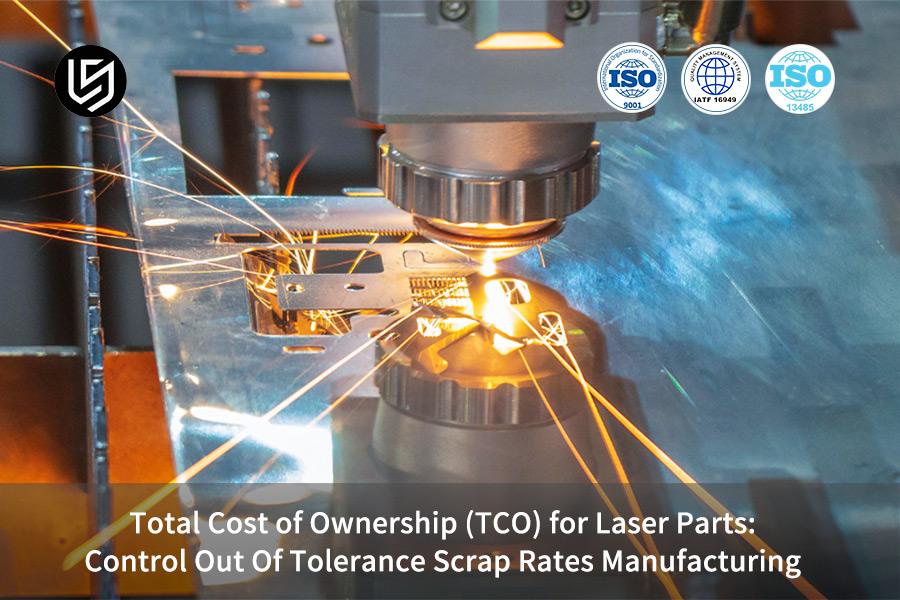
レーザー切断サービスは、工業用精密金属部品に使用される主要な加工技術の 1 つです。金型交換のコストが高い、複雑な輪郭加工で必要な精度を達成できないなど、従来のスタンピングプロセスの欠点が解決されるだけでなく、歩留まり率と下流の組立ラインの全体コストに直接影響します。 LS Manufacturing の高精度レーザー切断ソリューションは、プロセスのレベルを通じてプロセスの形状と品質を制御することにより、スクラップ率を 0.05% 未満に下げます。そのため、購入者は表面的な低価格の罠を回避し、最高のコストを実現できます。製品ライフサイクル全体。
レーザー切断の総コスト (TCO) の概要
<本体>重要なポイント
- レーザー切断の全体的な費用を評価する際に、単に見積書に記載された 1 メートルあたりの加工率ではなく、連続した大量生産中に Cpk (工程能力指数) を 1.33 のレベルに維持する必要がある 。
- 組立ラインのダウンタイムによる損失をなくす基本的な方法は、スクラップ率制御レーザー切断の機能を備えたサプライヤーを選択することです。 熱負荷アルゴリズムと合わせて、 供給側で 100% 正確な応力平準化を実施することで、スクラップ率を 0.05% 未満に下げることができます。
レーザー切断サービスによる部品廃棄率の制御における LS Manufacturing の経験を信頼できる理由
工業グレードの製造における 10 年以上の経験に基づいて、当社はエンドツーエンドのプロセス制御を通じて、安定した信頼性の高いレーザー切断サービスをお客様に提供し、部品のスクラップによって引き起こされるサプライ チェーンのリスクを根本的に軽減します。
LS Manufacturing のプロセス能力は、主流の世界的な産業品質システムの要件を満たす、スクラップがほとんどない(非常に少ない)数千の部品と 100 万個の部品を含む数百の量産プロジェクトによって証明されています。自動車構造部品の量産プロジェクトから得られた実際の経験によれば、ほとんどのサプライヤーが量産時に過剰なスクラップを抱えているのは、 機器のハードウェアの不足ではなくサプライチェーンに沿った標準化されたプロセス管理の欠如が原因であることがわかります。
当社の生産システムは、品質管理に関する ISO 9001 要件に従って設計および構築されており、各オペレーションにはすべての重要な手順について文書化された手順とデータ記録があります。
高精度の部品を量産するために、当社はプロセス パラメータのデータベースを作成し、世界で最も人気のある 12 種類の工業用金属の全厚加工ソリューションと、当社の有名な問題解決の特別な方法を組み込みました(板金が同じ方向の寸法の連続的なずれによって引き起こされる場合、レーザー パラメータを直接再調整するのではなく、最初にその残留応力を調べます)優先順位。).
オートメーションと自動車は、要件の高い分野であるため、IATF 16949 の要件を完全に満たす当社の制御プロセスを活用でき、完全なプロセス能力分析レポートを提供できます。
<ブロック引用>サプライ チェーン全体にわたる標準化された制御は、安定した低スクラップ率を実現するための中心的なサポートです。 CAD 図面を送信して、無料の DFM 実現可能性分析を受けることができます。スクラップ率制御レーザー切断基準に基づいてカスタマイズされたプロセス ソリューションをカスタマイズして、量産品質リスクを積極的に軽減します。

最初の 1 個あたりの見積もりが低いのは、真のレーザー切断の総コスト最適化の幻想であるのはなぜですか?
ベンダーが最初に 1 個あたりの価格を低く提示したからといって、調達コストが低くなるわけではありません。 廃棄、追加の校正、 組立ラインの停止による遅延につながる隠れた問題が、レーザー切断の総コストが高額になる主な理由です。
TCO (総所有コスト) ライフサイクル コストの内訳
商品ごとの処理料金のみに基づいて購入を決定すると、多くの場合、見積価格の差の数倍の隠れた損失が発生することになります。これは実際のコストを表していません最適化です。当社は内部で専門家のレーザー切断コスト分析技術を使用して収入と支出を管理し、隠れた損失を防ぎます。
1 個あたりの総合的な TCO を計算する社内の方法は次のとおりです。 1 個あたりの総合的な TCO = 1 個あたりの加工料金 + (1 個あたりの材料価格、スクラップ率) + (1 時間あたりのライン停止コスト、停止期間 / バッチ生産量)。この方法は、LS Manufacturing 独自の会計手段です。
<オル>最安の見積もりに隠れた危険
最も安価なサプライヤーは、最初の部品が寸法規格内であることを確認するだけで、原材料の応力除去、プロセスのサンプリング、通常の機器の校正などのプロセスをスキップすることがよくあります。大量生産では公差ドリフトの問題が頻繁に発生します。 これらのサプライヤーは通常、完全な SPC 制御システムを持たず、継続的な工程能力データを提供できません。お客様の組み立て段階では、バッチ廃棄のリスクがしばしば発生します
。レーザー切断サービスの実際の TCO 最適化は、最初の見積もりを下げるだけではなく、プロセス単価、量産歩留まり、サプライ チェーンの安定性の間のトレードオフです。 本質的には、おそらく加工料金を 1 個あたり数ドル削減するだけで、最終的にはダウンタイムとアセンブリの手戻りの量の数倍の損失が発生することになります。行。
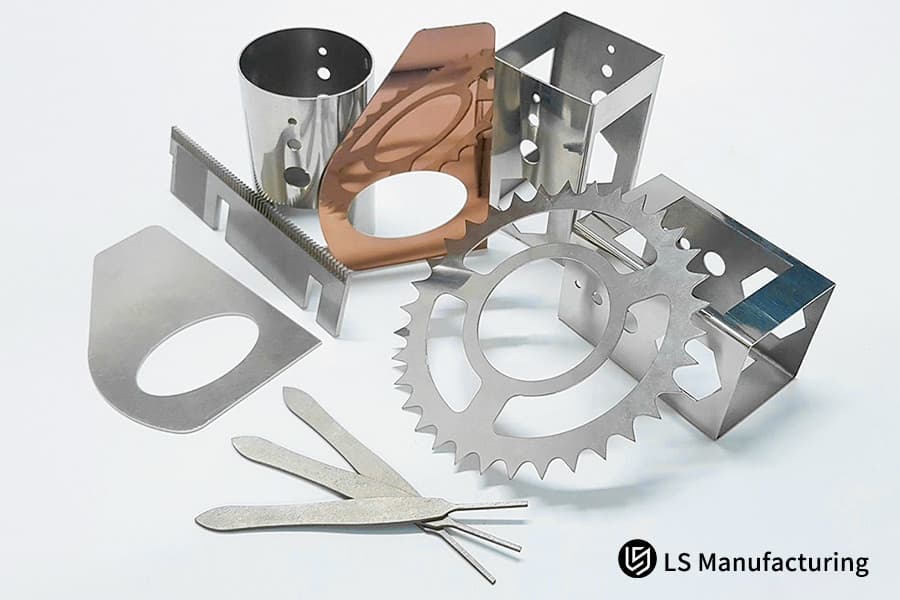
図 1: さまざまな高精度レーザーカット鋼部品が白い背景に表示されています。
真に正確なレーザー切断サービスを提供するには、加工熱入力を動的に制御するにはどうすればよいですか?
レーザー周波数、デューティ サイクル、ノズルの流体力学を調整して、カーフのエッジの熱影響部 (HAZ) の幅を工業限界の 0.1 mm 以下に制御することが、レーザー切断における熱偏差を完全に除去し、真に信頼できる 精密レーザー切断サービス。
熱歪みシミュレーションとマルチフィジックス予測
LS Manufacturing のエンジニアは、マルチフィジックス シミュレーション ソフトウェアを通じて、薄肉部品への高エネルギー レーザーの照射によって生じる熱歪みのレベルを予測できます。そのレーザー熱源の最高温度は 1000°C を超える場合があります。ステンレス鋼や炭素鋼などのさまざまな材料については、まず専門家に頼ります。レーザー切断熱制御プロセス システムにより、HAZ の拡散範囲をシミュレートし、さまざまな切断パラメータのパラメータ スキームを事前に最適化します。
高度な熱制御プロセスは、高品質のレーザー切断部品の製造を可能にする重要な要素です。
動的熱負荷制御のプロセス パス
- マイクロ接続の最適化されたレイアウト:マイクロメートルレベルのマイクロ接続によりパーツの位置が固定され、 切断中の熱応力解放による位置ずれが防止されます。
- 多点千鳥状切断パス: スキップ切断軌道により、局所的な熱集中による平らなシートの反りを防ぎます。
- 動的窒素比: 高圧補助窒素の流量と圧力はシートの厚さに基づいてリアルタイムで調整され、切断ゾーンから非常に効果的に熱を除去します。
一言で言えば、これは、継続的に加熱されている部品を常に冷却しながら、同時に高温に達している表面の部分を避けるようなものです。そのため、熱変形が始まる可能性が低くなります。
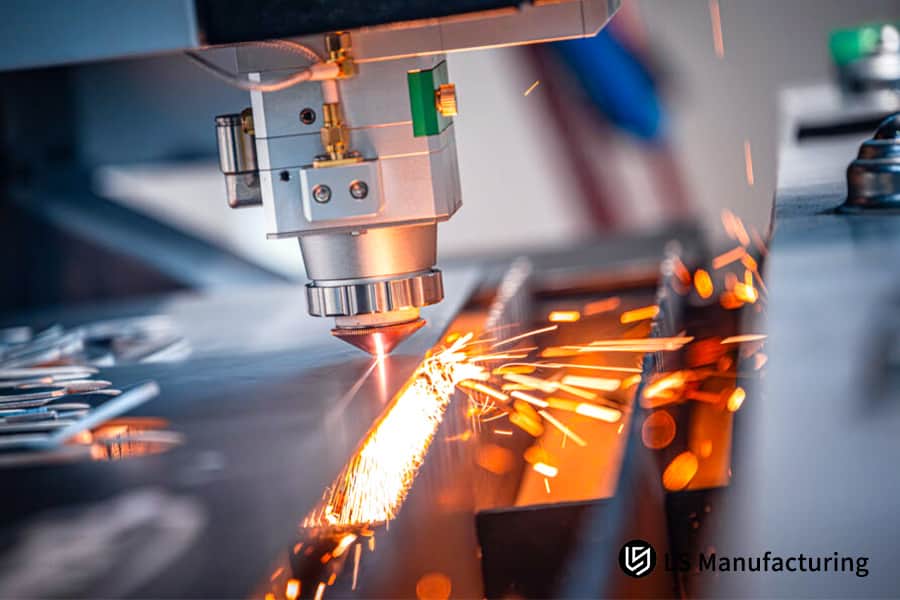
図 2: 稼働中のレーザー切断機。明るい火花を散らしながら金属板を切断します。
技術パラメータと費用のマトリックスは、スクラップの少ないレーザー切断サービスの価値をどのように証明しますか?
曖昧な形容詞を使用すると、本当の専門家を正確に特定することはできません。 低スクラップ レーザー切断サービスの本当の価値は、レジのラインで金銭的損失を引き起こす技術パラメータをデジタル化して照合することによってのみ明らかになります。
レーザー加工ソリューションのテクノロジーとコストの比較表
多次元パラメータの比較と標準的なレーザー切断品質監査システムを活用した結果、高精度ソリューションは初期コストは高くなりますが、ライフサイクル全体のコストを考慮すると非常に経済的であることがわかりました。
| 評価の次元 | 市場標準のレーザー加工 | LS Manufacturing の高精度ソリューション | TCO への影響 |
| 寸法公差の制御 | ±0.15 mm、バッチ一貫性の保証なし | ±0.05mm 以内の安定した管理、完全なバッチトレーサビリティ。 | 公差の逸脱は、スクラップや再加工のコストに直接つながります。 |
| 量産プロセス Cpk | SPC 制御なし、通常は 1.0 未満 | 安定 ≥1.33、キーの寸法は 1.67 に達する可能性があります。 | CPK が低いほど、バッチ逸脱の隠れたリスクが高くなります。 |
| 最終組立の廃棄率 | 2%~5% | ≤0.05% | スクラップ率が 1% 増加するごとに、全体の TCO は約 8% 増加します。 |
| 原材料のストレス処理 | 標準化されたプロセスなし、ランダムサンプリング | 100% 精度のローラー レベリング、シートごとの検証。 | 残留応力は、量産における反りのばらつきの主な原因です。 |
| 熱影響区域 (HAZ) | 幅 ≥0.3 mm、エッジがかなり酸化しています。 | ≤0.08mm、 冷間切断プロセスで顕著な酸化層なし。 | HAZ が広いほど、材料の変形や破損の可能性が高くなります。 |
実際、LS Manufacturing のレーザー切断サービスを利用すると、最初の単価は高くても、スクラップの発生が少なくなります。確かに価格は 10% ~ 15% 下げることができますが、 組み立て段階で発生するスクラップ、やり直し、 劣化のロスを考慮すると、お客様の総コストは約 25% 削減されます。
<ブロック引用>パラメータを比較すると、ソリューション間のコストの違いを明確に示すことができます。既存の調達データを提供していただくと、フルサイクルの TCO 削減を無料で計算し、レーザー切断サービスの TCO 最適化基準に基づいて潜在的なコスト削減を明らかにするお手伝いをします。
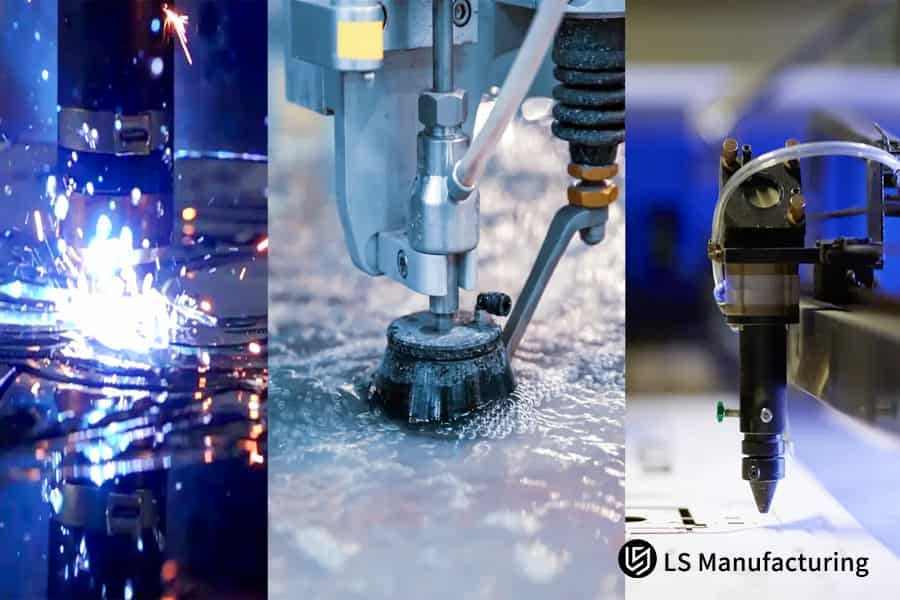
図 3: レーザー切断ヘッドが金属シートに焦点を合わせ、材料の無駄を最小限に抑えます。
スクラップ率制御レーザー切断を導入する場合、原材料の厳密な応力平準化が重要なのはなぜですか?
素材シートを冷間圧延することで発生し、シートに残留応力分布を持たせる熱は、 レーザー切断時の局所的な残留応力の解放とシートの反りの原因となります。これは量産偏差の隠れた要因であり、スクラップ率制御レーザー切断の必須要素の前提条件です。
残留応力による偏差のメカニズム
主に民生用および一般産業用途に使用される冷間圧延および熱間圧延の酸洗板には、不均一な残留応力が存在することに疑いの余地はありません。アスペクト比が長くて広い場合、部品の母材から分離された部品が曲がる原因となる局所的な熱応力と残留応力の組み合わせが、寸法偏差の直接の原因となります。 レーザー切断材料のキャリブレーションを非常に正確なレベルまで行うことで、これらの変形欠陥を回避することが可能になります。
また、この応力制御操作は、さまざまな高精度カスタム レーザー カット コンポーネントの量産の規則性を保証するための一連のステップの主要な操作です。
アスペクト比の異なる部品の段差曲げ度の実測データ
|
比較ディメンション |
市販の標準レーザー加工プラント |
LS Manufacturing の高精度工業グレードのソリューション |
|
コアトレランスの安定性 |
±0.15 mm、バッチ一貫性の保証なし。 |
±0.05mm 以内の安定した制御、完全なバッチトレーサビリティ。 |
|
量産プロセス Cpk |
SPC 制御なし、通常は 1.0 未満 |
安定 ≥1.33、キー寸法は最大 1.67 |
|
熱影響区域 (HAZ) |
制御 ≥0.3mm、著しいエッジ酸化 |
≤0.08mm、冷間切断プロセスで顕著な酸化層なし |
|
シートの内部応力処理プロセス |
標準化された治療法はなく、無作為抽出。 |
100% 精度のローラー レベリング、シートごとの平坦性検証。 |
|
組立ライン終了時の全体的なスクラップ率 |
2%~5% |
≤0.05% |
|
最終 TCO 結果 |
隠れたコストが高く、全体的な支出が予想を上回っています。 |
全体的な TCO が 25% 削減 |
精密ローラー レベリングのプロセス効果
<オル>簡単に説明すると、 これは板金の「骨格調整」 の一種で、切断後の板金の変形や反りを防ぐために、事前に内部応力を解放しておく作業です。
CPK 評価標準の導入により、レーザー切断部品製造の安定性がどのように確保されますか?
Cpk (工程能力指数) に重点を置いた統計的工程管理を組み込むことにより、数万個の部品を含む大規模な生産サイクル中にのみ、 部品不合格率を厳しい制限内に一貫して維持することができ、 のバッチの安定性が保証されます。 href="https://www.lsrpf.com/blog/fiber-laser-vs-co2-laser-which-is-better-for-cutting-aluminium">レーザー切断部品の製造。
SPC フルプロセス データ監視システム
何万ものカスタマイズされたハードウェア部品を継続的に生産するために、私たちはデジタル測定器と定期的なサンプリングのための自動測定ステーションを利用しています。次に、データはリアルタイムで SPC システムに入力され、実際の Cpk 値が動的に計算されます。データ変動の警告しきい値に達すると、システムはオペレーターに、バッチ欠陥の生成を防ぐためにプロセスの調整を実行するよう通知し、レーザー切断バッチの安定性基準を包括的に維持します。
この全プロセスの完全にデータ駆動型の管理システムは、レーザー切断におけるスクラップ率の制御に採用されている主要な方法です。
バッチの許容範囲外確率比較表に対応する Cpk 値
|
パーツのアスペクト比 |
最大アンレベル曲げ度 |
業界の許容しきい値 |
|
3:1 |
0.4mm/m |
≤0.5mm/m |
|
6:1 |
0.9mm/m |
≤0.5mm/m |
|
8:1 |
1.5mm/m |
≤0.5mm/m |
|
10:1 |
2.1mm/m |
≤0.5mm/m |
Core Process Control Points for Cpk Improvement
- Laser Nozzle Coaxiality Calibration: The coaxiality deviation between the nozzle and the beam must be controlled within 0.01mm.
- Auxiliary Gas Purity Control: Use 99.999% high-purity nitrogen to avoid gas impurities that may affect the quality of the cutting surface.
- Servo Gap Micron-Level Adjustment: The servo motor feedback gap at the micron level should be controlled to ensure motion positioning accuracy.
Simply put, Cpk is like a "ranking" in the production process, the higher the score, the lower the probability of defective products and the more stable the quality of batch production.
<ブロック引用>Stable process capability is the core guarantee for supply chain security. You can download our Cpk process white paper to gain a deeper understanding of the quality control logic in laser cutting parts manufacturing and assess the quality risks in your current supply chain.
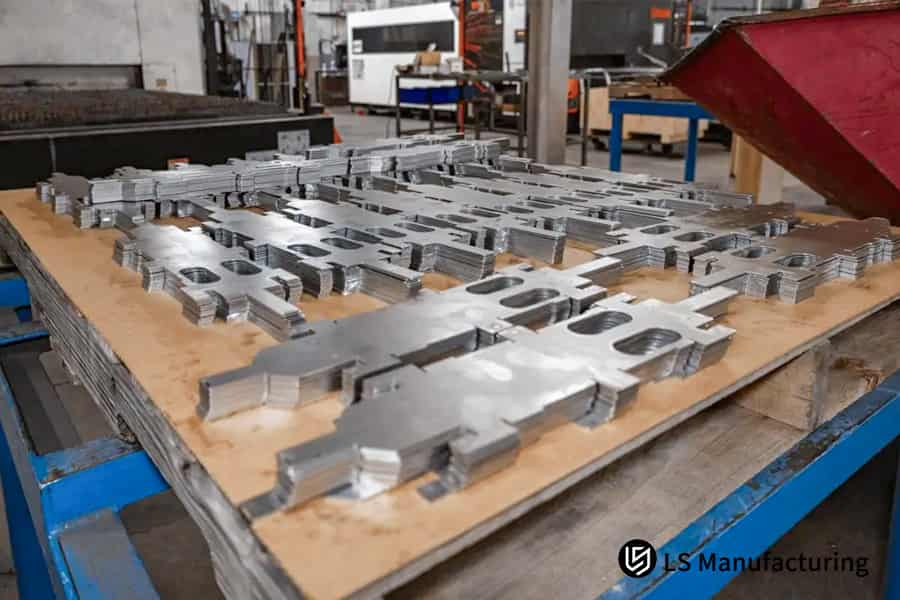
Figure 4: Stacks of laser cut metal parts on a pallet in an industrial facility.
How Do Advanced Nesting Algorithms Reduce Nesting Residual Stress To Keep Custom Laser Cut Components Precise?
Intelligent nesting is not just a matter of enhancing sheet material usage, the primary focus of this method is to minimize the consequences of nesting residual stress via thermal energy loading dispersion treatment. This guarantees the accurate processing result of custom laser cut components.
Thermal Distortion Risks Of Conventional Nesting
Standard nesting simply targets material utilization. At the same time, when parts are closely spaced, heat left over from the cutting of one piece will be directly transmitted to neighboring parts, leading to expansion of the material and dimensions of newly made parts deviating. In addition, deformation of the outer scrap will cause displacement of uncut semi-finished products, because of this increasing tolerances. Dedicated laser cutting thermal nesting algorithms still can effectively resolve this problem.
Using unsuitable nesting methods will drastically cut yield percentages to the point of making it impossible to have stable low-scratch laser cutting production standards.
Key Features of the Thermal Dispersion Nesting Algorithm:
<オル>In other words, this is like warming a cake evenly so that it is not burnt in certain spots and the center does not turn out sparse, in which way sheet deformation will be homogeneous.
Based on smart nesting algorithm innovation, one may readily get efficient and low-cost laser cutting service TCO optimization, so harmonizing quality and financial advantages.
Case Study: How Did LS Manufacturing Solve The High TCO Crisis For a Logistics Automation Brand?
One of the famous brands in the logistics automation equipment industry had a big problem when the parts of the chassis of shuttles that were out-of-tolerance were scrapped. We offered a full precision process solution that really worked and through these reduced-scrap laser cutting service, we demonstrated the real value of the solution by A lot reducing their total cost of ownership (TCO).
Customer Dilemma
The customer procured laser-cut chassis core components for the intelligent shuttle vehicle in high-strength steel HC420LA with the requirement that the tolerance was within ±0.06mm. Due to the lack of a mature laser cutting batch optimization solution, the original supplier was not able to control well thermal deformation, and SPC quality control was yet to be developed.
This led to a 4.2% scrap rate in the assembly line as the automatic precision bearing shaft holes often were misaligned causing the assembly line to go through repeated shutdowns and corrections. Based on the customer's calculation, other costs that are caused by a single batch of rework and line downtime are more than $12 000 which further leads to a 35% TCO overrun.
LS Manufacturing Solution
- Raw Material Pretreatment: The raw sheets of material are passed through a micron-level precision roller leveler that relieves stress and levels the sheets by 100%.
- Process Optimization: We have a self-developed heat load dispersion jump nesting algorithm that is used together with the 99.999% high-purity nitrogen cold cutting process.
- Process Control: We have installed digital display SPC workstations at the key control points for real-time monitoring and quality control of the dimensions.
Results and Value
After the project was implemented, the width of the heat-affected zone at the edge of parts is stably controlled within 0.08mm, and the real-time Cpk is stably maintained at 1.34, fully complying with the process requirements of the IATF 16949 system. The out-of-tolerance scrap rate of those customized core shuttle car components at the assembly line end which was 4.2% dropped to below 0.03% after three consecutive batches totaling over 15,000 pieces, the first-pass yield of assembly line bearings was 99.97%, totally eliminating the customer's secondary manual calibration cost.
In the end, the customer realized a system-level overall TCO reduction of 28% and also LS Manufacturing was recognized as a long-term strategic core supplier by this customer.
<ブロック引用>This mature process solution can be reused for similar precision structural parts. You can send your part drawings to receive a customized quote, and we will tailor a cost-reduction and quality-improvement solution for you based on scrap rate control laser cutting standards, replicating the same quality benefits.

Why Does Strict Regular Optical Maintenance And Alignment Keep Laser Cutting Total Cost From Drifting?
The small thermal lensing or the slight changes in the beam coaxiality of the key optical elements of the laser lead directly to the differences in cutting tolerances in the afternoon versus the morning, and these are also one of the main reasons that indirectly raise the total cost of laser cutting.
The Indirect Cost Consequences of Tolerance Drift
Usually, small processing plants tend to change the lenses only after the parts are visibly deformed and heavily covered with slag. Unfortunately, by that time, hundreds or even thousands of out-of-tolerance scraps would have been delivered to the client. Such kinds of unnoticeable tolerance drifts at the initial piece sampling inspection are almost impossible to detect and typically only become apparent after mass production.
Actually, customers have to deal with rework and downtime losses. Standardized laser cutting optical calibration works as a preventive measure against this hidden threat.
Standardized Optical Maintenance Specifications
<オル>In essence, a regular checkup of the laser equipment is like a "health maintenance plan" during which small problems can be spotted early and major malfunctions that lead to downtime and scrap can be avoided.
<ブロック引用>Standardized equipment maintenance is the foundation for stable batch accuracy. You can contact our engineering team for a one-on-one consultation to learn about our end-to-end accuracy assurance solutions for custom laser cut components, tailored to your mass production needs.
Why Do Global Engineering Buyers Rely On Our Premium Laser Cutting Service For Long-Term Supply Stability?
In the field of mass production of industrial components, having a skilled manufacturing partner who understands how to convert engineering ideas into real assembly advantages and supply chain security is very important. The decision to select a dependable laser cutting service is crucial for securing supply stability over the long term.
Our complete set of engineering skills and an extensive quality system are the main factors why worldwide engineering purchasers keep us in mind as a long-term partner.
In Humen Dongguan LS Manufacturing continues to exploit its well established industrial support advantages to provide clients with prototyping and mass production solutions promptly. After getting familiar with IATF 16949 and ISO 9001 standards, we have set up a full-fledged quality management system. With the launch of a thorough laser cutting supply assurance system, we are in a position to offer our customers a complimentary DFM (Design for Manufacturing) feasibility evaluation while still at the prototyping phase.
Opting for us means that, besides metal parts, clients receive system-level quality assurance for automated production lines that operate with zero tolerance, zero delays, and zero rework, so completely eliminating supply chain quality risks.
FAQs
Q1: How do you identify whether a laser cutting quote includes comprehensive TCO optimization?
One way of knowing if the laser cutting quote is truly optimized for the total cost of ownership (TCO) is that it not only mentions the base machine time charge but also explicitly lists the costs of material de-stress and leveling, the heat-affected zone control parameters, the ratio of full inspection sampling, and the Cpk stability guarantee covering all the lifecycle cost elements.
Q2: What physically parameters set the off-die scrap rate during continuous laser processing?
The key parameters include the M2 factor of the beam (controlled within 1.1), the nitrogen pressure of the nozzle (1.2-1.5MPa), and whether the width of the edge heat affected zone is strictly limited to below 0.1mm, which directly determines the level of scrap rate.
Q3: Will LS Manufacturing be able to achieve the tolerances on laser parts within plus or minus ±0.05 mm?
This relates to the quantity of high volume carbon steel orders.Yes, by importing high precision high power fiber laser machine and adopting dynamic kerf compensation algorithm and real time SPC monitor, we can keep the accuracy tolerance in tolerance control requirement of ±0.05mm for mass production.
Q4: Why does material thickness simultaneously affect the total cost and tolerance performance of laser cutting?
Beyond Really the thicker the sheet metal is, the bigger the laser power and gas consumption are, leading to a significant increase in heat input, more sophisticated jump-patterning algorithms must be used so that thermal distortion does not exceed tolerances, this way raising the costs of processing and control.
Q5: How does your low-scratching laser cutting service help clients avoid costly assembly line downtime?
We keep production tolerances very tight so that the parts that go to the customers' production lines can be assembled 100% smoothly without any problem. This way, there is no risk that the automated assembly lines will be stopped because of dimension errors.
Q6: What kind of certificates should a top-quality laser parts manufacturer for B2B have to show that they meet industrial standards?
At a minimum, they should be certified for ISO 9001 system. If they deliver specially tailored components to specific industries having high demands, then strictly following IATF 16949 or the appropriate industry Cpk process specifications is needed for production control.
Q7: How are micro-joints in high-tech nesting helpful in saving manufacturing costs while still ensuring the parts are highly precise?
Micro-joints arranged at micron level, if done properly, prevent the thin and small parts from being displaced and deflecting during cutting by the high-pressure gas blowing. So, this leads to very high precision and the parts won't warp or clash. This way, possibility of scrap is very low.
Q8: What is the minimum order quantity (MOQ) for a precision laser cutting service which leads to an explicitly optimized TCO?
When it comes to the high-precision orders which require thorough SPC management and complete stress relief, 500 pieces is the most economical production starting point we can recommend. This batch size offers excellent per-piece TCO cost savings. You can even upload your drawings directly to us to get the exact quote.
Summary
Controlling the total cost of ownership (TCO) for laser-cut parts of large-volume remains a complex and long-term commitment to an efficient and integrated engineering system that identifies all causes of raw material stress, uses methods of thermal distortion reduction during operations and continuously monitors dynamic Cpk data throughout the whole process. Suppliers simply offering a low price and no technological and quality management skills, usually make parts with an internal 2%-5% scrap rate, ultimately causing great delays and losses to buyers in the supply chain.
You should not cover the high rework costs for parts out of tolerance at the assembly line level. LS Manufacturing is a very experienced Industrial manufacturer established in high-precision manufacturing region of China. The company has equipped itself with very high-power industrial fiber laser cutting clusters and a full set of precision roller stress-relieving and leveling equipment. The entire industrial customization project team of LS Manufacturing is entirely capable of compromising between low scrapping rate and high Cpk stability and process capability, so providing with system-level TCO locked from the source.
We would be glad if you can contact our expert team immediately and send your 2D/3D CAD drawings (supporting STEP/DXF formats) to our official email address. Within 24 hours, we shall return a professional and in-depth technical quotation to you with process feasibility analysis and thermal deformation prevention strategies that will help you embark on a real cost-lean transformation.
📞Tel: +86 185 6675 9667
📧Email: info@lsrpf.com
🌐Website: https://lsrpf.com/
Disclaimer
The contents of this page are for informational purposes only. LS Manufacturing services There are no representations or warranties, express or implied, as to the accuracy, completeness or validity of the information. It should not be inferred that a third-party supplier or manufacturer will provide performance parameters, geometric tolerances, specific design characteristics, material quality and type or workmanship through the LS Manufacturing network. It's the buyer's responsibility. Require parts quotation Identify specific requirements for these sections.Please contact us for more information.
LS Manufacturing Team
LS Manufacturing is an industry-leading company. Focus on custom manufacturing solutions. We have over 20 years of experience with over 5,000 customers, and we focus on high precision CNC machining, Sheet metal manufacturing, 3D printing, Injection molding. Metal stamping,and other one-stop manufacturing services.
Our factory is equipped with over 100 state-of-the-art 5-axis machining centers, ISO 9001:2015 certified. We provide fast, efficient and high-quality manufacturing solutions to customers in more than 150 countries around the world.少量生産でも大規模なカスタマイズでも、24時間以内の最速納期でお客様のニーズにお応えします。 choose LS Manufacturing. This means selection efficiency, quality and professionalism.
To learn more, visit our website:www.lsrpf.com.


|
CPK 値 |
100 万単位あたりの許容範囲外の数量 |
量産安定レベル |
|
1.0 |
2700 ユニット |
基本的には許容されます |
|
1.33 |
63 ユニット |
安定レベル |
|
1.67 |
0.6 単位 |
優れたレベル |
|
2.0 |
0.002 単位 |
究極レベル |