العربية



تعد خدمة القطع بالليزر إحدى تقنيات المعالجة الرئيسية المستخدمة للمكونات المعدنية الصناعية الدقيقة. فهو لا يحل فقط عيوب عملية الختم التقليدية مثل التكلفة العالية لتغييرات القالب وعدم القدرة على تحقيق الدقة المطلوبة للتصنيع الكنتوري المعقد، ولكن له تأثير مباشر على معدل الإنتاج والتكلفة الإجمالية لخطوط التجميع النهائية. من خلال التحكم في شكل وجودة العملية من خلال مستويات العملية، تعمل حلول القطع بالليزر عالية الدقة من LS Manufacturing على تقليل معدل الخردة إلى أقل من 0.05%، ولهذا السبب، يساعد المشترين على الابتعاد عن فخ الأسعار المنخفضة ظاهريًا وتحقيق أفضل تكلفة خلال دورة حياة المنتج بأكملها.
نظرة عامة على التكلفة الإجمالية للقطع بالليزر
<نمط الجدول = "انهيار الحدود: الانهيار؛ العرض: 100%؛ عرض الحدود: 1 بكسل؛ لون الحدود: #000000؛" border="1"> <الجسم> <تر> أبعاد التقييم معالجة بالليزر متوافقة مع معايير السوق LS تصنيع حلول عالية الدقة التأثير على التكلفة الإجمالية للملكية <تر> التحكم في تسامح الأبعاد ±0.15 مم، لا يوجد التزام بتناسق الدفعة تحكم ثابت في حدود ±0.05 مم، وإمكانية تتبع الدفعة الكاملة. تؤدي انحرافات التسامح بشكل مباشر إلى تكاليف الخردة وإعادة العمل. <تر> عملية الإنتاج الضخم Cpk لا يوجد تحكم SPC، بشكل عام أقل من 1.0 مستقر ≥1.33، ويمكن أن تصل أبعاد المفاتيح إلى 1.67. انخفاض تكلفة التكلفة، وزيادة المخاطر الخفية لانحرافات الدُفعات. <تر> معدل خردة التجميع النهائي 2%-5% ≥0.05% مقابل كل زيادة بنسبة 1% في معدل الخردة، يزيد إجمالي تكلفة الملكية بنسبة 8% تقريبًا. <تر> معالجة إجهاد المواد الخام لا توجد عملية موحدة، أخذ عينات عشوائية تسوية الأسطوانة بدقة 100%، والتحقق من كل ورقة تلو الأخرى. الإجهاد المتبقي هو السبب الأساسي لانحرافات صفحة الحرب في الإنتاج الضخم. <تر> المنطقة المتأثرة بالحرارة (HAZ) العرض ≥0.3 مم، أكسدة حافة كبيرة. ≥0.08 مم، لا توجد طبقة أكسيد كبيرة في عملية القطع على البارد. كلما اتسعت منطقة HAZ، زاد احتمال تشوه المادة وفشلها.الوجبات الرئيسية
- لماذا يجب ألا يقتصر تقييم التكلفة الإجمالية للقطع بالليزر على معدل كل متر من المعالجة الوارد في عرض الأسعار فحسب، بل يظل Cpk (مؤشر قدرة العملية) عند مستوى 1.33 أثناء سلسلة الإنتاج الضخم المتواصلة.
- الطريقة الأساسية للتخلص من الخسائر بسبب توقف خط التجميع هي اختيار مورد يتمتع بإمكانيات التحكم في معدل الخردة في القطع بالليزر. يمكن أن يؤدي إجراء تسوية دقيقة للضغط بنسبة 100% عند طرف التغذية جنبًا إلى جنب مع خوارزميات الحمل الحراري إلى خفض معدل الخردة إلى أقل من 0.05%.
لماذا تثق في خبرة LS Manufacturing في التحكم في معدلات خردة الأجزاء من خلال خدمات القطع بالليزر؟
استنادًا إلى أكثر من عشر سنوات من الخبرة في مجال التصنيع من الدرجة الصناعية، نقدم للعملاء خدمات قطع بالليزر مستقرة وموثوقة من خلال التحكم الشامل في العمليات، مما يقلل بشكل أساسي من مخاطر سلسلة التوريد الناجمة عن خردة الأجزاء.
لقد تم إثبات القدرة العملية لتصنيع LS من خلال مئات مشاريع الإنتاج الضخم التي تتضمن آلاف الأجزاء ومليون قطعة مع عدد قليل جدًا من الخردة (منخفضة جدًا) لمتطلبات نظام الجودة الصناعية العالمية السائدة. تشير الخبرة العملية المكتسبة من مشاريع الإنتاج الضخم للأجزاء الهيكلية للسيارات إلى أن معظم الموردين لديهم خردة زائدة في الإنتاج الضخم ليس بسبب نقص المعدات ولكن بسبب الافتقار إلى التحكم الموحد في العمليات على طول سلسلة التوريد.
تم تصميم نظام الإنتاج لدينا وبنائه وفقًا لمتطلبات ISO 9001 لإدارة الجودة، ولكل عملية إجراء موثق وسجلات بيانات لجميع الخطوات المهمة.
لإنتاج أجزاء عالية الدقة بكميات كبيرة، أنشأنا قاعدة بيانات لمعلمات العملية وقمنا بتضمين حل تصنيع كامل السماكة لـ 12 من المعادن الصناعية الأكثر شهرة في العالم، وطريقة خاصة مشهورة لشركتنا لحل المشكلة (عندما تكون الصفائح المعدنية ناتجة عن انحرافات أبعاد متتالية في نفس الاتجاه، لا تقم بإعادة ضبط معلمات الليزر مباشرة ولكن اكتشف الضغط المتبقي منه كأول الأولوية.).
الأتمتة والسيارات، باعتبارها مجالات ذات متطلبات عالية، تتمتع بعملية التحكم لدينا التي تلبي متطلبات IATF 16949 تمامًا ونحن قادرون على تقديم تقرير تحليل كامل لقدرات العملية.
<اقتباس>إن التحكم الموحد عبر سلسلة التوريد بأكملها هو الدعم الأساسي لمعدل خردة منخفض ومستقر. يمكنك إرسال رسومات CAD الخاصة بك لتلقي تحليل جدوى مجاني من سوق دبي المالي، وسوف نقوم بتخصيص حل عملية مخصص لك بناءً على معايير القطع بالليزر للتحكم في معدل الخردة للتخفيف بشكل استباقي من مخاطر جودة الإنتاج الضخم.

لماذا يعتبر السعر الأولي المنخفض لكل قطعة وهمًا لتحسين التكلفة الإجمالية للقطع بالليزر؟
لمجرد أن البائع يقدم سعرًا منخفضًا للقطعة الواحدة في البداية، فهذا لا يعني أن تكلفة الشراء ستكون منخفضة. تعد المشكلات الخفية التي تؤدي إلى التخريد والمعايرة الإضافية والتأخير بسبب توقف خط التجميع من الأسباب الرئيسية التكلفة الإجمالية للقطع بالليزر التي تصل إلى السقف.
توزيع تكاليف دورة الحياة للتكلفة الإجمالية للملكية (TCO)
عندما يعتمد قرار الشراء الخاص بك فقط على رسوم معالجة القطعة الواحدة، ينتهي بك الأمر في كثير من الأحيان إلى خسائر مخفية أعلى بعدة مرات من الفرق في الأسعار المعلنة، وهو ما لا يمثل التكلفة الحقيقية التحسين. نحن نستخدم داخليًا تقنيات تحليل تكلفة القطع بالليزر لإدارة دخلنا ونفقاتنا ومنع أي خسائر مخفية.
طريقتنا الداخلية لمعرفة التكلفة الإجمالية للملكية الشاملة لكل قطعة هي: التكلفة الإجمالية للملكية الشاملة لكل قطعة = رسوم المعالجة لكل قطعة + (سعر المادة لكل قطعة، معدل الخردة) + (تكلفة توقف الخط في الساعة مدة التوقف / إخراج الدُفعة). تعد هذه الطريقة أداة محاسبية خاصة بشركة LS Manufacturing.
- تكاليف المعالجة المباشرة: هي رسوم معالجة الوحدات التي يقتبسها الموردون، والتي تشكل حوالي 60%-70% فقط من إجمالي التكلفة الإجمالية للملكية.
- تكاليف فقدان الجودة: تشير إلى هدر المواد غير المطابقة للمواصفات وتكاليف العمالة والوقت لإعادة العمل.
- تكاليف تأخير سلسلة التوريد: هي خسائر وقت توقف خط التجميع وتكاليف خرق العقد بسبب التأخر في تسليم الطلبات.
المخاطر الخفية لعروض الأسعار الرخيصة
غالبًا ما يتخطى الموردون الأرخص تكلفة عمليات تخفيف ضغط المواد الخام، وأخذ عينات العمليات، ومعايرة المعدات العادية، وما إلى ذلك، فقط للتأكد من أن القطعة الأولى تقع ضمن معايير الأبعاد. في الإنتاج الضخم، تحدث مشكلات انحراف التسامح في كثير من الأحيان. لا يمتلك هؤلاء الموردون عادةً نظام تحكم SPC كاملًا ولا يستطيعون تقديم بيانات قدرة العملية المستمرة. في مرحلة التجميع الخاصة بالعميل، يظهر غالبًا خطر مخلفات الدفعات.
التحسين الحقيقي للتكلفة الإجمالية للملكية لخدمات القطع بالليزر هو مقايضة بين سعر وحدة المعالجة، وعائد الإنتاج الضخم، واستقرار سلسلة التوريد، وليس فقط خفض السعر الأولي. في جوهر الأمر، ربما من خلال خفض بضعة دولارات لكل قطعة من رسوم المعالجة، ينتهي الأمر بخسارة عدة أضعاف مقدار وقت التوقف عن العمل وإعادة العمل في التجميع الخط.
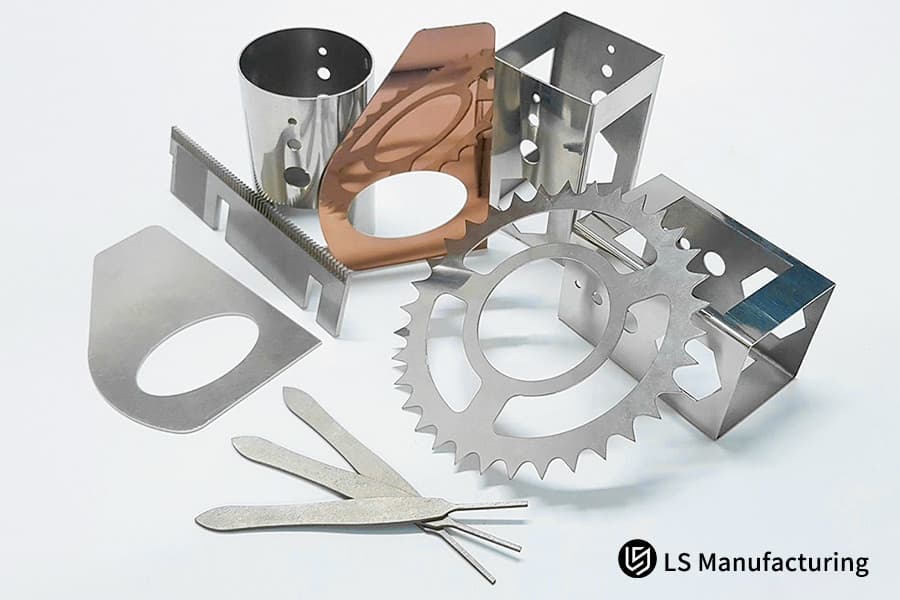
الشكل 1: يتم عرض أجزاء فولاذية مختلفة مقطوعة بالليزر بدقة على خلفية بيضاء.
كيف يمكن تنظيم مدخلات الحرارة المعالجة ديناميكيًا لتوفير خدمة قطع دقيقة بالليزر؟
إن التحكم في عرض المنطقة المتأثرة بالحرارة (HAZ) عند حافة الشق تحت الحد الصناعي البالغ 0.1 مم عن طريق ضبط تردد الليزر ودورة التشغيل وديناميكيات سائل الفوهة هو سر إزالة الانحرافات الحرارية تمامًا في القطع بالليزر، مما يؤدي إلى يمكن الاعتماد عليه حقًا href="https://www.lsrpf.com/blog/laser-cutting-tolerance-cmm-inspection-for-precision-component-manufacturing">خدمة القطع بالليزر الدقيقة.
محاكاة التشوه الحراري والتنبؤ بالفيزياء المتعددة
من خلال برنامج محاكاة الفيزياء المتعددة، يمكن لمهندسي LS Manufacturing توقع مستوى التشوه الحراري الناتج عن إطلاق الليزر عالي الطاقة على الأجزاء ذات الجدران الرقيقة، والتي يمكن أن يصل مصدر حرارة الليزر الخاص بها إلى درجة حرارة قصوى تزيد عن 1000 درجة مئوية. بالنسبة للمواد المختلفة مثل الفولاذ المقاوم للصدأ والفولاذ الكربوني، نعتمد أولاً على محترف. href="https://www.lsrpf.com/blog/precision-laser-cutting-for-spring-steel-custom-flat-spring-manufacturing">نظام التحكم الحراري للقطع بالليزر لمحاكاة نطاق انتشار HAZ والتحسين المسبق لنظام المعلمات لمعلمات القطع المختلفة مسبقًا.
ولهذا السبب، تعد عملية التحكم الحراري المتقدمة عامل تمكين رئيسي لتصنيع قطع القطع بالليزر عالية الجودة.
مسار العملية للتحكم الديناميكي في الحمل الحراري
- التخطيط الأمثل للاتصالات الدقيقة: تعمل التوصيلات الدقيقة على مستوى الميكرومتر على تأمين موضع الجزء، وبهذه الطريقة تمنع الإزاحة بسبب إطلاق الضغط الحراري أثناء القطع.
- مسار القطع المتداخل متعدد النقاط: يمنع مسار القطع المسطح الورقة المسطحة من الالتواء بسبب تركيز الحرارة الموضعي.
- نسبة النيتروجين الديناميكية: يتم ضبط معدل تدفق النيتروجين المساعد عالي الضغط والضغط في الوقت الفعلي بناءً على سمك الورقة، وهذا يزيل الحرارة بشكل فعال للغاية من منطقة القطع.
باختصار، هذا يشبه التبريد المستمر للجزء الذي يسخن بشكل مستمر وفي نفس الوقت تجنب جزء السطح الذي يصل إلى درجة حرارة عالية، ولهذا السبب، تقل احتمالية حدوث التشوه الحراري.

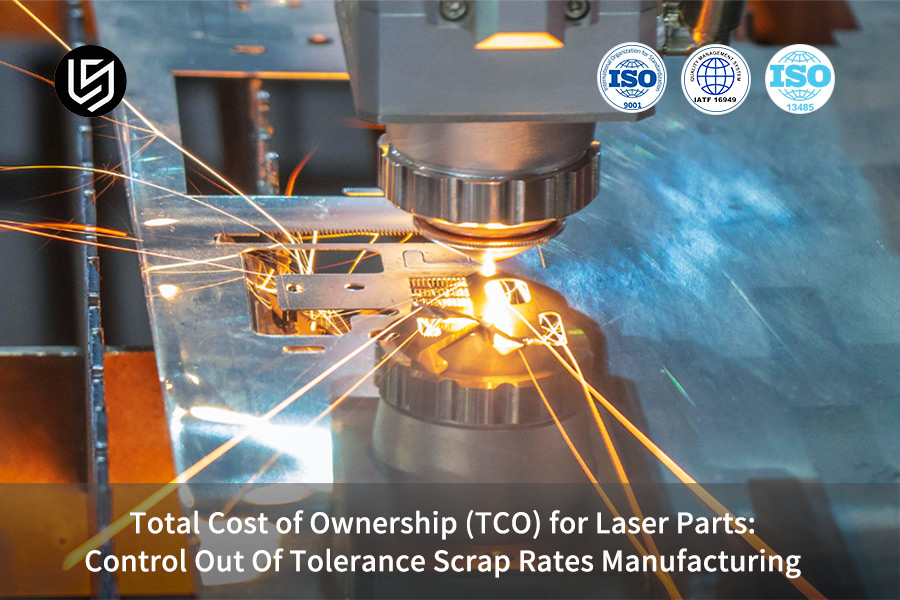
الشكل 2: آلة قطع بالليزر أثناء العمل، تقطع لوحة معدنية مع تطاير شرارات لامعة.
كيف تثبت مصفوفة المعلمات الفنية مقابل النفقات انخفاض قيمة خدمة القطع بالليزر الخاصة بنا؟
استخدام الصفات الغامضة لا يمكن أن يحدد الخبراء الحقيقيين. لا يمكن الكشف عن القيمة الحقيقية خدمة القطع بالليزر منخفضة الخردة إلا من خلال رقمنة ومطابقة المعلمات الفنية التي تسبب خسائر مالية على خط تسجيل النقد.
جدول المقارنة بين تكنولوجيا وتكلفة حلول المعالجة بالليزر
بمساعدة مقارنات المعلمات متعددة الأبعاد واتباع نظام قياسي لتدقيق جودة القطع بالليزر، نجد أن الحل عالي الدقة، على الرغم من تكلفته المرتفعة في البداية، إلا أنه تبين أنه اقتصادي للغاية عند الأخذ في الاعتبار تكلفة دورة الحياة بأكملها.
<الجسم> <تر> <تر> <تر> <تر> <تر> <تر> <تر>في الواقع، إذا قررت استخدام خدمة القطع بالليزر من LS Manufacturing التي تنتج خردة أقل، على الرغم من أن سعر الوحدة للوحدة الأولى قد يكون أعلى. صحيح أنه يمكن خفض السعر بنسبة 10%-15%، ولكن عندما يقوم العميل بحساب خسائر الخردة وإعادة العمل والتدهور التي تحدث في مرحلة التجميع، تنخفض التكلفة الإجمالية للعميل بنسبة 25% تقريبًا.
<اقتباس>يمكن أن توضح مقارنات المعلمات اختلافات التكلفة بين الحلول بوضوح. يمكنك تقديم بيانات المشتريات الحالية الخاصة بك، وسنحسب تخفيض التكلفة الإجمالية للملكية للدورة الكاملة مجانًا، مما يساعدك على الكشف عن التخفيضات المحتملة في التكلفة بناءً على معايير تحسين التكلفة الإجمالية للملكية لخدمة القطع بالليزر.
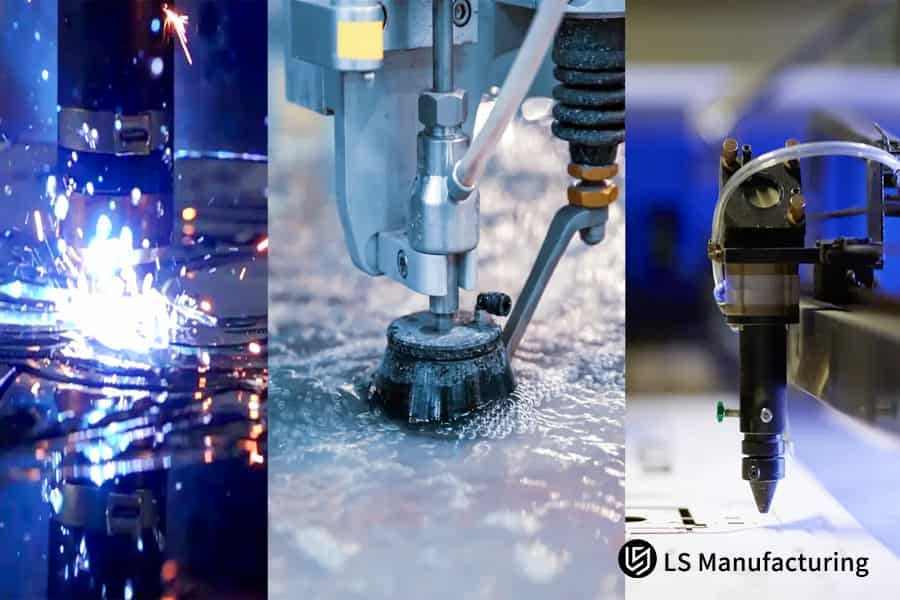
الشكل 3: يركز رأس القطع بالليزر على الصفائح المعدنية، مما يقلل من هدر المواد.
لماذا تعتبر التسوية الصارمة لضغط المواد الخام الواردة أمرًا بالغ الأهمية لتنفيذ عملية القطع بالليزر للتحكم في معدل الخردة؟
الحرارة المتولدة من الدرفلة على البارد لصفائح المواد الخام والتي تتسبب في توزيع الضغط المتبقي على الورقة هي مصدر للإطلاق المحلي للإجهاد المتبقي وتزييف الورقة عند القطع بالليزر. إنه العامل الخفي لانحرافات الإنتاج الضخم وهو العنصر الأساسي وهو الشرط الأساسي للتحكم في معدل الخردة في القطع بالليزر.
آلية الإجهاد المتبقي للانحراف
ليس هناك شك في أن الصفائح المخللة المدرفلة على البارد والمدرفلة على الساخن المستخدمة بشكل أساسي في التطبيقات المدنية والصناعية العامة تحتوي على ضغوط متبقية غير متساوية. إن الجمع بين الإجهاد الحراري الموضعي والإجهاد المتبقي الذي يؤدي إلى ثني المكون المنفصل عن المادة الأساسية للجزء عندما تكون نسبة العرض إلى الارتفاع طويلة وعريضة هو السبب المباشر لانحراف الأبعاد. معايرة المواد المقطوعة بالليزر وصولاً إلى المستوى الدقيق للغاية سوف تجعل من الممكن تجنب عيوب التشوه تلك.
كما أن عملية التحكم في الضغط هذه هي العملية الرئيسية في سلسلة الخطوات لضمان انتظام الإنتاج الضخم لمختلف مكونات القطع بالليزر المخصصة عالية الدقة.
البيانات المقاسة حول درجة الانحناء غير المستوية للأجزاء ذات نسب العرض إلى الارتفاع المختلفة
|
أبعاد المقارنة |
محطات معالجة الليزر القياسية في السوق |
شركة LS تقوم بتصنيع حلول صناعية عالية الدقة |
|
استقرار التسامح الأساسي |
±0.15 مم، لا يوجد التزام بتناسق الدفعة. |
تحكم ثابت في حدود ±0.05 مم، وإمكانية تتبع الدفعة الكاملة. |
|
Cpk في عملية الإنتاج الضخم |
لا يوجد تحكم SPC، بشكل عام أقل من 1.0 |
مستقر ≥1.33، أبعاد المفتاح تصل إلى 1.67 |
|
المنطقة المتأثرة بالحرارة (HAZ) |
التحكم ≥0.3 مم، أكسدة حافة كبيرة |
≥0.08 مم، لا توجد طبقة أكسيد كبيرة في عملية القطع على البارد |
|
ورقة عملية معالجة الإجهاد الداخلي |
لا يوجد علاج موحد، أخذ عينات عشوائية. |
تسوية الأسطوانة بدقة 100%، والتحقق من استواء الورقة. |
|
معدل الخردة الإجمالي عند نهاية خط التجميع |
2%-5% |
≥0.05% |
|
النتيجة النهائية للتكلفة الإجمالية للملكية |
تكاليف خفية مرتفعة، والنفقات الإجمالية تتجاوز التوقعات. |
انخفاض إجمالي التكلفة الإجمالية للملكية بنسبة 25% |
تأثيرات عملية التسوية الدقيقة للأسطوانة
- تخفيف ضغط الانحناء المتناوب: باستخدام مجموعات متعددة من البكرات، يتم ثني الصفائح المعدنية بشكل متكرر بطريقة متناوبة حتى يتم التخلص تمامًا من الضغط الداخلي المتبقي الناجم في الأصل عن التدحرج.
- التحقق من استواء الورقة تلو الأخرى: للتحقق من مستوى تسوية الورقة، يتم اختبار كل ورقة بعد التسوية لضمان الحفاظ على التسطيح الإجمالي في حدود 0.3 مم/م.
- التخزين المقاوم للغبار والصدأ: يتم تخزين الألواح المسوية في بيئة درجة حرارة ورطوبة ثابتة لتجنب التشوه الثانوي وأكسدة السطح.
باختصار، إنه نوع من "ضبط الهيكل العظمي" للصفائح المعدنية، والذي يتضمن تحرير الضغط الداخلي مسبقًا لمنع تشوه الورقة وتشويهها بعد إجراء عملية القطع.
كيف يؤدي تطبيق معايير تقييم Cpk إلى تأمين الاستقرار في تصنيع أجزاء القطع بالليزر؟
من خلال دمج التحكم الإحصائي في العملية الذي يركز على Cpk (مؤشر قدرة العملية)، يمكن الحفاظ على معدل رفض القطعة ضمن حدود ضيقة باستمرار فقط خلال دورات الإنتاج الكبيرة التي تتضمن عشرات الآلاف من القطع، وبالتالي ضمان استقرار الدفعة في تصنيع قطع القطع بالليزر.
نظام مراقبة بيانات العملية الكاملة SPC
من أجل الإنتاج المستمر لعشرات الآلاف من أجزاء الأجهزة المخصصة، نعتمد على أدوات القياس الرقمية ومحطات القياس الآلية لأخذ العينات الدورية. بعد ذلك، يتم إدخال البيانات في نظام SPC في الوقت الفعلي لحساب قيمة Cpk الفعلية ديناميكيًا. عند الوصول إلى تقلبات بيانات حد التحذير، يقوم النظام بإخطار المشغلين بتنفيذ تعديل العملية لمنع ظهور عيوب في الدُفعات وبالتالي الحفاظ على معايير ثبات دُفعات القطع بالليزر على أساس شامل.
هذا نظام الإدارة المعتمد على البيانات بالكامل للعملية الكاملة هو الطريقة الرئيسية المستخدمة للتحكم في معدل الخردة في القطع بالليزر.
قيمة Cpk المقابلة لجدول مقارنة احتمالية عدم التسامح للدفعة
|
نسبة العرض إلى الارتفاع للجزء |
الحد الأقصى لدرجة الانحناء غير المستوية |
الحد المقبول للصناعة |
|
3:1 |
0.4 ملم/م |
≥0.5 مم/م |
|
6:1 |
0.9 ملم/م |
≥0.5 مم/م |
|
8:1 |
1.5 ملم/م |
≥0.5 مم/م |
|
10:1 |
2.1 ملم/م |
≥0.5 مم/م |
Core Process Control Points for Cpk Improvement
- Laser Nozzle Coaxiality Calibration: The coaxiality deviation between the nozzle and the beam must be controlled within 0.01mm.
- Auxiliary Gas Purity Control: Use 99.999% high-purity nitrogen to avoid gas impurities that may affect the quality of the cutting surface.
- Servo Gap Micron-Level Adjustment: The servo motor feedback gap at the micron level should be controlled to ensure motion positioning accuracy.
Simply put, Cpk is like a "ranking" in the production process, the higher the score, the lower the probability of defective products and the more stable the quality of batch production.
<اقتباس>Stable process capability is the core guarantee for supply chain security. You can download our Cpk process white paper to gain a deeper understanding of the quality control logic in laser cutting parts manufacturing and assess the quality risks in your current supply chain.
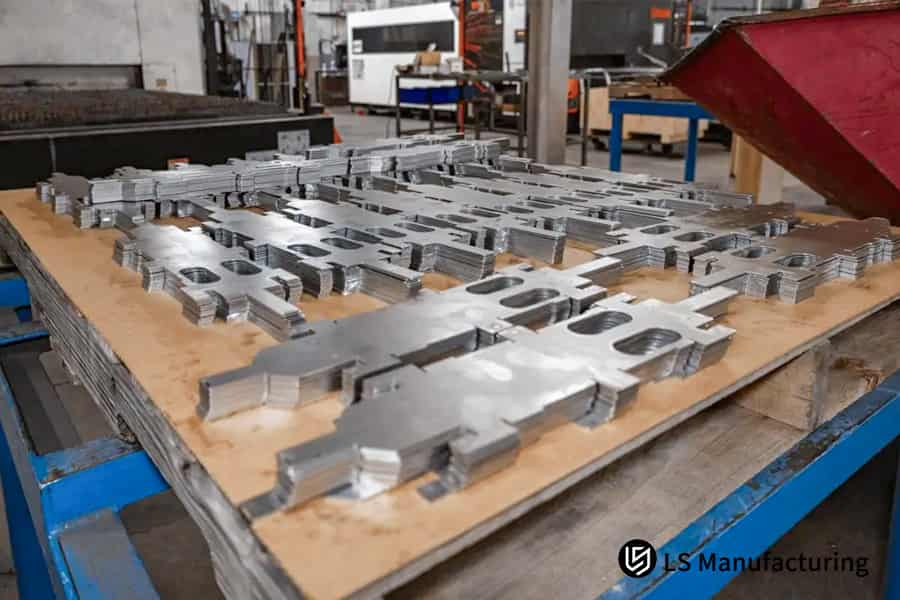
Figure 4: Stacks of laser cut metal parts on a pallet in an industrial facility.
How Do Advanced Nesting Algorithms Reduce Nesting Residual Stress To Keep Custom Laser Cut Components Precise?
Intelligent nesting is not just a matter of enhancing sheet material usage, the primary focus of this method is to minimize the consequences of nesting residual stress via thermal energy loading dispersion treatment. This guarantees the accurate processing result of custom laser cut components.
Thermal Distortion Risks Of Conventional Nesting
Standard nesting simply targets material utilization. At the same time, when parts are closely spaced, heat left over from the cutting of one piece will be directly transmitted to neighboring parts, leading to expansion of the material and dimensions of newly made parts deviating. In addition, deformation of the outer scrap will cause displacement of uncut semi-finished products, because of this increasing tolerances. Dedicated laser cutting thermal nesting algorithms still can effectively resolve this problem.
Using unsuitable nesting methods will drastically cut yield percentages to the point of making it impossible to have stable low-scratch laser cutting production standards.
Key Features of the Thermal Dispersion Nesting Algorithm:
- Cutting Trajectory Alteration: Laser beam hand-off to different parts of the sheet prevents single-spot continuous heating.
- Pre-stiffness Simulation: Determining the stiffness of the skeleton material helps avoid deformation that would cause the shift of semi-finished product.
- Uniform Heat Energy Input: Part laying-out is optimized by heat input uniformity, which in return, leads to heat input balancing and lowering total deformations.
In other words, this is like warming a cake evenly so that it is not burnt in certain spots and the center does not turn out sparse, in which way sheet deformation will be homogeneous.
Based on smart nesting algorithm innovation, one may readily get efficient and low-cost laser cutting service TCO optimization, so harmonizing quality and financial advantages.
Case Study: How Did LS Manufacturing Solve The High TCO Crisis For a Logistics Automation Brand?
One of the famous brands in the logistics automation equipment industry had a big problem when the parts of the chassis of shuttles that were out-of-tolerance were scrapped. We offered a full precision process solution that really worked and through these reduced-scrap laser cutting service, we demonstrated the real value of the solution by A lot reducing their total cost of ownership (TCO).
Customer Dilemma
The customer procured laser-cut chassis core components for the intelligent shuttle vehicle in high-strength steel HC420LA with the requirement that the tolerance was within ±0.06mm. Due to the lack of a mature laser cutting batch optimization solution, the original supplier was not able to control well thermal deformation, and SPC quality control was yet to be developed.
This led to a 4.2% scrap rate in the assembly line as the automatic precision bearing shaft holes often were misaligned causing the assembly line to go through repeated shutdowns and corrections. Based on the customer's calculation, other costs that are caused by a single batch of rework and line downtime are more than $12 000 which further leads to a 35% TCO overrun.
حل التصنيع LS
- Raw Material Pretreatment: The raw sheets of material are passed through a micron-level precision roller leveler that relieves stress and levels the sheets by 100%.
- Process Optimization: We have a self-developed heat load dispersion jump nesting algorithm that is used together with the 99.999% high-purity nitrogen cold cutting process.
- Process Control: We have installed digital display SPC workstations at the key control points for real-time monitoring and quality control of the dimensions.
النتائج والقيمة
After the project was implemented, the width of the heat-affected zone at the edge of parts is stably controlled within 0.08mm, and the real-time Cpk is stably maintained at 1.34, fully complying with the process requirements of the IATF 16949 system. The out-of-tolerance scrap rate of those customized core shuttle car components at the assembly line end which was 4.2% dropped to below 0.03% after three consecutive batches totaling over 15,000 pieces, the first-pass yield of assembly line bearings was 99.97%, totally eliminating the customer's secondary manual calibration cost.
In the end, the customer realized a system-level overall TCO reduction of 28% and also LS Manufacturing was recognized as a long-term strategic core supplier by this customer.
<اقتباس>This mature process solution can be reused for similar precision structural parts. You can send your part drawings to receive a customized quote, and we will tailor a cost-reduction and quality-improvement solution for you based on scrap rate control laser cutting standards, replicating the same quality benefits.

Why Does Strict Regular Optical Maintenance And Alignment Keep Laser Cutting Total Cost From Drifting?
The small thermal lensing or the slight changes in the beam coaxiality of the key optical elements of the laser lead directly to the differences in cutting tolerances in the afternoon versus the morning, and these are also one of the main reasons that indirectly raise the total cost of laser cutting.
The Indirect Cost Consequences of Tolerance Drift
Usually, small processing plants tend to change the lenses only after the parts are visibly deformed and heavily covered with slag. Unfortunately, by that time, hundreds or even thousands of out-of-tolerance scraps would have been delivered to the client. Such kinds of unnoticeable tolerance drifts at the initial piece sampling inspection are almost impossible to detect and typically only become apparent after mass production.
Actually, customers have to deal with rework and downtime losses. Standardized laser cutting optical calibration works as a preventive measure against this hidden threat.
Standardized Optical Maintenance Specifications
- Periodic Beam Inspection: After every 48 hours of continuous operation, employ a beam quality analyzer to examine the laser beam M2 factor and focal space distribution.
- Pre-Shift Coaxiality Verification: Carry out 100% verification of coaxiality and precision nozzle jet flow testing before starting the first shift.
- Regular Consumable Replacement: At fixed time intervals, change protective lenses and focusing lenses to ensure that optical performance degradation does not adversely impact accuracy.
In essence, a regular checkup of the laser equipment is like a "health maintenance plan" during which small problems can be spotted early and major malfunctions that lead to downtime and scrap can be avoided.
<اقتباس>Standardized equipment maintenance is the foundation for stable batch accuracy. You can contact our engineering team for a one-on-one consultation to learn about our end-to-end accuracy assurance solutions for custom laser cut components, tailored to your mass production needs.
Why Do Global Engineering Buyers Rely On Our Premium Laser Cutting Service For Long-Term Supply Stability?
In the field of mass production of industrial components, having a skilled manufacturing partner who understands how to convert engineering ideas into real assembly advantages and supply chain security is very important. The decision to select a dependable laser cutting service is crucial for securing supply stability over the long term.
Our complete set of engineering skills and an extensive quality system are the main factors why worldwide engineering purchasers keep us in mind as a long-term partner.
In Humen Dongguan LS Manufacturing continues to exploit its well established industrial support advantages to provide clients with prototyping and mass production solutions promptly. After getting familiar with IATF 16949 and ISO 9001 standards, we have set up a full-fledged quality management system. With the launch of a thorough laser cutting supply assurance system, we are in a position to offer our customers a complimentary DFM (Design for Manufacturing) feasibility evaluation while still at the prototyping phase.
Opting for us means that, besides metal parts, clients receive system-level quality assurance for automated production lines that operate with zero tolerance, zero delays, and zero rework, so completely eliminating supply chain quality risks.
الأسئلة الشائعة
Q1: How do you identify whether a laser cutting quote includes comprehensive TCO optimization?
One way of knowing if the laser cutting quote is truly optimized for the total cost of ownership (TCO) is that it not only mentions the base machine time charge but also explicitly lists the costs of material de-stress and leveling, the heat-affected zone control parameters, the ratio of full inspection sampling, and the Cpk stability guarantee covering all the lifecycle cost elements.
Q2: What physically parameters set the off-die scrap rate during continuous laser processing?
The key parameters include the M2 factor of the beam (controlled within 1.1), the nitrogen pressure of the nozzle (1.2-1.5MPa), and whether the width of the edge heat affected zone is strictly limited to below 0.1mm, which directly determines the level of scrap rate.
Q3: Will LS Manufacturing be able to achieve the tolerances on laser parts within plus or minus ±0.05 mm?
This relates to the quantity of high volume carbon steel orders.Yes, by importing high precision high power fiber laser machine and adopting dynamic kerf compensation algorithm and real time SPC monitor, we can keep the accuracy tolerance in tolerance control requirement of ±0.05mm for mass production.
Q4: Why does material thickness simultaneously affect the total cost and tolerance performance of laser cutting?
Beyond Really the thicker the sheet metal is, the bigger the laser power and gas consumption are, leading to a significant increase in heat input, more sophisticated jump-patterning algorithms must be used so that thermal distortion does not exceed tolerances, this way raising the costs of processing and control.
Q5: How does your low-scratching laser cutting service help clients avoid costly assembly line downtime?
We keep production tolerances very tight so that the parts that go to the customers' production lines can be assembled 100% smoothly without any problem. This way, there is no risk that the automated assembly lines will be stopped because of dimension errors.
Q6: What kind of certificates should a top-quality laser parts manufacturer for B2B have to show that they meet industrial standards?
At a minimum, they should be certified for ISO 9001 system. If they deliver specially tailored components to specific industries having high demands, then strictly following IATF 16949 or the appropriate industry Cpk process specifications is needed for production control.
Q7: How are micro-joints in high-tech nesting helpful in saving manufacturing costs while still ensuring the parts are highly precise?
Micro-joints arranged at micron level, if done properly, prevent the thin and small parts from being displaced and deflecting during cutting by the high-pressure gas blowing. So, this leads to very high precision and the parts won't warp or clash. This way, possibility of scrap is very low.
Q8: What is the minimum order quantity (MOQ) for a precision laser cutting service which leads to an explicitly optimized TCO?
When it comes to the high-precision orders which require thorough SPC management and complete stress relief, 500 pieces is the most economical production starting point we can recommend. This batch size offers excellent per-piece TCO cost savings. You can even upload your drawings directly to us to get the exact quote.
الملخص
Controlling the total cost of ownership (TCO) for laser-cut parts of large-volume remains a complex and long-term commitment to an efficient and integrated engineering system that identifies all causes of raw material stress, uses methods of thermal distortion reduction during operations and continuously monitors dynamic Cpk data throughout the whole process. Suppliers simply offering a low price and no technological and quality management skills, usually make parts with an internal 2%-5% scrap rate, ultimately causing great delays and losses to buyers in the supply chain.
You should not cover the high rework costs for parts out of tolerance at the assembly line level. LS Manufacturing is a very experienced Industrial manufacturer established in high-precision manufacturing region of China. The company has equipped itself with very high-power industrial fiber laser cutting clusters and a full set of precision roller stress-relieving and leveling equipment. The entire industrial customization project team of LS Manufacturing is entirely capable of compromising between low scrapping rate and high Cpk stability and process capability, so providing with system-level TCO locked from the source.
We would be glad if you can contact our expert team immediately and send your 2D/3D CAD drawings (supporting STEP/DXF formats) to our official email address. Within 24 hours, we shall return a professional and in-depth technical quotation to you with process feasibility analysis and thermal deformation prevention strategies that will help you embark on a real cost-lean transformation.
📞Tel: +86 185 6675 9667
📧Email: info@lsrpf.com
🌐Website: https://lsrpf.com/
إخلاء المسؤولية
The contents of this page are for informational purposes only. LS Manufacturing services There are no representations or warranties, express or implied, as to the accuracy, completeness or validity of the information. لا ينبغي استنتاج أن المورد أو الشركة المصنعة التابعة لجهة خارجية ستوفر معلمات الأداء والتفاوتات الهندسية وخصائص التصميم المحددة وجودة المواد ونوعها أو التصنيع من خلال شبكة تصنيع LS. It's the buyer's responsibility. Require parts quotation Identify specific requirements for these sections.Please contact us for more information.
فريق تصنيع LS
LS Manufacturing هي شركة رائدة في الصناعة. التركيز على حلول التصنيع المخصصة. We have over 20 years of experience with over 5,000 customers, and we focus on high precision CNC machining, Sheet metal manufacturing, 3D printing, Injection molding. Metal stamping,and other one-stop manufacturing services.
Our factory is equipped with over 100 state-of-the-art 5-axis machining centers, ISO 9001:2015 certified. نحن نقدم حلول تصنيع سريعة وفعالة وعالية الجودة للعملاء في أكثر من 150 دولة حول العالم. سواء كان الإنتاج صغير الحجم أو التخصيص واسع النطاق، يمكننا تلبية احتياجاتك من خلال أسرع تسليم خلال 24 ساعة. اختر تصنيع LS. This means selection efficiency, quality and professionalism.
To learn more, visit our website:www.lsrpf.com.


|
قيمة Cpk |
عدد الكميات غير المسموح بها لكل مليون وحدة |
مستوى استقرار الإنتاج الضخم |
|
1.0 |
2700 وحدة |
مقبول أساسي |
|
1.33 |
63 وحدة |
المستوى الثابت |
|
1.67 |
0.6 وحدة |
مستوى ممتاز |
|
2.0 |
0.002 وحدة |
المستوى النهائي |