Deutsch



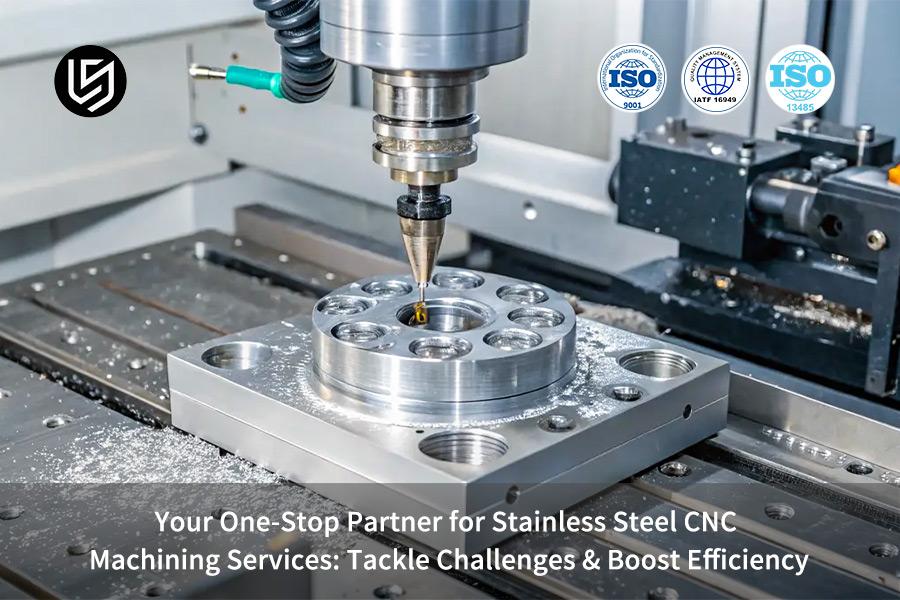
Die CNC-Bearbeitung von Edelstahl kann zu unvorhergesehenen Kosten durch Verzögerungen und Werkzeugausfälle führen, da viele Betriebe fälschlicherweise die Parameter für Kohlenstoffstahl auf zähflüssige, wärmeempfindliche Edelstahllegierungen anwenden. LS Manufacturing vermeidet solche Verschwendung durch den Einsatz eines speziell für jedes Material entwickelten Bearbeitungssystems. Dabei werden die Eigenschaften der Kaltverfestigung und des thermischen Verzugs proaktiv berücksichtigt, um termingerechte Fertigstellung und Kosteneffizienz zu gewährleisten.
Wir garantieren Leistung, nicht nur Toleranzen. Unser gesamter Entwicklungsprozess basiert auf evidenzbasierten Lösungen, wie z. B. speziell entwickelten Parametern für 17-4 PH H1150 (Vc = 120 m/min, fz = 0,08 mm/Zahn) und kryogener Bearbeitung mit prozessbegleitender Kompensation zur Spannungssteuerung. So erzielen wir Ergebnisse wie die Verbesserung der Planheit von 0,2 mm auf unter 0,05 mm und gewährleisten Korrosionsbeständigkeit sowie eine perfekte Montage.
CNC-Bearbeitung von Edelstahl: Wichtige Überlegungen
| Kritischer Faktor | Unsere Fertigungsstrategie |
| Kaltverfestigung und Werkzeugverschleiß | Es ist bekannt, dass CNC-Bearbeitungsteile aus Edelstahl unter Schnittkräften schnell aushärten; wir verwenden spezielle Geometrien, die immer scharf sind, starre Aufspannsysteme und konstante Vorschubgeschwindigkeiten, um Hitze und Verschleiß entgegenzuwirken. |
| Spänekontrolle und -abfuhr | Beim Zerspanen können faserige Späne die Oberfläche eines Werkstücks erneut beschädigen; wir verwenden Hochdruckkühlsysteme und Spanbrecher, um eine effiziente Spanabfuhr zu gewährleisten. |
| Thermische Verformungskontrolle | Thermische Spannungen können bei der Bearbeitung dünner Bauteile zu Verformungen führen; wir verwenden daher ausbalancierte Schruppsysteme, um wärmebedingten Verformungen entgegenzuwirken. |
| Oberflächenbeschaffenheit | Edelstahlteile erfordern eine präzise Oberflächenbearbeitung, um den Spezifikationen zu entsprechen; wir vermeiden Aufbauschneiden durch geeignete Schnittgeschwindigkeiten/Vorschübe, Beschichtungen und manchmal spezielle Nachbearbeitungsverfahren. |
| Materialgüteauswahl | Wir helfen Ihnen bei der Auswahl der passenden Edelstahlsorte : 303 (automatisch bearbeitbar), 304/316 (korrosionsbeständig) oder 17-4 PH (ausscheidungshärtend). |
| Unser prozessoptimierter Ansatz | Wir verwenden Maschinen mit hohem Drehmoment und hoher Steifigkeit , die für den Einsatz mit Kühlmittel-Durchlauf-Werkzeugsystemen ausgelegt sind und für die Bearbeitung aller Edelstahlsorten optimiert wurden. |
| Ergebnis: Dimensionsstabilität | Liefert Teile, die präzise Abmessungen aufweisen und eine genaue geometrische Integrität besitzen, ohne dass es durch Spannung/Hitze zu Verformungen kommt. |
| Ergebnis: Korrosions- und Verschleißbeständigkeit | Um zu gewährleisten, dass das bearbeitete Werkstück die in den Materialspezifikationen festgelegte Korrosions- und Verschleißbeständigkeit vollständig aufweist. |
Wir unterstützen Sie bei der Bewältigung der besonderen Herausforderungen der CNC-Bearbeitung von Edelstahl, wie z. B. Kaltverfestigung, Wärmekontrolle und die Erzielung hochwertiger Oberflächen . Dank unserer Expertise erhalten Sie formstabile, korrosionsbeständige Bearbeitungsteile, die präzise Spezifikationen für anspruchsvolle Anwendungen in Branchen wie der Medizin und der Lebensmittelverarbeitung erfüllen.
Warum Sie diesem Leitfaden vertrauen sollten? Praktische Erfahrungen von LS Manufacturing-Experten
Viele bezeichnen sich als Spezialisten für die Bearbeitung von Edelstahl , doch nur wer Erfahrung hat, kann wirklich von sich behaupten, das Handwerk zu beherrschen. Wir haben die Herausforderungen bei der Bearbeitung der Edelstahllegierungen 304 und 17-4PH, wie deren zähflüssige Konsistenz, Hitzeempfindlichkeit und Kaltverfestigung, gemeistert. Mit diesem praktischen Know-how haben wir einen Komplettservice entwickelt, der Ihr Projekt vor typischen Problemen wie Verzögerungen und Kostenüberschreitungen schützt.
Wir beheben zentrale Ineffizienzen durch einen strukturierten Ansatz mit spezifischen Schnittparametern, strategischen Kühltechniken und prozessbegleitender Kompensation. Diese Methodik, die strengen Branchenrichtlinien wie denen von SAE International entspricht, ermöglicht es uns, thermische Verformungen und Werkzeugverschleiß zu kontrollieren. Das Ergebnis ist ein planbarer Prozess, optimale Oberflächenqualität und eine deutliche Steigerung Ihrer Gesamteffizienz.
Die Zusammenarbeit mit uns bedeutet die Zusammenarbeit mit einem Ingenieurteam, das den gesamten Prozess – vom Material bis zur Leistung – kontrolliert. Wir nutzen präzise und bewährte Verfahren, wie sie beispielsweise von der Aluminium Association (AAC) definiert werden, um sicherzustellen, dass jedes Gewinde und jede Toleranz auf maximale Zuverlässigkeit ausgelegt ist. Dank dieser präzisen Kontrolle fertigen wir nicht einfach nur Bauteile, sondern schaffen Sicherheit. Ihre Herausforderungen im Bereich Edelstahl werden so zu Ihren Stärken.
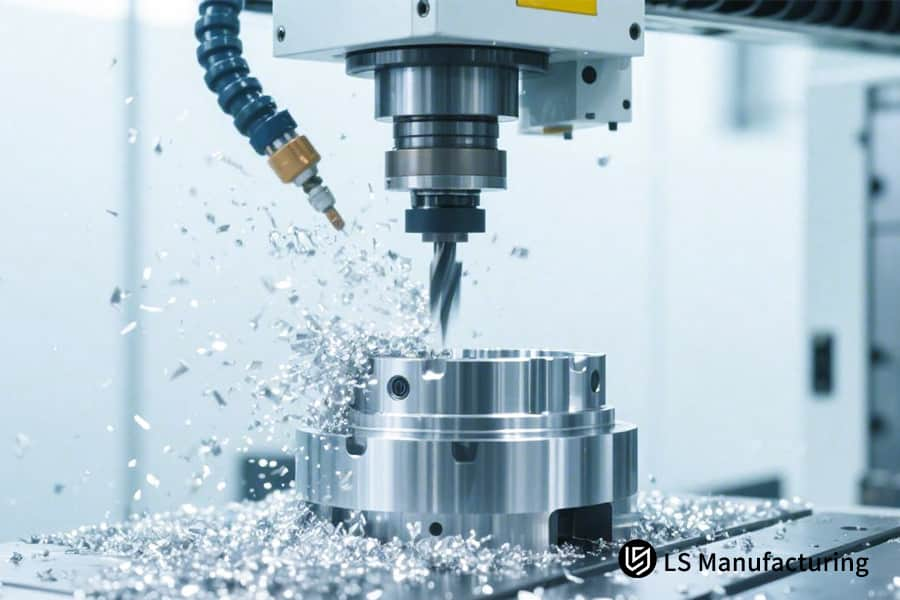
Abbildung 1: Effiziente Bearbeitung hochpräziser zylindrischer Edelstahlkomponenten für kundenspezifische industrielle Fertigungsdienstleistungen.
Wie lassen sich die Abtragsraten durch optimierte CNC-Bearbeitungsstrategien für Edelstahl maximieren?
Um eine hocheffiziente CNC-Bearbeitung von Edelstahl zu erreichen, ist ein Paradigmenwechsel erforderlich: von der bloßen Erhöhung der Bearbeitungsgeschwindigkeit hin zum intelligenten Management von Bearbeitungslast und Wärme. Aggressives Abtragen von Material wird häufig durch hohe Wärmeentwicklung, Verschleiß und Verformung verhindert. Wir schlagen eine systematische Optimierung der Schruppstrategie vor, die Schnittkraft und Wärmeabfuhr in Einklang bringt.
Hochdruckkühlung mit trochoidalem Fräsen
Wir verwenden Kühlmittelsysteme mit über 70 bar und trochoidale Werkzeugwege. Dadurch können wir einen kleinen radialen Schnitt ausführen und anschließend axial die volle Schnitttiefe erreichen. Wir setzen Hochdruckkühlmittel ein, die die Schnittzone erreichen, um Späne zu zerkleinern, sofort abzukühlen und Nachschnitte zu verhindern. Dieses Verfahren vermeidet Kaltverfestigung und damit verbundene thermische Spannungen. So können wir Vorschubgeschwindigkeit und Werkzeugstandzeit um über 30 % steigern. Dies ist das Prinzip unserer zuverlässigen CNC-Bearbeitung von Edelstahl .
Zonale Parameterzuordnung basierend auf der Teilegeometrie
Die Bearbeitung komplexer Bauteile kann zu Vibrationen an Schwachstellen und ungenutztem Potenzial an stabilen Stellen führen. Unser CAM-Programmiersystem ermöglicht die Zonierung eines Bauteils. So können wir die Parameter an den stabilen Stellen eines Bauteils optimieren und eine hocheffiziente CNC-Bearbeitung erzielen. Zusätzlich können wir durch unser System Vorschubgeschwindigkeiten und Schnittgeschwindigkeiten an Schwachstellen minimieren, um Rattern zu vermeiden. Dies gewährleistet Stabilität im CNC-Bearbeitungsprozess .
Dynamische Vorschubregelung für gleichmäßige Beladung
Zu den Hauptursachen für Werkzeugversagen zählt die plötzliche Laständerung beim Werkzeugeingriff und beim Kurvenfahren. Unser System verwendet materialspezifische Kraftmodelle zur dynamischen Anpassung der Spanabfuhr. Durch diese intelligente Steuerung lässt sich eine konstante Spanlast gewährleisten. Dadurch werden Stoßbelastungen, die zu Werkzeugversagen durch Ausbrechen und Vibrationen führen können, vermieden. Somit ist die CNC-Bearbeitung von Hartmetallen wie 316L mit hohen Bearbeitungsgeschwindigkeiten möglich.
Dieses Fachwissen spiegelt die Tiefe unserer Ingenieurskompetenz wider, nicht die allgemeine Leistungsfähigkeit. Dank dieses Wissensstandes können wir eine Effizienzsteigerung von 25–40 % für jeden Bearbeitungsprozess von 316L durch Optimierung der Werkzeugwegstrategie für Schruppbearbeitungen garantieren. Dieser systematische Ansatz zur Optimierung der Schruppstrategie unterscheidet uns von anderen und macht die Bearbeitung von Edelstahl zu einer kosteneffizienten Lösung.

Wie können professionelle CNC-Bearbeitungsdienstleistungen für Edelstahl die Werkzeugstandzeit mehr als verdoppeln?
Einer der Hauptgründe für Kosten und Ungenauigkeiten bei der Edelstahlbearbeitung ist der unvorhersehbare Werkzeugverschleiß. Es reicht jedoch nicht aus, nur die besten verfügbaren Werkzeuge einzusetzen. Um die Werkzeugstandzeit dauerhaft zu verlängern, ist ein systematischer Ansatz erforderlich, der eine präzise Abstimmung der Werkzeuge auf das Verhalten des jeweiligen CNC-Bearbeitungsmaterials gewährleistet. Dadurch wird der unvorhersehbare Werkzeugverschleiß minimiert und die Werkzeuge werden zu einem optimierten Werkzeugeinsatzmittel.
Anwendung materialspezifischer Werkzeugtechnologie
- Auswahl fortschrittlicher Beschichtungen: Nutzung spezieller Werkzeuge für die Edelstahlverarbeitung , die AlCrN- und TiAlN- Beschichtungen zur Reduzierung von Haftungs- und Wärmeproblemen beinhalten.
- Optimierte Werkzeuggeometrie: Nutzung von Werkzeugen für die Bearbeitung von Edelstahlwerkstoffen, die einen verstärkten Kern und polierte Spannuten für eine verbesserte Spanabfuhr und Werkzeugschneide bei der CNC-Bearbeitung von Edelstahlteilen aufweisen.
Implementierung validierter, datengestützter Schnittparameter
- Materialspezifische Parametersätze: Verwendung vorhandener Schnittparametersätze, die für bestimmte Materialien validiert wurden, z. B. 17-4 PH H900: Vc = 100 m/min; fz = 0,05 mm für optimale Schnittbedingungen und Minimierung der Spannung.
- Fokus auf Prozessstabilität: Die Prozessparametrisierung zielt darauf ab, Wärmestau und Werkzeugausfall durch Überbeanspruchung zu vermeiden, da diese Hauptursachen für Werkzeugversagen darstellen. Wir gewährleisten somit optimierte CNC-Bearbeitungsdienstleistungen .
Durchsetzung eines proaktiven Werkzeugmanagementprotokolls
- Strategie des vorbeugenden Werkzeugwechsels: Werkzeuge werden anhand der Spindelbelastung und der für die Bearbeitung aufgewendeten Zeit ausgetauscht, anstatt auf einen Werkzeugausfall zu warten. Dadurch werden die Werkstücke geschont.
- Gleichbleibende Produktionsqualität garantiert: Dies erreichen wir durch die Sicherstellung der Qualität der Werkstücke und der Konstanz in der Produktion für unsere hochvolumigen Präzisions-CNC-Bearbeitungsdienstleistungen .
Dieses Rahmenwerk bietet einen Überblick über einen strukturierten Ansatz in der Ingenieurwissenschaft. Durch den Einsatz von speziell entwickelten Werkzeugen und Technologien in Verbindung mit empirischen Daten und Managementstrategien können wir die Werkzeugstandzeit um 50–100 % verlängern. Ein strukturierter Ansatz zur Werkzeugstandzeitverlängerung ist integraler Bestandteil unseres wertorientierten Ansatzes bei CNC-Bearbeitungsdienstleistungen .
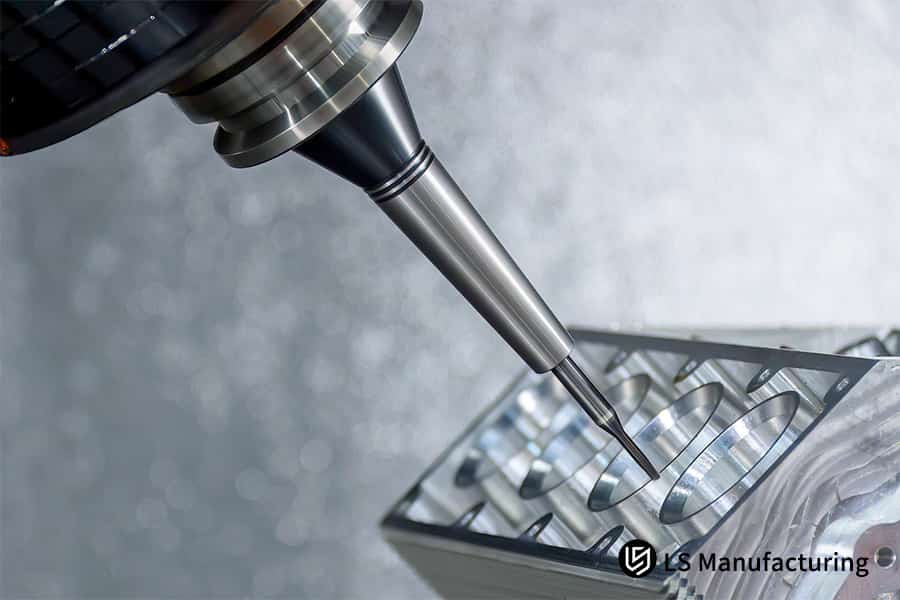
Abbildung 2: Präzisions-CNC-Bearbeitungsdienste für hochpräzise Edelstahlbearbeitung für die Herstellung von Industriemaschinen und -anlagen.
Wie kontrollieren CNC-Bearbeitungsdienstleistungen für Präzisions-Edelstahl die Bauteilverformung und gewährleisten die Dimensionsstabilität?
Um bei komplexen Edelstahlbauteilen eine Genauigkeit im Mikrometerbereich zu erreichen, verfolgen wir einen zukunftsorientierten Ansatz, um inneren Spannungen und Verformungen während der Bearbeitung entgegenzuwirken. Die folgende Methodik beschreibt unseren Ansatz zur systematischen Kontrolle des gesamten Fertigungslebenszyklus hinsichtlich der Maßhaltigkeit:
Vorverarbeitungs-Spannungssimulation und Pfadoptimierung
Die Finite-Elemente-Analyse (FEA) simuliert die Spannungsverteilung während des Materialabtrags. Dieses virtuelle Prototyping unterstützt uns bei der Entwicklung optimaler Werkzeugwegstrategien, wie z. B. symmetrischer und ausgeglichener CNC-Fräsbearbeitungen , und reduziert so die latenten Spannungsungleichgewichte. Bei einem großen, dünnwandigen Behälter konnte durch diese präventive Simulation die Rückfederung nach der Bearbeitung um über 40 % verringert werden. Dadurch wurde eine stabile Grundlage für alle nachfolgenden Präzisionsbearbeitungsschritte von Edelstahl mittels CNC geschaffen.
Mehrstufige Bearbeitung mit strategischer Spannungsentlastung
Die Bearbeitungssequenz bei mehrstufigen Bearbeitungsverfahren umfasst eine Reihe von Schritten: Schruppbearbeitung per CNC , Spannungsarmglühen (z. B. durch Vibrationsalterung), Vorschlichten, natürliche Alterung und abschließendes Schlichten . Durch diese gestaffelte Abfolge der Bearbeitungsvorgänge werden die inneren Spannungen kontrolliert abgebaut, wodurch Verformungen der Bauteile vermieden werden. Dieses Verfahren ist unerlässlich für die Verformungskontrolle von Edelstahlbauteilen wie langen Trägern, da es eine Geradheit innerhalb von ±0,05 mm gewährleistet.
Prozessintegrierte Messtechnik und adaptive Kompensation
Vor der Endbearbeitung werden die kritischen Merkmale mithilfe eines maschinenintegrierten Messtasters vermessen. Anschließend erfolgt ein Vergleich mit dem CAD-Modell, und ein kompensierter Werkzeugweg wird automatisch generiert. Dies ist eine geschlossene Regelung der prozessbegleitenden Messung und Kompensation . Bis zu 70 % des vorhergesagten Fehlers können korrigiert werden, wodurch enge Ebenheits- und Positionstoleranzen für große Vorrichtungen beim CNC-Drehen der letzten Bearbeitungsgänge erreicht werden können.
Diese dreistufige Methodik ist ein strukturierter Ansatz, der über die konventionelle Bearbeitung hinausgeht. Sie ermöglicht die direkte Steuerung des gesamten Spannungs-Verformungs-Zyklus. Kunden profitieren von der erfolgreichen Fertigung kritischer Bauteile direkt beim ersten Durchgang. Dies ist ein direktes Ergebnis unseres umfassenden Prozesswissens. Genau das ist der entscheidende Wettbewerbsvorteil für Anwendungen, bei denen Nennmaße nicht ausreichen und garantierte Genauigkeit unerlässlich ist.
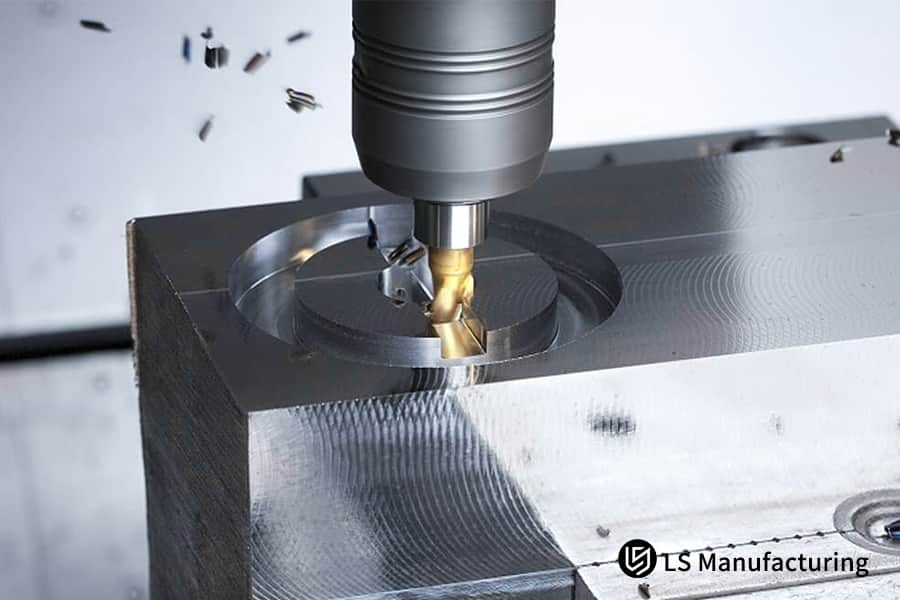
Abbildung 3: Zuschnitt von hochpräzisen Edelstahlteilen mittels CNC-Bearbeitung für industrielle Fertigungsdienstleistungen.
Wie gehen Komplettanbieter für CNC-Bearbeitung auf die besonderen Bearbeitbarkeitsanforderungen verschiedener Edelstahllegierungen ein?
Die effektive CNC-Bearbeitung von Edelstahllegierungen erfordert spezifische Strategien, die auf den metallurgischen Eigenschaften des jeweiligen Materials basieren. Dieses Dokument enthält eine Liste grundlegender materialspezifischer Bearbeitungsparameter und -techniken für die effiziente Bearbeitung gängiger Edelstahlsorten. Es dient als unverzichtbarer technischer Leitfaden zur Minimierung von Bearbeitungsrisiken und zur Sicherstellung zuverlässiger Ergebnisse bei der Präzisions-CNC- Bearbeitung.
| Legierungstyp / Gängige Güteklassen | Wichtigste Herausforderung bei der Bearbeitbarkeit | Primäre Gegenmaßnahme bei der CNC-Bearbeitung | Typische Parameteranpassung (Beispiel) | Wichtige Überlegungen zur Werkzeugauswahl |
| Austenitisch (z. B. 304, 316) | Hohe Kaltverfestigung und klebrige Späne, die zu einer Kantenbildung führen. | Verwenden Sie Hochdruckkühlmittel und scharfe Werkzeuge mit positivem Spanwinkel, um lange Späne zu brechen. | Um vor der kaltverfestigten Schicht abzuschneiden, sollten höhere Vorschubgeschwindigkeiten ( >0,15 mm/U ) verwendet werden. | Unbeschichtetes oder TiN-beschichtetes Hartmetall mit polierten Schneiden. |
| Martensitische und Ausscheidungshärtung (z. B. 440 °C, pH 17-4) | Hohe Härte und Abrasivität führen zu Werkzeugverschleiß. | Systemsteifigkeit und Verwendung niedriger Drehzahlen bei mittleren Vorschüben. | Um Werkzeugverschleiß und Wärmeentwicklung zu minimieren, sollte die CNC-Bearbeitungsgeschwindigkeit verringert werden (z. B. 60 bis 90 m/min für geglühtes 17-4 PH ). | Starre Werkzeuge (z. B. hydraulische Werkzeuge) und verschleißfeste Werkzeuge (z. B. CBN-Werkzeuge ) für gehärtete Werkstoffe. |
| Doppelanschluss (z. B. 2205) | Hohe Festigkeit und Zähigkeit führen zu hohen Schnittkräften. | Die Faktoren müssen so aufeinander abgestimmt werden, dass die hohen Schnittkräfte bewältigt werden können, ohne dass übermäßige Wärme entsteht und dadurch die Mikrostruktur des Metalls verändert wird. | Mittlere Schnittgeschwindigkeit bei reduzierter Schnitttiefe zur effektiven Steuerung der mechanischen Kräfte. | Starre Werkzeuge mit guter Geometrie und Warmhärte (z. B. AlCrN ). |
Die Differenzierung des Bearbeitungsprozesses in Bezug auf Legierungen ist von entscheidender Bedeutung für die Vorhersagbarkeit der Werkzeuge, die Kostenkontrolle und die Qualität. Unsere technische Expertise in der CNC-Bearbeitung verschiedener Legierungen ermöglicht es unseren Kunden, die Vorteile validierter Bearbeitungsprotokolle für ihre Projekte zu nutzen und so Versuch und Irrtum zu vermeiden. Dank unserer Expertise im Bereich CNC-Bearbeitungsdienstleistungen erzielen wir Qualität und Effizienz in anspruchsvollen Projekten. Dieses Dokument dient daher als maßgebliche Richtlinie für wettbewerbsfähige , fortschrittliche CNC- Bearbeitungsszenarien.
Wie gewährleistet die Systemzertifizierung durchgängige Qualität und Rückverfolgbarkeit bei CNC-Bearbeitungsdienstleistungen?
In geschäftskritischen Branchen ist die Zuverlässigkeit von Komponenten unbestritten und wird durch ein zertifiziertes, prozessbasiertes System gewährleistet. Dieses Dokument beschreibt, wie ein leistungsstarkes Qualitätssicherungssystem für CNC-Bearbeitungsdienstleistungen über die bloße Einhaltung von Vorschriften hinausgeht und Risiken effektiv managen, die vollständige Rückverfolgbarkeit der Materialien sicherstellen und auditierbare Kontrollnachweise erbringen kann. Die verwendete Methodik wird in den folgenden Abschnitten detailliert erläutert:
Grundlagenzertifizierung: Der Rahmen für die Kontrolle
- Obligatorische Ausgangslage: Die Implementierung der Norm ISO 9001 schafft die für die gesamte Präzisions-CNC-Bearbeitung notwendige Prozessdisziplin und den Verbesserungsprozess.
- Branchenspezifische Strenge: Die Einhaltung der ISO 13485 für die medizinische Bearbeitung erfordert strenge Konstruktionskontrollen, Prozessvalidierung und Risikomanagementaktivitäten, die die Einreichungen der Kunden direkt unterstützen.
Sicherstellung lückenloser Material- und Prozessrückverfolgbarkeit
- Produktkette: Herstellung einer direkten Verbindung zwischen jeder Charge fertiger Teile und dem ursprünglichen Werksprüfzeugnis (MTC) für die verwendete Rohmateriallegierung.
- Prozessdokumentation: Erfassung von Werkzeugverschleiß, Inspektionsergebnissen und Maschinenparametern für jeden Auftrag, um eine präzise historische Analyse und Verantwortlichkeit zu ermöglichen.
Kontrollierte Nachbearbeitung zur Leistungsoptimierung
- Validierte Reinigung: Durchführung von Reinigungsarbeiten mit Reinigungsverfahren, die für die branchenüblichen Reinheitsstandards qualifiziert sind (z. B. Luft- und Raumfahrt, medizinische Komponenten ).
- Verifizierte Passivierung: Durchführung und Überprüfung von Passivierungsverfahren mit Salpeter- oder Zitronensäure, um die optimale Chromoxidschicht für Korrosionsbeständigkeit gemäß ASTM A967 sicherzustellen.
Diese strukturierte Methodik führt zu nachweisbaren Maßnahmen und bietet unseren Kunden eine fundierte technische Position im Falle von Audits. Unser integriertes Qualitätssicherungssystem für CNC-Bearbeitung hilft Kunden, Risiken in der Lieferkette zu vermeiden, indem es die vollständige Dokumentation und Rückverfolgbarkeit jedes CNC-bearbeiteten Bauteils gewährleistet. Es bietet Kunden die für eine wettbewerbsfähige Qualitätsfertigung notwendige, nachweisbasierte Konformität und Bauteilkonsistenz und bildet die Grundlage unserer technischen Partnerschaft im Bereich der CNC-Bearbeitung für qualitätskritische Anwendungen.
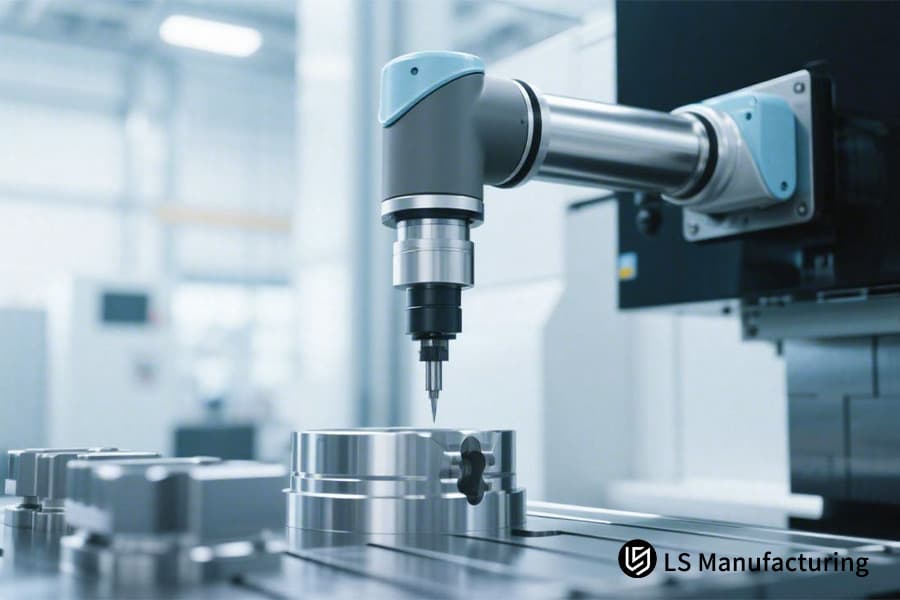
Abbildung 4: Betrieb einer hocheffizienten CNC-Maschine zur Herstellung kundenspezifischer Edelstahlbauteile in industriellen Präzisionsanwendungen.
LS Manufacturing: Hocheffizientes Präzisionsprojekt für große Edelstahl-Mischtanks
Diese Fallstudie zeigt, wie LS Manufacturing einem renommierten Hersteller von Lebensmittelmaschinen, der dringend kritische Fertigungslösungen benötigte, eine umfassende Komplettlösung bieten konnte. Wir lösten das Hauptproblem der Bearbeitung großer Edelstahlbehälter durch den Einsatz integrierter , fortschrittlicher CNC-Bearbeitungs- und Oberflächenbearbeitungstechniken. Die Projektbeschreibung folgt:
Herausforderung für den Kunden
Der Kunde benötigte für seine Anwendung mehrere große und komplexe Mischbehälter aus Edelstahl 316L mit Innenrippen und Düsen. Der vorherige Lieferant konnte die kritische Oberflächenrauheit von Ra < 0,8 μm , die aus hygienischen Gründen erforderlich ist, nicht konstant gewährleisten. Zudem führten die geringe Effizienz der CNC-Bearbeitung und hohe Verzugserscheinungen nach dem Schweißen zu längeren Lieferzeiten.
LS Fertigungslösung
Unser integrierter Bearbeitungsservice begann mit einer kinetischen Simulation zur Optimierung des Werkzeugwegs. Für das Innenvolumen wurde ein hocheffizientes Fräsverfahren angewendet. Hochdruckkühlung (120 bar) dient der Temperatur- und Späneabfuhr. Für die kritischen hygienischen Oberflächen wurde ein Feinbearbeitungs-Werkzeugweg programmiert. Alle Schweißnahtvorbereitungen erfolgten mit präziser 5-Achs-CNC-Bearbeitung . Abschließend wurden automatisiertes Elektropolieren und Passivieren durchgeführt, um eine makellose Oberfläche zu gewährleisten.
Ergebnisse und Wert
Zu den Projektergebnissen zählte eine 30% ige Steigerung der Bearbeitungseffizienz. Darüber hinaus ist die Oberflächenqualität im Innenbereich nun deutlich besser als zuvor und liegt bei Ra 0,6 μm . Der Verzug des Bauteils nach dem Schweißen konnte um 50 % reduziert werden. Dies gewährleistet eine montagegerechte Montage beim ersten Mal. Dank der messbaren Ergebnisse konnte der Kunde die erforderlichen Branchenzertifizierungen erlangen. LS Manufacturing hat sich als strategischer Komplettanbieter für diese wichtigen Bauteile etabliert.
Dieser Fall aus der Lebensmittelmaschinenbranche von LS Manufacturing verdeutlicht die erheblichen Vorteile einer optimalen Abstimmung von Prozessentwicklung und -ausführung. Durch die Bereitstellung eines umfassenden CNC-Services, der messbare Verbesserungen in Qualität, Geschwindigkeit und Zuverlässigkeit ermöglichte, konnten wir einen zentralen Produktionsengpass beseitigen. Unser Ansatz ist unerlässlich für Unternehmen, die mit kritischen, komplexen Prozessen konfrontiert sind, bei denen technische Präzision ein Schlüsselfaktor für den wirtschaftlichen Erfolg ist.

Wie integrieren kundenspezifische CNC-Bearbeitungsdienstleistungen für Edelstahl die Lieferkette, um eine schnelle Lieferung zu erreichen?
Um kundenspezifische CNC-Bearbeitungslösungen für Edelstahl zeitnah zu liefern, benötigen Unternehmen mehr als nur hohe Spindeldrehzahlen; sie müssen ein grundlegend integriertes Fertigungssystem anbieten. Dieses Dokument veranschaulicht, wie eine effektive Integration der Lieferkette einzelne Bearbeitungsvorgänge in ein nahtloses System mit gesteigerter Produktivität überführt. Die folgende Analyse identifiziert die wichtigsten operativen Strategien, die schnelle Bearbeitungszeiten und eine regelmäßige Terminoptimierung ermöglichen:
| Integrationsstrategie | Kernaktion | Direkter Nutzen & messbares Ergebnis |
| Strategisches Rohstofflager | Wir haben Standard-Edelstahllegierungen (z. B. 304, 316 ) in Standardformen (Rundstangen, Platten) auf Lager. | Entfällt die Vorlaufzeit in der Beschaffungsphase; die Materialbeschaffungsphase wird um 3-7 Tage minimiert, wodurch ein sofortiger Beginn der präzisen CNC-Bearbeitung ermöglicht wird. |
| Internalisierte Prozesskette | Wir haben die CNC-Bearbeitung , das Spannungsarmglühen, das Schweißen und die Endbearbeitungsprozesse (Passivierung, Elektropolieren) selbst in der Hand. | Beseitigung von Zeitverzögerungen durch externe Dienstleister; verkürzt die Zeit zwischen den Prozessen um über 50 % . |
| Digitales Projektmanagement & Transparenz | Wir ermöglichen unseren Kunden den Zugriff auf Projektstatusinformationen online in Echtzeit und können so das Projekt vom Materialeingang bis zur Endabnahme und dem Versand verfolgen. | Ermöglicht es uns, Verzögerungen proaktiv zu minimieren; erhöht die Wahrscheinlichkeit, unser Projekt termingerecht abzuliefern. |
Durch die Beseitigung herkömmlicher Lieferkettenverzögerungen und Informationsdefizite können wir direkt auf das Hauptanliegen unserer Kunden eingehen: die Unsicherheit im Projektzeitplan. Agile CNC-Fertigung ermöglicht es uns, unsere theoretische Geschwindigkeit in ein konkretes Ergebnis verkürzter Lieferzeiten umzusetzen. Dieser Technologierahmen ist unerlässlich für hochwertige Projekte, bei denen die Markteinführungszeit im Wettbewerbsumfeld eine entscheidende Rolle spielt. Er bietet einen klaren Wettbewerbsvorteil bei der Bereitstellung zuverlässiger High-End -CNC-Bearbeitungsanwendungen .
Warum ist der Komplettservice von LS Manufacturing die optimale Wahl für komplexe Projekte im Bereich Edelstahlteile?
Bei komplexen und hochwertigen Bauteilen hängt der Projekterfolg von der reibungslosen Integration von Materialwissenschaft, fortschrittlichen Bearbeitungstechniken und strengen Kontrollen ab. Deshalb ist LS Manufacturing Ihr Partner für die Edelstahlbearbeitung : Als Komplettanbieter übernehmen wir die Verantwortung für den gesamten Prozess und garantieren so validierte Ergebnisse. Unser geschlossener Engineering-Prozess bietet Ihnen folgende Garantie:
Anwendungsgetriebenes Reverse Engineering
Zunächst führen wir ein Reverse-Engineering-Verfahren durch, das auf den Einsatzbedingungen des Bauteils basiert – Belastungen, Korrosion usw. – und ermittelt die erforderlichen Eigenschaften für diese spezifischen Umgebungen. Dieses Verfahren bestimmt, welche Legierungsprozesse und welche fortschrittlichen CNC-Bearbeitungsverfahren für Edelstahl notwendig sind, um sicherzustellen, dass das Bauteil optimale Leistung erbringt und nicht nur die Spezifikationen erfüllt.
Integrierte Prozesssteuerung für garantierte Ergebnisse
Die Nachbearbeitungsschritte, wie beispielsweise das Schweißen , werden intern durchgeführt und nicht ausgelagert. Dadurch kann unser Unternehmen die Abfolge der Prozesse, wie etwa die Passivierung gemäß ASTM A967 , vorgeben und kontrollieren. Dies gewährleistet das gewünschte Ergebnis ohne das Risiko von Inkompatibilitäten mit Produkten anderer Lieferanten.
Optimierung der Gesamtbetriebskosten (TCO)
Der gesamte Prozess wird simuliert, um versteckte Kosten, wie beispielsweise durch aggressive Bearbeitungsmethoden verursachte Verformungen, zu vermeiden. Dieses Verfahren ist in unser Projektpreismodell integriert, das die variablen Kosten der Zusammenarbeit mit verschiedenen Lieferanten in eine fixe Investition in die Präzisions-CNC-Bearbeitung von Edelstahl umrechnet.
Unser Unternehmen löst die grundlegenden Diskrepanzen zwischen Design, Material und Prozess, die komplexe Projekte oft behindern. Wir sind ein echter Lösungsanbieter und garantieren Erfolg durch die Kontrolle der gesamten Wertschöpfungskette. Unsere umfassende Expertise in der CNC-Bearbeitung von Edelstahl ist der entscheidende Wettbewerbsvorteil, wenn Leistung, Termintreue und Kosten nicht dem Zufall überlassen werden dürfen.
Häufig gestellte Fragen
1. Wie unterscheiden sich die Preise für die CNC-Bearbeitung von Edelstahl von denen für die Standardbearbeitung von Stahl?
Obwohl die Kosten für die Bearbeitung von Edelstahl mit einer CNC-Maschine pro Einheit höher sind als die Kosten für die Bearbeitung von Standardstahl, liegt der Hauptgrund für diesen Kostenunterschied in der längeren Bearbeitungszeit, die durch die sorgfältige Schnittstrategie bei der Edelstahlbearbeitung bedingt ist. Zusätzlich können die Werkzeugkosten variieren.
2. Welche Edelstahlsorten können Sie bearbeiten? Welche Präzision können Sie erreichen?
Wir verarbeiten alle Edelstahlsorten, einschließlich der Serien 304/316, 17-4PH, 440C usw. Wir bieten Präzision bis zu einer Genauigkeit von ±0,025 mm, geometrische Genauigkeit bis zu 0,05 mm und Oberflächenglätte bis zu Ra 0,8 Mikrometer und feiner, abhängig vom Material und der Geometrie der Teile.
3. Wie kann sichergestellt werden, dass die Korrosionsbeständigkeit von Edelstahlteilen nach der Bearbeitung nicht beeinträchtigt wird?
Wir gewährleisten und verbessern die Korrosionsbeständigkeit von Edelstahlbauteilen durch die genaue Überwachung und Steuerung der Wärmeeinbringung während der Zerspanung, den Einsatz spezieller Kühlschmierstoffe und die Anwendung konventioneller Passivierungsbehandlungen nach der Bearbeitung gemäß ASTM A967. Passivierungsprüfberichte sind auf Anfrage erhältlich.
4. Bieten Sie ein komplettes Leistungspaket an, das von der Bearbeitung über das Schweißen bis hin zur Oberflächenveredelung reicht?
Ja, das ist der Kern unseres Komplettservice-Konzepts. Wir bieten ein umfassendes Leistungsspektrum von der CNC-Bearbeitung über WIG-Schweißen, Spannungsarmglühen, Sandstrahlen, Elektropolieren und Passivieren usw.
5. Wie hoch ist die Mindestbestellmenge (MOQ)? Unterstützen Sie die Prototypenerstellung?
Wir können sowohl Einzelprototypen als auch Kleinserien mit einer Mindestbestellmenge von nur einem Stück fertigen. Wir empfehlen die Prototypenfertigung ausdrücklich als bewährte Methode zur Validierung von Design- und Fertigungsprozessen und damit zur effektiven Risikominimierung im Projekt.
6. Können Sie Teile bearbeiten, die spezielle Oberflächenbehandlungen erfordern, wie z. B. Spiegelpolieren oder Galvanisieren?
Ja, wir können Teile bearbeiten, die spezielle Oberflächenbehandlungen wie Hochglanzpolieren und Galvanisieren erfordern. Wir verfügen über spezialisierte Anlagen für Hochglanzpolieren und Galvanisieren, die wir entweder intern oder über unser zertifiziertes Partnernetzwerk durchführen. Im Rahmen unserer Komplettlösung für Kunden gewährleisten wir eine lückenlose Qualitätskontrolle des gesamten Prozesses.
7. Wie stellen Sie eine gleichbleibende Qualität der Teile während der Massenproduktion sicher?
Wir gewährleisten eine gleichbleibende Teilequalität in der Serienfertigung durch ein mehrstufiges Qualitätssicherungssystem. Dieses umfasst standardisierte Prozesskontrollblätter, die statistische Prozesskontrolle (SPC) zur Überwachung kritischer Maße, die Erststückprüfung und die Chargenprüfung. Wir verfügen über verschiedene Zertifizierungen, darunter ISO 9001, für die wir die Wirksamkeit unseres Qualitätsmanagementsystems belegen.
8. Wie starte ich ein neues Projekt und erhalte ein detailliertes Angebot?
Bitte senden Sie uns Ihre 3D-Modelle (STEP) und 2D-Zeichnungen (PDF) inklusive Materialgüte, Wärmebehandlungsstatus, Menge, Materialeigenschaften und Toleranzen. Wir führen anschließend eine Fertigungsanalyse durch und erstellen Ihnen innerhalb von 4 Stunden ein transparentes Angebot. Sie können Ihre Konstruktionsdateien hochladen und Ihre Anforderungen direkt online übermitteln, um ein Angebot für die CNC-Bearbeitung anzufordern.
Zusammenfassung
Im Bereich der CNC-Bearbeitung von Edelstahl versteht man unter einem „Komplettanbieter“ nicht einfach nur eine Liste von Maschinen, sondern vor allem umfassendes technisches Know-how. Es geht darum, Herausforderungen des Materials wie thermische Verformung und Kaltverfestigung in ein berechenbares, effizientes und nachvollziehbares Fertigungssystem zu überführen. Es geht darum, die Risiken und Unsicherheiten Ihres Projekts in eine Erfolgsgarantie zu verwandeln.
Für Ihr nächstes anspruchsvolles CNC-Bearbeitungsprojekt aus Edelstahl senden Sie uns bitte Ihre Zeichnungen der zu bearbeitenden Teile. Im Gegenzug erhalten Sie von unserem Anwendungstechnik-Team bei LS Manufacturing innerhalb von 4 Stunden ein detailliertes Strategiepapier für Ihr Projekt. Dieses beinhaltet eine Material- und Prozessanalyse, identifizierte Effizienzsteigerungen sowie eine erste Fertigungskostensimulation.
📞Tel.: +86 185 6675 9667
📧E-Mail: info@lsrpf.com
🌐Website: https://lsrpf.com/
Haftungsausschluss
Die Inhalte dieser Seite dienen ausschließlich Informationszwecken. LS Manufacturing übernimmt keine Gewähr für die Richtigkeit, Vollständigkeit oder Gültigkeit der Informationen. Es kann nicht davon ausgegangen werden, dass ein Drittanbieter oder Hersteller über das LS Manufacturing-Netzwerk Leistungsparameter, geometrische Toleranzen, spezifische Konstruktionsmerkmale, Materialqualität und -art oder Verarbeitung bereitstellt. Dies liegt in der Verantwortung des Käufers. Fordern Sie ein Teileangebot an. Geben Sie bitte Ihre spezifischen Anforderungen für diese Abschnitte an. Kontaktieren Sie uns für weitere Informationen .
LS-Fertigungsteam
LS Manufacturing ist ein branchenführendes Unternehmen mit Fokus auf kundenspezifische Fertigungslösungen. Wir verfügen über mehr als 20 Jahre Erfahrung und betreuen über 5.000 Kunden. Unsere Schwerpunkte liegen auf hochpräziser CNC-Bearbeitung, Blechbearbeitung , 3D-Druck , Spritzguss , Metallstanzen und weiteren Komplettlösungen für die Fertigung.
Unser Werk ist mit über 100 hochmodernen 5-Achs-Bearbeitungszentren ausgestattet und nach ISO 9001:2015 zertifiziert. Wir bieten unseren Kunden in über 150 Ländern weltweit schnelle, effiziente und qualitativ hochwertige Fertigungslösungen. Ob Kleinserien oder kundenspezifische Großprojekte – wir erfüllen Ihre Anforderungen mit schnellster Lieferzeit innerhalb von 24 Stunden. Entscheiden Sie sich für LS Manufacturing. Das steht für Effizienz, Qualität und Professionalität.
Mehr erfahren Sie auf unserer Website: www.lsrpf.com .