日本語
日本語 



アルミニウム押出サービスは、医療機器、ロボット工学、新エネルギー自動車などの分野での精密部品の小バッチ生産向けに特別に設計されています。これらのサービスは、50 ~ 500 個の少量の型開きコストの高さ、公差限界の超過、 複雑な断面の成形の難しさなどの主要な問題の解決に役立ちます。従来の大規模メーカーの生産ラインはトン単位の大量注文に対応できる規模を備えていますが、低コストと0.05mmの精度公差のバランスをとることが困難です。この記事は、世界のトップ 8 サービス プロバイダーの比較レビューであり、強力なプロセス パラメーターを使用して、R&D の各段階でカスタマイズされた製造ニーズに厳密に適合する能力に焦点を当てています。これにより、小規模から中規模のバッチにコスト効率の高い成形ソリューションが提供されます。精密アルミニウム部品。
購買担当者と設計担当者は高額な型開きコストの問題、公差限界の超過、 中空断面成形の失敗などの問題に直面していますが、少量のアルミニウム押出成形品をカスタマイズするポイントは主に次のような理由によるものです。実際には、従来の押出成形プロセスと金型構成は大規模な大量生産を目的としており、そのため小バッチの精密生産の要件を満たすことができません。この記事では、プロセス、コスト、納期に関する主流のサービス プロバイダーの多面的な比較レビューを紹介します。これは、ユーザーが費用対効果が高く精度の高いパートナーを見つけるのに役立ちます。
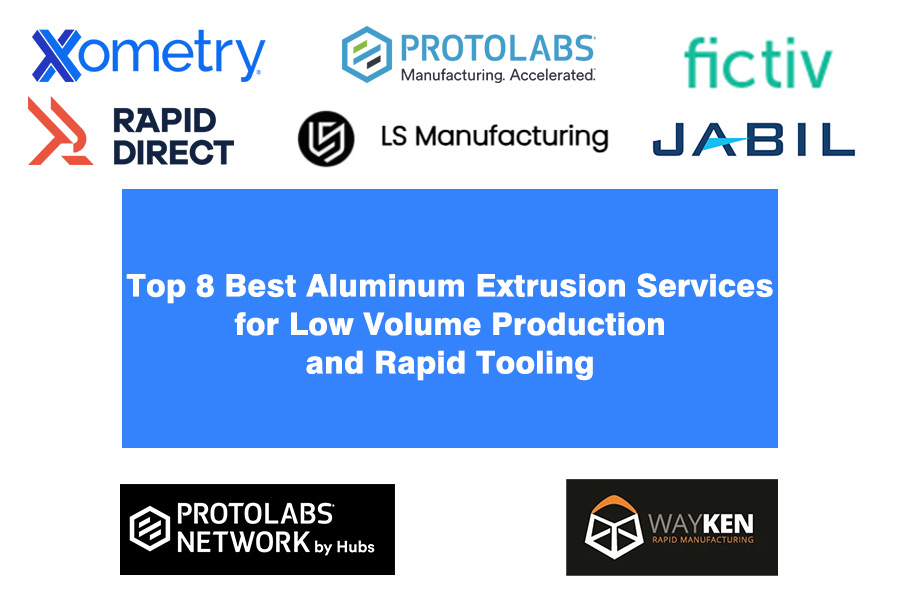
世界最高のアルミニウム押出サービス プロバイダーの主要パラメータの概要
この章では、少量アルミニウム押出プロジェクトのニーズに正確に適合し、調達決定のための直観的かつ専門的なデータ参照を提供する、大手サービス プロバイダー 8 社の中核的な強みをまとめています。
<本体>重要なポイント
- シナリオ マッチング: 1 ~ 10 個の非常に低資産のコンセプト プロトタイプの場合、納期が最も短い Protolabs または Fictiv が優先されます。50 ~ 500 個のエンジニアリング検証段階の場合、物理的な金型ワークショップのメーカーの方が総 ROI が高くなります。
- コア テクノロジー: アルミニウム押出成形品の寸法精度を制御する秘訣は、金型の予熱と少なくとも HRC 52 の窒化処理硬度を得ることであり、510 ~ 530℃での金型出口温度の監視を調整して行うことです。
少量生産において LS Manufacturing のアルミニウム押出サービスを信頼できる理由
アルミニウム押出成形品の少量生産における最大の問題は、不安定な精度とコスト管理です。小規模/中バッチの高精度生産要件に応えて、物理的なワークショップと確立されたプロセスを使用することで、LS Manufacturing は ISO 9001:2015 品質システム規格を実現し、準拠することができます。物理的テストにより、デジタル プラットフォームでの小ロット注文では公差値が逸脱する可能性が高くなりますが、当社の生産ラインでは部品のねじれを 0.5 mm/m まで安定して制御できる
小規模バッチ生産では、エラー許容度が大幅に低下する可能性があるため、通常のプロセス パラメータは柔軟な生産シナリオには適さない可能性があります。規格を満たすプロファイルの機械的特性を一貫して達成するために、当社はASTM B221-12 材料規格に準拠することを約束するだけでなく、50 ~ 500 個のバッチに対しても、最大 99.2% という製品認定率は業界平均値の 85% を大きく上回っています。
当社は下請けのみのプラットフォームとは異なり、独自の金型ワークショップを持つことに加えて、 継続的な対話を通じて金型材料と温度制御パラメータを大幅に最適化することもできます。中間値上げを削除した後、R&D 資金をプロセスの最適化に正確に投資することで、繰り返しの金型の修理と再加工の結果として生じる余分な損失を節約できます。
当社の物理工場の標準化されたプロセスと品質管理システムは、少量のアルミニウム押出成形における手戻り問題を効果的に回避し、下請けプラットフォームよりも長期の少量バッチの研究開発に適しています。主要なプロセス ポイントをマスターし、プロプロフェッショナル アルミニウム押出サービスの利点を理解するには、当社独自のプロセス ホワイト ペーパーを無料でダウンロードできます。
設計エンジニアは、既製の標準プロファイルではなくカスタム アルミニウム押出サービスに投資する必要があるのはなぜですか?
カスタム アルミニウム押出サービスでは、スロット、ネジ穴、放熱フィンなどのさまざまな機能を 1 つのプロファイルに同時に組み合わせることができます。これにより、二次的な CNC 加工の必要性がなくなるだけでなく、作業全体の組み立て公差を範囲内に保つことができます。 0.03mm 程度なので精密機器の開発に使用できます。また、カスタム アルミニウム押し出し成形の総合的な費用対効果と精度は、標準プロファイルを変更する場合のコスト効率と精度を大幅に上回っているため、軽量精密機器の製造において最も好まれている方法です。
標準プロファイル変更の主な欠点
従来の方法によるプロファイル修正は、依然として開発における主要な選択肢ですが、複数のCNC 加工ステップが必要なため、プロセスは非常に手間がかかり、許容誤差はほとんど無視できます。通常のアルミニウム押出サービスで処理された標準プロファイルは、カスタマイズされた構造仕様をほとんど満たしていません。精密機器の使用によりスクラップ率は15%に達し、開発コストと開発期間が大幅に増加します。
また、複数の機械加工操作はプロファイルの粒子構造を破壊するだけでなく、 強度の低下を引き起こすため、適切に設計されたアルミニウム押出構造の概念は、そのような欠陥を回避するのに大きく役立ちます。
カスタム押し出しの基本的な技術的利点
最高品質の粒子均一性が、カスタム押出成形と金属流路を分析して最適化するための DFM ホット ランナー シミュレーション テクノロジーの主な利点です。 カスタム アルミニウム押出サービス メーカーはこれらのプロセス パラメータを正確に調整して、ソースからの標準プロファイル変更の欠陥を修正できます。
カスタムのアルミニウム押し出し成形は、さまざまな寸法における一般的なプロファイル変更の欠点に対処します。一体成形プロセスは精密工具の進歩とも連携しており、研究開発の損失と部品の廃棄率を大幅に削減
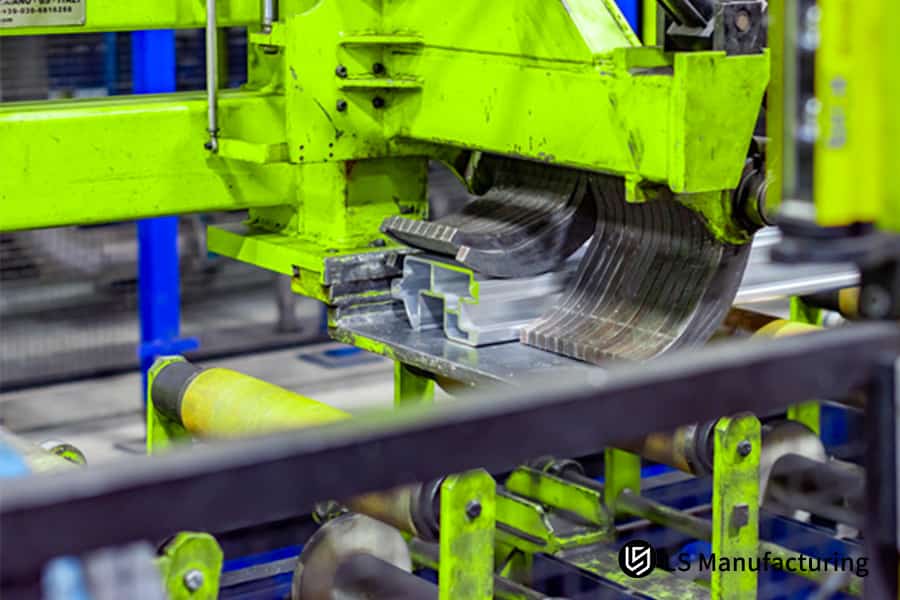
図 1: カスタム アルミニウム プロファイルを積極的に形成する工場のアルミニウム押出機。
Protolabs、RapidDirect、LS Manufacturing などの大手プロバイダーは、少量の迅速なツールの償却においてどのような違いがありますか?
200 個未満のアルミニウム押出材の注文を処理する場合、ラピッド ツーリング アルミニウム押出材の金型償却原則はさまざまなサプライヤー間で大きな違いがあり、その結果調達単価にも大きな影響を与えます。デジタル プラットフォームと物理的工場は、点で反対であるだけではありません。金型の材質の選択だけでなく、金型をひっくり返す方法も選択することで、研究開発のさまざまな段階に適したものにすることができます。 プロジェクトのコストを最大限に活用するには、適切なアプローチを選択する必要があります。
サービス プロバイダーによる金型償却モデルの違い
モジュラーダイの切り替えは、実際に進むデジタルプラットフォームを運用するための非常に中心的なコンセプトです。 Protolabs や Fictiv などは、非常に迅速な切り替えを実現するために 1 種類のモールド フレームに依存しており、サンプルを 3 日で納品できるため超高速プロトタイピングには適していますが、 単価償却コストが高くなります。最高のアルミニウム押出サービスを提供する多くのプラットフォームがこの種のビジネスを採用しているため、効率的なアルミニウム押出金型の変更により、試作サイクルがさらに短くなる場合があります。
少量注文のコスト削減方法
金型の材料の変更は、物理的な工場のコスト削減のための主な武器です。 LS Manufacturing は、通常の鋼ではなくプリハードン P20 金型鋼を使用することを決定し、 その結果金型製造コストを 30%45% 削減しました。それが少量のラピッドツーリングアルミニウム押出プロジェクトに着手する際に、コストの削減と時間の効率の向上をもたらす最大の理由です。正確なアルミニウム押出コストの見積もりを作成することは、プロジェクトの予算を正確に管理できるようにするための鍵です。
サービス プロバイダーの金型償却モデルは、さまざまな研究開発段階に適しています。物理的な工場は、小規模から中規模のバッチのラピッド ツーリング アルミニウム押出プロジェクトに大きなコスト上の利点をもたらします。正確なコストを計算するには、 プロジェクト要件を送信して正確な見積もりを受け取ります。
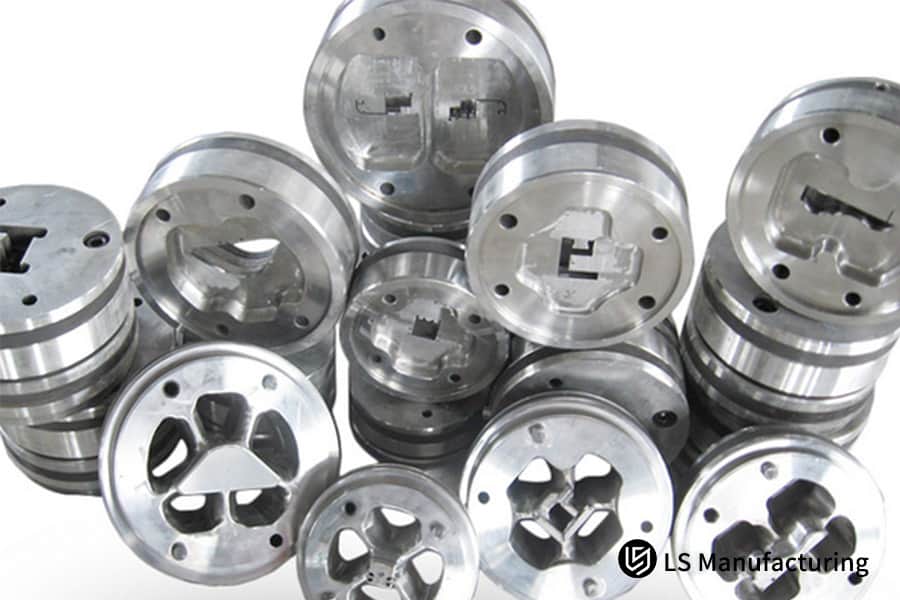
図 2: 内部チャネルを備えた複雑なアルミニウム部品。プロトタイピングや小ロット製造に最適です。
精密アルミニウム押出サービスにおける高寸法精度を制御する技術パラメータ制御は何ですか?
アルミニウム押出サービスの全体的な品質をどのように見直し、改善するかは、通常、510 ~ 530℃ の一定温度での押出と、プロファイルの歪みを航空宇宙グレードの標準レベルである 0.5 mm/ メートルに制限する完全に自動化された引き伸ばしおよび矯正プロセスによって決まります。硬度、温度管理、統計的品質管理という 3 つの重要な要素は、プロバイダーの精密製造能力と直接関係しています。
コアプロセス精度制御パラメータ
ダイ硬度の校正は精度管理の基礎です。高品質の生産会社は金型窒化硬度を HRC 52+ に正確に安定させて、押出変形の偏差を防ぎます。さらに、常に高精度の部品を提供することがプロのアルミニウム押出サービスの主な前提条件であり、厳しく管理されたアルミニウム押出の精度により、 部品のバッチごとに高レベルの寸法の一貫性が実現します。
精度安定性試験基準
プロセスがどの程度優れているかを知ることが品質管理の中心です。優れた生産ラインでは SPC 統計制御を採用して CPK1.33 を実現し、バッチ許容値を安定させています。この品質管理システムは、トップ アルミニウム押出サービス プロバイダで非常に一般的なものです。高圧冷却技術と組み合わせることで完璧なプロファイル品質を実現し、安定したアルミニウム押出材の熱管理により確実に正確な温度制御を実現します。
| サービス プロバイダ | 最小注文数量 (個) | 限界公差 (mm) | 型開きサイクル (日) | 該当する主なシナリオ | 単価範囲 (USD) |
| LS マニュファクチャリング | 50 | ±0.03 | 7~10 | 少量の精密エンジニアリング検証 | 12-18 |
| プロトラブズ | 1 | ±0.10 | 3~5 | ラピッドコンセプトプロトタイピング | 20~28 |
| ラピッドダイレクト | 30 | ±0.06 | 8~12 | 定期的な小ロット大量生産 | 14~22 |
| フィクション | 1 | ±0.12 | 3~6 | 短期間のプロトタイプ反復テスト | 22~30 |
| ハブ | 20 | ±0.08 | 6-10 | 一般的な精密な小ロット注文 | 16~24 |
| ウェイカーン | 40 | ±0.07 | 9~13 | 工業用構造部品の大量生産 | 13 ~ 20 |
| ゾメトリ | 5 | ±0.09 | 4-7 | 複数カテゴリのプロトタイプを迅速に提供 | 18~26 |
| ジャビル | 200 | ±0.04 | 12~15 | 標準化された大量生産 | 10~15 |
精密アルミニウム押出サービスの寸法安定性は、複数の主要パラメータによって制御され、プロセスの違いが完成品の精度とバッチ生産の合格率を直接決定します。
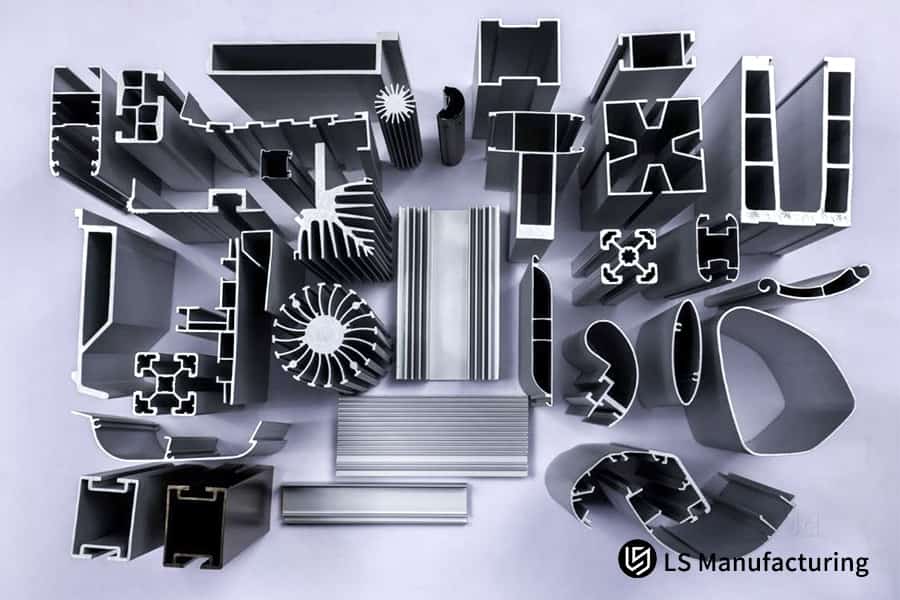
図 3: さまざまな断面デザインと形状を示す、さまざまなカスタム アルミニウム押出プロファイル。
プロトタイピング用のアルミニウム押出材は、ロボット工学や自動車プロジェクトのエンジニアリング検証テスト段階をどのように加速しますか?
プロトタイピング用のアルミニウム押出成形のラピッド ソフト モールド技術を使用すると、7 ~ 10 営業日以内に量産レベルの品質のサンプルを取得することが可能となり、ロボットや自動車の構造コンポーネントのテスト サイクルを大幅に短縮できます。この方法では、納品速度と標準的な機械的特性の維持との間で適切な妥協点が得られ、新エネルギーおよびロボット工学プロジェクトの迅速な反復変更に適しています。
プロトタイプの押出プロファイルの性能基準
標準的な機械的性能がプロトタイプのテストの主な基準です。テストされた 6061-T6 プロファイルの機械的パラメーターは、ASTM B221 業界標準に完全に準拠しています。プロトタイピング用の高品質のアルミニウム押出材は標準化された性能管理によって保証できるため、プロトタイプのテストデータの信頼性と有効性が保証されます。さらに、標準化されたアルミニウム押出プロトタイプ検証により、テストデータの偏りを排除できます。
プロトタイプ開発のリスク軽減ソリューション
材料破損のリスクを予測することは、プロセス最適化の基礎です。 FEA (有限要素解析) シミュレーションを使用すると事前に構造欠陥を特定することが可能となり、高温割れの問題を防ぐことができます。高度なシミュレーション技術により、アルミ押出材の迅速製造ロットの完成品歩留まりが向上するだけでなく、 正確なアルミ押出材の欠陥修正によりさまざまな成形欠陥を完全に排除できます。
プロトタイピング用のアルミニウム押出材は、精密機器のエンジニアリング検証サイクルを大幅に短縮し、納品効率と標準化された機械的特性のバランスを保つことができます。同様の研究開発の導入経験を参照するために、業界全体の高品質の導入事例を無料で閲覧できます
少量要件に対応するアルミニウム押出サービスの比較表で最も優れているのはどのサプライヤーですか?
最高のアルミニウム押出サービスを実現するための絶対的な最適なソリューションはありません。ソリューション プロバイダーが異なれば、MOQ 許容範囲、リード タイム、価格に関してさまざまな強みがあります。選択は注文量と研究開発の段階に応じて行う必要があり、正確に適合させることで調達の費用対効果が最大化されます
サービス プロバイダーのコア ポジショニング分析
サプライ チェーンの位置付けが選択の理由です。 Jabil はトン単位の量産注文に最適ですが、Protocolabs はラピッド プロトタイピングに向いています。さまざまなサービスプロバイダーが協力して最高のアルミニウム押出サービスのための完全な市場システムを形成します。 よく開発されたアルミニウム押出バッチ生産により、さまざまな注文量に対応できます。
少量の注文に最適な選択方法
少量マッチング技術は、調達の意思決定に非常に役立ちます。 50 ~ 500 個のテスト注文では、LS マニュファクチャリング がその高精度、低価格、短納期により、下請けプラットフォームよりも優位に立っています。これは、同社が世界トップクラスのアルミニウム押出サービスプロバイダーとして頻繁にランクインしている最大の理由でもあります。ターゲットを絞ったアルミニウム押し出し公差の調整は、高精度が必要なプロジェクトに非常によく適合します。
最高のアルミニウム押出サービス プロバイダーには、それぞれに強みがあります。注文量と研究開発段階の両方を使用して選択することで、調達の費用対効果とプロジェクトの実施効率を最高に高めることができます。
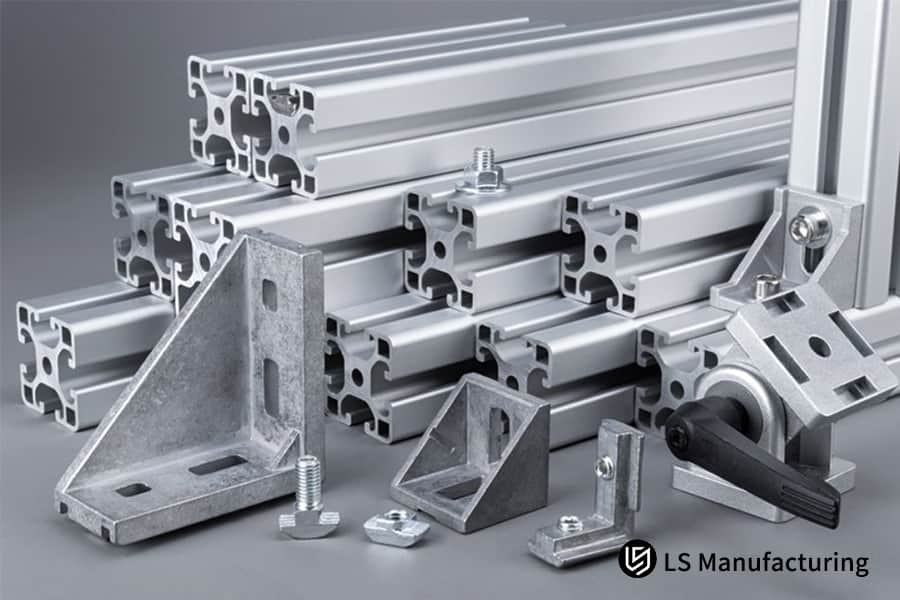
図 4: アルミニウム プロファイル、ブラケット、および留め具を配置し、小バッチ押出サービス キットを示しています。
ケーススタディ: LS Manufacturing が高速手術ロボット アーム プロジェクト向けにカスタム 6061-T6 アルミニウム押出サービス コンポーネントをどのように開発したか
この医療用カスタム アルミニウム押出サービスは、OEM クライアント向けにカスタマイズされた外科用ロボットのカンチレバー部品をカスタマイズしました。 14 営業日以内に、200 セットのマルチキャビティ部品が安定した公差 0.03mm で納品され、 マイクロクラックの可能性が排除されました。これは、少量の精密医療部品製造のベンチマーク ケースです。
クライアントの中核的な課題
クライアントは、以前にロボット カンチレバーを非対称二重中空キャビティ設計にカスタマイズしていました。最初のバッチのサンプルを製造した後、隔壁の位置ずれと表面フローマークが見つかりました。 医療目的で非破壊検査を行ったところ不合格となり、その結果、プロジェクトの研究開発検証スケジュールが直接遅れました。
LS 製造ソリューション
Project Results
The final part cavity tolerance is stable at 0.03mm. The professional testing reveals that its mechanical properties outperform industry standards. Customers can get merge verification cycle 40% less and unit cost 38% less with this solution, which is also a way of addressing typical problems in the forming of complex thin-walled parts at the source of the process and so achieving triple optimization of precision, cost, and cycle time.
This example shows that improved processes can allow custom aluminum extrusion services to be changed to produce high-end precision medical components, essentially solving complex profile forming defects. If you want to imitate the solution, then submit your drawings to get a customized production plan.

What Common Pitfalls in Small Batch Aluminum Extrusion Design Lead to Production Failures and How to Avoid Them?
Two common design mistakes in small batch aluminum extrusion are asymmetrical wall thickness and very small sharp internal corners. Both of these easily cause mold chipping and profile cracking. By standardizing drawing parameters, manufacturers can prevent over 80% of production failures at the source thereby greatly reducing rework losses.
Study on the Risks of Frequent Design Defects
Design with uneven wall thicknesses is a major reason for failure. Asymmetrical wall thickness results in imbalanced metal flow, leading to profile distortion and cracking. It is also the most commonly ignored flaw in small batch aluminum extrusion design. Very small sharp corners lead to stress concentration, scientific aluminum extrusion design optimization can steer clear of these problems beforehand.
Principles to Avoid Designs that are Standardized
When corner design is standardized it can prevent production defects effectively. Very specific small batch design methods will enable designers to optimize drawings very quickly. Checking production drawings before manufacture is something that professional aluminum extrusion companies always do. Proper aluminum extrusion parameter selection will greatly accommodate small batch production conditions.
- Wall Thickness Regulation: The wall thickness ratio of asymmetric parts is tightly controlled within 2:1 to ensure uniform metal flow.
- Rounded Corner Design: To remove stress concentration, all corners have been designed with R0.5-R1.2mm rounded corner transitions.
- Process Selection: To avoid internal porosity defects and improve structural density, aluminum extrusion is recommended instead of die casting.
Standardized drawing design is critical for achieving high quality and low cost in small batch aluminum extrusion. Compliance with standardized principles enables manufacturers to avoid most production failures and scrap problems right from the source.
How Do Post Machining and Surface Finishes Influence the Total Costs of Aluminum Extrusion Rapid Manufacturing?
Post-processing like CNC milling and hard anodizing usually take up more than 40% of the total cost in aluminum extrusion rapid manufacturing. So, it's really important to focus on controlling these costs. Efficient post-processing methods combined with optimized manufacturing that ensure the accuracy of assembly can help greatly reduce the overall cost of even small-batch orders.
Difference in Costs of Various Post-Processing Techniques
The primary way to lower costs here is integrated processing. One-stop service can handle extrusion, machining, and surface treatment all at once, this way it potentially does away with tolerance deviations and logistical losses due to outsourcing different vendors. It is one of the main benefits of aluminum extrusion rapid manufacturing, good aluminum extrusion post-processing can really raise delivery efficiency.
Techniques for Cutting Costs through Process Optimization
Accurate control of film thickness greatly reduces the chances of rework. Anodized film thickness for precision parts should be kept between 15 to 25μm to ensure it does not impact the accuracy of assembly. Changing fixture clamping design can help accomplish post-processing in 40% less time, which means increased production of small batch aluminum extrusion. By using premium aluminum extrusion surface treatment, the protection of parts and their visual quality can be improved together.
| サービス プロバイダ | 金型硬度 (HRC) | 離型温度 (°C) | メートル当たりのツイスト (mm) | CPK 値 |
| LS マニュファクチャリング | ≥52 | 510-530 | ≤0.5 | ≥1.33 |
| ハブ | 48-51 | 500-540 | ≤0.8 | ≥1.10 |
| ウェイカーン | 47-50 | 505-535 | ≤0.7 | ≥1.15 |
Post-processing technology significantly impacts the overall cost of aluminum extrusion rapid manufacturing. A one-stop processing model effectively controls costs and improves quality. For precise control of the overall order cost, we offer a free calculation of the overall project procurement cost.
よくある質問
Q1: What is the typical minimum order quantity (MOQ) for an aluminum extrusion service tailored for prototyping?
Platforms like Fictiv and some low-volume service providers like LS Manufacturing can offer MOQs as low as 50 pcs or 100kg total weight for flexible dies. Usually, regular extrusion plants require a minimum order of 1 ton, which is suitable for very large production runs.
Q2: How long does it take to manufacture a rapid tooling aluminum extrusion die and deliver the first article?
By using standard die frames and modular pre-hardened steel, flexible manufacturers manage to do rapid dies and deliver first articles within 710 working days. Traditional factories with their complicated die-making processes need the time of 4 weeks or even more. You can just upload your drawings to get an accurate quote within a short time for die-making and delivery cycles.
Q3: Can your small-batch aluminum extrusion service handle the strict tolerances required for high-end electronics?
Pure extrusion can only achieve a precision of 0.15mm at best, so it is not feasible to reach the 0.02mm precision for high-end electronics. To accomplish the demanding dimensional targets and to be compatible with the assembly of high-end electronics equipment, precision CNC secondary milling is necessary.
Q4: Which international material and safety standards do your custom aluminum extrusion service components conform to?
These compliance-oriented employees strictly adhere to the ASTM B221, EN 755, and RoHS directives. Each batch of products is accompanied by quality inspection reports on chemical and mechanical composition, which be evidences of the product compliance.
Q5: Why do independent factories offer different pricing for low volumes compared to online brokers?
Online subcontracting platforms take advantage of a worldwide network to offer quick turnaround on prototype orders, generally 10 pieces or less. Physical factories however do not involve intermediaries, resulting in a greater cost-effectiveness factor and production control transparency most of all for the 100-500 pcs range.
Q6: What surface treatments boost corrosion resistance for aluminum extrusion rapid manufacturing parts?
Possible treatments include glass sandblasting, simple anodizing, and MIL-A-8625 Type III hard anodizing which is characterized by the ability to resist salt spray for over 500 hours. Besides the three treatments mentioned above, other techniques can be employed to simultaneously improve the corrosion resistance and wear resistance of parts.
Q7: How do you guarantee IP protection of custom designs during the rapid tooling stage?
A confidentiality agreement legally binding both parties is signed before the start of cooperation. All design documents are kept on an encrypted server that is ISO 27001 certified, which totally gets rid of the risk of drawing leakage or misuse while at the same time it gives a thorough protection of the client's intellectual property.
Q8: Can I request factory video inspection or third-party testing reports for small batch orders?
A qualified manufacturer offers support for real-time video remote monitoring and can also provide geometric tolerance and mechanical property testing reports that have been issued by internationally recognized authorities like SGS, TUV, and Insbeck, thereby enabling product quality traceability.
概要
There is no universal service provider for small batch aluminum extrusion manufacturing, only by selecting products that fit the project stage can the optimal cost-effectiveness be achieved. Low-priced platforms or well-known manufacturers cannot fulfill all requirements. Prototyping should be done by the fastest digital platforms. Then again, for the final confirmation stage after the design freeze, the process control functions of a physical factory can be very effective in producing the minimum of projects risks and ensuring the progress of a project.
Accurate process control, one-stop processing, and clear cost systems are what a small batch aluminium extrusion projects can be implemented successfully.If you are able to select the right production partner, you can make the R&D cycle of precision aluminum parts not only faster but also more affordable.
In search of a data-backed, professional-grade solution to your low-volume running needs? You don't need to waste your time trying and comparing over and over again. LS Manufacturing, with its well-developed aluminum extrusion service and abundantly experienced front-line projects, can ensure that your precision parts are successful.
Share your 3D CAD drawings in STEP, IGES, or X_T formats with us, and within 24 hours, you will get a professional DFM feasibility analysis and a clear low-volume mold-opening quote. We invest our time and efforts in equipping our clients with technology and traceable test data for their speedy product launch!
📞Tel: +86 185 6675 9667
📧Email: info@lsrpf.com
🌐Website: https://lsrpf.com/
免責事項
The contents of this page are for informational purposes only. LS Manufacturing services There are no representations or warranties, express or implied, as to the accuracy, completeness or validity of the information.サードパーティのサプライヤーまたはメーカーが、LS Manufacturing ネットワークを通じて性能パラメータ、幾何公差、特定の設計特性、材料の品質およびタイプまたは仕上がりを提供すると推測すべきではありません。 It's the buyer's responsibility. Require parts quotation Identify specific requirements for these sections.Please contact us for more information.
LS 製造チーム
LS Manufacturing は業界をリードする企業です。カスタム製造ソリューションに焦点を当てます。 We have over 20 years of experience with over 5,000 customers, and we focus on high precision CNC machining, Sheet metal manufacturing, 3D printing, Injection molding. Metal stamping,and other one-stop manufacturing services.
Our factory is equipped with over 100 state-of-the-art 5-axis machining centers, ISO 9001:2015 certified.当社は、世界 150 か国以上のお客様に、迅速、効率的、高品質の製造ソリューションを提供しています。少量生産でも大規模なカスタマイズでも、24時間以内の最速納期でお客様のニーズにお応えします。 LSマニュファクチャリングを選択します。 This means selection efficiency, quality and professionalism.
To learn more, visit our website:www.lsrpf.com.

| Post-processing Technology | Core Parameters | Cost Percentage | Applicable Scenarios |
| CNC Milling | One-time clamping and forming | 22% | High-precision hole and sealing groove machining |
| Ordinary Anodizing | 10-15μm film thickness | 10% | Conventional protective parts |
| Hard Anodizing | 15-25μm film thickness, MIL-A-8625 Type 3 | 18% | Corrosion-resistant and wear-resistant precision parts |
| Sandblasting | Glass sandblasting refinement | 8% | Decorative structural parts |