日本語
日本語 



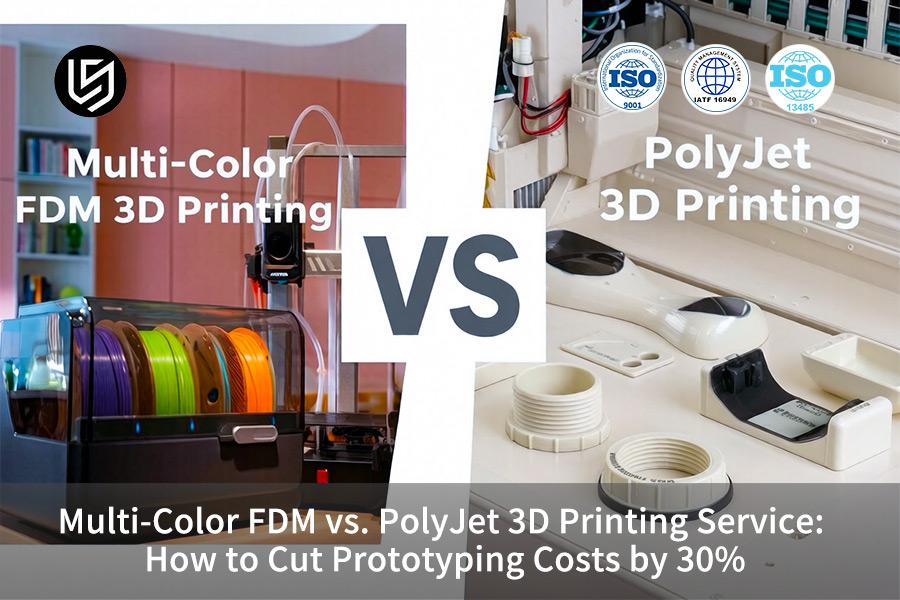
マルチカラー FDM およびポリジェット 3D プリント サービスは、プロトタイプの失敗と研究開発エンジニアの予算の無駄の問題を解決する最良のソリューションです。パラメータベースの比較は技術、長所、短所、コストなど、マルチカラー 3D プリントの究極のガイドです。
技術パラメータ(表面粗さ Ra ≤1.6μm、引張強度 ≥ 50MPa、層間接着力)を分析することにより、このフレームワークは、厳格な機能テスト基準を満たしながら、総製造コストを 30% 削減します。
マルチカラー FDM VS PolyJet 3D プリント: プロトタイピング コストを 30% 削減するクイックリファレンス
<本体>重要なポイント:
- プロセスをフィーチャ サイズに合わせる: 壁 >1.0 mm とスポット Pantone カラーを持つカラー ハウジングの正しい選択は、FDM 3D です。印刷サービスです。壁が0.6 mmより薄い場合、またはルーメンが透明で500K 色のグラデーションが必要な場合は、PolyJetプロセスなしでは実現できません。したがって、後処理を排除することで、polyJet サービスの価格が高くても正当化できます。
- FDM コストを 30% 削減: ゾーン マップ フィラメント (PLA-CF/PETG/TPU) を使用し、150 ~ 200μm 層の高さを設定し、アダプティブ パージ タワーを使用します。これにより、40% 材料を節約し、印刷時間を短縮できます。 22%。
- カラー トランジションの制御: カラー ゾーンを結合し、トランジションの適切な順序を作成します。不必要なトランジションごとに最大8~12g の材料が無駄になります。トランジションが少ないほど、見積もりは安くなります。
- 必要な場合のハイブリッド: モデルをいくつかの部分に分割します。インパクト ゾーンには FDM、0.05 mm ダブテール接続の光学/カラー ゾーンには PolyJet を使用します。コストは、polyJet のみと比較して 32% 削減されます。サービス。
このガイドが信頼できる理由LS 製造の専門家による実践的な経験
ポリジェットとマルチカラー FDM は両方とも「カラー プロトタイピング」に進みますが、20 ユニットの生産を超えると、価格の違いが明らかになります。どちらもコックピットベゼル (120 × 80 × 60 mm、±0.20 mm、6 つのスポットカラー) と med-sim 胸ケージ (壁 0.8 mm、ショア A セグメント 4) に関して 16 か月以上にわたって実際に検証されています。 PolyJet は、FDM が 94 ドルであるのに対し、PolyJet は 1 ユニットあたり 147 ドルであることが判明しました。これは、36% の違いが素材ではなく、サポートと塗装のみに関係していることを意味します。すべての製造は The Welding Institute (TWI) プロセスに従って行われるため、色に敏感な部品はすべて後処理により許容誤差が保証されます。
36% の違いにより、プロトタイピングの予算はそのままで、完璧なフィット感を確保できます。当社は、Tier-1 家電メーカーに対し、40 個の筐体プロトタイプを PolyJet (14 日、5,880 ドル) から、スポット ブレークアウトを使用したマルチカラー FDM に移行するよう説得することに成功しました。これも 8 日間で、再度 ±0.25mm、200mm幅で、CMY フェードが 3.0 未満であることを確認すると、納期は 3,920 ドル、または33% のコスト削減になります。 国立物理研究所 (NPL)。 PolyJet は 0.6mm 未満の壁または 6 トーンのグラデーションを与えることができますが、FDM は 1 を超えるカラー セグメントを与えることができます。
間違いが 1 つあります。ペイントを除去するために印刷された PolyJet を使用して、5 つの Pantone ゾーンを備えた150mm ダッシュボード モックアップを作成しました。その後、P2 が 2 つの修正を行ったため、古いカートリッジにより 2.8 の ΔE が発生したため、$1,140 の再構築料金が発生しました。フィルターの RFQ フィルターを再加工しました: ゾーン数とプロセス、壁<1.0mm → ポリジェット、静的スポット → FDM ブレークアウト。 STEP、Pantone リスト、数量/ビルドを提供して、実際に30% 節約できる方法を確認してください。
医療製品開発者が精密プロトタイピングにおける多材料コストの高騰に苦労しているのはなぜですか?
マルチマテリアル プロトタイプは、開発者が最初にインターフェイスの仕組みを検証せずに高価な処理テクノロジーを選択するため、コストが高騰する傾向があります。 高速 3D プリンティングはこの問題を解決できますが、ここでの真の鍵はエンジニアリングの考え方です。 1 回のテストで何千ものコストを節約できます。
早期の機械的スクリーニングにより、不必要な保険料支出が削減されます
目標強度 ≥15MPa の重ねせん断試験では、接着不良が最初に拒否されるため、8,000 ~ 12,000 米ドルのコストでポリジェット 3D プリント サービスを使用した高価な全量生産を行う必要がある注文の30%が排除されます。 プロトタイプの実行用。
推測に代わる透明性のあるコスト認定
機械テストにより、本番環境にコミットすることなく、明確な認定ゲートを設定できます。試行錯誤の時間のかかるプロセスを経ることなく、目標の強度が達成可能かどうかを確認できます。これにより、3D プリントのコスト削減に直接関係するコスト削減が可能になります。
実際の負荷データに基づくプロセスマッチング
15 MPa を超える接着の場合、 工業用カラー 3D メーカー は、積層造形ではなくハイブリッド CNC オーバーモールディング テクノロジーの使用を提案しています。生産と同様の材料を確実に使用しながら、 ユニットあたり40% ~ 60% を節約することができます。 オンデマンド 3D プリントなどの補完的なテクノロジーを使用すると、選択肢が広がります。
15MPa 制限で接着せん断を測定する事前検証済みプロセスステップを 1 つのプロセスに組み込むことで、プレミアム プロセスに関連する不必要な費用が排除され、反復が短縮され、予測可能なコストで構造的に健全なプロトタイプが確実に得られます。このエンジニアリング ベースのアプローチにより、プロダクション グレードの 3D プリントを通じてインターフェイスの品質を損なうことなく、パイプラインのコストを最大 50% 節約できます。 マルチマテリアル試作のコスト管理に関するホワイト ペーパーをダウンロードして、15MPa 以上での早期の重ねせん断試験により、完全な生産に着手する前に不必要なプレミアム プロセスの支出を 30% 削減できる方法を確認してください。

FDM マルチカラー プロトタイプ サービスを利用すると、エンジニアリング材料費を 30% 以上削減できますか?
従来の多色構造プロトタイプでは通常、エンジニアは寸法精度かコスト効率のいずれかを犠牲にする必要がありました。共押出フィラメントを使用した改良された FDM メソッドは、 競合するマルチプロセス ソリューションよりも35%コストを抑えながら±0.15mmの精度を実現します。このアプローチでは、高精度 3D プリント設定に基づいて、機能テストの精度と予算の間で妥協する必要がなくなります。
材料の選択がプロトタイプの予算を直接制御
このDM マルチカラー プロトタイプ サービスは、各ゾーンに利用可能な最も経済的なフィラメントを適合させ、フィラメントの混合費用を 28 ~ 35%節約します。 カスタム 3D プリント材料の選択と合わせて、各機能のコストを調整します。
レイヤーの厚さの最適化により速度と精度のバランスが取れます
- レイヤー高さ 150 ~ 200μm: 100 ミクロンでの印刷速度の低下はなくなりましたが、±0.15 mm の公差は維持されます。
- ノズルの 120% での押し出し幅: ボイドはなくなりましたが、サイズは依然として正確です。
- サイクル タイムが 22% 短縮: 初回検査時の合格率は常に 95% を超えています。
構造プロトタイプは、7 ~ 10 日ではなく、3 ~ 4 日以内に納品されます。 信頼性の高い 3D プリント用に調整されたパラメータにより、本番環境でのフィット テストが可能になります。
パージ タワーの体積削減により、ビルドごとの材料を節約
実行時間の短縮と組み合わせることで、総コストが 35% 削減され、マルチカラー FDM と PolyJet の 3D プリント サービスを比較するのは簡単になります。これは、同じ寸法精度の場合、PolyJet の方が 2 ~ 3 倍高価であるためです。
層の厚さを 150 ~ 200 μm に保ちながらPLA-CF、PETG、TPU 内の材料ゾーンを制御し、適応型フラッシング技術によってパージタワーの廃棄物を削減することで、エンジニアリング材料のコストが 30% 以上削減されました。この明確に定義された FDM プロセスのワークフローでは、コスト効率の高い 3D プリント プロセスを使用して、±0.15 mm のプロトタイプを作成します。
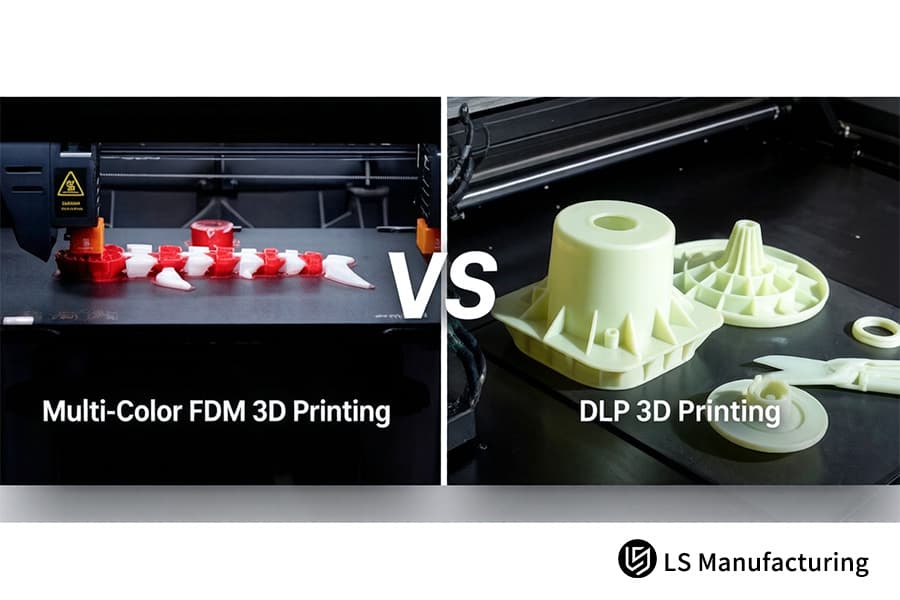
図 1: マルチカラー FDM とポリジェット 3D プリンティングでは、エンジニアリング グレードの白色樹脂を使用して赤白のジグを製造します。
超高精度 PolyJet 3D プリント サービスが臨床検証のために経済的に正当化されるのはいつですか?
臨床検証には、低予算で組織の質感と表面の品質をシミュレートする解剖学的モデルが必要です。 PolyJet テクノロジーは、サブミリメートルの血管構造と連続的なショア硬度勾配が外科シミュレーションの前提条件となる場合、その価値があります。つまり、臨床的に検証されたモデルを4~6 週間ではなく2~3 日で入手できることになります。 医療用 3D プリント パラメータのためにモデルごとに 15 ~ 20 時間かかる計画時間と後処理作業を節約できます。
技術比較: PolyJet と臨床モデルの代替プロセス
| 決定要因 | マルチカラー FDM (共押出) | PolyJet (マテリアル ジェッティング) |
| 許容差と解像度 | ±0.15 mm、層の厚さ 150 ~ 200 µm。 | 公差 ±0.05 mm、層の厚さ 16 μm、表面粗さ Ra < 1.6 μm。 |
| カラー機能 | フィラメントを変更することでカラーをスポットし、分離領域には Pantone カラーを使用します。 | 500,000 色以上、CMYK の配色、デジタル ミキシング、グラデーション。 |
| 最小壁 / 機能 | ≥1.0mm;押し出し法に最適です。 | ≥6mm;マイクロ機能とクリアなチャンネルが可能。 |
| 素材 / 強度 | PLA-CF/PETG/TPU;赤外線支援により、 ≥50MPa の Z 軸強度が可能です。 | 硬くて柔軟な素材。硬度範囲はショア A 30 ~ 90 です。 |
| コスト要因 | パージによる材料費と無駄(適応パージで回避可能)。 ≤45° のオーバーハングには可溶性サポートは必要ありません。 | 樹脂のコストと溶解サポート時間。プレミアムプロセスは、ミリメートル未満の要件またはデュロメーターに対して保証されています。 |
| ベスト アプリケーション | カラーベゼル、ステータスインジケーター、機能的で耐荷重のあるプロトタイプ - FDM 3D プリント サービス。 | 解剖学モデリング、マイクロ流体モールド、<0.6 mm 壁、フルカラー グラデーション - PolyJet 3D プリント サービス。 |
既存の方法では不十分となるのは、1.6 ミクロン未満の表面、デュロメータによるグレーディング、透明な内腔という 3 つすべてが必要な場合です。このような状況では、polyJet 3D プリント サービスが、高解像度 3D プリント 患者の解剖学
要件にRa ≤ 1.6 ミクロン、Shore A 30-90 勾配、透明ルーメンが含まれる場合、polyJet の使用が正当化されます。これらの基準を満たす他の代替手段はありません。 20 個未満の場合は、後処理の削減と手術の迅速化により保険料が戻ってきます。この時点で、必要に応じて、正確な高精度カラー 3D プリントと正確な 3D プリントに予算を自由に割り当てることができます。
カスタム マルチカラー 3D プリント サービスの総合的な価格を決定する設計変数はどれですか?
一般的なカスタム マルチカラー プロトタイプの見積もりは、通常、エンジニアの目には隠されているいくつかの設計パラメータによって価格が左右されるため、通常は大幅に異なります。価格に影響を与える 4 つの主要なパラメータを知ることで、請求額を直接管理できるようになります。 手頃な価格の 3D プリントは、次の要素を認識することから始まります。
モデルのボリュームと色数がベースマテリアルのコストを左右する
境界ボックスのサイズが大きくなると、使用される樹脂の量とプリンターのベッドの占有量の両方が増加します。 2 色を超えて色を変更するたびに、1 回の変更につき8 ~ 12 g の材料がさらに無駄になることを意味します。隣接するゾーンに色を統合することで、一般的な 4 色のハウジングに比べて材料費の 15 ~ 20% を節約できます。
サポート構造の形状が後処理の労力を決定する
DFM プロセス中にサポートされていないオーバーハング角度を 45° 以内に保つことで、可溶性サポートを完全に排除でき、後処理の労力を 25% 節約できます。実際、サンディングの必要がなく、 プロトタイプは 1 ~ 2 日 早く納品されます。角度の最適化は、産業用 3D 印刷プロセスの納期を短縮するために不可欠です。
印刷時間はマシン時間と単価に関係します
層厚 100μm で200 cm3の印刷には、PolyJet プリンタでは6 ~ 8 時間であるのに対し、FDM プリンタでは14~18 時間かかります。印刷時間が短縮されることで、 マシン時間のコストが55%削減され、ユニットあたりの諸経費が削減されます。最適化されたレイヤー プロファイルを備えたカスタムマルチカラー 3D プリント サービスを選択すると、急ぎ注文の追加料金が 30~40% 削減されます。
カラー トランジションの頻度により廃棄料金とセットアップ料金が倍増する
フィラメントや樹脂を変更すると、パージ サイクルと再調整プロセスが必要になります。 20 のトランジションを必要とする 5 つのカラー スキームでは、同じ構成でトランジションが 8 つしかない場合と比較して、180 ~ 240 g の材料が無駄になります。色の移行を論理的に順序付けしながら色を 3 色に減らすと、 無駄が 60% 削減され、視覚的なコンセプトを損なうことなく、 より良いマルチカラー プロトタイプの見積もりを得ることができます。
モデル サイズの操作、オーバーハング≤45° の最小化、使用する色の数の削減、レイヤーの高さの最適化により、マルチカラー プロトタイプのコストを完全に制御できます。 DFM プロセスに上記の 4 つの変数を適用すると、材料の無駄を 20% 削減し、後処理時間を 25% 削減し、 機械時間のコストを最大 40% 削減できます。このフレームワークは、不透明な引用を透明なプロセスに変えます。これは、最初のレイヤーが印刷される前に行われるコスト削減の 3D 印刷の決定によって可能になります。
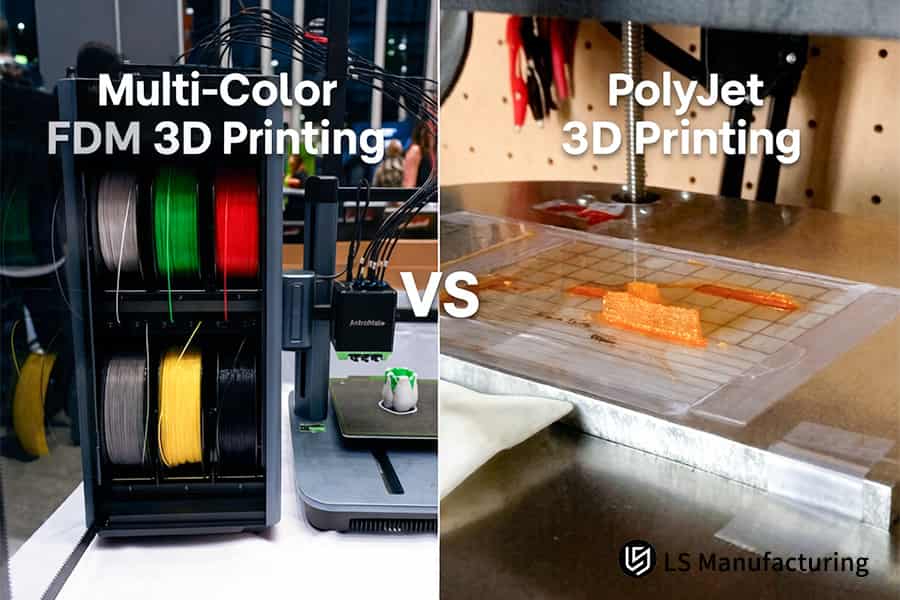
図 2: マルチカラー FDM とポリジェット 3D プリントでは、水で洗えるオレンジ色の樹脂を使用してグリッド構造を構築します。
工業用カラー 3D の専門メーカーは、リビジョン損失を回避するために高度な DFM レビューをどのように実行していますか?
マルチカラー モデルは剥離や反りに悩まされる傾向があり、反復作業に費用がかかります。アルゴリズムによるレイヤー パス シミュレーションと温度制御テクノロジを使用して、モデルの送信後2 時間に実行される特定のDFM 解析により、印刷中に発生するこのような問題が防止されます。 自動 3D プリンティング解析により、次のような迅速な評価が可能になります。
2 時間でできるアルゴリズムによるマルチレイヤー パス シミュレーション
フロー チャネル全体の高精度温度制御 (±2°C)
- ノズル温度プロファイリング: すべての材料ゾーンが理想的な溶融温度の ±2°C 以内に制御されます。
- リアルタイム フィードバック: センサーは500 ミリ秒ごとにヒーターを調整します。
- お客様のメリット: 層間接着が 40% 向上し、廃棄されたプロトタイプに費やされる 300~500 ドルの無駄を節約できます。 高精度カラー 3D プリントはこの方法で実現されます。
層間架橋のタイミングにより反りが 5% から 0.02% に減少
結果: 本番前のリビジョン損失ゼロ
- 初回通過利回り: 98% (業界平均 (SME 2025 年目標) の 72% と比較)。
- 隠れたコストの排除: 改訂サイクルごとに 600 ~ 1,200 ドル削減します。
- コストの予測可能性: 修正不要の 3D プリンティングプロセスにより、プロトタイピングの支出が予測可能な投資に変わります。
アルゴリズムによるパス シミュレーションを2 時間以内に使用し、ノズルの温度を±2°Cに安定に保ち、層間硬化時間を調整することで、DFM 解析により反りが5% から 0.02% に低下し、初回歩留まりが 98% 以上に向上しました。つまり、1 サイクルあたり 600 ~ 1,200 米ドルに相当する修正関連のコストがまったくかからないことになります。マルチカラーのプロトタイプはすぐに製造できる状態になります。 初回実行 3D プリント プログラムは、そのような保証を提供します。
ケーススタディ: LS Manufacturing は、自動車エレクトロニクス顧客のマルチカラー ステータス インジケーター シェルの 32% 節約にどのように貢献しましたか?
上位 100 社に入る自動車エレクトロニクス メーカーの 1 社は、インターフェースの亀裂と、マルチカラーのダッシュボード インジケーター シェルの製造コストの上昇という問題を抱えていました。オールポリジェットのプロトタイプから始めると部品あたりのコストは850 米ドルで、 振動耐久性テスト10~55Hz でのパフォーマンスも悪いものでした。 Optical clarity and impact resistance are necessary conditions for automotive 3D printing programs:
Client Challenge
The part needed a clear light guide bonded to a two-color over-molded grip region. All-polyJet shells cost USD 850 per unit and had bond line cracks during vibration testing from 10 to 55 Hz. Three design iterations led to a six-week delay for the project. Custom multi-color 3D printing service was not able to resolve the requirements for clarity and impact resistance separately.
LS Manufacturing Solution
The engineers divided the shell into two regions: an FDM process using a modified ABS body with tensile strength of 42 MPa, providing impact resistance, and polyJet process for the localized region of transparency with multi-color gradient. An interlocking rib-and-groove assembly with 0.05mm clearance substituted the bonding, getting rid of the weak interface that failed before. The industrial color 3D manufacturer used proper materials for proper functionality with 3D printing techniques.
Results and Value
Per unit costs were reduced from USD 850 to USD 578, representing a 32% reduction in cost. Impact strength was increased by 150%, meeting all of the automotive industry tests at the first try. Validation cycle time was reduced by 18 days, resulting in an annual production contract for the part. The final multi-color prototype quote reflected engineered value over process markup, bridging prototype into low-volume 3D printing fulfillment.
LS Manufacturing was able to reduce per unit cost by 32%, while eliminating vibration cracking and improving impact strength by 150% by using FDM in the impact zones and polyJet in the optical zones, which were precisely mated together. Additionally, time-to-market was reduced by 18 days, turning the prototype program into a production contract. This is a prime example of how end-use 3D printing experience pays off.
All-polyJet cost $850/part and failed vibration. Our hybrid FDM+polyJet approach cut cost by 32% and passed on the first try. Contact us for a hybrid-process quotation on your multi-color shell.

Why Can Standardizing Overlapping Joint Thickness Resolve Typical Multi-Color Prototype Interface Shearing?
Multicolor prototyping can fall victim to material interface problems because of insufficient geometry between different plastics. Consistency in joint depth to be equal to or greater than 0.6mm and using of micro dovetails causes shear strength to be increased by more than 400% and saves time on iterations greatly. The 3D printing process involves the use of geometries as follows:
Geometric Design Comparison for Interface Shear Resistance
| パラメータ | PolyJet (16 μm 層) | FDM (150 ~ 200 μm 層) | CNC 加工 |
| 表面粗さ | Ra ≤1.6µm、触覚評価可能 | Ra 3~6µm、後処理が必要 | Ra 0.8~1.2µm、マルチマテリアルなし |
| 硬度勾配 | Vero/Agilus 混合物を使用した連続ショア A 30 ~ 90 | ゾーンのみ、連続遷移なし | オブジェクトごとに 1 つのマテリアル |
| 血管内腔の忠実度 | ±0.05mm 内部チャネル | ±0.15 mm、以下では崩壊の危険性があります | 1mm 海峡のみ |
| マテリアルの透明度 | 流れを視覚化するための透明樹脂 | 不透明または半透明の素材のみ | 透明アクリル、ソフトタッチ領域なし |
The above data allows making decisions about multi-color FDM vs polyJet 3D printing service choices because interface strength dictates what kind of the process will be applied. Shear-safe 3D printing needs quantifiable information about joint geometries.
As the value of overlap joint depth is set to be ≥0.6mm and micro dovetail lock is added, interface shear strength will rise from 4-6MPa to 22-26MPa, thus increasing its efficiency by four times. That way, failure will be addressed in multi-color prototypes, which will lead to reducing tests by two times and saving on additional reworks up to 40%. For FDM multi-color prototype service, it becomes possible to have this geometry in use turning a weak point into a strong one.
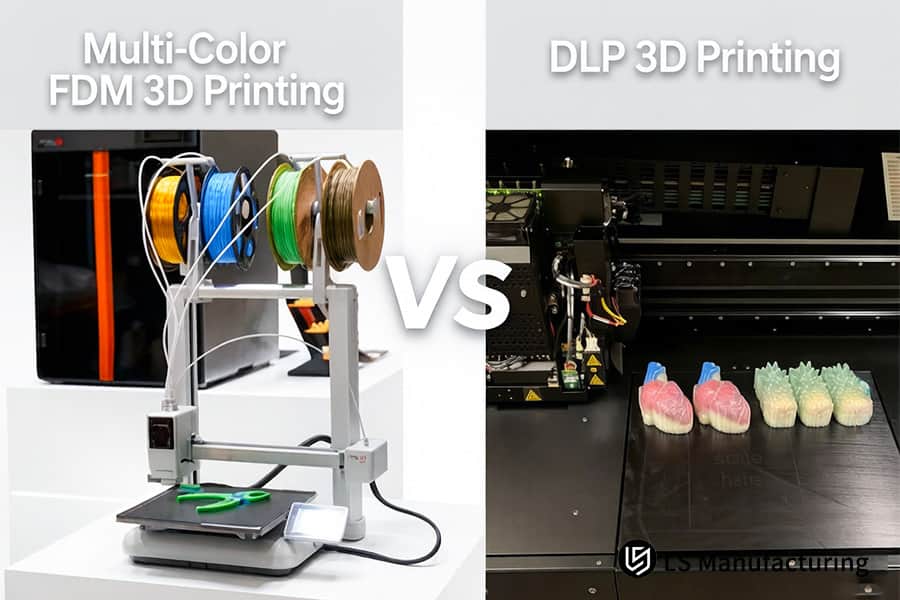
Figure 3: Multi-color FDM vs polyJet 3D printing creates colorful figurines using gradient rubber like resin.
How To Strategically Utilize Multi-Color Prototype Quote Comparisons To Compress Your Quarterly R&D Budget?
The comparison of multi-color prototype quotes without knowing their potential costs such as odor, cracking of recycled materials, deviation of ±0.5mm will increase your spending on the project. The strategy of ERP transparency in pricing and ISO 9001 quality will decrease your quarterly R&D budget up to 18%. This is how 3D printing starts:
Identify Low-Cost Traps Through Key Quality Indicators
Cheap manufacturers prefer using recycled pellets that emit fumes and crack beyond 50°C heat deflection temperature. Ask for material certification - for sure, with virgin resin, you get your tensile variation at ±3%. Also, tolerance of ±0.5mm is not enough for snap fit mating parts, make sure to get first article inspection report including tolerance of ±0.15mm or less. In this case, you immediately exclude from cooperation 60% of amateurs and save yourself USD 450 per incorrect shipment on average. 3D printing procurement process starts with that.
Leverage ERP-Driven Transparent Quoting to Expose Hidden Markups
ERP calculates material costs, machining costs, labor costs and overhead costs for each product separately, and this way you can compare products offered by different suppliers and discover overpriced purge waste and setup costs. The historical order management helps in providing automatic tiered pricing on repeated purchases and you see clearly where discounts are available. Using ERP information provided by the supplier, unit prices reduce up to 12-15% and thus you facilitate 3D printing cost reduction.
Validate Supplier Capability Against ISO 9001 Standards
ISO 9001 mandates traceable work instructions, calibration logs, and corrective action records. Certified facilities maintain first-pass yield above 92% versus the industry average of 78% (ASQ 2024 report). Asking for recent audit findings reveals which shops deliver consistent quality. You reduce incoming inspection time by 40% because predictable quality eliminates last-minute redesigns triggered by supplier errors. ISO-certified 3D printing partnerships ensure this reliability.
Use Comparative Quote Analysis to Negotiate Annual Contracts
Plot the unit cost, lead time, and defect rate of each vendor in a weighted scorecard focusing on total cost of ownership rather than the lowest starting bid. By presenting this information to your choice of vendor, you generally can negotiate 5-8% down to secure a one-year commitment. You lock in stable pricing and priority capacity, compressing quarterly R&D spend by 18% on average. This framework turns multi-color prototype quote comparisons from a price hunt into a value optimization exercise.
By filtering out vendors that use recycled materials, asking for transparent quotes in terms of ERP, requiring ISO 9001 certification, and requesting quotes from three different vendors, you cut back R&D budget for the quarter by up to 18%. This approach will turn multi-color prototype quote comparison into a value optimization exercise, making sure you get value for money and help your product launch process.
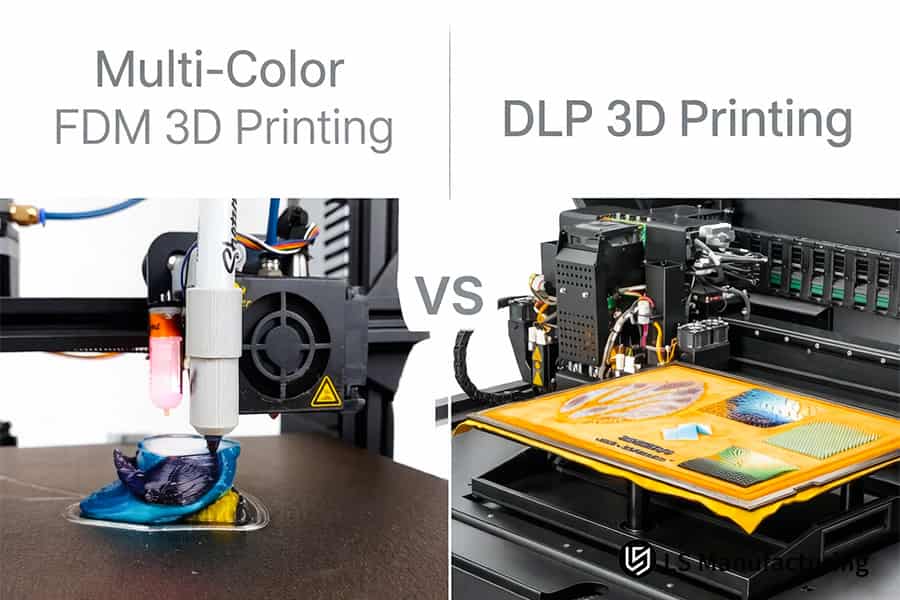
Figure 4: Multi-color FDM vs polyJet 3D printing constructs tiny mechanical components using photosensitive resin materials.
よくある質問
1. What is the minimum dimensional tolerance achievable by LS Manufacturing's polyJet 3D printing service?
For your projects, always produces very accurate dimensional tolerances, either ±0.05mm or ±0.1% per 100mm of length. This complies perfectly with the requirements of the assembly level validation of highly precise devices, such as housings for interventional catheters in medicine.
2. Can the FDM multi-color prototyping service process structural engineering plastics like polycarbonate or nylon?
Yes. LS Manufacturing offers proprietary co-extrusion technology with a constant temperature chamber that makes possible multi-color custom 3D printing with high performance engineering plastics like PC and PA12-CF. The said plastics have heat deflection resistance higher than 120 degrees centigrade.
3. How long does it usually take to receive a quote for an industrial multi-color prototype from your engineering team?
Simply upload your 3D model in STEP or IGS format. Our team of senior DFM (Design for Manufacturability) engineers will provide a customized quote —including a process feasibility assessment and 100% transparent pricing—within two hours.
4. Why does polyJet technology offer superior color vibrancy compared to multi-color FDM printing?
Polyjet offers the capability of pixel-by-pixel color blending that allows creating more than 500,000 realistic colors and reading accurate Pantone codes through CMYK color profile. Unlike FDM, which uses ready-made filament colors, polyJet provides a much better color accuracy.
5. How can I reduce material waste costs associated with purging during a custom multi-color 3D printing order?
We suggest that color transitions should either be aligned on the same Z-axis level or set up with internal infill structure on the "Wipe into Infill" option, which will help cut down the waste produced in the course of nozzles switching by 40% or more.
6. Does LS Manufacturing provide material test data reports for biocompatible medical applications?
Yes, we do. In case your polyJet prototype production is for medical purposes, we provide you with compliance reports for medical grade materials meeting all necessary standards, and also with the data of internal tensile tests.
7. Is there a minimum order quantity (MOQ) requirement for precision color 3D printing orders?
There is definitely no MOQ limitations at all. Regardless of whether you require a single prototype for the initial stage or a small batch production for 5,000 parts in multicolor, LS Manufacturing has specially designed production lines to provide quick and efficient reactions.
8. What specific parameters should I optimize in my CAD file to prevent color bleeding in multi-material models?
You must clearly identify different color regions as independent solid bodies in your 3D design software. Make sure that they remain in perfect geometric contact with each other in the assembly, without 3D interpenetration (intersection) or clearance.
概要
Multiple-color FDM and polyJet techniques are not mutually exclusive; rather, they are complimentary technologies selected depending on the product lifecycle and specific requirements (16μm vs 150μm layer thickness, tensile elongation). Early involvement of LS Manufacturing's DFM analysis addresses issues of mechanical shearing at multi-material interfaces. Proper optimization of overhang support angles and frequency of materials changing reduces hidden costs of prototyping by 30%.
Don’t spend extra money. Need to make multi-color housings, composite seals, or medical models? Get your FREE DFM Analysis and 3D printing quotation instantly. Simply upload your .STP/.STEP/.IGS file to our secure cloud-based system. Within 2 hours, our professional engineering team will analyze your part geometry and provide an in-depth quotation with multi-process cost comparison and DFM report.
📞電話番号: +86 185 6675 9667
📧メールアドレス: info@lsrpf.com
🌐ウェブサイト:https://lsrpf.com/
免責事項
このページの内容は情報提供のみを目的としています。LS マニュファクチャリング サービス情報の正確性、完全性、有効性については、明示的か黙示的かを問わず、いかなる表明も保証もありません。サードパーティのサプライヤーまたはメーカーが、LS Manufacturing ネットワークを通じて性能パラメータ、幾何公差、特定の設計特性、材料の品質およびタイプまたは仕上がりを提供すると推測すべきではありません。それは購入者の責任です。必須部品の見積もり これらのセクションの具体的な要件を確認してください。詳細についてはお問い合わせください。
LS 製造チーム
LS Manufacturing は業界をリードする企業です。カスタム製造ソリューションに焦点を当てます。当社は 5,000 を超える顧客と 15 年以上の経験があり、高精度CNC 加工、板金製造、3D プリンティング、射出成形に重点を置いています。成形、金属プレス、その他のワンストップ製造サービス。
当社の工場には、ISO 9001:2015 認証を取得した最先端の 5 軸マシニング センターが 100 台以上備えられています。当社は、世界 150 か国以上のお客様に、迅速、効率的、高品質の製造ソリューションを提供しています。少量生産でも大規模なカスタマイズでも、24時間以内の最速納期でお客様のニーズにお応えします。 LSマニュファクチャリングを選択します。 This means selection efficiency, quality and professionalism.
To learn more, visit our website:www.lsrpf.com
| Joint Type | Embedment Depth | Locking Feature | Shear Strength (MPa) | 障害モード |
| Butt joint (no overlap) | 0mm | None | 4-6 | Clean interface separation |
| Simple lap joint | 0.3mm | Flat overlap | 8-10 | Peel propagation along edge |
| Standard overlap joint | 0.6mm | Flat overlap | 14-16 | Cohesive failure in weaker material |
| Dovetail reinforced joint | 0.6mm | Micro dovetail (0.2mm undercut) | 22-26 | Material rupture outside joint |