한국어
한국어 



레이저 절단 서비스는 강력한 파이버 레이저를 사용하는 매우 정확한 판금 가공 방법입니다. 레이저 절단 작업의 가격은 주로 원자재 시작, 기계 작동 기간, 피어싱 패스 수, 보조 가스 등 다음 7가지 요소에 따라 달라집니다. DFM(Design For Manufacturing) 접근 방식을 사용하면 단가를 최대 32%까지 낮출 수 있습니다. 이러한 개선은 로봇 및 의료 기기 산업의 국경 간 공급망에서 발생하는 불투명한 가격 문제와 비용 추정의 큰 오류에 대한 해결책이 될 수 있습니다.
LS Manufacturing 전문가들은 가격 책정 방식을 매우 자세하게 설명하기 위해 이 매뉴얼을 작성했습니다. 절단 중 가열 제어, 가스 비용 공유, 레이아웃 최적화 방법과 같은 영역을 다루며 R&D 부서에 설계 단계에서 비용을 절감할 수 있는 방법을 찾을 수 있는 지식을 제공합니다.
레이저 절단 서비스 비용 분석 매트릭스
<테이블 스타일="테두리 축소: 축소; 너비: 100%; 테두리 너비: 1px; 테두리 색상: #000000;" border="1"> <본체> 비용 구성 차원 핵심 영향 요인 DFM(제조 설계) 비용 절감 가능성 일반적인 비용 비율 원자재 베이스 시트 소재 등급, 두께, 레이아웃 활용률 공통 가장자리 레이아웃은 자재 활용률을 향상시킵니다. 40%-60% 기계 런타임 절단 길이, 이송 속도, 윤곽의 복잡성. 윤곽을 최적화하여 감속 범위를 줄입니다. 20%-35% 피어싱 횟수 구멍 수, 구멍 직경 대 시트 두께 비율. 구멍을 병합하고 펀칭 프로세스를 교체하세요. 5%-15% 보조 가스 유형 가스 유형, 순도, 작동 압력. 적용 시나리오에 따라 가스 표준을 일치시키세요. 10%-25% 반사 프리미엄 소재 반사율, 열 전도성. 장비 마모 위험을 줄이기 위해 매개변수를 최적화하세요. 10%-20%(누적 기계 시간) 허용 수준 공차 수준, 치수 검사 빈도. 중요하지 않은 치수 공차를 합리적으로 완화하세요. 5%-20% 후처리 총 소유 비용(TCO) 디버링, 레벨링, 표면 처리가 필요합니다. 일회성 성형으로 2차 공정이 필요하지 않습니다. 10%-25%주요 사항:
- 구멍 크기에 대한 피어싱 작업 수의 낮은 비율(1:1 미만)은 높은 기계 시간 비용에 대한 일차적인 기술적 정당성입니다. 구멍 디자인을 개선하면 가공 비용을 최대 30%까지 직접적으로 낮출 수 있습니다.
- 99.999% 고순도 질소를 사용하여 가스를 15%까지 프리미엄화하면 2차 산화층 제거 공정이 제거되어 전체 스테인리스강 부품이 생성됩니다. TCO가 22% 절감됩니다.
- 지능형 동적 공통선 중첩을 사용하면 판금 활용도를 70%에서 85% 이상으로 늘릴 수 있으며 이는 부품당 원자재 비용 할당을 줄이는 데 절대적으로 필요합니다.
LS제조의 투명한 비용 레이저 커팅 서비스를 신뢰하는 이유
직접 대량 생산 경험을 바탕으로 전체 가격 사슬을 분석했습니다. 우리의 가격 시스템은 국제 표준과 완전히 호환되어 모든 것을 추적하고 확인할 수 있습니다.
지난 3개월 동안 반사율이 높은 재료에 대한 절단 매개변수 테스트를 수행했습니다. 저는 업계 대부분의 공급업체가 견적에 고반사율 재료 가격 프리미엄과 중첩 손실을 결합하여 실제 청구 항목을 숨기는 것을 발견했습니다. 이는 12000W 광섬유 레이저 생산 라인을 구현했을 때 고객이 견적 가격을 개별 공정 매개변수에 맞출 수 없어 설계 최적화 기반 비용 절감이 불가능하다는 점입니다. 이는 업계의 주요 문제점입니다.
<인용문>ISO 9013:2017에서는 "열 방법으로 절단한 가공물의 치수 공차와 표면 거칠기가 등급 표준에 따라 기술 문서에 명시적으로 명시되어야 합니다."
이러한 표준을 완벽하게 준수하기 위해 당사의 가격 문서에는 준수 공차 등급뿐만 아니라 표면 Ra 값도 동시에 표시되어 있습니다. 모든 단일 청구 항목은 특정 프로세스 단계와 연결되므로 모호한 보험료가 발생할 여지가 없습니다.
의료용 판금 대량 생산 프로젝트에 대한 당사의 실무 경험을 바탕으로 명확한 비용 분석을 통해 설계 단계에서 평균적으로 총 조달 비용을 18% 절감할 수 있습니다.
명확한 비용 분석은 다국적 공급망 결정의 핵심 기반입니다. 기존 부품 도면과 필수 매개변수를 보내주시면, 당사 프로세스 팀에서 무료 품목별 레이저 절단 견적 계산을 제공하여 가격 최적화 영역을 직관적으로 식별할 수 있습니다.

판금 재료 등급이 정밀 레이저 절단 서비스 기본 가격을 직접 결정하는 이유는 무엇입니까?
재료 등급은 재료의 반사율과 열전도도를 통해 절단 속도와 가스 소비량에 대한 정밀 레이저 절단 서비스에 상당한 영향을 미칩니다. 반사율이 높은 소재는 장비의 공급 속도를 50%로 줄여 결과적으로 분당 단가를 기하급수적으로 높일 수 있습니다.
재료별 절단 성능 매개변수 비교
<올>6000W 파이버 레이저를 사용한 다양한 재료의 절단 매개변수 비교
<테이블 스타일="테두리 축소: 축소; 너비: 100%; 테두리 너비: 1px; 테두리 색상: #000000; 높이: 589.931px;" border="1"> <본체> 재료 등급 판 두께 절단 속도 (mm/min) 보조 가스 유형 기본 시스템 비용 백분율 1018 탄소강 1.5mm 8000 산소 0% 1018 탄소강 6.0mm 3500 산소 0% 304 스테인리스 스틸 1.5mm 6000 2.5MPa 질소 +10% 304 스테인리스 스틸 6.0mm 2200 2.5MPa 질소 +15% 6061-T6 알루미늄 합금 1.5mm 4500 2.5MPa 질소 +15% 6061-T6 알루미늄 합금 6.0mm 1800 2.5MPa 질소 +20%재료비 레이저 절단 최적화 경로
<올>레이저 절단 비용에 대한 이 가이드에서는 비표면 탄소강 부품의 산소 절단에 최우선 순위를 부여하여 직접적인 기계 시간 비용을 15% 절감할 수 있다고 제안합니다.
간단히 말하면, 이는 다양한 도로 조건에 따라 다양한 타이어를 선택하는 것과 같습니다. 재료 특성은 가공의 '연료 소비' 및 '마모'를 제어하며 올바른 매칭 방식을 선택하면 추가 비용을 절약하는 데도 도움이 될 수 있습니다.
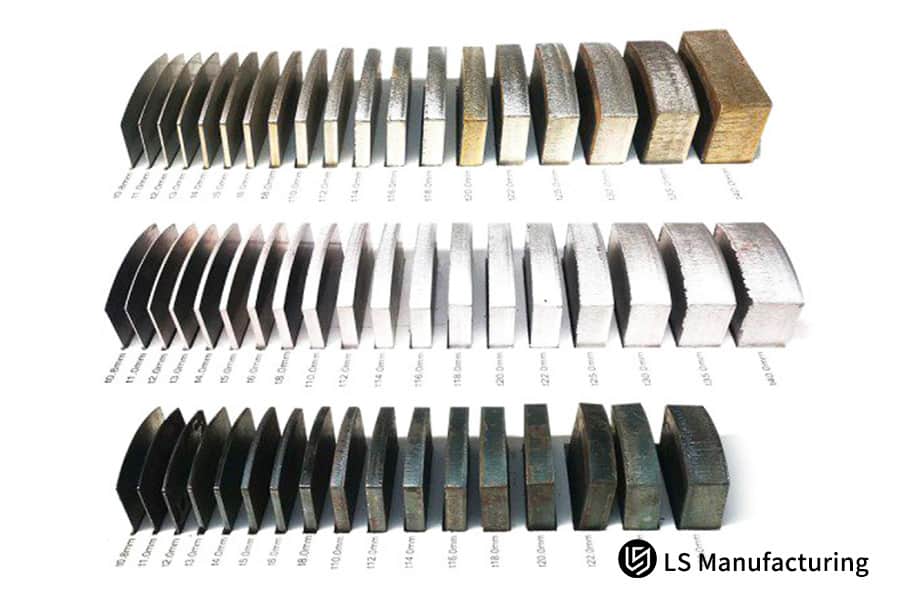
그림 1: 레이저 절단을 위한 다양한 등급의 판금 재료 모음.
R&D 엔지니어링 허용 한도가 실제 레이저 절단 견적 계산에 구조적으로 어떤 영향을 미치나요?
무작위로 허용 오차를 표준 ±0.2mm 대신 ±0.05mm로 설정하면 레이저 절단 견적이 대폭 늘어납니다. 기본적으로 공차 요구 사항이 매우 엄격하여 공정 엔지니어가 빠른 절단 작업을 포기하고 대신 각 단일 구멍에 대한 고주파 검사를 통해 느린 피어싱 공정을 사용하게 되었습니다.
공차 등급 간 비용 차이
- 표준 등급(±0.2mm): 연속 플라잉 컷 공정, 추가 초점 보정이 필요하지 않으며 기계 시간 비용이 기준 값입니다.
- 정밀 등급(±0.1mm): 동적 초점 보상 및 중간 공정 보정이 필요하며 레이저 절단 공차 비용 증가 40%-60%.
- 초정밀 등급(±0.05mm): 단일 구멍 독립 피어싱 + 3차원 검사, 기계 시간 비용이 기준 값의 두 배 이상입니다.
정밀 부품의 경우 많은 R&D 엔지니어의 문제는 특정 공차 표시가 없는 부품 공차의 불확실성입니다.
<인용문>ISO 2768-mk에 따르면 "지정되지 않은 선형 치수 공차는 중간 정밀도 등급에 따라 균일하게 구현되어야 합니다."
이 표준을 완벽하게 준수하려면 기본 표준 차이로 인한 예상치 못한 비용 변동이 없도록 도면 검토 단계에서 불특정 허용 수준을 지정하는 것이 좋습니다.
레이저 절단 공차 비용에 대한 열 응력 보상 논리
- 판금 절단 중에 내부 응력이 방출되어 약간의 뒤틀림이 발생하고 치수 정확도에 영향을 미칩니다.
- 공차 요구사항이 높을수록 절삭력은 낮아지고 냉각 간격은 길어져야 합니다. 정확한 레이저 절단 공차 보정으로 낭비되는 처리 시간이 줄어듭니다.
- 판금 부품이 두꺼울수록 더 큰 열 변형이 발생하며 두께에 따라 공차 프리미엄이 기하급수적으로 증가합니다.
예를 들어, 로봇 관절은 원하는 정밀도 수준에서 치수 안정성을 얻기 위해 절단을 분할하고 세그먼트 사이의 자연 냉각을 사용하여 수행되는 정밀 레이저 절단 서비스가 목적에 매우 적합한 우선 부품/영역 유형입니다.
모퉁이를 돌 때 가장 먼저 해야 할 일은 속도를 줄이는 것과 같습니다. 속도를 낮추면 단위 거리당 시간 비용이 자연스럽게급격히 증가합니다.
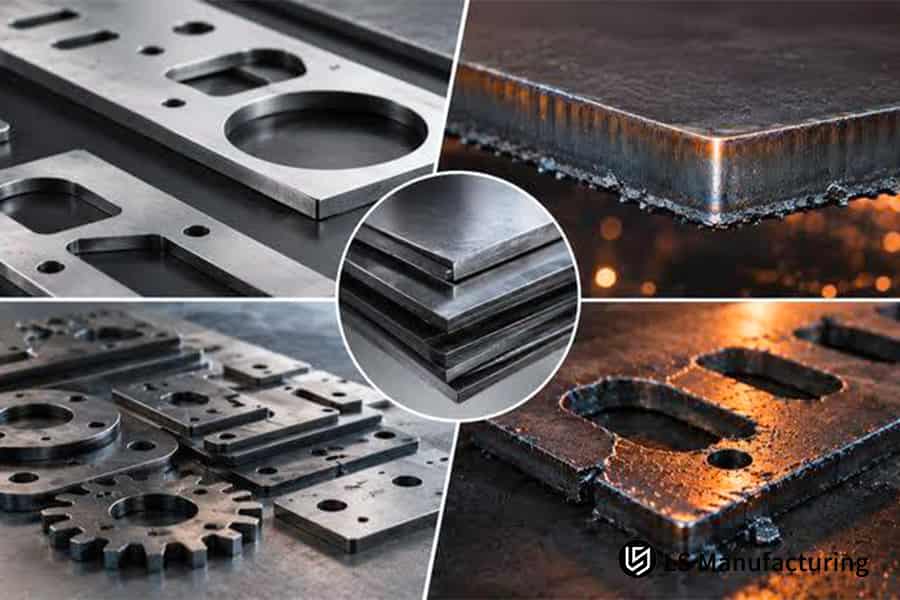
그림 2: 공차가 엄격한 정밀 레이저 절단 기어 및 기계 구성요소.
공격적인 레이저 절단 네스팅 최적화로 최종 판금 조각 가격을 크게 낮출 수 있습니까?
부적절한 부품 간격과 가장자리 허용량을 사용하면 레이저 절단 중첩 최적화의 가능성이 심각하게 감소합니다. 그 결과 판금 활용도가 60%%까지 낮아질 수 있으며 이러한 방식으로 공급망이 팀은 스크랩 비용을 지불해야 합니다. 알고리즘을 통해 공통 가장자리 및 네스팅 레이아웃을 최적화하면 활용도가 85% 이상으로 높아져 단위당 원자재 비용이 절감됩니다.
주류 레이아웃 방법의 비용-이익 비교
<올>다양한 중첩 전략의 비용 효율성 비교(1.5mm 304 스테인레스 스틸, 1220*2440mm 표준 시트 재질)
<테이블 스타일="테두리 축소: 축소; 너비: 100%; 테두리 너비: 1px; 테두리 색상: #000000;" border="1"> <본체> 중첩 방법 시트 자료 활용 드릴링 패스 수 개당 재료 비용 상대적 기준 비용 전통적인 독립 중첩 68% 124 패스 $1.25 100% 공통 가장자리 절단 중첩 79% 78패스 $1.08 86% 브리징 + 공통 에지 하이브리드 네스팅 86% 52패스 $0.99 79%파트 네스팅당 레이저 절단 가격 최적화를 위한 전제 조건
- 부품 모서리를 함께 자르려면 부품 가장자리가 직선이고 평행해야 합니다. 그러나 이렇게 하면 불규칙한 모양의 곡선 부품의 경우 옵션이 매우 제한됩니다.
- 일괄 주문을 처리할 때 중첩 최적화가 아마도 가장 큰 영향을 미칠 것입니다. 상당히 진보된 레이저 절단 네스팅 알고리즘은 시트 재료 활용도를 최대화하는 데 도움이 될 수 있으므로 더 나은 네스팅을 통해 레이저 절단 비용을 크게 줄일 수 있습니다.
- 대형 교환 작업대는 작은 작업대보다 자재 활용률이 10% 이상 높은 전체 시트 중첩을 지원할 수 있습니다.
다른 말로 하면 마치 레고 블록을 가지고 노는 것과 같습니다. 규칙적인 모양의 블록은 더 촘촘하게 포장할 수 있고 더 적은 공간을 차지하므로 개당 비용이 낮아집니다.
레이아웃 최적화는 부품당 레이저 절단 비용을 줄이는 가장 빠른 방법입니다.레이아웃 최적화 백서를 다운로드하여 재료 활용도를 빠르게 개선할 수 있는 세 가지 실용적인 설계 기법을 알아볼 수 있습니다.
미세 기능 제한 및 피어싱 횟수로 인해 레이저 절단 비용 가이드 매개변수가 크게 늘어나는 이유는 무엇입니까?
얇은 판에 가공물의 두께보다 작은 직경을 가진 여러 개의 미세 구멍을 가공하려면 레이저가 수백 또는 수천 번의 펄스 피어싱 주기를 수행해야 합니다. 그래도 레이저 절단 비용 가이드에 따라 처리 시간이 선형적으로 늘어날 뿐만 아니라 국지적인 열 축적 및 변형이 매우 쉽게 발생할 수 있습니다.
미세 홀 가공 시 가공 시간 비용 급증의 논리
<올>레이저 절단 부품당 가격을 위한 미세 구멍 최적화 솔루션
<올>더 나은 이해를 위해 바늘로 종이를 뚫는 것에 비유할 수 있습니다. 구멍이 종이보다 작으면 쉽게 뚫을 수 있고, 구멍이 크면 여러 번 뚫어야 하는데 시간과 바늘이 낭비됩니다.
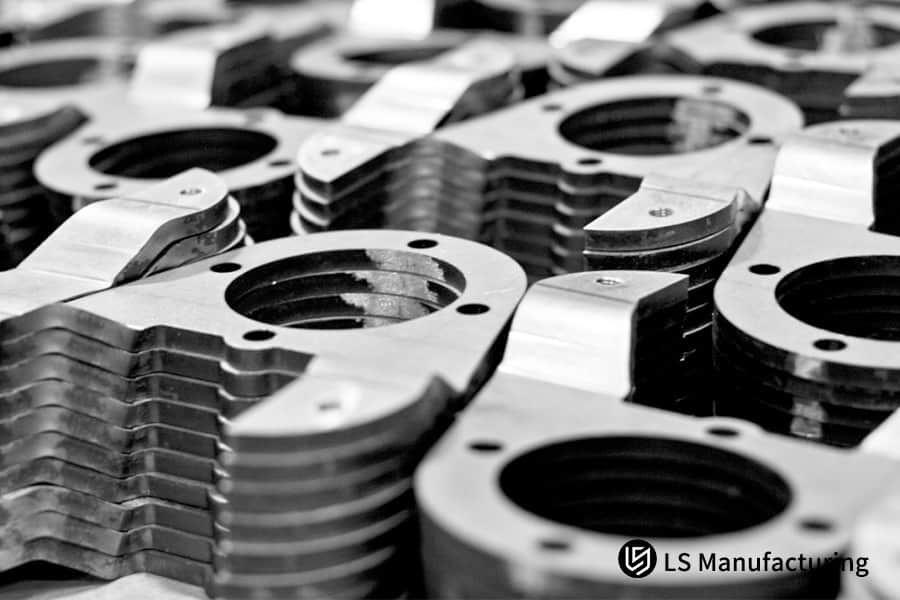
그림 3: 마이크로 기능이 있는 적층된 판금 부품의 흑백 이미지.
보조 가스의 선택이 표면 마감과 전반적인 레이저 절단 견적 효율성을 어떻게 바꾸나요?
보조 가스는 레이저 가공의 직접 비용의 30%~50%를 차지하며, 선택 가스는 레이저 절단 견적의 구성과 궁극적으로 총 소유 비용에 큰 영향을 미칩니다 우선, 산소는 절단 속도가 빠르고 단가가 낮다는 장점이 있지만 산소로 인해 절단 표면에 산화물 층이 생성되면 가공 비용이 증가하게 됩니다. 의사결정은 애플리케이션 시나리오를 기반으로 이루어져야 합니다.
세 가지 유형의 보조 가스에 대한 기술 매개변수 비교
- 산소: 연소 및 열 방출 덕분에 절단 속도가 증가하고 탄소강을 선택하지만 절단 표면에 산화층이 생깁니다.
- 질소: 화학적 반응이 없어 산뜻하고 산화물이 없는 절단 표면을 만드는 보호 가스, 스테인리스강 및 알루미늄 합금이 적합하지만 비용이 더 높습니다.
- 압축 공기: 가장 저렴한 옵션으로 요구 사항이 낮은 얇은 판금 부품에 사용할 수 있습니다. 그래도 절단 표면에 슬래그가 약간 쌓일 수 있습니다.
세 가지 보조 가스의 비용 및 성능 비교(6000W 레이저, 3mm 304 스테인리스 스틸)
<테이블 스타일="테두리 축소: 축소; 너비: 100%; 테두리 너비: 1px; 테두리 색상: #000000;" border="1"> <본체> 가스 유형 Hourly Cost Cutting Speed (mm/min) Surface Roughness Ra Post-processing Requirements Oxygen $1.2 5000 Ra 6.3 Requires acid pickling to remove oxide layer High-purity Nitrogen (99.999%) $8.5 3800 Ra 1.6 None Compressed Air $0.5 4200 Ra 12.5 Requires manual deburringGas Selection Strategy for Laser Cutting Service
- Nitrogen cutting is the optimal method to produce parts for welding or painting. This method avoids the formation of an oxide layer that would degrade the adhesion.
- Oxygen cutting is the most efficient way to maximize the running time of a compressor for the production of pieces made up of carbon steel without exposed or welded surfaces.
- Compressed air cutting is a viable option for low protection pieces. At the same time, tightly regulating the laser cutting gas consumption can markedly curb direct costs.
In a very simple analogy, it is as if you choose the level of protection for painting only ordinary paint is enough for indoor use, while the more durable weather-resistant paint is needed for outdoor use. Making the right choice to meet the needs helps save money.
Appropriate gas selection can directly reduce the total cost of ownership (TCO) of parts. You can contact our process engineers for a customized laser cutting service selection plan based on your part's material and usage scenario.
Which Specific Design Parameters Should Quality Engineers Audit To Reduce Individual Laser Cut Price Per Part?
During the design review phase, quality engineers can implement a technical audit of key geometric features on the drawings to directly influence the machine time billing logic, thereby cutting the laser cut price per part. A good way of lowering the unit processing price per piece is to standardize the corner radius, kerf spacing, and lead wire position of parts.
Geometric Feature DFM Cost Reduction Checklist
<올>Design Adaptation Points for Laser Cutting Nesting Optimization
<올>This can be compared to luggage packing. If the edges and corners are trimmed well, then more items can fit into the suitcase and the shipping price per piece will be cheaper.
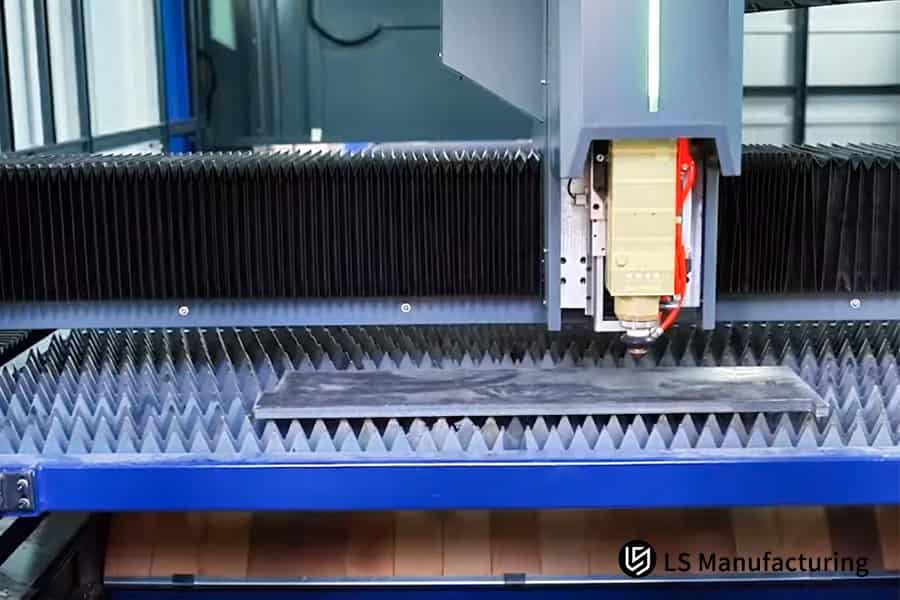
Figure 4: High precision CNC machined parts with smooth surface finishes.
What Custom Manufacturing Case Study Proves LS Manufacturing Can Optimize Your Precision Laser Cutting Service Budget?
By presenting the actual example of LS Manufacturing tailoring high-conductivity copper busbars for new energy vehicle battery packs of a leading automotive parts supplier, we will illustrate how precision laser cutting service, using DFM intervention and advanced equipment configuration, can help clients realize a 32% cost cut plus technical specification maintenance.
Client's Original Problems
- The part being a 3.0mm thick T2 copper conductive busbar with a very dense weight-reducing hole layout, the original method caused large thermal deformations and could not pass IATF 16949 dimensional and flatness inspections.
- Other suppliers gave very high machine time premium prices for high-reflectivity materials, which was over the budget by more than 25% per unit.
- Due to time constraints, conventional methods were incapable of meeting delivery deadlines.
LS Manufacturing Solutions
- Design Optimization: Advising the client to replace sharp edges with rounded corners and changing the wire lead insertion points to avoid heat accumulation while laser head slowing down.
- Process Configuration: Uses a 12000W super intense fiber laser source together with 2.5MPa high-pressure nitrogen gas and anti-reflective optical protection technology that is dynamic.
- Nesting Optimization: Entirely programmed common-edge nesting, high-speed pulse scintillation perforation, and pinpoint laser cutting thermal control to exclude thermal stress warping, instant material vaporization, and heat dissipation (local).
Final Results
- The unit-time for single-piece production was shortened from 85 to 32 seconds, the raw material nesting utilization was stepped up from 68% to 86%.
- Finished product dimensional tolerance has been reliably held within ±0.06 mm, cut roughness Ra has been consistently kept lower than 1.6. Because of this, secondary grinding and leveling are completely eliminated.
- The direct effect of a single-piece purchase price was a drop of 32%, which kept the customer on track with their mass production milestones and was totally in line with IATF 16949 quality standards.
- By laser cutting nesting optimization, this project fully unleashed material utilization and finally cut the laser per-part price by 32%.
Cost reduction for precision parts made of highly reflective materials relies on process capabilities and design experience. You can submit your part drawings and technical requirements, and we will customize a dedicated precision laser cutting service solution for you, providing a precise quote simultaneously.

Why Do Secondary Post-Processing Requirements Significantly Escalate Your Post-Laser Cutting Total Cost Of Ownership?
Post-treatment processes such as manual deburring, secondary leveling and surface polishing after laser cutting often account for more than 20% of the total cost in the laser cutting cost guide. The choice of a manufacturer with a fully integrated processing capability can directly eliminate the logistical and management premium associated with these processes.
Post-Processing Hidden Cost Chain
<올>Value that Integrated Laser Cutting Quotas Bring to Saving Cost
<올>Simply put, it's like buying pre-assembled furniturea one-stop solution that saves you money and time by eliminating the need to hire assemblers.
Post-processing costs often account for one-fifth of total expenditure. You can provide your complete part processing requirements, and we will calculate the total cost of ownership savings for you using integrated laser cutting quotas.
FAQ
Q1: In the global B2B precision machining market, what is the approximate hourly workshop processing rate range for precision laser cutting services for industrial clients?
Currently, the industry machine time cost for precision laser cutting ranges from $60 to $150 per hour, depending on the laser power (e.g., 6kW vs 12kW) and the amount of high-pressure, high-purity auxiliary gas required when cutting highly reflective materials.
Q2: Why is ultra-short-range complex laser contour cutting so much more expensive than standard continuous straight-line cutting for the same processing length?
Complex, irregular contours with sharp corners make the laser head decelerate a lot, accelerate, and continually recalibrate the focus during the process. This drastically increases the actual effective machine tool runtime compared to the continuous straight-line cutting, resulting in a substantial increase in machine time and overall processing costs.
Q3: Why does the tolerance cost related to laser cutting show an exponential upward trend with the thickness of the processed sheet material?
Increasing the thickness of sheet metal not only leads to a higher possibility of internal thermal stress release but also of laser beam deflection, both of which increase exponentially. As a result, the feed rate must be reduced much. Also, dynamic focus compensations and dimensional checks become necessary more frequently, which in turn causes manufacturers to charge higher tolerance premiums.
Q4: Is it possible to directly apply the currently mainstream common-edge laser cutting layout optimization technology to all types of customized sheet metal parts?
The technology is mainly designed for array-type parts with regular edges and parallel straight edges. So, it cannot be directly applied to irregularly shaped parts with complex curves or interferences- the layout must keep at least a one-sheet thickness safety distance to prevent thermal burns.
Q5: Generally speaking, what is the minimum hole diameter standard for a part not to increase laser cutting material costs and processing budget?
General sheet metal DFM engineering guidelines recommend that the minimum hole diameter in the drawings should be controlled with the ratio of at least 1:1 to the thickness of the material. Running below this standard would trigger high-frequency pulse piercing, because of this Really increasing processing time and budget.
Q6: Why global purchasing managers should prioritize nitrogen-assisted cutting over traditional oxygen-assisted cutting for stainless steel parts?
Nitrogen, being an inert protective gas, completely isolates the cut from the environment, thereby preventing oxidation and creating a bright, clean surface without impurities. because of this, it avoids the need for additional manual cleaning, acid pickling, polishing etc. thereby reducing the total cost of ownership (TCO).
Q7: How would a production order of larger size change the proportion of upfront costs in a laser cutting quotation?
Layout of CAD drawings, machine parameter setup and adjustment, trial cuts for laser processing are examples of fixed upfront costs. Starting from single-piece sampling, through intermediate quantities and up to mass production, large orders 'absorbing' these setup costs can drive the per-piece price fall by even more than 90%.
Q8: What is the process to decide whether mechanical leveling or deburring is necessary for customized sheet metal parts?
Thermal stress due to localized heating resulting from heavily perforated drawings or the nature of the material (copper aluminum etc.) is often left. LS Manufacturing's one-stop leveling & deburring service is the ideal choice to help you avoid in-store post-processing costs. Besides quotation, you will also get a cost optimization solution by uploading your drawing.
요약
Typically, the cost of precision laser cutting is regarded as a complex engineering formula influenced by the metallurgical properties of the sheet metal, thermal control of the aperture, choice of auxiliary gas, permissible tolerance limits, and nesting algorithms. One way to maximize the profit margins upon drawing release is to design parts by optimizing their thickness-to-diameter ratios, allow common-edge nesting, and set gas standards rationally, the R&D and procurement teams would, of course, be involved in this process.
Does your next challenging sheet metal job require more budget than expected or presents manufacturing feasibility (DFM) issues that cause delays? In that case, don't let the use of broad estimation formulas to delay your product launch. Send your STEP, DXF, or DWG drawings to ready to help you manufacturers' team of experts. Our experts not only give you very competitive and clear laser cutting prices but, at the same time, our senior manufacturing engineers conduct free DFM drawing technical evaluations to guarantee the cost-effectiveness and high quality of the realization of your precision designs.
📞전화: +86 185 6675 9667
📧이메일: info@lsrpf.com
🌐웹사이트:https://lsrpf.com/
면책조항
이 페이지의 내용은 정보 제공 목적으로만 제공됩니다.LS Manufacturing services정보의 정확성, 완전성 또는 유효성에 대해 명시적이든 묵시적이든 어떠한 진술이나 보증도 하지 않습니다. 제3자 공급업체나 제조업체가 LS Manufacturing 네트워크를 통해 성능 매개변수, 기하학적 공차, 특정 설계 특성, 재료 품질 및 유형 또는 제작 기술을 제공할 것이라고 추론해서는 안 됩니다. 구매자의 책임입니다.부품 필요견적 이 섹션에 대한 특정 요구사항을 확인하세요.자세한 내용은 문의해 주세요.
LS 제조팀
LS Manufacturing은 업계를 선도하는 기업입니다. 맞춤형 제조 솔루션에 중점을 둡니다. 우리는 5,000명이 넘는 고객과 15년 이상의 경험을 보유하고 있으며 고정밀CNC 가공,판금 제조, 3D 인쇄,사출 성형에 중점을 두고 있습니다.금속 스탬핑 및 기타 원스톱 제조 서비스.
저희 공장에는 ISO 9001:2015 인증을 받은 100개 이상의 최첨단 5축 머시닝 센터가 갖춰져 있습니다. 우리는 전 세계 150여 개국의 고객에게 빠르고 효율적인 고품질 제조 솔루션을 제공합니다. 소량 생산이든 대규모 맞춤 제작이든 24시간 이내에 가장 빠른 배송으로 고객의 요구를 충족시켜 드립니다. LS제조를 선택하세요. This means selection efficiency, quality and professionalism.
To learn more, visit our website:www.lsrpf.com