日本語
日本語 



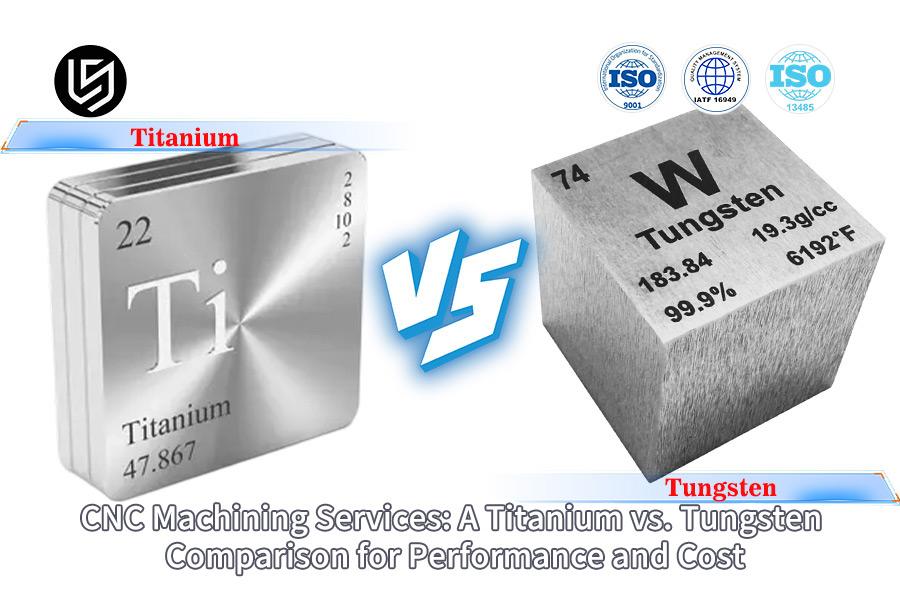
CNC加工サービスは、チタンとタングステンのどちらを選択するかという、技術的にも経済的にも重要な決定において、極めて重要な役割を果たします。これは、チタンの強度対重量比と耐食性、そしてタングステンの密度と耐熱性といった、多次元的なトレードオフを伴います。さらに、チタンの粘着性やタングステンの硬度といった加工上の課題と材料特性とのバランスも考慮する必要があります。これらの課題は、工具、生産スケジュール、そしてプロジェクト全体のコストに直接影響を与えます。
問題は、コストとパフォーマンスに関する評価に必要な枠組み全体を無視する、従来の考え方に起因しています。材料費については過剰に、製造コストの変動要因については過小に懸念が持たれています。そのため、所有コストが予想以上に高くなってしまいます。本稿では、 LS Manufacturingが過去20年間培ってきた難削材に関する知見に基づき、コストとパフォーマンスの最適なバランスを実現する、科学に基づいた材料選定基準を提案します。
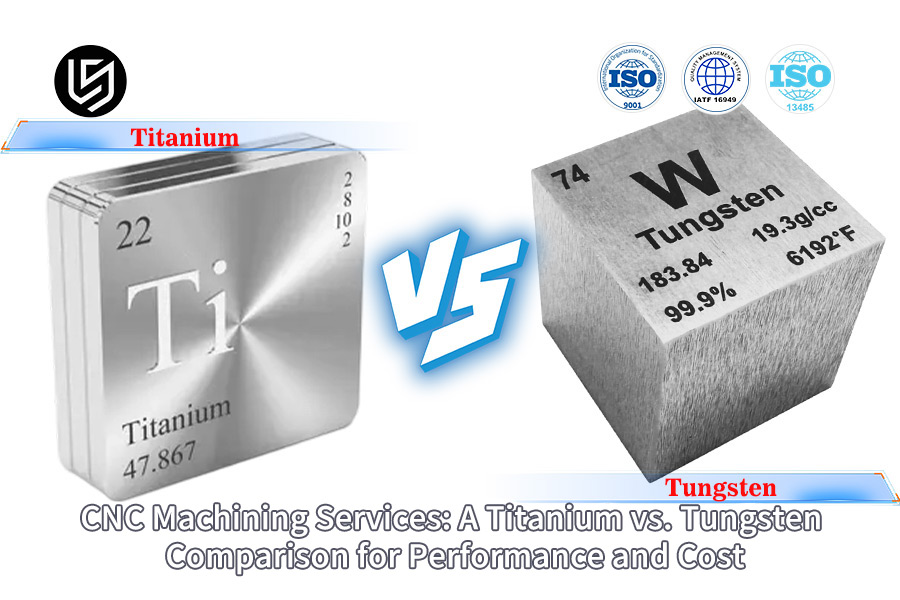
チタンとタングステンの比較表
| パラメータ | チタン | タングステン |
| 密度(g/cm³) | 4.5 | 19.3 |
| 融点(℃) | 1,668 | 3,422 |
| 引張強度(MPa) | 900~1,200 | 1,000~1,500 |
| 硬度(HV) | 250~350 | 300~500 |
| 熱伝導率(W/m・K) | 6.7 | 173 |
| 被削性 | 難しい | 非常に難しい |
| コスト(原材料費) | 高い | 非常に高い |
| 耐腐食性 | 素晴らしい | 良い |
| 重量 | ライト | 非常に重い |
| アプリケーション | 航空宇宙、医療、海洋 | 切削工具、装甲、電気 |
チタンのCNC加工は、航空機や生体医療用途において、優れた強度重量比と耐腐食性をもたらします。切削工具や保護具には極めて高い硬度と密度を提供しますが、重く脆いため、他の用途には比較的適していません。どの材料を選択するかは、軽量化と性能向上を重視するか、高密度化と耐摩耗性を重視するかによって異なります。
このガイドを信頼する理由とは?LS製造のエキスパートによる実践的な経験
このマニュアルは、重要な機械部品の加工において15年以上にわたる実務経験に基づいて作成されているため、非常に有効です。チタンとタングステンの両方を使用して加工された部品は数えきれないほど多く、材料の選択が決して机上の空論では済まされない複雑な形状の部品が合計5万点以上加工されています。
提供されるスキルセットは、 チタンとタングステンのトレードオフによって特徴づけられる分野に特化しています。航空宇宙構造に関連するチタンの機械加工は、強度対重量比が絶対的な要件であり、部品形態のタングステンの機械加工は、密度と熱特性に関連する特性に関する絶対的な能力を特徴としています。プロバイダーとして、仕様書に記載されているどの分野にも含まれていない実践的なガイダンスを、この直接的な知識スキルセットの分野で提供します。
推奨事項の正確性を最大限に確保するため、当社のシステムで使用される材料プロセスは、全米表面処理協会(NASF)やアルミニウム協会(AAC)などの権威ある団体が策定した業界標準に厳密に準拠しています。これは、業界における最新の技術的ベストプラクティスに関する情報を常に把握し、推奨事項の結果に関して最適な品質レベルを提供することを可能にするためです。
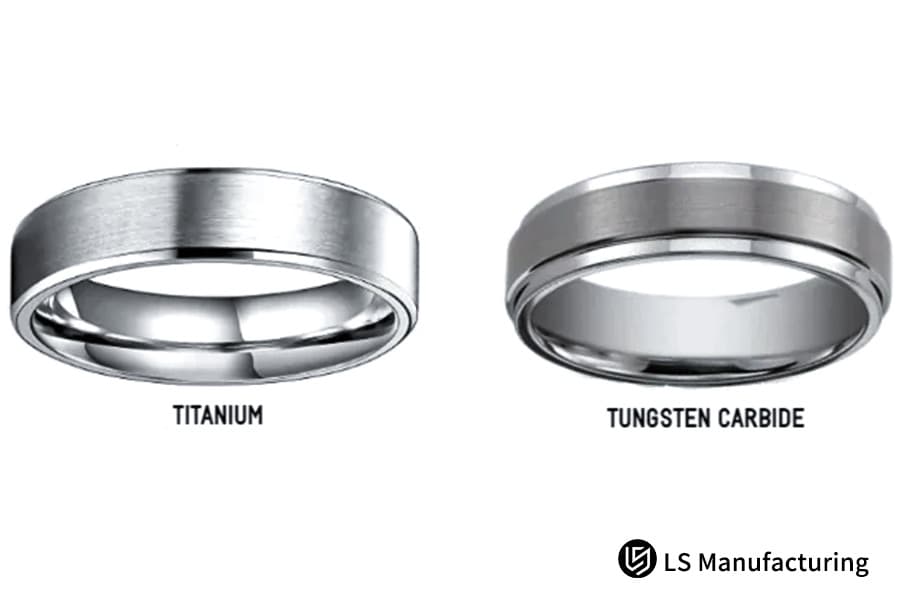
図1:LS Manufacturing社によるチタンおよびタングステンカーバイド加工に最適な材料の選定
CNC加工におけるチタン合金とタングステン合金の主な違いは何ですか?
CNC加工におけるチタンとタングステンの選択は、多くの場合、材料比較に基づいています。 チタンの利点としては、優れた強度対重量比と高い耐食性が挙げられます。一方、チタンの欠点は、焼き付きを起こしやすいことです。タングステンの利点としては、高い密度と非常に高い融点が挙げられます。この材料比較は、加工方法、工具の選定、そして全体的な生産コストに直接影響を与えます。
財産 | チタン(Ti-6Al-4V) | タングステン(純) |
密度 | 4.5 g/cm³ | 19.3 g/cm³ |
融点 | 1,668℃ | 3,422℃ |
硬度(ビッカース) | 150~200 HV | 343 HV |
引張強度 | 950~1100 MPa | 1510~1650 MPa |
熱伝導率 | 低(6.7 W/m·K) | 中程度(173 W/m·K) |
被削性評価 | 中程度(50%) | 低(40%) |
要約すると、チタンとタングステンの加工における重要なポイントは、異なるアプローチを選択することです。チタンは加工硬化特性を持つため、鋭利な切削工具と適切な冷却システムを使用する必要があります。一方、タングステンは硬度が高く耐摩耗性に優れているため、特殊な超硬工具と低速切削を使用する必要があります。この材料比較から、特定の用途条件と加工条件に応じて適切な材料を選択する必要があることがわかります。

CNC加工において、チタンとタングステンのどちらを選ぶべきか?
CNC加工用のチタンタングステンを選ぶには、特定の用途要件に基づいた体系的な材料選定が必要です。材料選定プロセスでは、力学、環境、コストのバランスを考慮します。適切な材料の選択は、製造プロセスにおける部品の機能性に影響を与えます。
選考基準 | チタン | タングステン | 主な用途 |
密度 | 4.5 g/cm³(軽量) | 19.3 g/cm³(非常に高密度) | 航空宇宙分野とカウンターウェイトの比較 |
融点 | 1,668℃ | 3,422℃ (最高金属) | ジェットエンジン対ロケットノズル |
硬度 | モース硬度約6 | モース硬度8.5~9(炭化物) | 構造部品と切削工具 |
引張強度 | 最大1,000MPa | 550~620 MPa | 高強度部品 |
耐腐食性 | 非常に良い(酸化層) | 良い(酸性度が低い) | 海洋産業対工業産業 |
被削性 | 良い(特殊工具) | 劣悪(EDM/ダイヤモンド) | 複雑な形状と単純な形状 |
結論として、チタンタングステンの選択方法は、用途要件の優先順位付けによって決まります。これには、軽量化や耐食性を目的としたチタンの使用、高温や高密度を必要とする用途への重点的な考慮も含まれます。
CNC加工は、チタンとタングステンのコストをどのようにバランスさせることができるのか?
費用対効果の高いCNC加工を実現するには、材料加工について綿密な検討が必要です。バリューエンジニアリング分析は、初期投資と将来の性能との経済的なバランスを取り、ライフサイクルコストを最小限に抑えるために用いられます。
- 材料選定戦略:強度重量比が高いことから、航空機にはチタン合金の使用が推奨される。高価ではあるが、軽量化による燃料節約効果は莫大である。したがって、航空機の一部においては最も経済的な選択肢となる。
- 加工最適化:タングステン合金は、耐摩耗性が重要な高温金型の製造により適しています。このプロセスは、材料と加工工程の関係で初期コストは高くなりますが、経済的な観点からはより実現可能です。
- ライフサイクルコスト分析: CNC加工の費用対効果は、製品のライフサイクル全体を通して評価されます。原材料の耐久性、 CNC加工による原材料の加工性、ライフサイクルコスト後の製品のリサイクルなどが考慮されます。
費用対効果の高いCNC加工を実現するには、総合的なアプローチを採用することが重要です。製造業者は、材料特性と要求仕様とのバランスを確保する必要があります。バリューエンジニアリングとライフサイクルコスト分析を通じて経済的なバランスを追求することで、高性能な製品を生み出すことができます。
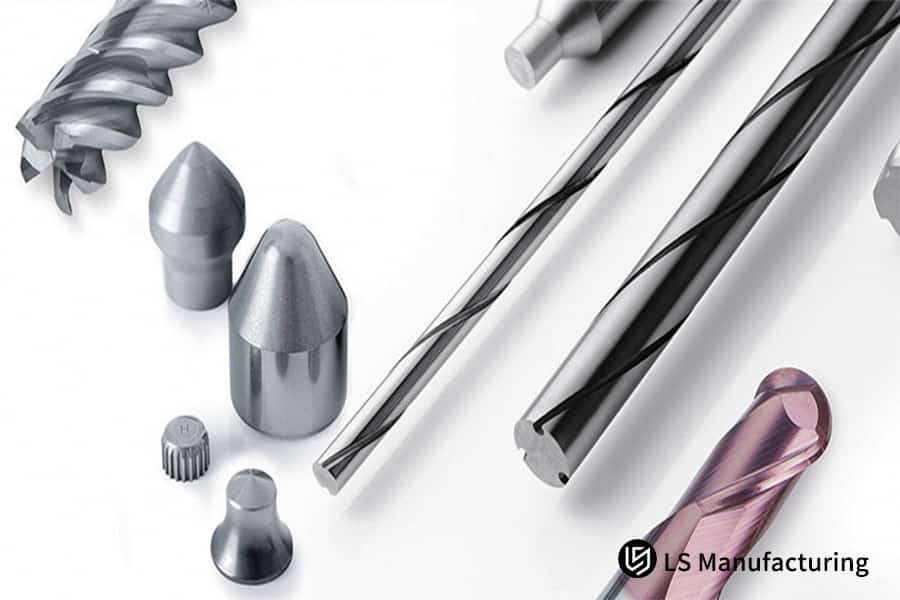
図2:LS ManufacturingによるCNC加工用経済材料の選び方ガイド
チタンおよびタングステン材料の主要性能パラメータは、部品設計にどのように影響しますか?
チタンタングステンの特性は材料ごとに異なり、その性能パラメータは設計に影響を与えます。エンジニアは、材料を最大限に活用した設計を行うために、以下に挙げるパラメータの重要性を理解することが重要です。各材料にはそれぞれ独自の利点があります。
- チタン合金の設計上の考慮事項:降伏強度は900MPa 、密度は4.5g/cm³と評価されていますが、軽量性だけでなく長寿命も求められる航空宇宙製品にとって魅力的な特性であるため、構造に影響を与えない軽量設計特性をチタン合金に活用することは依然として可能であるはずです。
- タングステン合金の設計用途:タングステン材料の他のすべての特性と比較して、密度が19g/cm³と最も高く、熱伝導率も最も高いため、放熱性を向上させるための質量濃度が最も高いことから、用途が最も多くなっています。チタンタングステンの特性は、放射線防護、軽量性、耐熱金型など、材料の用途において次のような利点があります。
- 性能パラメータの統合:材料選択が設計に与える影響は、機械的特性だけにとどまらず、製造性や仕上げ要件も考慮する必要があります。エンジニアは、必要な材料が両方の要件を満たすかどうかを判断するために、加工性、溶接性、熱膨張係数を検討しなければなりません。
設計においてチタン合金とタングステン合金の用途を選択する際には、常に慎重な検討が必要です。これは、それぞれの性能パラメータについて、最適な設計上の利点を得るために詳細な分析が必要となるためです。設計におけるチタン・タングステン特性に関する知識は、設計における最も困難な要求を考慮した、斬新で革新的な設計に不可欠です。
タングステン合金のCNC加工には、どのような特殊な加工技術が必要ですか?
タングステンの機械加工は、精度と効率性を実現するために専門的なアプローチを必要とする特有の課題を伴います。この材料の並外れた硬度と高い融点は、製造上の制約を克服し、高品質な部品を提供するために、専用の特殊加工プロセスと包括的な技術サポートを必要とします。
- 高度なツーリングソリューション:タングステン加工では、切削工具は材料の硬度に耐えられる能力を備えている必要があります。この要件を満たすためにPCD工具が必要となります。PCD工具を使用することで、標準的な超硬工具と比較して、工具の硬度を大幅に向上させることができます。
- 冷却・潤滑システム:高圧冷却システムは、タングステン加工における重要な特殊技術として知られています。冷却システムでは、1000psi以上の圧力で冷却液が加工領域に注入されます。このプロセスにより、熱の除去と切削屑の除去が促進されます。このプロセスを用いることで、加工硬化を防ぐことができます。
- 加工パラメータの最適化:技術サポートには、低速、高送り、浅い切削深さで行われる加工パラメータの最適化が含まれるため、加工中の発熱を最小限に抑えることができます。その結果、工具寿命の長い効率的なタングステン加工が実現します。
タングステン材料のCNC加工を成功させるには、高度な設備によって得られる知識を活用した包括的な計画が必要です。特殊な加工プロセスシステムを実行することで、業界は材料の特性によって生じる課題に対処できるようになります。
チタン合金のCNC加工における加工硬化の問題を克服するには?
CNC技術を用いた機械加工において、 チタンのCNC加工に伴う加工硬化プロセスは、いくつかの課題をもたらします。チタンの加工硬化は、工具に大きな摩耗を引き起こすような形で材料に影響を与えます。
- 温度制御戦略:チタンのCNC加工を加工硬化を起こさずに成功させるには、温度制御が不可欠です。熱伝導率が不十分なため、加工中にカッターの刃先にホットスポットが発生します。そのため、加工中の加工硬化を防ぐため、臨界温度以下の温度制御が重要となります。
- 先進的な潤滑ソリューション:最小量潤滑(MQL)技術の重要な成果の一つは、チタン金属製造プロセスにおける加工硬化の影響を軽減することです。その結果、表面品質が向上し、工具摩耗が低減され、工具寿命が延びます。
- 加工パラメータの最適化:チタンのCNC加工において、加工パラメータを変化させる切削プロセスは、加工の成功に不可欠です。切削速度、送り速度、切削深さを変化させることで、過熱を防ぎ、加工硬化を心配することなく、表面粗さRa 0.4ミクロンという良好な表面仕上げを実現できます。
チタンのCNC加工において発生する加工硬化という課題を踏まえ、温度管理、最新の潤滑方法の導入、機械パラメータの最適化などを含む総合的な戦略を採用することが重要です。これらの対策をすべて実施することで、加工効率を損なうことなく、加工面の表面品質を容易に向上させることができます。
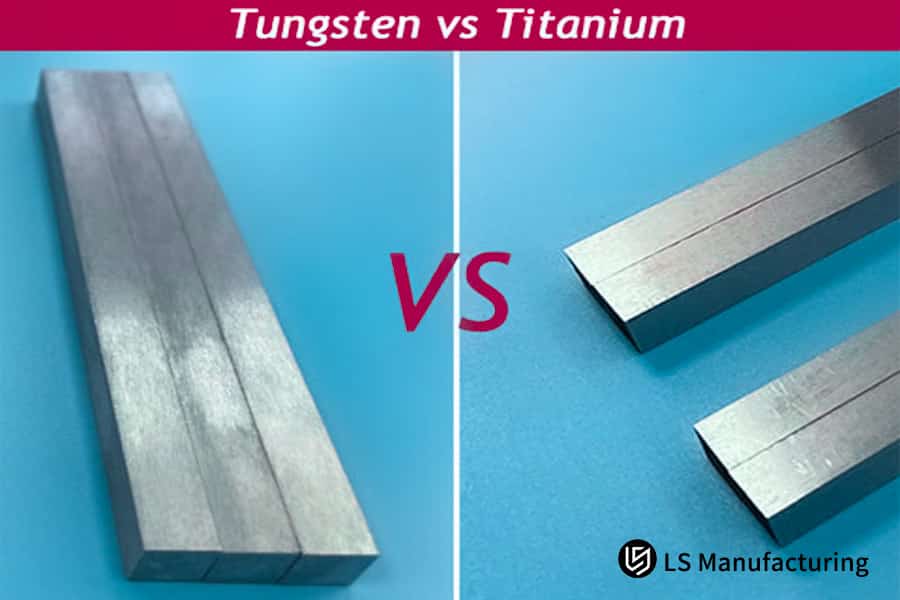
図3:LS Manufacturing社によるCNC加工材料比較(チタン対タングステン)
チタン・タングステン材料を選定する際に、最適なコストパフォーマンス比を実現するにはどうすればよいでしょうか?
チタンとタングステンの最適な材料選択には、複数の相反する要素のバランスを取る体系的なアプローチが必要です。費用対効果を最大限に高めるには、それぞれの材料の潜在能力を最大限に引き出しつつ、コストを最小限に抑えるために、あらゆる要素を総合的に調査する必要があります。
多基準意思決定フレームワーク
最適な材料選定には、多目的意思決定モデルの構築が不可欠です。意思決定の構造には、強度要件、環境耐性、加工性、そして将来の総コストなど、定性的および定量的な幅広い基準が含まれます。モデルにおける意思決定基準に基づき、エンジニアは意思決定変数に特定の重みを割り当てることで、対象となる2つの材料の選定に関する意思決定分析を行うことができます。
品質機能展開(QFD)分析
QFD(品質機能展開)手法は、顧客ニーズを最適な材料選定のための技術仕様に変換するための体系的なアプローチを提供します。この手法は、顧客の要求に基づいて材料の利用に関する技術要件を満たすのに役立ちます。技術分析は、強度対重量比、耐熱性、耐腐食性、耐久性などのパラメータに関連する側面で構成されます。
総所有コスト(TCO)評価
最適な材料選定は、初期材料費を考慮するだけでなく、製品ライフサイクル全体におけるあらゆる要素を考慮する必要があります。実際、総所有コスト分析、さらにはライフサイクルコスト分析と呼ばれる手法でさえ、材料費、加工費、メンテナンス費用、製品の廃棄またはリサイクル費用といった要素を含みます。過酷な使用条件下では、チタンやタングステン合金などの高級材料が提供する長寿命化と信頼性向上は、コスト面から見て十分に正当化されます。
最適な材料選定を実現するには、技術的性能、経済的実現可能性、および運用効率を統合した包括的なアプローチが必要です。製造業者は、 QFD分析などの意思決定手法を適切に適用することで、 チタン合金やタングステン合金などを適切に比較検討し、より優れた価値を見出すことができるようになります。
CNC加工用の材料を選定する際に考慮すべき主要なコスト要因は何ですか?
CNC加工における材料選定には、製造プロジェクトの最適な総コストを決定するために、複数のコスト要因を包括的に評価する必要があります。製造業者は、初期の材料購入価格だけでなく、加工効率、工具摩耗、廃棄物管理なども考慮に入れ、真のコスト効率を実現しなければなりません。
材料調達コスト
この材料の取得コストは、 CNC加工材料の計算の基礎となります。対象となる材料、例えば異なる合金や材料グレードは、市場コストに関して大きなばらつきがあります。チタンやインコネルなどの他の材料は、アルミニウムや鋼などの材料よりもコストが高くなります。さらに、材料の形状(棒、板、ブロック)や数量割引は単位コストに影響を与えるため、総コスト最適化においては大量購入戦略が重要な検討事項となります。
処理効率要因
被削性は生産時間と人件費に直接影響するため、材料選定における重要なコスト要因となります。切りくず排出に適した特性を持ち、靭性の低い材料は、切削速度を低く抑えることができ、容易に加工できます。一方、加工が難しい材料は、送り速度を低くして加工されます。被削性には4つの等級があることに留意してください。
工具および機器の摩耗
CNC加工材料における高コスト要因の一つは、工具交換頻度の高さです。硬い材料は工具の摩耗が激しく、結果として工具の交換や再研磨の頻度が高くなります。これは直接的な工具コストの増加だけでなく、工具交換のための機械停止時間の増加にもつながり、生産スループットの低下や部品あたりの総コストの上昇を招きます。
廃棄物管理とスクラップ料金
材料利用効率も、 CNC加工材料の総コストに影響を与える重要な決定要因となり得る。これは、複雑な形状の材料からは大量の廃棄物が発生するという根本的な理由に基づいている。一方、同様に考慮すべき重要な観点としては、切削屑の製造に使用される材料のリサイクル価値や、有害物質の廃棄費用などが挙げられる。
CNC加工における材料選定を成功させるには、すべてのコスト要因のバランスを取り、最適な総コストを実現する包括的なアプローチが必要です。材料調達、加工能力、材料加工用ツール、さらには廃棄物処理にかかるコストに関連するすべての要因を総合的に考慮すると、材料選定において重要な要素がいくつか浮かび上がってきます。
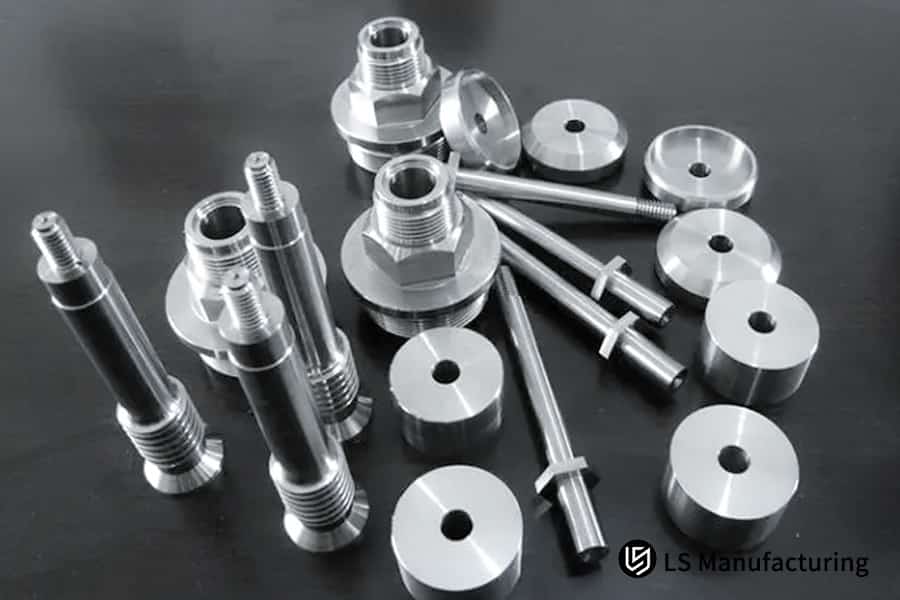
図4:LS Manufacturing社による黒背景上の精密チタンCNC加工部品
LSマニュファクチャリング航空宇宙部門:エンジンタービンブレード材料最適化プロジェクト
LSマニュファクチャリング社は、エンジンタービンブレードの材質と構造を革新的に最適化することで、航空宇宙分野における重要な課題を見事に解決しました。この画期的な技術により、耐熱性と軽量化の完璧なバランスを実現し、次世代推進システムにおいて卓越した性能向上と大幅なコスト削減を達成しました。
クライアントの課題
航空宇宙エンジンメーカーは、このエンジンのタービンブレードの製造においていくつかの問題を抱えていた。従来のニッケル合金は軽量化に適しておらず、純タングステン合金のレーザー焼結製造プロセスはコストがかかる。顧客は、強度、軽量化、経済性といった点で満足のいくエンジンタービンブレードを製造できる適切な代替材料を求めていた。
LSマニュファクチャリングソリューション
LSマニュファクチャリング社は、 チタンアルミニウムマトリックス複合材料を代替材料として用いることで、画期的なソリューションを提案しました。同社は、この材料専用に開発された最適な加工パラメータを採用し、5軸同時加工技術を用いることで、必要な構造強度と最適な重量を両立させました。このソリューションは、材料の構造強度と重量の最適なバランスを実現している点で、まさに最適と言えるでしょう。
結果と価値
本プロジェクトの成果は、あらゆる面で卓越したものでした。エンジンのタービンブレードの軽量化プロセスは35%向上し、より高い動作温度においても20%の改善が達成されました。さらに、上記の改善に加え、LS Manufacturing社による上記の開発成果と相まって、採用されたプロセスにおける単位コストを40%削減することに成功しました。LS Manufacturing社は、航空宇宙部品の最適化における能力が評価され、顧客から技術革新賞を受賞しました。
LS Manufacturing社がエンジン用タービンブレードの材料最適化プロセスを通じて生み出した革新分野において、同社は航空宇宙産業の顧客からの要求を十分に満たしました。LS Manufacturing社は新素材の最適な加工性を効率的に活用し、当社にとって最大の利益をもたらし、航空宇宙部品製造業界における重要なプレーヤーとしての地位を確立しました。
チタンおよびタングステン材料において、最高のコストパフォーマンスをお求めですか?こちらをクリックして、無料の加工評価をお申し込みください。

ハイエンド製造における先端材料の応用動向分析
先端材料は、高付加価値製造業を変革しており、その驚異的な特性によってもたらされるイノベーションに伴い、この傾向は急速に拡大しています。材料分野における新たな技術進歩は、これらの材料の製造における将来の発展可能性を確立しています。
チタンマトリックス複合材料
先端材料分野において、チタンマトリックス複合材料の開発は、高温耐性と比強度という魅力的な特性を持つ重要な成果の一つです。この材料は、航空宇宙分野や生物医学分野で幅広く活用されています。これらの分野における応用拡大の傾向は、この材料が過酷な環境下で将来的に発展する可能性を秘めていることを示しています。
ナノタングステン合金
ナノタングステン合金は、機械的特性と熱安定性が向上した有望な先端材料として注目を集めています。その独自の微細構造により、極限条件下での耐摩耗性と寸法安定性が向上します。これらの応用動向は、防衛、エネルギー、産業用工具分野において特に重要であり、高性能用途における将来的な発展の大きな可能性を示しています。
材料統合技術
こうした多様な先端材料をハイブリッド製造技術に応用することは、将来的に重要な位置を占める可能性のある一つのカテゴリーに分類されるだろう。ハイブリッド製造とは、異なる材料の特性を一つの製品に組み合わせる能力と定義できる。これは、将来の様々な技術開発において非常に有益となるだろう。
持続可能性とリサイクル性
環境は、先端材料分野における応用動向を検討する上で最も重要な要素の一つです。リサイクル可能な複合材料や環境に配慮した生産技術に関する問題は、材料選定において最も重要な要素となります。
先端材料の進化は、高付加価値製造分野においても、革新的な応用動向から将来的なさらなる進歩へと継続的に移行している。材料技術の進歩に伴い、効率性と持続可能性を実現するための新たな応用機会も生まれている。
よくある質問
1. チタン合金の加工コストは、タングステン合金の加工コストとどのように異なりますか?
タングステン合金の加工コストは、上記の点を考慮しても、材料費やチタン合金のコストの2~3倍であり、製品の複雑さによって左右される。
2. 高温環境下での加工において、チタンはタングステンよりもどのような点で経済的ですか?
500℃以下の温度範囲では、対象物としてチタン合金が推奨されます。500 ℃以上の温度範囲では、タングステン合金を使用する必要があります。動作条件の無料分析
3. どちらが小ロットのプロトタイプ製作に適していますか?
設計プロセスにおいて、最初のプロトタイプ設計には、他の材料よりも安価なチタン合金材料を使用する予定です。
4. 材料の変動が総コストに与える影響をどのように測定するか?
材料費、加工費、メンテナンス費は、当社の包括的なライフサイクルコスト分析ソリューションを利用する際に考慮される費用の一部にすぎません。プロジェクトの詳細な価格内訳が必要な場合は、オンラインでCNC加工の見積もりを即座に入手できます。
5.特殊材料の納期をどのように保証していますか?
また、特殊仕様の材料の納入を待つ間、標準仕様の材料が確実に供給されるよう、材料供給業者と提携しています。このプロセスには4週間かかります。
6.性能テストレポートのサンプルをご提供いただけますでしょうか?
当社では、お客様に対し、完全な材料証明書および試験報告書を発行することができます。
7. 新しい材料を扱う際に必要なプロセス検証はどれですか?
新しいプロセスの信頼性と正確性を確保するために、試作プロセス検証、金属組織学的検証、性能検証といった3段階の検証方法が用意されています。
8. 難削材の加工において、低品質になる危険性を回避するための方法は何ですか?
欠陥を取り除くために品質管理プロセスが開発され、安定した品質レベルを追求するためにSPC(統計的プロセス管理)が適用された。
まとめ
最先端の材料選定手法と材料加工技術を統合することで、チタンやタングステンといった材料の性能を最大限に引き出すことが可能になります。難削材加工における専門知識を最大限に活用するため、同社は顧客に包括的なターンキーソリューションを提供しています。
材料が必要な場合は、LS Manufacturingまでお気軽にお問い合わせください。お客様のプロジェクトに対し、無料の材料分析と工程計画を作成いたします。当社の専門家チームが、材料のコストパフォーマンス分析に基づき、お客様のプロジェクト要件を評価し、最適な戦略的な工程を策定いたします。
チタンおよびタングステン材料の選定と加工に関する、性能とコストの最適なバランスを実現するカスタマイズソリューションをご提供します!
📞電話番号:+86 185 6675 9667
📧メールアドレス:info@lsrpf.com
🌐ウェブサイト: https://lsrpf.com/
免責事項
このページの内容は情報提供のみを目的としています。LS Manufacturing サービスでは、情報の正確性、完全性、有効性について、明示的または黙示的な表明または保証は一切ありません。第三者のサプライヤーまたは製造業者が、LS Manufacturing ネットワークを通じて、性能パラメータ、幾何公差、特定の設計特性、材料の品質と種類、または製造技術を提供するものと推測すべきではありません。これは購入者の責任です。部品の見積もりが必要な場合は、これらのセクションの具体的な要件を特定してください。詳細についてはお問い合わせください。
LS製造チーム
LS Manufacturingは業界をリードする企業です。カスタム製造ソリューションに特化しており、20年以上の経験と5,000社以上のお客様との実績があります。高精度CNC加工、板金加工、3Dプリンティング、射出成形、金属プレス加工など、ワンストップの製造サービスを提供しています。
当社工場は、ISO 9001:2015認証を取得した最新鋭の5軸加工センターを100台以上保有しています。世界150カ国以上のお客様に、迅速、効率的、かつ高品質な製造ソリューションを提供しています。少量生産から大規模なカスタマイズまで、お客様のニーズに24時間以内の最短納期で対応いたします。LS Manufacturingをお選びください。効率性、品質、そしてプロフェッショナリズムをお選びいただくことを意味します。
詳細については、当社のウェブサイト( www.lsrpf.com )をご覧ください。