Deutsch



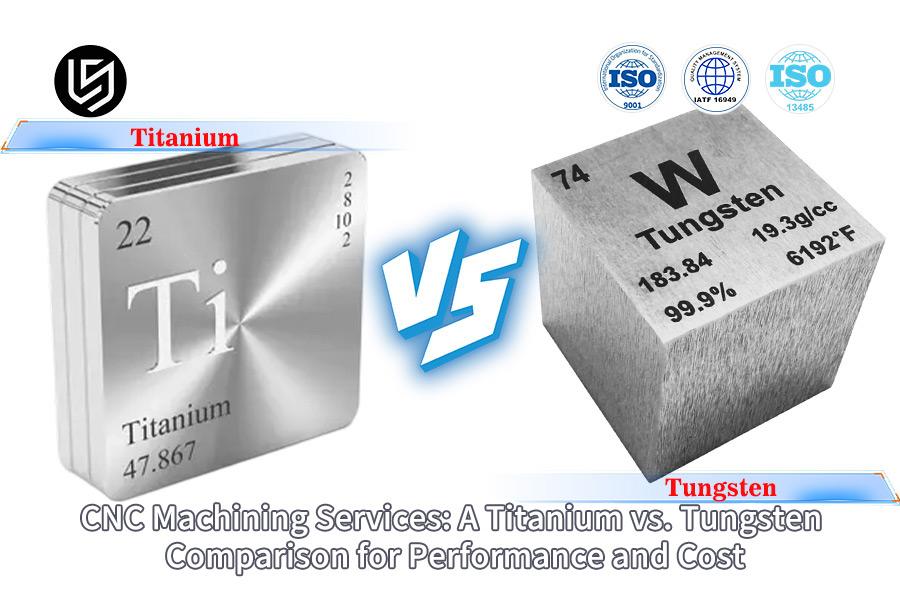
CNC-Bearbeitungsdienstleistungen spielen eine entscheidende Rolle bei der Wahl zwischen Titan und Wolfram – einer wichtigen technischen und wirtschaftlichen Entscheidung. Dabei gilt es, verschiedene Faktoren abzuwägen: das Verhältnis von Festigkeit zu Gewicht und die Korrosionsbeständigkeit von Titan stehen der Dichte und der thermischen Belastbarkeit von Wolfram gegenüber . Zudem müssen die Materialeigenschaften gegen die Herausforderungen der Bearbeitung – wie die Zähigkeit von Titan und die Härte von Wolfram – abgewogen werden , die sich direkt auf Werkzeuge, Produktionszeiten und die Gesamtprojektkosten auswirken.
Das Problem rührt von einer traditionellen Denkweise her, die den gesamten für eine Kosten-Nutzen-Analyse notwendigen Rahmen außer Acht lässt. Die Materialkosten werden viel zu stark und die Fertigungskosten viel zu wenig berücksichtigt. Daher fallen die Gesamtbetriebskosten unerwartet hoch aus. Diese Arbeit nutzt die Erfahrung von LS Manufacturing aus den letzten zwei Jahrzehnten im Bereich schwer zerspanbarer Werkstoffe und entwickelt eine wissenschaftlich fundierte Lösung für die Materialauswahlkriterien mit einem optimalen Kosten-Nutzen-Verhältnis.
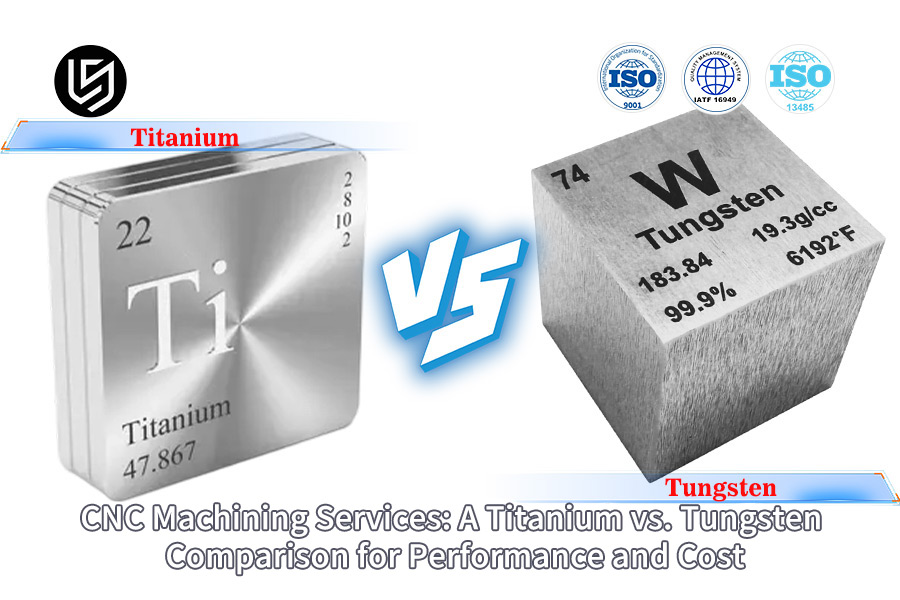
Titan vs. Wolfram: Kurzübersichtstabelle
| Parameter | Titan | Wolfram |
| Dichte (g/cm³) | 4,5 | 19.3 |
| Schmelzpunkt (°C) | 1.668 | 3.422 |
| Zugfestigkeit (MPa) | 900-1.200 | 1.000-1.500 |
| Härte (HV) | 250-350 | 300-500 |
| Wärmeleitfähigkeit (W/m·K) | 6.7 | 173 |
| Bearbeitbarkeit | Schwierig | Extrem schwierig |
| Kosten (Rohmaterial) | Hoch | Sehr hoch |
| Korrosionsbeständigkeit | Exzellent | Gut |
| Gewicht | Licht | Sehr schwer |
| Anwendungen | Luft- und Raumfahrt, Medizin, Schifffahrt | Schneidwerkzeuge, Panzerung, Elektrotechnik |
Die CNC-Bearbeitung von Titan führt zu einem besseren Verhältnis von Festigkeit zu Gewicht und verbesserter Korrosionsbeständigkeit in der Luftfahrt und der Biomedizin. Es bietet extreme Härte und Dichte für Schneidwerkzeuge und Schutzausrüstung, ist jedoch schwer und spröde, wodurch es für andere Anwendungen vergleichsweise weniger geeignet ist. Die Materialwahl hängt davon ab, ob ein geringeres Gewicht bei gleichzeitig besserer Leistung oder eine höhere Dichte und Verschleißfestigkeit gefordert sind.
Warum Sie diesem Leitfaden vertrauen sollten? Praktische Erfahrungen von LS Manufacturing-Experten
Dieses Handbuch ist aufgrund seiner über 15-jährigen praktischen Erfahrung in der Bearbeitung kritischer Maschinenteile gültig. Unzählige Teile wurden aus Titan und Wolfram gefertigt. Insgesamt wurden über 50.000 Teile bearbeitet, deren Komplexität aufgrund der komplexen Materialauswahl stets berücksichtigt werden musste.
Die angebotenen Kompetenzen konzentrieren sich ausschließlich auf den Bereich, der durch den Kompromiss zwischen Titan und Wolfram gekennzeichnet ist. Die Bearbeitung von Titan im Zusammenhang mit Luft- und Raumfahrtstrukturen, bei der das Verhältnis von Festigkeit zu Gewicht eine absolute Anforderung darstellt, sowie die Bearbeitung von Wolfram in Bauteilform, bei der die Eigenschaften wie Dichte und Wärmeleitfähigkeit im Vordergrund stehen, sind zentrale Aspekte unseres Fachwissens. Wir als Anbieter bieten Ihnen in diesem Bereich praxisnahe Unterstützung, die über die Beschreibungen im Datenblatt hinausgeht.
Um die größtmögliche Genauigkeit unserer Empfehlungen zu gewährleisten, richtet sich der Materialprozess unseres Systems strikt nach branchenweit anerkannten Normen, die von renommierten Organisationen wie der National Association for Surface Finishing (NASF) oder der Aluminium Association (AAC) formuliert wurden. Dadurch stellen wir sicher, dass wir über die neuesten technologischen Best Practices unserer Branche informiert sind und somit optimale Qualität bei unseren Empfehlungsergebnissen liefern können.
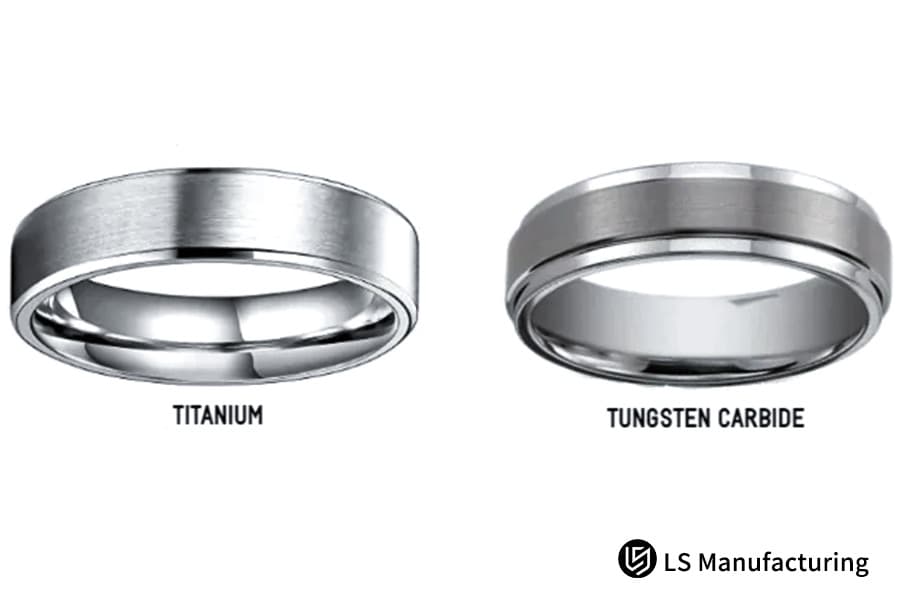
Abbildung 1: Auswahl optimaler Werkstoffe für die Bearbeitung von Titan und Wolframkarbid durch LS Manufacturing
Was sind die wesentlichen Unterschiede zwischen Titanlegierungen und Wolframlegierungen bei der CNC-Bearbeitung?
Die Frage, ob Titan oder Wolfram in der CNC-Bearbeitung eingesetzt werden sollte, basiert häufig auf einem Materialvergleich . Zu den Vorteilen von Titan zählen das ausgezeichnete Verhältnis von Festigkeit zu Gewicht und die hohe Korrosionsbeständigkeit. Ein Nachteil von Titan ist die Neigung zum Fressen. Wolfram hingegen zeichnet sich durch seine hohe Dichte und seinen sehr hohen Schmelzpunkt aus. Dieser Materialvergleich hat direkten Einfluss auf die Bearbeitungsstrategien, die Werkzeugauswahl und die gesamten Produktionskosten.
Eigentum | Titan (Ti-6Al-4V) | Wolfram (rein) |
Dichte | 4,5 g/cm³ | 19,3 g/cm³ |
Schmelzpunkt | 1.668 °C | 3422 °C |
Härte (Vickers ) | 150-200 HV | 343 HV |
Zugfestigkeit | 950-1100 MPa | 1510-1650 MPa |
Wärmeleitfähigkeit | Niedrig (6,7 W/m·K) | Mittel (173 W/m·K) |
Bearbeitbarkeitsbewertung | Mittel (50 %) | Niedrig (40 %) |
Zusammenfassend lässt sich sagen, dass der entscheidende Unterschied zwischen der Bearbeitung von Titan und Wolfram in der Wahl eines unterschiedlichen Bearbeitungsansatzes liegt. Aufgrund der Kaltverfestigung von Titan sind scharfe Schneidwerkzeuge und eine adäquate Kühlung erforderlich. Wolfram hingegen zeichnet sich durch seine Härte und hohe Verschleißfestigkeit aus, weshalb spezielle Hartmetallwerkzeuge und eine geringere Schnittgeschwindigkeit notwendig sind. Dieser Materialvergleich verdeutlicht, dass die Wahl des geeigneten Werkstoffs von den jeweiligen Anwendungs- und Bearbeitungsbedingungen abhängt.

Wie wählt man Titan oder Wolfram für die CNC-Bearbeitung?
Die Auswahl von Titan-Wolfram für die CNC-Bearbeitung erfordert eine systematische Materialauswahl basierend auf den spezifischen Anwendungsanforderungen . Dieser Auswahlprozess beinhaltet die Abwägung von Mechanik, Umweltverträglichkeit und Kosten. Die Wahl des richtigen Materials beeinflusst die Funktionalität der Bauteile im Fertigungsprozess.
Auswahlkriterien | Titan | Wolfram | Wichtigste Anwendungsgebiete |
Dichte | 4,5 g/cm³ (Leichtgewicht) | 19,3 g/cm³ (sehr dicht) | Luft- und Raumfahrt vs. Gegengewichte |
Schmelzpunkt | 1.668 °C | 3422 °C (höchste Metalltemperatur) | Strahltriebwerke vs. Raketendüsen |
Härte | ~6 Mohs | 8,5-9 Mohs (Hartmetall) | Strukturteile vs. Schneidwerkzeuge |
Zugfestigkeit | Bis zu 1.000 MPa | 550-620 MPa | Hochfeste Bauteile |
Korrosionsbeständigkeit | Ausgezeichnet (Oxidschicht) | Gut (weniger Säuren) | Marine vs. Industrie |
Bearbeitbarkeit | Gut (Spezialwerkzeuge) | Schlecht (EDM/Diamant) | Komplexe Formen vs. einfache Formen |
Zusammenfassend lässt sich sagen, dass die Auswahl von Titan-Wolfram von der Priorisierung der Anwendungsanforderungen abhängt. Dabei sollte der Schwerpunkt auf Anwendungen liegen, bei denen Titan zur Gewichtsreduzierung und Korrosionsbeständigkeit eingesetzt wird, sowie auf Anwendungen, die hohe Temperaturen und Dichten erfordern.
Wie kann die CNC-Bearbeitung die Kosten von Titan und Wolfram ausgleichen?
Eine kosteneffiziente CNC-Bearbeitung erfordert eine sorgfältige Berücksichtigung der Materialbearbeitung. Mithilfe der Wertanalyse wird ein wirtschaftliches Gleichgewicht zwischen Anfangsinvestition und zukünftiger Leistung hergestellt, um die minimalen Lebenszykluskosten zu erzielen.
- Strategie zur Materialauswahl: Aufgrund des höheren Festigkeits-Gewichts-Verhältnisses empfiehlt sich der Einsatz von Titanlegierungen im Flugzeugbau. Obwohl sie kostspielig sind, führen das geringere Gewicht und die damit verbundenen erheblichen Treibstoffeinsparungen zu einer deutlichen Kostenersparnis. Daher ist der Einsatz von Titanlegierungen in bestimmten Flugzeugbereichen die wirtschaftlichste Lösung.
- Prozessoptimierung: Wolframlegierungen eignen sich besser für die Herstellung von Hochtemperaturformen , bei denen Verschleißfestigkeit eine wichtige Rolle spielt. Obwohl die Anlaufkosten aufgrund des Materials und der Verarbeitung hoch sind, ist dieses Verfahren wirtschaftlich sinnvoller.
- Lebenszykluskostenanalyse: Die Wirtschaftlichkeit der CNC-Bearbeitung wird anhand des Produktlebenszyklus bewertet. Dabei werden die Haltbarkeit der Rohstoffe, die Bearbeitbarkeit der Rohstoffe mittels CNC-Bearbeitung und das Recycling der Produkte nach Ablauf des Lebenszyklus berücksichtigt.
Für eine erfolgreiche und kosteneffiziente CNC-Bearbeitung ist ein ganzheitlicher Ansatz entscheidend, bei dem der Hersteller sicherstellen muss, dass die Materialeigenschaften den Anforderungen entsprechen. Durch Wertanalyse und Lebenszykluskostenanalyse lassen sich Hochleistungsprodukte herstellen, indem man ein wirtschaftliches Gleichgewicht anstrebt.
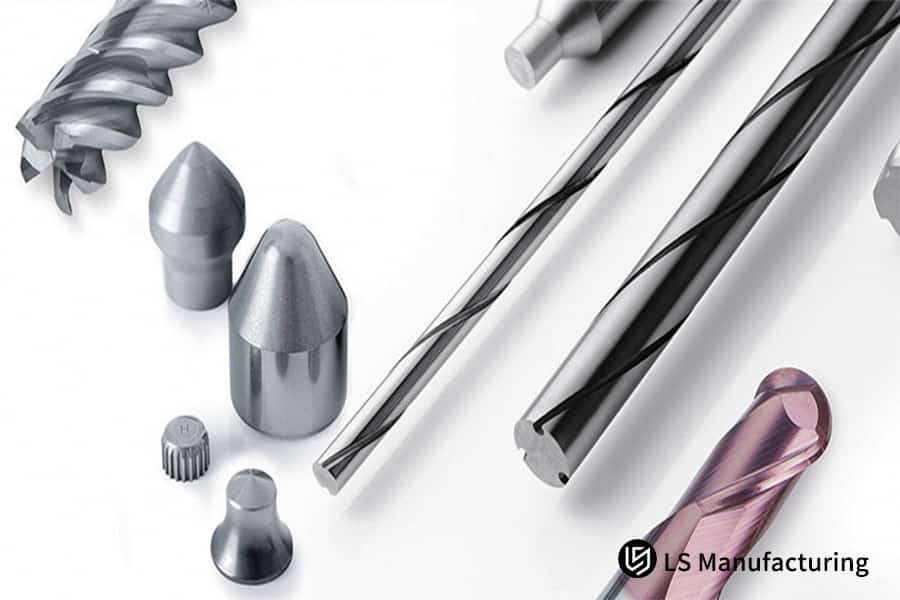
Abbildung 2: Leitfaden von LS Manufacturing zur Auswahl wirtschaftlicher Materialien für die CNC-Fertigung
Wie beeinflussen die wichtigsten Leistungsparameter von Titan- und Wolframwerkstoffen die Bauteilkonstruktion?
Die Eigenschaften von Titan und Wolfram unterscheiden sich je nach Material, und deren Leistungsparameter beeinflussen die Konstruktion. Ingenieure müssen daher die Bedeutung der unten genannten Parameter verstehen, um die Materialien optimal zu nutzen. Jedes Material hat seine spezifischen Vorteile.
- Konstruktionsüberlegungen für Titanlegierungen: Obwohl die Streckgrenze auf 900 MPa und die Dichte auf 4,5 g/cm³ geschätzt wird, sollte es dennoch möglich sein, die Leichtbauweise der Titanlegierung zu nutzen, ohne dass dies Auswirkungen auf ihre Struktur hat. Dies ist eine attraktive Eigenschaft für ein Luft- und Raumfahrtprodukt, das sowohl leicht als auch langlebig sein muss.
- Anwendungen von Wolframlegierungen: Aufgrund seiner höchsten Dichte von 19 g/cm³ und seiner im Vergleich zu allen anderen Eigenschaften von Wolfram höchsten Wärmeleitfähigkeit bietet es die meisten Anwendungsbereiche, die auf der höchsten Massenkonzentration für eine verbesserte Wärmeableitung basieren. Die Eigenschaften von Titan-Wolfram bieten folgende Vorteile für die Anwendungen des Materials: Strahlenschutz, geringes Gewicht und hitzebeständige Formen .
- Integration von Leistungsparametern: Die Auswirkungen der Materialwahl auf die Konstruktion reichen weit über die rein mechanischen Eigenschaften hinaus und müssen unter Berücksichtigung der Anforderungen an die Herstellbarkeit und Oberflächenbeschaffenheit erfolgen. Ingenieure müssen die Bearbeitbarkeit, Schweißbarkeit und Wärmeausdehnungskoeffizienten prüfen, um zu entscheiden, ob das benötigte Material beide Anforderungen erfüllt.
Bei der Auswahl von Titan- und Wolframlegierungen für Konstruktionszwecke ist stets Vorsicht geboten. Denn jeder dieser Leistungsparameter erfordert eine eingehende Analyse, um optimale Konstruktionsvorteile zu erzielen. Die Kenntnis der Eigenschaften von Titan und Wolfram ist für die Entwicklung neuer und innovativer Konstruktionen unerlässlich , die höchsten Ansprüchen gerecht werden.
Welche speziellen Prozesstechnologien sind für die CNC-Bearbeitung von Wolframlegierungen erforderlich?
Die Bearbeitung von Wolfram stellt besondere Herausforderungen dar, die spezielle Verfahren erfordern, um Präzision und Effizienz zu erzielen. Die außergewöhnliche Härte und der hohe Schmelzpunkt des Materials erfordern spezielle Prozesse und umfassende technische Unterstützung, um Fertigungsbeschränkungen zu überwinden und qualitativ hochwertige Bauteile zu liefern.
- Fortschrittliche Werkzeuglösungen: Bei der Wolframbearbeitung müssen die Schneidwerkzeuge der Härte des Materials standhalten. Diese Anforderung macht PKD-Werkzeuge notwendig. Sie gewährleisten eine deutlich höhere Härte als herkömmliche Hartmetallwerkzeuge.
- Kühl- und Schmiersysteme: Hochdruckkühlsysteme gelten als eine wichtige Spezialtechnik bei der Wolframbearbeitung . Dabei werden Kühlflüssigkeiten mit einem Druck von über 1000 psi in den Bearbeitungsbereich gepresst. Dies trägt zur Wärmeabfuhr und zum Abtransport von Spänen bei und verhindert so die Kaltverfestigung.
- Prozessparameteroptimierung: Da die technische Unterstützung die Optimierung der Prozessparameter durch niedrige Schnittgeschwindigkeiten, höhere Vorschübe und geringe Schnitttiefen umfasst, trägt diese dazu bei, die Wärmeentwicklung während der Bearbeitung zu minimieren. Dadurch werden effiziente Wolframbearbeitungen mit längerer Werkzeugstandzeit erzielt.
Für eine erfolgreiche CNC-Bearbeitung von Wolfram ist ein Gesamtplan erforderlich, der das durch die moderne Ausrüstung gewonnene Wissen nutzt. Die Umsetzung des speziellen Prozesssystems stellt sicher, dass die Industrie die Herausforderungen, die sich aus den Materialeigenschaften ergeben, bewältigen kann.
Wie lässt sich das Problem der Kaltverfestigung bei der CNC-Bearbeitung von Titanlegierungen überwinden?
Bei der CNC-Bearbeitung von Titan treten aufgrund der damit verbundenen Kaltverfestigung verschiedene Herausforderungen auf. Die Kaltverfestigung beeinflusst das Material so, dass es zu erheblichem Werkzeugverschleiß kommt.
- Strategien zur Temperaturkontrolle: Die Temperaturkontrolle spielt eine entscheidende Rolle für die erfolgreiche CNC-Bearbeitung von Titan ohne Kaltverfestigung. Aufgrund unzureichender Wärmeleitfähigkeit entstehen während der Bearbeitung Hotspots an der Schneidkante . Daher wird eine kontrollierte Temperatur unterhalb der kritischen Temperatur erreicht, wodurch Kaltverfestigung während des Bearbeitungsprozesses verhindert wird.
- Fortschrittliche Schmierlösungen: Ein wichtiger Vorteil der Minimalmengenschmierung (MMS) ist die Verringerung des Einflusses der Kaltverfestigung bei der Titanverarbeitung. Dies führt zu einer verbesserten Oberflächenqualität , reduziertem Werkzeugverschleiß und längerer Werkzeugstandzeit.
- Prozessparameteroptimierung: Die Optimierung der Schnittprozesse unter Berücksichtigung der variierenden Parameter ist bei der CNC-Bearbeitung von Titan entscheidend für den Erfolg. Durch die Variation von Schnittgeschwindigkeit, Vorschub und Schnitttiefe lässt sich Überhitzung vermeiden und somit eine optimale Oberflächengüte mit einer Rauheit von Ra 0,4 µm gewährleisten, ohne dass Kaltverfestigung befürchtet werden muss.
Angesichts der Herausforderung der Kaltverfestigung bei der CNC-Bearbeitung von Titan ist eine umfassende Strategie unerlässlich. Diese beinhaltet Temperaturmanagement, die Anwendung aktueller Schmierverfahren und die Optimierung der Maschinenparameter. Durch die Berücksichtigung all dieser Aspekte lässt sich die Oberflächenqualität bei der Bearbeitung deutlich verbessern, ohne die Effizienz zu beeinträchtigen.
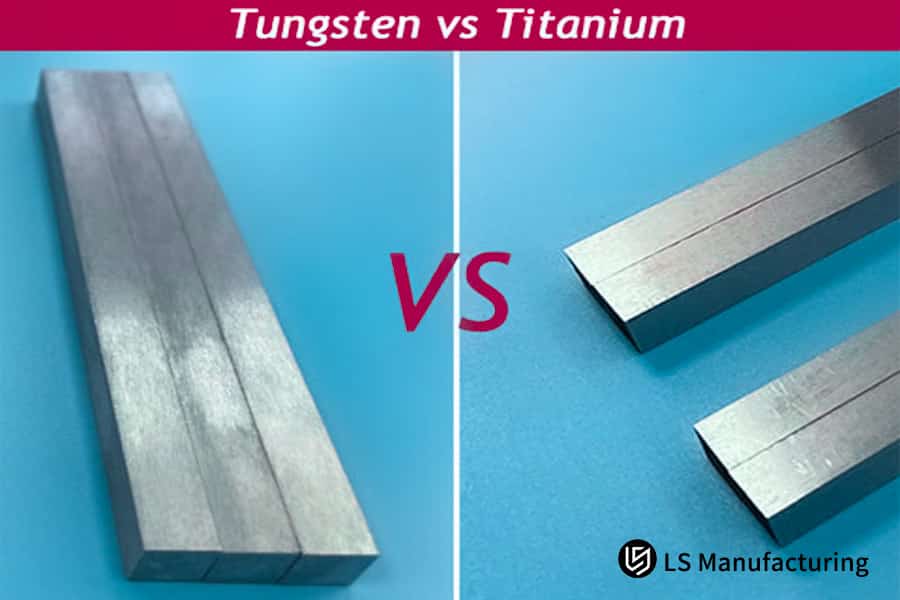
Abbildung 3: CNC-Bearbeitungsmaterialvergleich Titan vs. Wolfram von LS Manufacturing
Wie erzielt man das optimale Kosten-Nutzen-Verhältnis bei der Auswahl von Titan-Wolfram-Werkstoffen?
Die optimale Materialauswahl zwischen Titan und Wolfram erfordert einen systematischen Ansatz, der verschiedene, gegenläufige Faktoren berücksichtigt. Im besten Kosten-Nutzen-Verhältnis ist eine umfassende Untersuchung aller Faktoren notwendig, um das maximale Potenzial des jeweiligen Materials bei gleichzeitig minimalen Kosten auszuschöpfen.
Multikriterieller Entscheidungsrahmen
Die Entwicklung eines multikriteriellen Entscheidungsmodells ist für die optimale Materialauswahl unerlässlich. Die Entscheidungsstruktur umfasst eine Vielzahl qualitativer und quantitativer Kriterien, wie beispielsweise Festigkeitsanforderungen , Beständigkeit gegenüber Umwelteinflüssen, Verarbeitbarkeit sowie die zukünftigen Gesamtkosten. Anhand der Entscheidungskriterien im Modell können die Ingenieure den Entscheidungsvariablen bestimmte Gewichtungen zuweisen, um die Entscheidungsanalyse für die Auswahl der beiden in Frage stehenden Materialien durchzuführen.
Qualitätsfunktionsentwicklung (QFD)-Analyse
Die QFD-Methodik bietet einen strukturierten Ansatz, um Kundenbedürfnisse in technische Spezifikationen für eine optimale Materialauswahl zu übersetzen. Diese Methode hilft dabei, die technologischen Anforderungen für die Materialnutzung auf Basis der Kundenanforderungen zu erfüllen. Die technologische Analyse umfasst Aspekte wie das Verhältnis von Festigkeit zu Gewicht, Hitzebeständigkeit, Korrosionsbeständigkeit und Dauerhaftigkeit.
Gesamtbetriebskostenbewertung (TCO)
Die optimale Materialauswahl umfasst weit mehr als nur die anfänglichen Materialkosten und muss alle Faktoren im gesamten Produktlebenszyklus berücksichtigen. Tatsächlich beinhalten Analysen der Gesamtbetriebskosten und auch sogenannte Lebenszykluskostenanalysen Faktoren wie Materialkosten, Bearbeitungs- und Verarbeitungskosten, Wartungskosten sowie die Entsorgung oder das Recycling des Produkts . Unter extremen Einsatzbedingungen rechtfertigen die längere Lebensdauer und die höhere Zuverlässigkeit von High-End-Werkstoffen wie Titan- und Wolframlegierungen die Investition aus Kostensicht.
Die optimale Materialauswahl erfordert einen ganzheitlichen Ansatz, der technische Leistungsfähigkeit, Wirtschaftlichkeit und Betriebseffizienz integriert. Durch den Einsatz geeigneter Entscheidungstechniken wie der QFD-Analyse kann ein Hersteller somit aussagekräftige Vergleiche zwischen Titanlegierungen , Wolframlegierungen usw. anstellen und so ein besseres Preis-Leistungs-Verhältnis erzielen.
Welche wichtigen Kostenfaktoren müssen bei der Auswahl von Werkstoffen für die CNC-Bearbeitung berücksichtigt werden?
Die Auswahl von Werkstoffen für die CNC-Bearbeitung erfordert eine umfassende Bewertung verschiedener Kostenfaktoren , um die optimalen Gesamtkosten für Fertigungsprojekte zu ermitteln. Neben dem anfänglichen Materialkaufpreis müssen Hersteller auch die Bearbeitungseffizienz, den Werkzeugverschleiß und das Abfallmanagement berücksichtigen, um eine echte Kosteneffizienz zu erzielen.
Materialbeschaffungskosten
Die Anschaffungskosten dieses Materials bilden die Grundlage für die Berechnung der CNC-Bearbeitungsmaterialien . Die betrachteten Materialien, beispielsweise verschiedene Legierungen und Werkstoffgüten, weisen große Preisunterschiede auf. Andere Werkstoffe wie Titan und Inconel sind teurer als beispielsweise Aluminium und Stahl. Darüber hinaus beeinflussen die Materialform (Stangen, Platten, Blöcke) und Mengenrabatte die Stückkosten, weshalb der Großeinkauf ein wichtiger Faktor für die Kostenoptimierung ist.
Faktoren der Verarbeitungseffizienz
Die Zerspanbarkeit beeinflusst direkt die Produktionszeit und die Lohnkosten und ist somit ein entscheidender Kostenfaktor bei der Materialauswahl . Werkstoffe mit guten Spanabfuhreigenschaften und geringer Zähigkeit lassen sich leicht bearbeiten und erfordern niedrige Schnittgeschwindigkeiten. Schwer zerspanbare Werkstoffe werden mit geringeren Vorschüben bearbeitet. Es gibt vier Zerspanbarkeitsklassen.
Verschleiß von Werkzeugen und Ausrüstung
Die hohe Werkzeugwechselrate ist ein wesentlicher Kostenfaktor bei der CNC-Bearbeitung von Werkstoffen . Harte Werkstoffe führen zu hohem Werkzeugverschleiß, was häufiges Austauschen und Nachschleifen der Werkzeuge erforderlich macht. Dies verursacht nicht nur zusätzliche Werkzeugkosten, sondern führt auch zu Maschinenstillstandszeiten durch Werkzeugwechsel, was den Produktionsdurchsatz beeinträchtigt und die Stückkosten erhöht.
Abfallwirtschaft und Schrottpreise
Die Materialnutzungseffizienz kann ebenfalls ein wichtiger Kostenfaktor für CNC-Bearbeitungsmaterialien sein. Dies liegt daran, dass bei Materialien mit komplexen Formen große Mengen an Abfall entstehen. Ein ebenso wichtiger Aspekt ist jedoch der Recyclingwert der bei der Späneherstellung verwendeten Materialien sowie die Entsorgungsgebühren für Sondermüll.
Die Auswahl geeigneter Werkstoffe für die CNC-Bearbeitung erfordert einen ganzheitlichen Ansatz, der alle Kostenfaktoren berücksichtigt, um die Gesamtkosten zu optimieren. Da alle Kostenfaktoren im Zusammenhang mit der Materialbeschaffung , der Bearbeitungsfähigkeit, den Werkzeugen und sogar der Entsorgung von Abfallmaterialien einbezogen werden, haben sich bestimmte wichtige Kriterien für die Werkstoffauswahl herauskristallisiert.
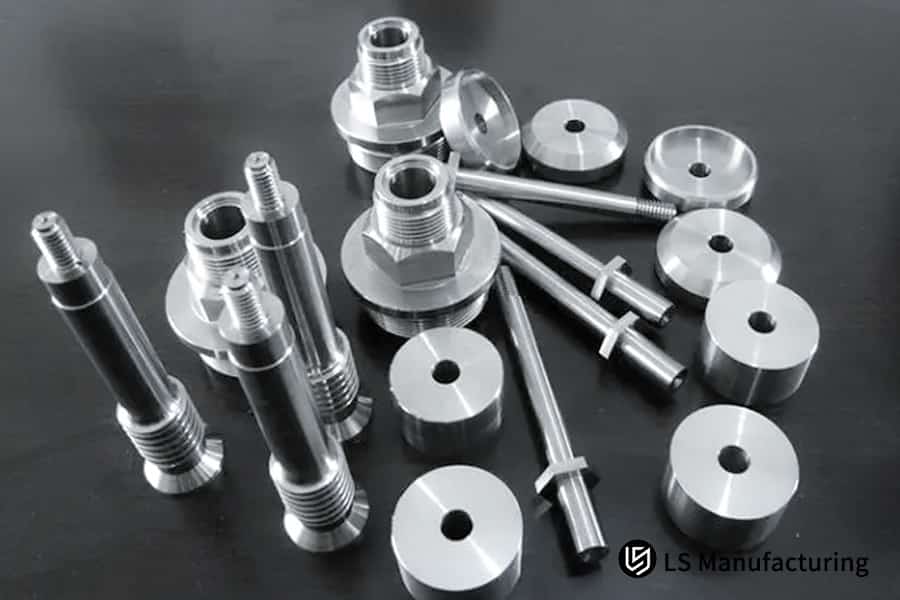
Abbildung 4: Präzisionsgefertigte, CNC-bearbeitete Titanteile auf schwarzem Hintergrund von LS Manufacturing
LS Manufacturing Aerospace Division: Projekt zur Materialoptimierung von Triebwerksturbinenschaufeln
LS Manufacturing hat eine zentrale Herausforderung der Luft- und Raumfahrtindustrie erfolgreich gemeistert, indem das Unternehmen Material und Struktur von Triebwerksturbinenschaufeln innovativ optimiert hat. Dieser Durchbruch erzielte ein optimales Gleichgewicht zwischen Hitzebeständigkeit und Gewichtsreduzierung und ermöglicht so außergewöhnliche Leistungssteigerungen und signifikante Kosteneinsparungen für Antriebssysteme der nächsten Generation.
Herausforderung für den Kunden
Der Triebwerkshersteller hatte Probleme bei der Produktion der Turbinenschaufeln. Herkömmliche Nickellegierungen eignen sich nicht zur Gewichtsreduzierung, und das Lasersinterverfahren für reine Wolframlegierungen ist kostspielig. Der Kunde suchte daher nach einer geeigneten Alternative, um Turbinenschaufeln herzustellen, die den Anforderungen an Festigkeit, Gewichtsreduzierung und Wirtschaftlichkeit gerecht werden.
LS Fertigungslösung
Die bahnbrechende Lösung wurde von LS Manufacturing durch den Einsatz von Titan-Aluminium -Matrix-Verbundwerkstoffen als Materialalternative vorgeschlagen. Für dieses Material wurden optimale Bearbeitungsparameter entwickelt, um die erforderliche Festigkeit bei optimalem Gewicht zu erreichen. Zusätzlich kam eine simultane Fünf-Achs-Bearbeitungstechnologie zum Einsatz. Die von LS Manufacturing vorgeschlagene Lösung ist optimal, da sie den bestmöglichen Kompromiss zwischen Festigkeit und Gewicht des Materials darstellt.
Ergebnisse und Wert
Das Projektergebnis war in allen Bereichen herausragend. Die Gewichtsreduzierung der Turbinenschaufeln wurde um 35 % verbessert, während die höhere Betriebstemperatur um 20 % optimiert werden konnte. Zusätzlich zu diesen Verbesserungen wurde durch die angewandten Prozesse eine Kostenreduzierung von 40 % erzielt. LS Manufacturing erhielt dafür den Technologie-Innovationspreis des Kunden aufgrund seiner Kompetenz in der Optimierung von Luft- und Raumfahrtkomponenten.
Im Bereich der Innovationen, die sich aus dem Optimierungsprozess des Materials für die Turbinenschaufeln im Triebwerk durch LS Manufacturing ergaben, wurden die Anforderungen der Luft- und Raumfahrtindustrie an ihren Kunden vollumfänglich erfüllt. LS Manufacturing nutzte die optimale Bearbeitbarkeit des neuen Materials effizient und zu unserem größtmöglichen Nutzen , wodurch sich das Unternehmen zu einem bedeutenden Akteur in der Fertigung von Luft- und Raumfahrtteilen entwickelte.
Suchen Sie nach dem besten Preis-Leistungs-Verhältnis für Titan- und Wolframwerkstoffe ? Klicken Sie hier, um Ihre kostenlose Bearbeitungsbewertung zu erhalten.

Analyse der Anwendungstrends von Hochleistungsmaterialien in der High-End-Fertigung
Hochleistungswerkstoffe revolutionieren die Fertigung hochwertiger Produkte und tragen dem rasanten Trend Rechnung, der durch Innovationen aufgrund der herausragenden Eigenschaften dieser Werkstoffe vorangetrieben wird. Neue technologische Fortschritte im Bereich der Werkstoffe schaffen das zukünftige Entwicklungspotenzial für deren Herstellung.
Titanmatrix-Verbundwerkstoffe
Im Bereich der Hochleistungswerkstoffe stellt die Entwicklung von Titanmatrix-Verbundwerkstoffen eine bedeutende Errungenschaft dar, insbesondere aufgrund ihrer faszinierenden Eigenschaften hinsichtlich hoher Temperaturen und spezifischer Festigkeit. Das Material findet breite Anwendung in der Luftfahrt und der Biomedizin. Die zunehmende Verbreitung in diesen Sektoren unterstreicht das Potenzial des Materials für zukünftige Entwicklungen in anspruchsvollen Umgebungen.
Nano-Wolframlegierungen
Nano-Wolframlegierungen etablieren sich als vielversprechende Kategorie fortschrittlicher Werkstoffe mit verbesserten mechanischen Eigenschaften und erhöhter thermischer Stabilität. Ihre einzigartige Mikrostruktur ermöglicht eine verbesserte Verschleißfestigkeit und Dimensionsstabilität unter extremen Bedingungen. Diese Anwendungstrends sind insbesondere in den Bereichen Verteidigung, Energie und Werkzeugbau relevant und deuten auf ein hohes Entwicklungspotenzial für Hochleistungsanwendungen hin.
Materialintegrationstechnologien
Die Anwendung solch unterschiedlicher fortschrittlicher Materialien in der hybriden Fertigungstechnologie würde in eine Kategorie fallen, die zukünftig eine bedeutende Rolle spielen könnte. Hybride Fertigung lässt sich als die Fähigkeit definieren, verschiedene Materialeigenschaften in einem einzigen Produkt zu kombinieren. Dies wäre für die zukünftige Entwicklung verschiedener Technologien äußerst vorteilhaft.
Nachhaltigkeit und Recyclingfähigkeit
Umweltaspekte spielen bei der Entwicklung von Anwendungen für moderne Werkstoffe eine entscheidende Rolle. Die Problematik recycelbarer Verbundwerkstoffe und umweltverträglicher Produktionstechnologien ist dabei der wichtigste Faktor bei der Materialauswahl.
Die Entwicklung fortschrittlicher Werkstoffe ist auch im Bereich der hochwertigen Fertigung von einem kontinuierlichen Wandel geprägt – von innovativen Anwendungstrends hin zu zukünftigen Weiterentwicklungen. Mit dem zunehmenden Fortschritt in der Materialtechnologie eröffnen sich zudem neue Anwendungsmöglichkeiten zur Steigerung von Effizienz und Nachhaltigkeit.
Häufig gestellte Fragen
1. Inwiefern unterscheiden sich die Verarbeitungskosten einer Titanlegierung von denen einer Wolframlegierung?
Die Verarbeitungskosten der Wolframlegierung sind 2 bis 3 Mal so hoch wie die Material- und Titanlegierungskosten und hängen trotz der oben genannten Überlegungen von der Komplexität des Produkts ab.
2. Inwiefern ist Titan bei hohen Temperaturen wirtschaftlicher als Wolfram?
Im Temperaturbereich unter 500 °C ist Titanlegierung als Targetmaterial vorgesehen. Im Temperaturbereich über 500 °C ist Wolframlegierung erforderlich. Kostenlose Analyse der Betriebsbedingungen.
3. Welches der beiden Verfahren eignet sich besser für die Prototypenfertigung in kleinen Serien?
Im Rahmen des Designprozesses wird der erste Prototyp aus Titanlegierung gefertigt, da dieses Material kostengünstiger ist als die anderen Materialien.
4. Wie lässt sich der Einfluss von Materialschwankungen auf die Gesamtkosten messen?
Material-, Verarbeitungs- und Wartungskosten sind nur einige der Ausgaben, die bei der Nutzung unserer umfassenden Lebenszykluskostenanalyse berücksichtigt werden. Benötigen Sie eine detaillierte Preisaufschlüsselung für Ihr Projekt? Dann können Sie online sofort ein Angebot für CNC-Bearbeitung anfordern.
5. Wie garantieren Sie die Lieferzeit von Spezialmaterialien?
Wir arbeiten außerdem mit Materiallieferanten zusammen, um sicherzustellen, dass Materialien in Standardausführungen verfügbar sind, während wir auf die Lieferung von Materialien in Sonderausführungen warten. Dieser Prozess dauert vier Wochen .
6. Wäre es möglich, Ihnen beispielhafte Leistungstestberichte zur Verfügung zu stellen?
In unserem Unternehmen können wir unseren Kunden ein vollständiges Materialzertifikat und einen Prüfbericht ausstellen.
7. Welche Prozessvalidierungen sind bei der Behandlung neuer Materialien erforderlich?
Uns stehen drei Validierungsstufen zur Verfügung: die Validierung des Testprozesses, die metallografische Validierung und die Leistungsvalidierung, um die Authentizität und Genauigkeit des neuen Prozesses sicherzustellen.
8. Welche Methoden gibt es bei der Bearbeitung schwer zerspanbarer Werkstoffe, um die Gefahren einer geringen Qualität zu vermeiden?
Um die Mängel zu beseitigen, wurde ein Qualitätskontrollprozess entwickelt und SPC (Statistical Process Control) angewendet, um ein gleichbleibendes Qualitätsniveau zu erreichen.
Zusammenfassung
Durch die Integration modernster Materialauswahlverfahren und Materialbearbeitungstechnologien können die vollen Potenziale von Werkstoffen wie Titan und Wolfram ausgeschöpft werden. Um die Vorteile ihrer Expertise in der Bearbeitung schwer zerspanbarer Werkstücke optimal zu nutzen, bietet das Unternehmen seinen Kunden schlüsselfertige Komplettlösungen.
Bitte zögern Sie nicht, uns bei LS Manufacturing zu kontaktieren , falls Sie Materialien benötigen. Wir erstellen Ihnen gerne kostenlos eine Materialanalyse und einen Prozessplan für Ihr Projekt. Unser Expertenteam bewertet Ihre Projektanforderungen anhand Ihrer Kosten-Nutzen-Analyse der Materialien und entwickelt einen strategischen Prozess für Sie.
Erhalten Sie maßgeschneiderte Auswahl- und Verarbeitungslösungen für Titan- und Wolframwerkstoffe, die Leistung und Kosten präzise in Einklang bringen!
📞Tel.: +86 185 6675 9667
📧E-Mail: info@lsrpf.com
🌐Website: https://lsrpf.com/
Haftungsausschluss
Die Inhalte dieser Seite dienen ausschließlich Informationszwecken. LS Manufacturing übernimmt keine Gewähr für die Richtigkeit, Vollständigkeit oder Gültigkeit der Informationen. Es kann nicht davon ausgegangen werden, dass ein Drittanbieter oder Hersteller über das LS Manufacturing-Netzwerk Leistungsparameter, geometrische Toleranzen, spezifische Konstruktionsmerkmale, Materialqualität und -art oder Verarbeitung bereitstellt. Dies liegt in der Verantwortung des Käufers. Fordern Sie ein Teileangebot an. Geben Sie bitte Ihre spezifischen Anforderungen für diese Abschnitte an. Kontaktieren Sie uns für weitere Informationen .
LS-Fertigungsteam
LS Manufacturing ist ein branchenführendes Unternehmen mit Fokus auf kundenspezifische Fertigungslösungen. Wir verfügen über mehr als 20 Jahre Erfahrung und betreuen über 5.000 Kunden. Unsere Schwerpunkte liegen auf hochpräziser CNC-Bearbeitung, Blechbearbeitung , 3D-Druck, Spritzguss, Metallstanzen und weiteren umfassenden Fertigungsdienstleistungen.
Unser Werk ist mit über 100 hochmodernen 5-Achs-Bearbeitungszentren ausgestattet und nach ISO 9001:2015 zertifiziert. Wir bieten unseren Kunden in über 150 Ländern weltweit schnelle, effiziente und qualitativ hochwertige Fertigungslösungen. Ob Kleinserien oder kundenspezifische Großprojekte – wir erfüllen Ihre Anforderungen mit schnellster Lieferzeit innerhalb von 24 Stunden. Entscheiden Sie sich für LS Manufacturing. Das steht für Effizienz, Qualität und Professionalität.
Mehr erfahren Sie auf unserer Website: www.lsrpf.com .