Français


Moulage sous pression
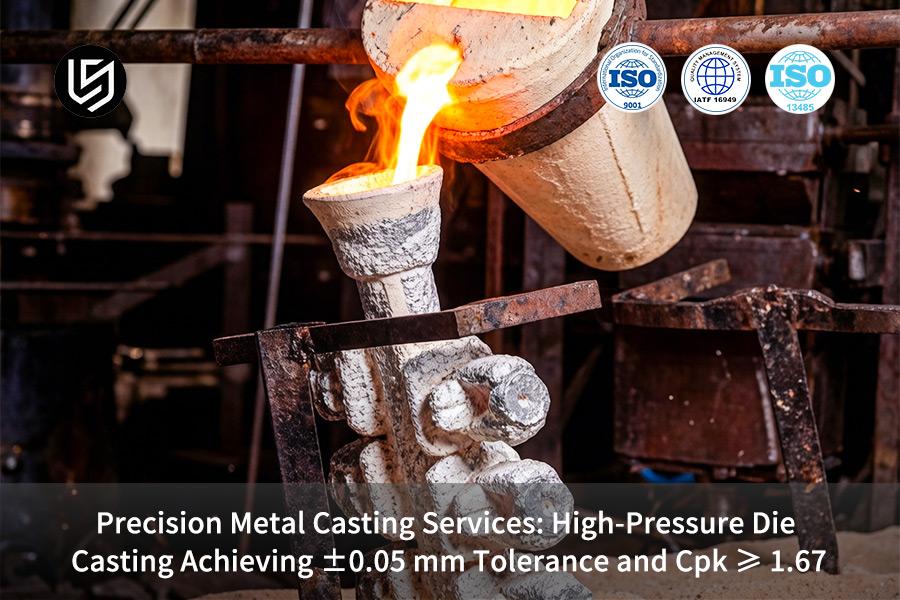
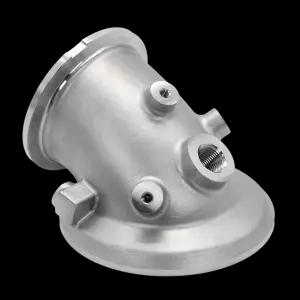
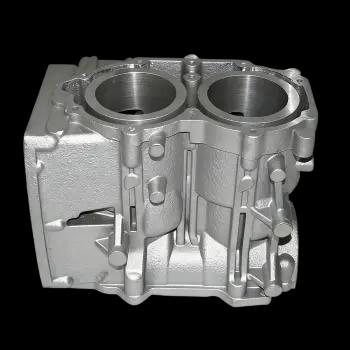
Idéal pour la production en série de pièces complexes à parois fines. Offre une excellente précision dimensionnelle et un état de surface lisse, minimisant ainsi l'usinage secondaire.
Obtenez plus rapidement des pièces moulées prêtes pour la production. Téléchargez votre modèle 3D pour obtenir un devis instantané et une analyse de fonderie, et recevez des composants de haute qualité en seulement 10 jours ouvrés.
Obtenez un devis instantané dès aujourd'hui.
Obtenez instantanément les prix, les délais de réalisation et l'analyse de fabricabilité (DFM).
STEP | STP | SLDPRT | STL | OBJ | Fichiers 3MF | IGES | X_T | X_B | PRT | SAT | JT
Taille du fichier: 15 Mo
La confiance des ingénieurs et des responsables des achats des entreprises les plus performantes au monde









Chez LS Manufacturing, la confiance de nos clients repose sur plus de 15 ans d'expertise. Nous garantissons une précision dimensionnelle de ±0,5 % et une qualité irréprochable sur plus de 12 000 projets, comme en témoignent notre certification ISO 9001:2015 et un taux de livraison à l'heure de 99,80 %.
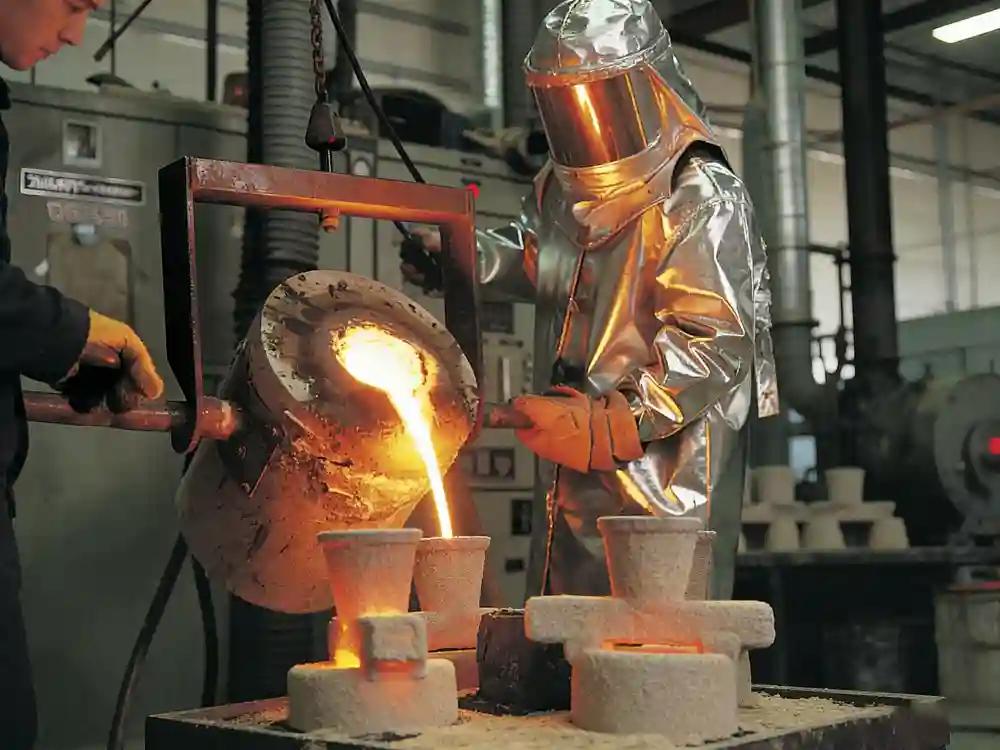
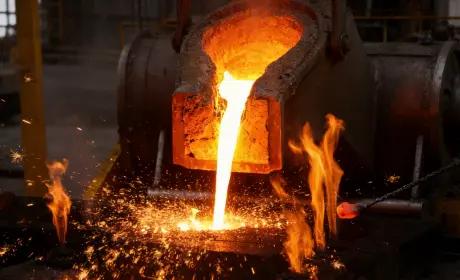
La fonderie est un procédé de fabrication polyvalent qui produit des pièces métalliques complexes et très résistantes en coulant du métal en fusion dans un moule de précision. Elle est idéale pour créer des composants aux géométries complexes, aux cavités internes et aux propriétés mécaniques supérieures, difficiles voire impossibles à obtenir par usinage ou fabrication.
Chez LS Manufacturing, notre service de fonderie en ligne est conçu pour une fiabilité optimale. Nous relevons les défis majeurs tels que la porosité, le retrait, les imprécisions dimensionnelles et l'hétérogénéité des propriétés des matériaux. Grâce à nos capacités de fonderie en sable, à cire perdue et sous pression, optimisées par la simulation et soumises à des protocoles qualité rigoureux, nous fournissons des pièces moulées garantissant l'intégrité structurelle, la constance des performances et un assemblage parfait de votre produit final.
Optimisez votre chaîne d'approvisionnement grâce à notre flux de travail numérique. Téléchargez votre modèle 3D pour obtenir instantanément un devis détaillé et une analyse complète de la faisabilité. Nous transformons vos conceptions en composants moulés de haute qualité grâce à un processus basé sur la précision, la transparence et le respect des délais.
Du prototypage rapide à la production en grande série, nous transformons vos conceptions en pièces métalliques de haute qualité grâce à une sélection experte des procédés et un contrôle qualité rigoureux.
Idéal pour la production en série de pièces complexes à parois fines. Offre une excellente précision dimensionnelle et un état de surface lisse, minimisant ainsi l'usinage secondaire.
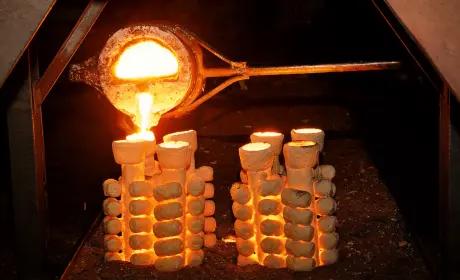
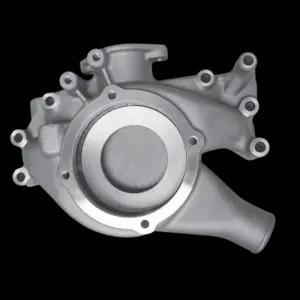
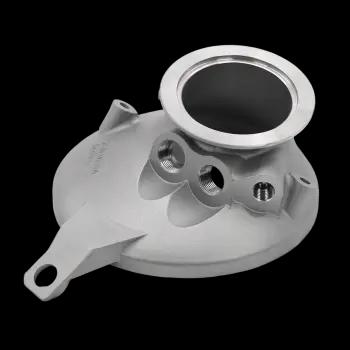
Produit des pièces d'une précision exceptionnelle, aux géométries complexes et à l'état de surface supérieur. Parfait pour les composants difficiles à usiner.
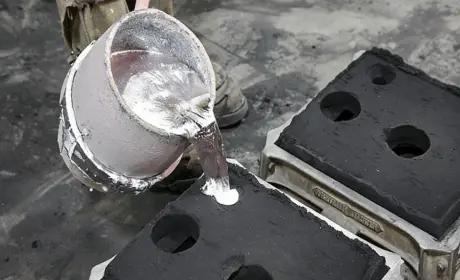
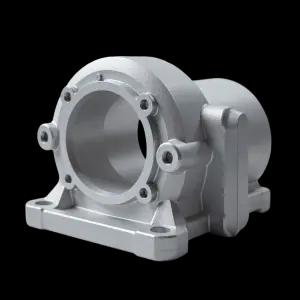
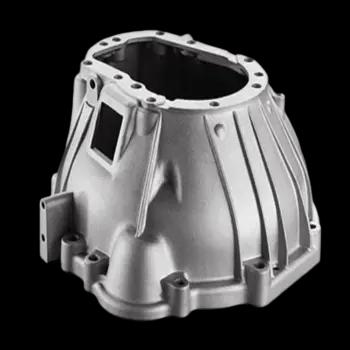
Un procédé polyvalent et économique pour les composants de grande taille ou lourds. Offre une grande flexibilité de conception pour les petites et moyennes séries.
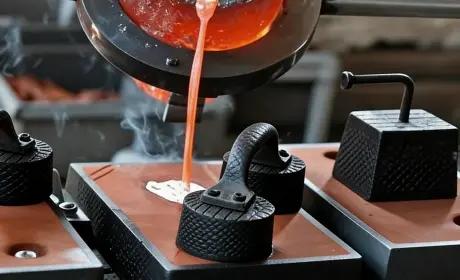
Idéal pour la production de pièces moulées en aluminium denses et de haute intégrité. Réduit la porosité et améliore les propriétés mécaniques des pièces structurelles.
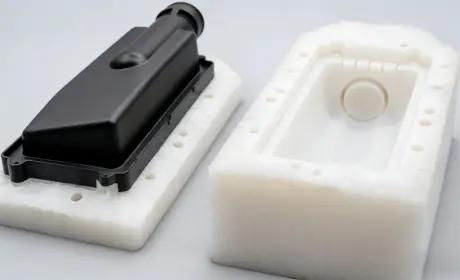
Minimise les inclusions gazeuses et les défauts dans les alliages haute performance, offrant une intégrité interne supérieure pour les applications exigeantes des secteurs de l'aérospatiale, de l'automobile et du médical.
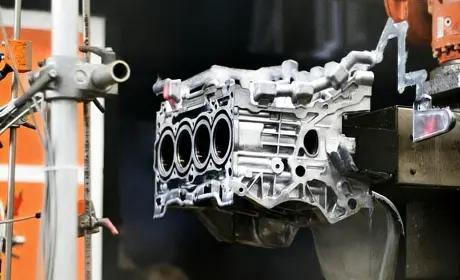
Offre une productivité élevée et une répétabilité dimensionnelle exceptionnelle pour la production en série, garantissant une qualité constante pour les grands volumes de composants industriels.
Notre système de production certifié intègre une technologie de fonderie avancée à un contrôle qualité rigoureux, fournissant des composants de précision répondant aux exigences les plus strictes en matière de performance et de fiabilité.
Nous réalisons des analyses de conception et de fabricabilité approfondies afin d'optimiser la géométrie des pièces et d'assurer une transition fluide du concept aux solutions de fonderie prêtes pour la production.
Nos ingénieurs développent des paramètres de procédé détaillés, notamment la conception du système d'alimentation, le contrôle de la température de coulée et l'analyse de solidification, afin de prévenir les défauts et d'assurer la qualité.
Les moules de précision sont conçus à l'aide de logiciels de CAO avancés, intégrant des lignes de joint, des systèmes de refroidissement et des mécanismes d'éjection optimaux pour des performances constantes.
Les moules sont fabriqués à l'aide de machines CNC 5 axes et de la technologie d'électroérosion (EDM), garantissant des tolérances strictes et un état de surface conforme aux exigences pour une stabilité dimensionnelle optimale.
Nous sélectionnons les compositions d'alliages appropriées et procédons à la certification des matériaux afin de garantir que leur composition chimique réponde aux exigences spécifiées en matière de propriétés mécaniques.
Les systèmes de fusion automatisés assurent un contrôle précis de la température, tandis que la coulée robotisée garantit des taux de remplissage constants et des propriétés métallurgiques optimales.
Des techniques de coulée avancées avec surveillance en temps réel permettent une solidification contrôlée, minimisant le retrait et la porosité tout en améliorant les propriétés mécaniques.
Des procédés de traitement thermique personnalisés, incluant la mise en solution, le vieillissement et la trempe, sont appliqués pour obtenir les caractéristiques et les performances requises des matériaux.
Chaque composant est soumis à un contrôle dimensionnel, une analyse aux rayons X, un test de pression et une vérification des matériaux afin de garantir sa conformité aux spécifications.
Les pièces moulées finies bénéficient d'un traitement de surface, d'un usinage de précision, d'un emballage protecteur et d'une documentation complète pour une intégration optimale dans votre production.

Soumettez vos plans pour une analyse de fabrication réalisée par des experts et des prix compétitifs sur des solutions de fonderie de précision.
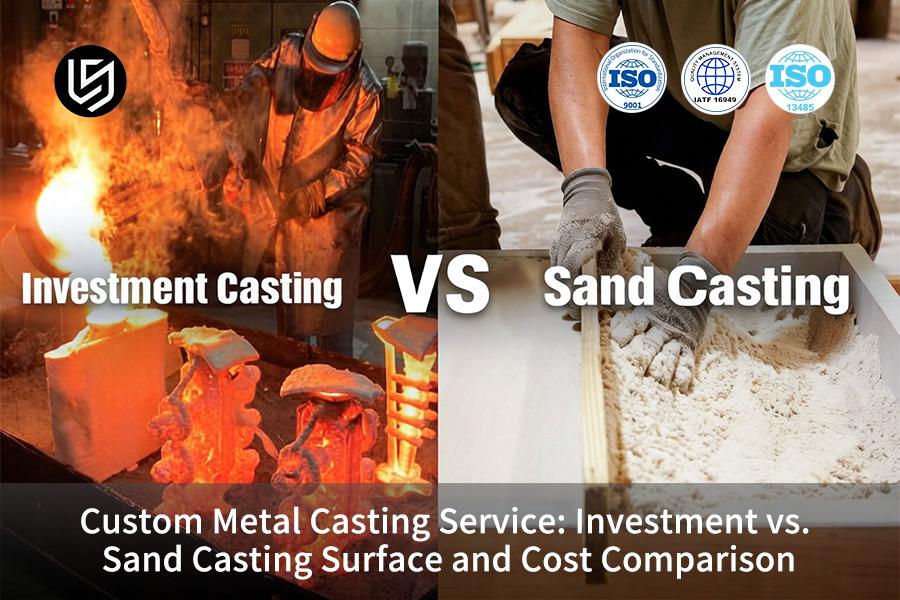
Le choix du procédé de fonderie détermine directement la qualité finale de la pièce, son coût unitaire et le délai de production. Forte de plus de 12 ans d'expertise dans le secteur, LS Manufacturing a identifié cinq critères de sélection essentiels : les propriétés des matériaux, la complexité de la pièce, les exigences de tolérance, le volume de production et le budget. Elle a ainsi créé ce tableau comparatif des paramètres de six procédés majeurs afin de vous aider à identifier rapidement la solution de fonderie la plus adaptée.
| Procédé de fonderie | Principe de base | Matériaux idéaux | Précision dimensionnelle | État de surface | Volume optimal | Niveau de coût | Avantage clé |
|---|---|---|---|---|---|---|---|
| Moulage sous pression | Injection haute pression, solidification rapide | Alliages de zinc, d'aluminium et de cuivre | CT4 - CT6 | Ra 1,6 - Ra 6,3 µm | Grand volume (plus de 5 000 unités) | ★★★★★ | Haute efficacité, excellente précision et état de surface pour les parois minces |
| Moulage sous pression | Remplissage basse pression, turbulence minimale | Alliages d'aluminium et de magnésium | CT5 - CT7 | Ra 3,2 - Ra 12,5 μm | Faible à moyenne (100 - 5 000) | ★★★★★ | Haute densité, propriétés mécaniques supérieures, traitable thermiquement |
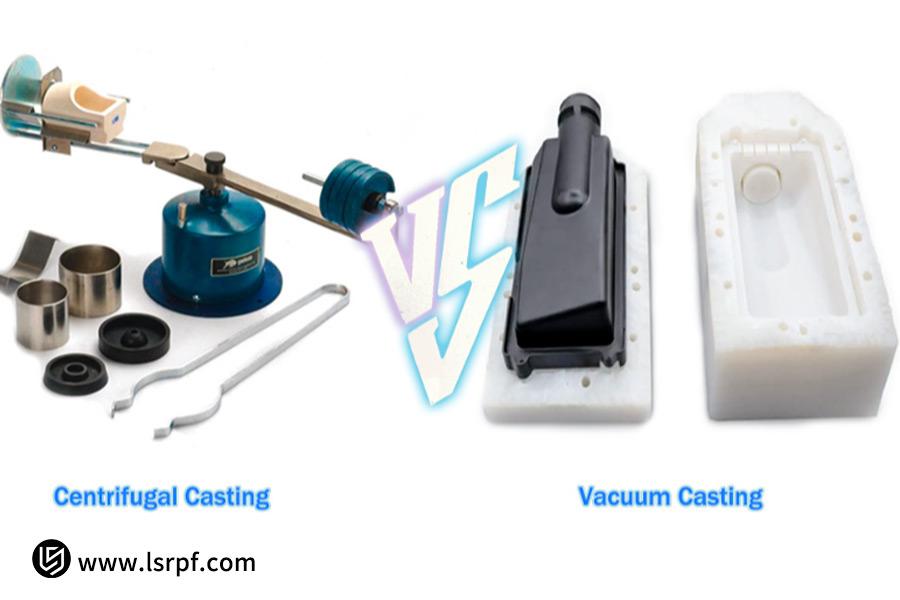
| Coulage sous vide | Moulage sous vide | Tous alliages | CT4 - CT6 | Ra 1,6 - Ra 3,2 μm | Prototype à petite série (1 - 1 000) | ★★★★★ | Intégrité supérieure, quasi-absence de porosité, pour des pièces de haute intégrité |
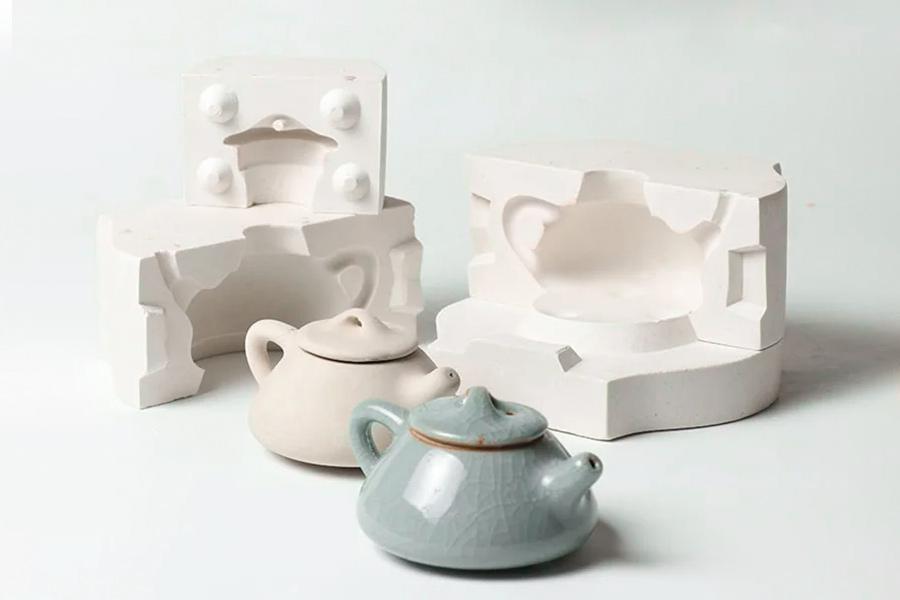
| Coulage à la cire perdue | Utilisation d'un modèle sacrificiel en cire, moule en céramique de précision | Tous alliages, notamment Aciers inoxydables et superalliages | CT4 - CT5 | Ra 1,6 - Ra 6,3 µm | Faible à moyenne (100 - 5 000) | ★★★★★ | Complexité et précision inégalées, capacité d'usinage quasi-fini |
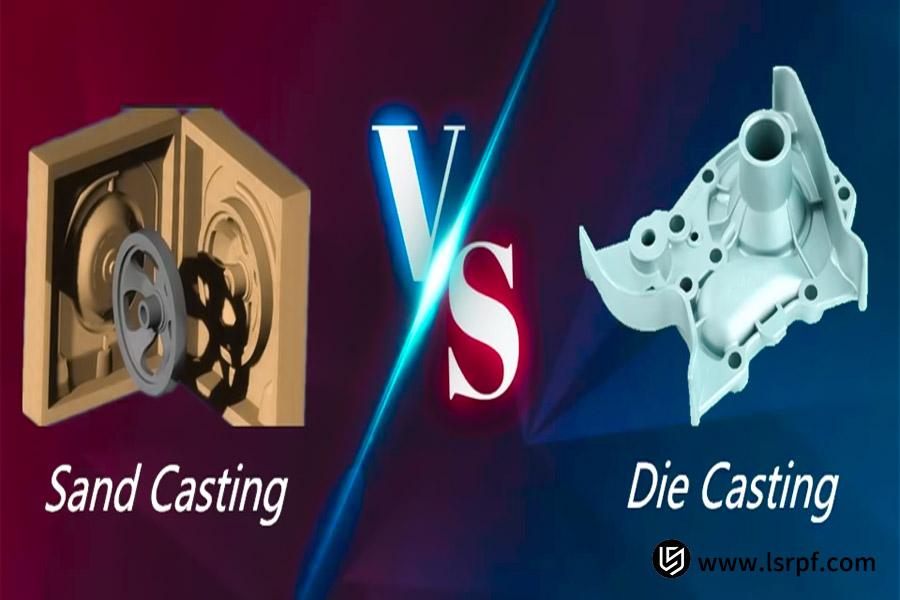
| Moulage au sable | Moules en sable consommables | Fonte, acier moulé, alliages de cuivre | CT7 - CT9 | Ra 12,5 - Ra 25 µm | Tous volumes (flexibilité extrême) | ★★★★★ | Idéal pour les pièces très grandes, lourdes ou simples ; faible coût d'outillage |
| Moulage sous pression (standard) | Moulage haute pression pour pièces de précision | Alliages de zinc, d'aluminium et de cuivre | CT5 - CT6 | Ra 3,2 - Ra 6,3 µm | Grands volumes (plus de 5 000 unités) | ★★★★★ | Excellente polyvalence et productivité élevée pour les composants de précision |
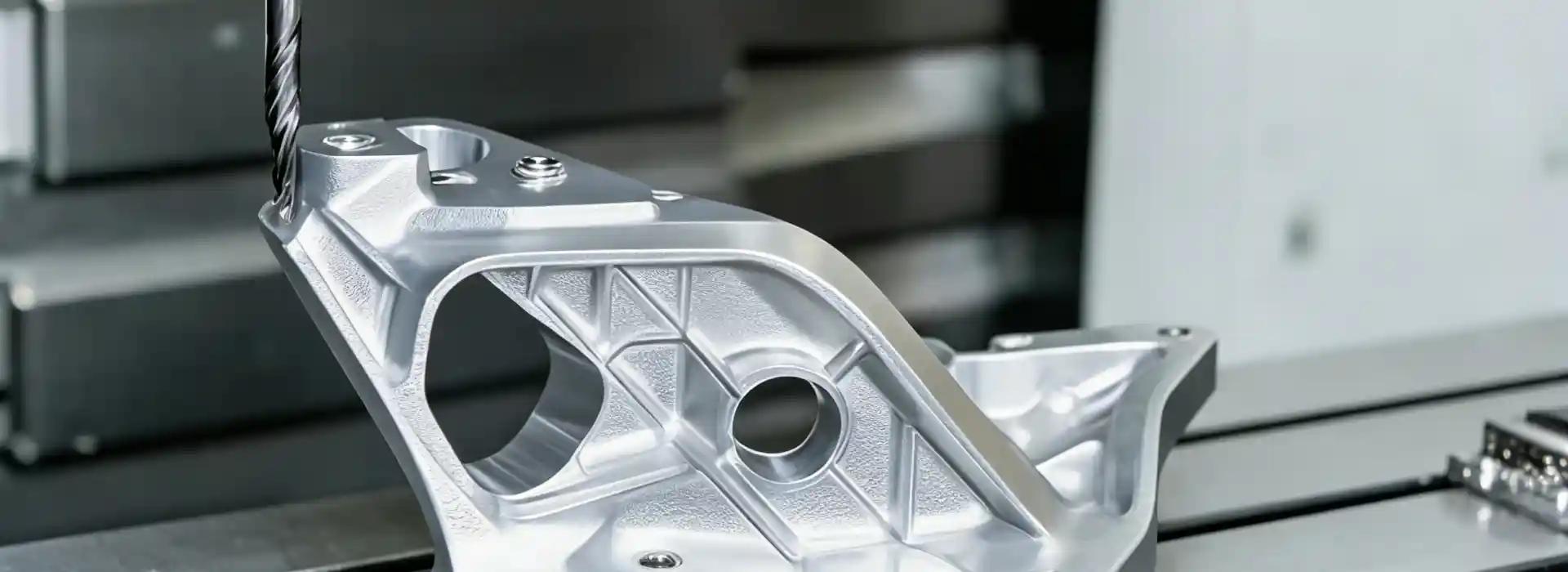
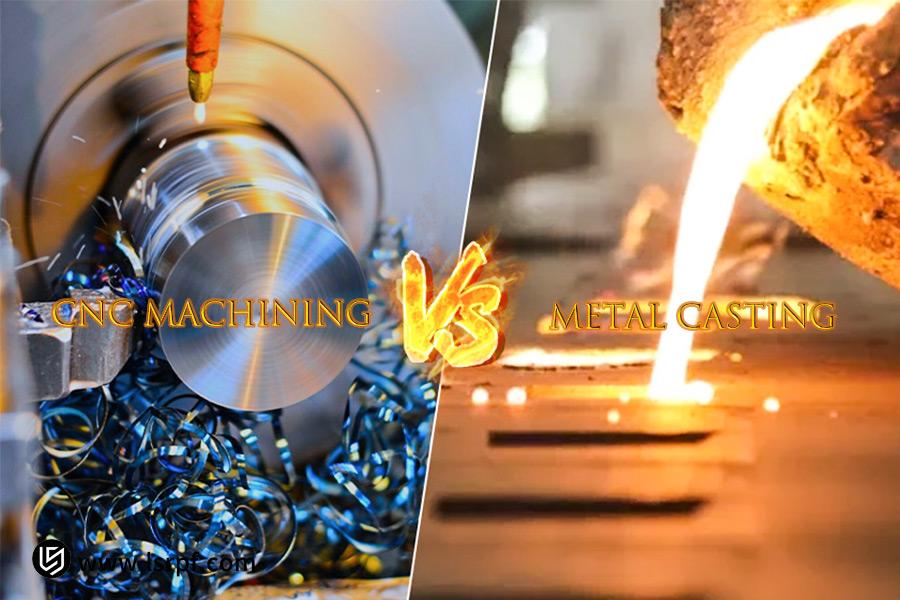
LS Manufacturing propose des solutions complètes d'usinage CNC après moulage pour répondre à vos exigences les plus strictes en matière de tolérances et de géométries complexes. Notre expertise en ingénierie garantit une planification stratégique pour optimiser le choix des pièces moulées et usinées avec précision, améliorant ainsi leurs performances, leur rentabilité et les délais de livraison.
Nous garantissons des tolérances serrées (jusqu'à ±0,025 mm) et des états de surface fins (Ra 0,8 µm ou mieux). Chaque pièce est soumise à un contrôle par machine à mesurer tridimensionnelle (MMT) et reçoit une certification complète, garantissant la précision dimensionnelle et une performance optimale dès l'installation sur votre chaîne de montage.

Relevez vos défis les plus complexes en matière de pièces métalliques grâce à notre expertise en fonderie. Nous intégrons la conception par simulation, des procédés de fusion contrôlés et une assurance qualité rigoureuse pour vous fournir des pièces moulées de précision aux tolérances serrées, aux caractéristiques complexes et aux propriétés de matériaux fiables – le tout soutenu par une intégration verticale complète, du prototype à la production en grande série.
Nous éliminons les incertitudes liées à la chaîne d'approvisionnement et les variations de qualité. Nos solutions techniques ciblent les causes profondes de la porosité, des incohérences dimensionnelles et des retards. Un contrôle rigoureux des processus garantit la conformité de chaque composant aux spécifications, accélérant ainsi votre passage de la validation de la conception à la production en série, avec une traçabilité et une fiabilité totales.
Guidé par la norme de qualité automobile IATF 16949, notre système est conçu pour éliminer les causes profondes de défaillance des pièces moulées de précision : porosité interne, écarts dimensionnels et hétérogénéité des matériaux. Nous mettons en œuvre un protocole d'inspection en 9 étapes, basé sur les données, qui assure une traçabilité complète et garantit que chaque composant répond aux spécifications rigoureuses de performance et de fiabilité.
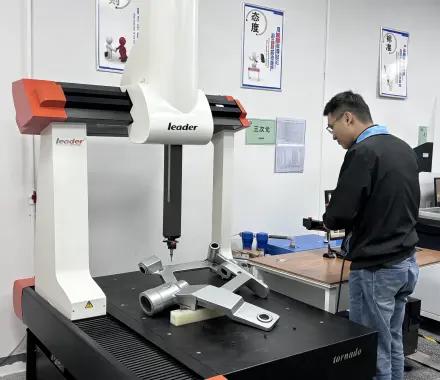
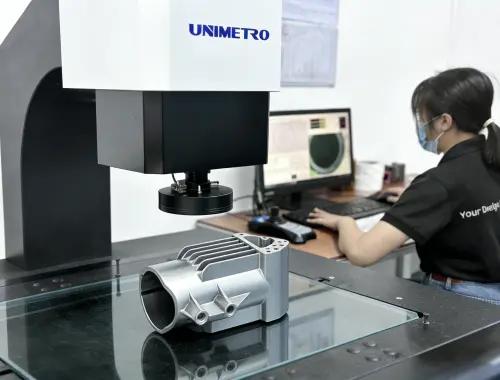
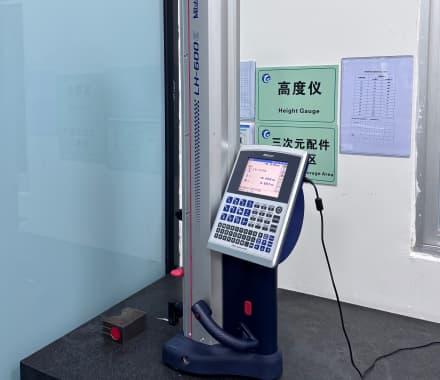
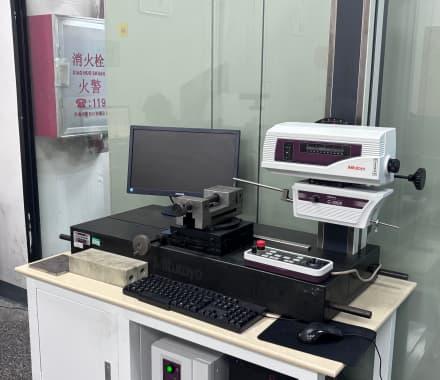




La qualité commence avant même la première coulée. Notre simulation CAE et notre analyse de solidification préliminaires permettent d'identifier les problèmes potentiels tels que le retrait, la porosité et les contraintes thermiques. Nous optimisons les systèmes d'alimentation et de refroidissement afin de garantir une structure de pièce moulée saine, une durée de vie prolongée des moules et une répétabilité constante tout au long du cycle de production.
La constance est assurée par les données. Les paramètres critiques – notamment la composition chimique du métal en fusion, la température de coulée, la vitesse de refroidissement et le temps de cycle – sont surveillés et contrôlés en continu dans des plages de valeurs strictes grâce à un contrôle statistique des processus (SPC) en temps réel. Ceci permet de prévenir les écarts et de garantir la stabilité métallurgique et dimensionnelle d'une pièce à l'autre.
Chaque composant est validé par rapport aux spécifications. La précision dimensionnelle est vérifiée à l'aide de machines à mesurer tridimensionnelles (MMT), tandis que l'intégrité interne est assurée par des contrôles aux rayons X et par ultrasons. Nous fournissons des certifications complètes des matériaux, des rapports d'inspection (FAI, MTR) et une documentation de traçabilité pour chaque expédition, garantissant ainsi la conformité et simplifiant la gestion de la qualité de votre chaîne d'approvisionnement.
LS Manufacturing propose des solutions de fonderie complètes, de la conception de moules par simulation à l'usinage des composants finis. Notre intégration verticale réduit les délais de vos projets et garantit une exécution sans faille, éliminant ainsi la complexité liée à la gestion de plusieurs fournisseurs pour vos besoins de production.
Nos ingénieurs réalisent une analyse de conception pour la fabrication (DFM) spécifique à la fonderie, identifiant les méthodes optimales pour prévenir les défauts. Nous vous fournissons des devis détaillés et compétitifs afin de garantir la rentabilité, l'intégrité des pièces et une production fiable et rapide.
Nous offrons un soutien flexible en matière de fabrication, du prototypage rapide à la production en grande série. Notre capacité modulable et notre large gamme de procédés garantissent une solution sur mesure, parfaitement adaptée à l'envergure de votre projet, à vos délais et à vos exigences techniques.
Sans QMC, nous vous offrons une production rentable pour vos prototypes et vos petites séries. Vous réduisez ainsi votre risque d'investissement initial et bénéficiez de la flexibilité nécessaire pour adapter vos commandes à la demande du marché.
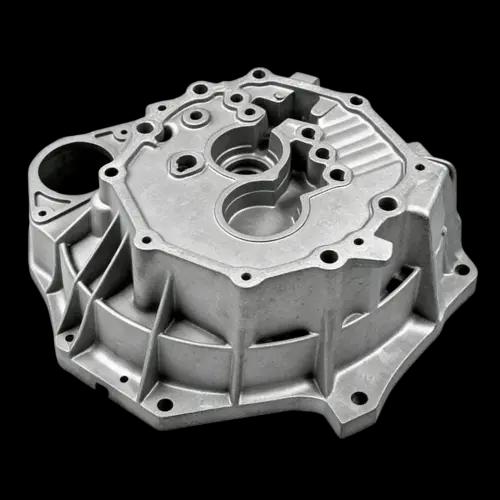
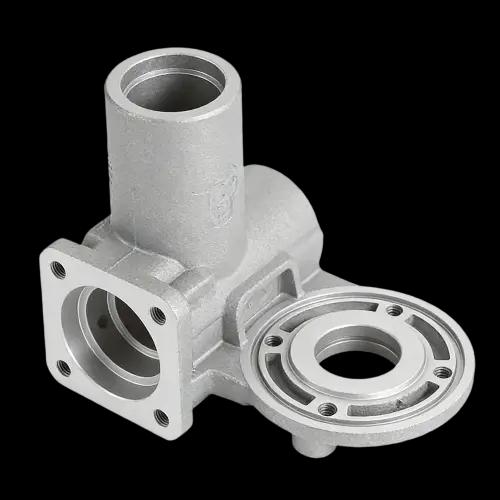
Toutes les informations et tous les fichiers téléchargés sont sécurisés et confidentiels.
Obtenez votre devis instantanément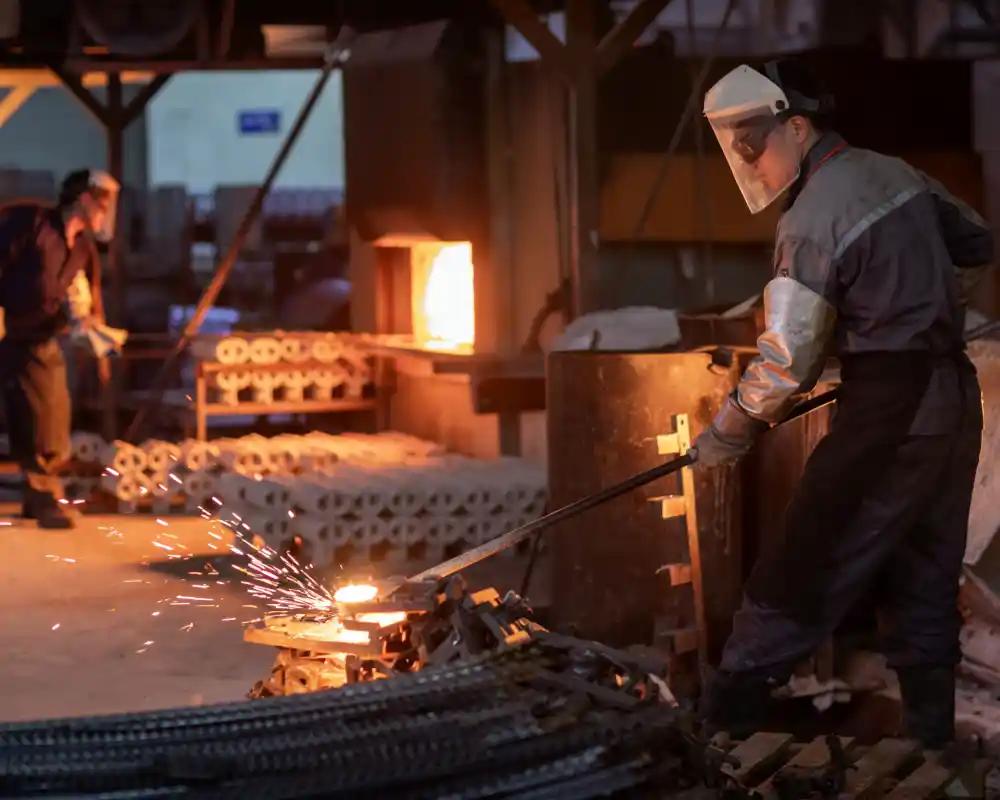
Le moulage de métaux transforme directement des conceptions complexes en composants haute performance, prêts pour la production. Il résout les défis de fabrication critiques liés à la complexité géométrique, aux propriétés optimales des matériaux et à la rentabilité à grande échelle, des défis que d'autres procédés peinent souvent à relever.
Produisez des géométries complexes et aux dimensions finales précises, y compris des éléments internes, difficiles ou coûteuses à usiner. Consolidez les assemblages en composants uniques et robustes afin de réduire le nombre de pièces, le poids et la complexité d'assemblage.
Utilisez une vaste gamme d'alliages techniques pour répondre à des exigences spécifiques en matière de résistance, de comportement thermique et de résistance à la corrosion. Obtenez des rapports performance/poids et une durabilité exceptionnels pour les applications exigeantes.
Bénéficiez d'excellentes économies d'échelle. Minimisez le gaspillage de matériaux et réduisez l'usinage secondaire grâce au formage quasi-définitif, offrant ainsi une solution rentable pour les petites et grandes séries.
La fonderie garantit l'intégrité structurelle, la précision et la capacité de production nécessaires aux composants critiques des industries de pointe.
Fabrication de blocs-moteurs, de châssis et d'aubes de turbines robustes et légers, conformes aux normes les plus strictes en matière de sécurité, de performance et de résistance environnementale.
Production de pièces de grande taille et résistantes à l'usure, telles que des corps de pompe et des corps de vannes, pour les secteurs minier, de la construction et de la production d'énergie, conçues pour résister à des conditions d'utilisation extrêmes.
Création de composants biocompatibles de haute précision pour les instruments chirurgicaux et les boîtiers de dispositifs, où la précision dimensionnelle absolue, l'état de surface et la pureté des matériaux sont essentiels.
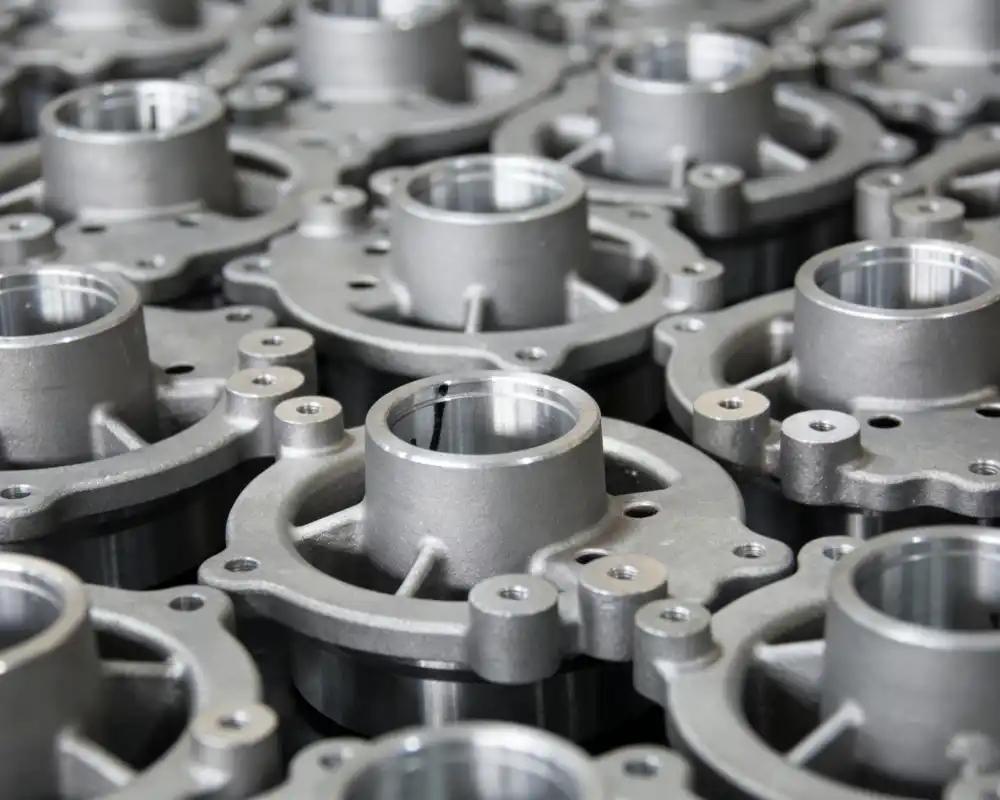
Nous utilisons des logiciels de simulation avancés pour optimiser la conception des moules et le système d'alimentation, associés à une coulée sous vide contrôlée et à une solidification régulée. Ce processus en boucle fermée minimise les défauts internes, garantissant une densité de matériau et une intégrité structurelle supérieures pour les applications exigeantes.
Nos procédés de fonderie de précision à la cire perdue et sous pression permettent d'atteindre des tolérances aussi serrées que ±0,1 mm. Cette haute précision réduit considérablement le besoin et le coût d'usinage secondaire important, et permet de livrer des composants prêts à l'emploi.
Oui, nous proposons une production flexible sans quantité minimale de commande (MOQ). Nos méthodes efficaces pour les prototypes et les petites séries vous permettent de valider vos conceptions et d'adapter votre production en toute fluidité, tout en maîtrisant vos coûts initiaux.
Chaque coulée est analysée par spectrométrie afin de garantir sa conformité chimique. Nous effectuons également des essais destructifs sur des échantillons de lots, vérifiant la résistance à la traction, la limite d'élasticité et la dureté pour garantir que vos pièces fonctionnent conformément aux spécifications.
La fonderie de métaux excelle dans la production de conceptions complexes et intégrées. Notre expertise nous permet de fabriquer de manière fiable des canaux internes complexes, des sections creuses et des parois minces qui repoussent les limites de l'usinage ou de la fabrication.
Nous garantissons une traçabilité complète pour chaque lot de production. Chaque expédition est accompagnée de rapports d'essais des matériaux (REM) et de rapports d'inspection du premier article (IAP) détaillés, assurant ainsi la documentation nécessaire aux audits qualité et à la conformité.
Le délai de livraison des prototypes est généralement de 3 à 5 semaines. Pour vos projets de production, nous vous proposons un planning détaillé et collaboratif après l'analyse DFM, afin de respecter vos délais critiques de développement et de lancement.
Notre usine est certifiée IATF 16949 et AS9100 et possède une solide expérience en tant que fournisseur de premier rang dans ces deux secteurs. Nous maîtrisons les exigences strictes relatives aux composants critiques pour la sécurité.
Nos ingénieurs réalisent une analyse DFM proactive afin d'optimiser la fabricabilité de votre conception. Nous suggérons des modifications pour améliorer l'écoulement du matériau dans le moule, réduire le poids et minimiser les opérations secondaires, ce qui diminue directement le coût unitaire sans compromettre les performances.
Oui, nous proposons une intégration verticale complète, incluant l'usinage CNC, le traitement thermique et la finition de surface en interne. Cette maîtrise de bout en bout garantit la qualité, simplifie votre chaîne d'approvisionnement et accélère la mise sur le marché de vos produits.