العربية



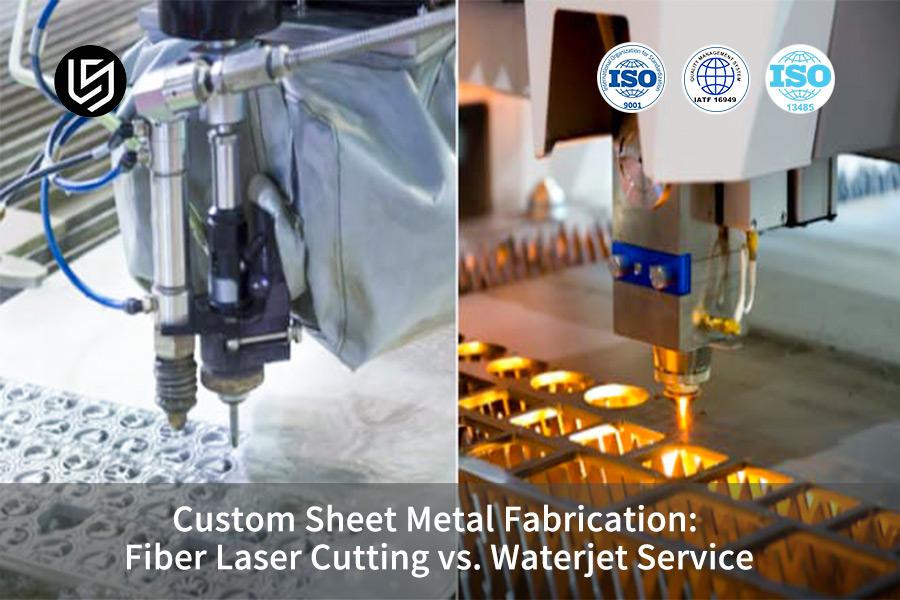
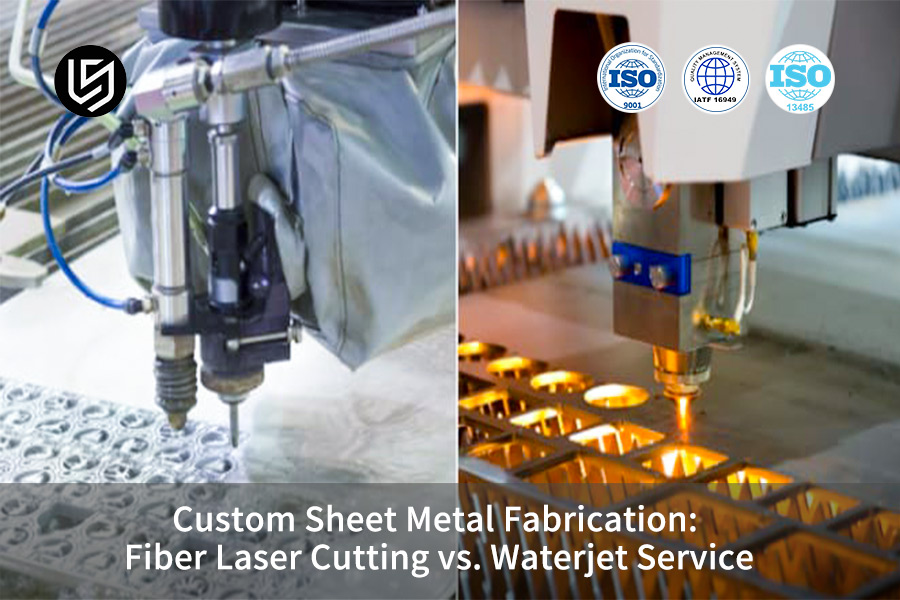
تصنيع الصفائح المعدنية المخصصة يحدد جودة القطعة والتكلفة ووقت التسليم من خلال الاختيار بين القطع بالليزر الليفي والقطع بنفث الماء.
يعد قطع ألياف الليزر هو الخيار الأفضل للألواح الرقيقة (1 مم - 12 مم) بدقة 0.1 مم، ويعتبر القطع بنفث الماء هو الخيار الأفضل للألواح السميكة (30 مم فما فوق) أو المواد الحساسة للحرارة (من أجل منع التشوه الحراري، عمودي 0.05 مم). يمكن أن يؤدي اتخاذ الاختيار الصحيح إلى تقليل التكاليف بنسبة تصل إلى 25%.
يشعر رؤساء أقسام المشتريات والمهندسون أحيانًا بالحيرة بشأن قرارات قطع الصفائح المعدنية. يمكن أن تؤدي القرارات السيئة إلى خسائر مادية وتصاعد التكاليف بشكل خارج عن السيطرة، ويرجع ذلك أساسًا إلى عدم وجود مقارنات كمية للعمليات.
هذه المقالة، باستخدام البيانات المقاسة لشركة LS Manufacturing، ترسم الحدود الفنية وتقدم معايير قابلة للتحديد لمساعدتك في اتخاذ الاختيارات الصحيحة، وخفض التكاليف، وتحسين الإنتاجية.
نظرة عامة على الإجابات الأساسية لاختيار عملية تصنيع الصفائح المعدنية المخصصة
<الجسم> <تر> <تر> <تر> <تر> <تر> <تر>لقد قمنا بتفصيل الاختلافات الرئيسية والسيناريوهات المثالية للعمليتين بشكل واضح. إلى جانب بيانات اختبار المتابعة ودراسات الحالة وأدوات اتخاذ القرار، يمكننا مساعدتك في التحديد السريع لمتطلبات مشروع تصنيع الصفائح المعدنية المخصصة لديك، وتجنب أخطاء الاختيار، والتحسين المزدوج الناجح للجودة والتكلفة.
لماذا تختار شركة LS Manufacturing لتصنيع الصفائح المعدنية المخصصة؟ قطع عالي الكفاءة وعالي الدقة
في مجال تصنيع الصفائح المعدنية، فإن أهم أولوياتك هي بلا شك "الدقة والكفاءة والتكلفة المنخفضة"، وهذا هو بالضبط ما شركة LS Manufacturing مستعدة لتقديمه لك.
بحصولنا على شهادة ISO 9001:2015، تضمن خدماتنا اتساق المنتج، وتقليل عمليات إعادة العمل، والمساعدة في تقليل النفايات الإضافية.
بفضل الإعداد المتكامل لشركة LS Manufacturing الذي يتميز بالعديد من أجهزة ليزر الألياف بقدرة 12 كيلو وات ونفاثات الماء عالية الضغط، أنت قادر على العمل بسماكات مختلفة تتراوح من 1 مم إلى 100 مم. وهذا يعني أنك لن تحتاج بعد الآن إلى البحث عن موردين مختلفين وسيتم توفير تكاليف الاتصال.
لنأخذ الفولاذ الكربوني Q235 مقاس 12 مم كمثال، يمكنك القطع بمعدل 6000 مم/دقيقة، مع شق ضيق جدًا يبلغ 0.1 مم فقط. إنها زيادة بنسبة 8% في أجزاء التصنيع المعدنية المخصصة التي ستتمكن من الحصول عليها في ورقة واحدة مقاس 4 × 8 بوصة، مما يعني تقليل هدر المواد وانخفاض تكاليف الشراء.
تعالج تقنية تعويض التردد الديناميكي لدينا تراكم خبث الحواف على أجزاء سبائك الألومنيوم الحساسة للحرارة، مما يتيح كفاءة معالجة أعلى 8 مرات من نفاثات المياه التقليدية.
عندما يتعلق الأمر بمعالجة الألواح السميكة، تساعد نفاثات الماء عالية الدقة في الحفاظ على الوضع العمودي في حدود 0.05 مم، وبالتالي تجنب الحاجة إلى عمليات الطحن ويؤدي إلى انخفاض بنسبة 15%-20% في تكلفة الإنتاج لكل قطعة.
أبعد من ذلك، تتوافق شركة LS Manufacturing دائمًا مع معيار لحام الهيكل الفولاذي AWS D1.1، توفير لك أقصى قدر من التحكم في المنطقة المتضررة بالحرارة واللحامات اللاحقة.
لقد قدمنا حلولاً مخصصة لأكثر من 500 عميل حول العالم، لمساعدتهم على تقليل تكاليف الشراء الإجمالية بمعدل 20%. إذا كنت تواجه صعوبة في اختيار العملية، فاتصل بمهندسينا للحصول على تقييم مجاني لعملية سوق دبي المالي لمطابقة حل المعالجة الأمثل.
لماذا يمكن أن يصبح قطع الألياف بالليزر هو الاختيار الأول للكفاءة لتصنيع الصفائح المعدنية المخصصة عالية الدقة؟
تستغرق معالجة الصفائح الرقيقة إلى المتوسطة السُمك (1 مم - 12 مم) حوالي 70% من العمل في تصنيع الصفائح المعدنية المخصصة. في هذا المجال، يتصدر قطع الألياف بالليزر قائمة المتصدرين من حيث الكفاءة. وتتمثل نقاط القوة الرئيسية التي تساهم بشكل أساسي في توليد دخل العملاء في السرعة والدقة والتكلفة.
مزايا السرعة وكثافة الطاقة في قطع الألياف بالليزر
- معالجة الفولاذ الكربوني Q235: تصل سرعة القطع إلى 12000 مم/دقيقة لسمك 1 مم، و3000 مم/دقيقة لسمك 6 مم، و6000 مم/دقيقة لسمك 12 مم، وهو ما يتجاوز متوسط الصناعة بشكل كبير ويزيد الإنتاج بشكل كبير القدرة.
- معالجة الفولاذ المقاوم للصدأ 304: سرعة قطع تبلغ 2000 مم/الدقيقة لسمك 6 مم، مع التحكم في كثافة الطاقة بشكل مثالي عند 10^6 واط/سم، وبالتالي منع الإفراط في ذوبان المواد وبالتالي الحفاظ على الجودة الجيدة للقطع.
مزايا الدقة والتكلفة لقطع الألياف بالليزر
- الدقة والحد من الخسارة: الشق الذي يبلغ 0.1 مم فقط هو عرض أصغر بنسبة 50% من العرض المعتاد في القطع باللهب. وهذا يعني أن ورقة واحدة مقاس 4x8 يمكن أن تحتوي على 5%-8% أكثر أجزاء التصنيع المعدنية المخصصة مما يؤدي إلى خفض تكلفة المواد لكل قطعة بنسبة 3%-5%.
- الميكنة والشحن: يمكن دمجها مع التحميل والتفريغ الآلي وأنظمة الجدولة الذكية، وبالتالي تقليل وقت التسليم للإنتاج واسع النطاق بنسبة 40% فضلًا عن تقليل التدخل اليدوي والأخطاء البشرية.
يمكن لخدمة قطع الصفائح المعدنية بالليزر أن تعزز كفاءة خط الإنتاج إلى حد كبير. بهذه الطريقة، يمكن لعملاء الإنتاج الضخم زيادة القدرة وخفض تكاليف الوحدة. إذا كان المشروع يركز بشكل أساسي على الألواح الرفيعة المتوسطة، يمكنك تنزيل المستند التقني المخصص لخدمة القطع بالليزر للتعرف على معلمات المعالجة المحددة وطرق حساب التكاليف.
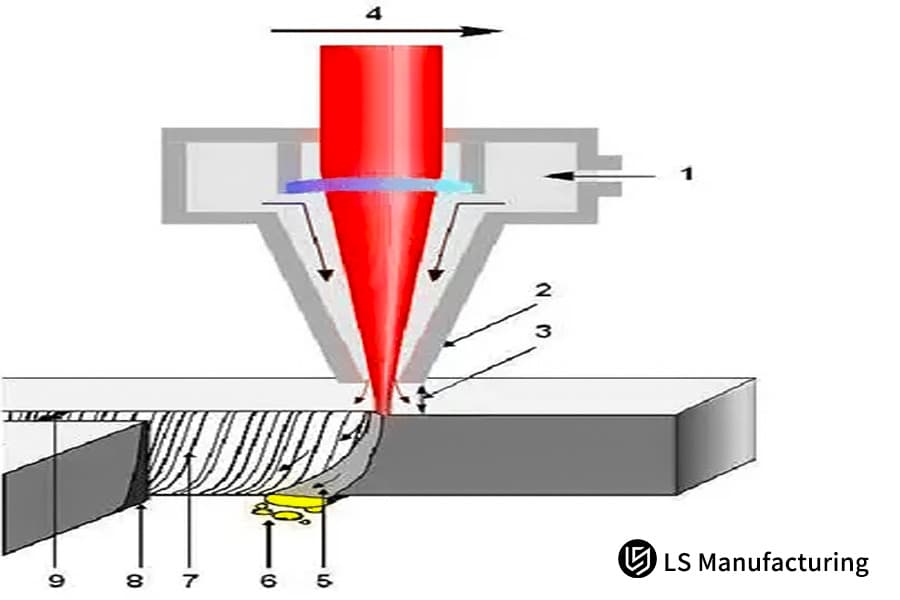
الشكل 1: رسم تخطيطي فني يوضح شعاع ليزر من الألياف وهو يقطع صفائح معدنية بدقة عالية.
في أي تحدي من العمليات تعتبر خدمة قطع المعادن بنفث الماء هي الحل الوحيد لتجنب التشوه الحراري للمواد؟
في بعض الأحيان، يتعطل تصنيع الصفائح المعدنية المخصصة عندما تكون الألواح سميكة جدًا أو عندما تكون المواد حساسة جدًا للحرارة. في مثل هذه الحالات، قد تكون المنطقة المتأثرة بالحرارة (HAZ) بسبب قطع ألياف الليزر هي العامل القاتل للعملية.
خدمة قطع المعادن بنفث الماء مع خصائص المعالجة الباردة التي تتمتع بها تحل هذه المشكلة بشكل جميل وهي الخيار الوحيد القابل للتطبيق.
معظم التطبيقات النموذجية للقطع بنفث الماء
- معالجة الألواح السميكة: تستخدم بشكل أساسي للصفائح المعدنية التي يزيد سمكها عن 30 مم. على وجه الخصوص، إذا تم قطع فولاذ كربوني بسمك 50 مم باستخدام نفاث مائي عالي الضغط، فسيكون العمودي في حدود 0.05 مم، وستكون الزاوية 1، وهو دقيق جدًا بحيث لا يتطلب أي معالجة إضافية.
- تصنيع المواد الحساسة للحرارة: هذه الطريقة مناسبة لسبائك التيتانيوم، والسبائك ذات درجة الحرارة العالية، وما شابه ذلك، حيث تبلغ درجة حرارة المعالجة 50. نظرًا لعدم إنشاء منطقة متأثرة بالحرارة، يتم التخلص من تصلب المواد، وبالإضافة إلى ذلك، لا يتم إنشاء طبقة أكسيد أو شقوق دقيقة تشكلت.
معلمات القطع بنفث الماء للألواح السميكة من مواد مختلفة
|
عملية القطع
|
المواد القابلة للتطبيق والسمك
|
دقة التسامح
|
المزايا الأساسية
|
السيناريوهات القابلة للتطبيق
|
|
قطع الألياف بالليزر
|
الفولاذ الكربوني، الفولاذ المقاوم للصدأ 1-12 ملم، سبائك الألومنيوم 1-8 ملم.
|
±0.1 ملم
|
كفاءة عالية، شق ضيق، فقدان منخفض للمواد.
|
ألواح متوسطة ورقيقة منتجة بكميات كبيرة، وأجزاء قياسية عالية الدقة.
|
|
القطع بنفث الماء
|
جميع أنواع المعادن ≥30 ملم، والسبائك الحساسة للحرارة.
|
±0.05-±0.15 ملم
|
معالجة باردة، لا تشوه حراري، عمودي جيد.
|
ألواح سميكة، وأجزاء حساسة للحرارة، وأجزاء لا تحتاج إلى أكسدة.
|
|
ألياف الليزر (بمساعدة النيتروجين)
|
فولاذ مقاوم للصدأ، سبائك ألومنيوم 1-6 ملم.
|
±0.08 مم
|
لا توجد طبقة أكسيد، مقطع سلس.
|
أجزاء دقيقة عالية المتطلبات مثل الأجزاء الطبية والفضائية.
|
|
نفث الماء (درجة الدقة)
|
سبائك خاصة 20-100 ملم.
|
±0.05 مم
|
لا توجد منطقة متأثرة بالحرارة، ولا يوجد تغيير في خصائص المواد.
|
الأجزاء الهيكلية الصناعية، المعالجة الدقيقة للألواح السميكة.
|
|
العملية المركبة
|
أجزاء معقدة، أجزاء مجمعة متعددة السُمك.
|
±0.08 مم
|
الموازنة بين الكفاءة والجودة.
|
أجزاء صفائح معدنية معقدة مخصصة.
|
كيف يجب أن يكون ليزر الألياف مقابل ليزر الألياف. دقة توازن القطع بنفث الماء وجودة المقاطع العرضية عند تخصيص الأجزاء المعقدة؟
يقع في قلب تصنيع الصفائح المعدنية المخصصة للأجزاء المعقدة المفصلة حسب الطلب ثالوث الدقة وجودة المقطع والتكلفة.
اتخاذ قرار بين يجب أن يكون القطع بالليزر الليفي مقابل القطع بنفث الماء جزءًا من الحوار المتعلق بأشكال وأحجام الأجزاء المراد تصنيعها. ونحن نضع معايير واضحة لهذا الحل الوسط بمساعدة بيانات القياس الفعلية.
مقارنة الأداء الأساسي لعمليتين
|
نوع المادة
|
السمك
|
سرعة القطع بنفث الماء
|
العمودية
|
الحاجة إلى معالجة ثانوية
|
|
الفولاذ الكربوني
|
30 ملم
|
300 ملم/دقيقة
|
±0.05 مم
|
لا داعي
|
|
الفولاذ المقاوم للصدأ
|
50 ملم
|
250 ملم/دقيقة
|
±0.08 مم
|
لا داعي
|
|
سبائك التيتانيوم
|
20 ملم
|
200 ملم/دقيقة
|
±0.05 مم
|
لا حاجة
|
|
سبائك الألومنيوم
|
40 ملم
|
350 ملم/دقيقة
|
±0.07 ملم
|
لا داعي
|
مبادئ اختيار العملية للأجزاء المعقدة
- الأجزاء ذات البنية الدقيقة: إذا كانت الأجزاء تحتوي على ثقوب صغيرة جدًا (أقل من 0.5 مم) أو درجة دقة فائقة، فإن قطع الألياف بالليزر هو أفضل طريقة للقيام بذلك. أصغر حجم موضعي مركّز يبلغ 0.05 ملم لا يساعد فقط في الحصول على دقة أعلى، بل يحافظ أيضًا على المواد من التلف.
- الأجزاء ذات ميزات المقطع العرضي الكبيرة: عندما يجب أن تصل الأجزاء إلى Ra3.2m وأيضًا ذات سمك كبير، فإن القطع بنفث الماء هو أفضل طريقة. نظرًا لأنها عملية باردة، سيكون المقطع العرضي لطيفًا وناعمًا دون أي أكسدة، وبالتالي لن تكون هناك حاجة للطحن بعد ذلك.
باختصار، يعد قطع ألياف الليزر أمرًا رائعًا لصنع أجزاء مفصلة للغاية، في حين أن القطع بنفث الماء يعمل بشكل أفضل مع الألواح السميكة التي تحتاج إلى جودة مقطعية عالية، مما يضمن معًا الجودة الدقيقة للأجزاء.
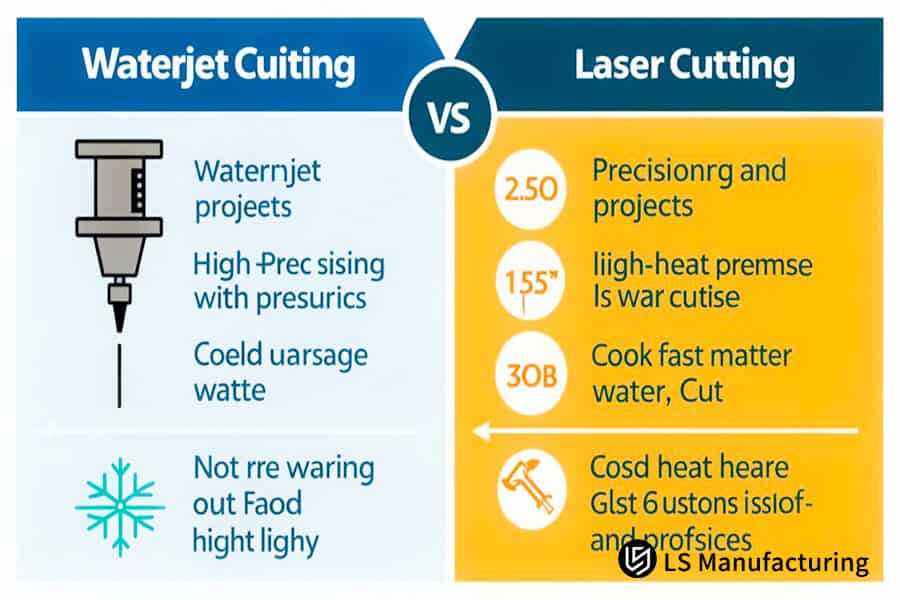
الشكل 2: مخطط مقارنة يسلط الضوء على الاختلافات الرئيسية بين تقنيات القطع بالليزر الليفي وتقنيات القطع بنفث الماء.
هل يمكن لخدمة تصنيع الصفائح المعدنية لديك تقليل تكاليف شراء المواد عن طريق تحسين بدل القطع؟
يعد التحكم الدقيق في بدل الشق أحد أهم الطرق لتحقيق تحسين التكلفة في خدمة تصنيع الصفائح المعدنية. وكان هذا العامل غامضاً على الدوام حتى مع تنفيذ تدابير خفض التكاليف.
مدى فائدة بدل الشق في قطع الألياف بالليزر
- يعد عرض الشق عاملاً رئيسياً:يبلغ عرض الشق لقطع ألياف الليزر 0.1 مم فقط. يمكن أن يؤدي استخدام قطع ألياف الليزر إلى تقليل هدر المواد وزيادة استخدام الورقة بشكل كبير. علاوة على ذلك، فهي تختلف عن الطرق التقليدية حيث يتراوح عرض الشق من 0.2 إلى 0.3 ملم.
- الاستفادة من نظام التخطيط:يعمل البرنامج المتداخل المقترن بشق 0.1 مم على تخطيط الأجزاء بأكثر الطرق فعالية. وتتيح هذه الأجزاء زيادة بنسبة 5% إلى 8% في تصنيع الأجزاء المعدنية لكل ورقة مقاس 4 × 8 بوصة أو 5 × 10 بوصة.
صيغة التوفير في تحسين تخفيض البدلات
- التوفير لكل دفعة: على سبيل المثال، إذا اشترت إحدى الشركات 100 ورقة من صفائح الفولاذ المقاوم للصدأ مقاس 4'x8' 304 بسعر 200 دولار أمريكي لكل منها كل شهر وقامت بتقطيع 8 إلى 10 أوراق أقل بعد تحسين النظام، فستوفر 1600 إلى 2000 دولار أمريكي شهريًا.
- القيمة طويلة المدى: إلى جانب توفير 19200 إلى 24000 دولار أمريكي سنويًا، يمكن أيضًا تخصيص هذا المبلغ جانبًا للتخفيف من مخاطر تقلبات أسعار المواد الخام، وهو ما يحدث من وقت لآخر، مما يؤدي إلى خفض التكلفة وتحسين الكفاءة على المدى الطويل.
بصرف النظر عن اكتشاف شركة تصنيع صفائح معدنية ماهرة يمكنها إنتاج أفضل الأجزاء، يمكن أيضًا الاستمتاع بهذه التكاليف الموفرة من خلال التحسين الفني. إذا كانت لديك احتياجات تخصيص الدفعات، اتصل بمهندسينا لحساب التكلفة مجانًا بعد تحسين المواد لفتح إمكانات جديدة للتكلفة التخفيض.
دراسة حالة: كيف تقوم شركة LS Manufacturing بتخصيص الإطارات الدقيقة المصنوعة من الفولاذ المقاوم للصدأ لصناعة الأجهزة الطبية وتقليل التكاليف بنسبة 25%؟
The medical device sector sets a very high standard for custom sheet metal fabrication, including extremely accurate product dimensions, very fine surface qualities, as well as materials that can be used for medical purposes.
Through this case study, you will see how we have dealt with the client's main issues and, at the same time, reduced the price.
Client's Problem
A top-notch medical device manufacturer was looking to customize 6mm thick 316L stainless steel surgical stent frames with the condition that the edges should have absolutely no oxide layer and in addition, there should be no heat deformation, and the subsequent coating treatment with high demands.
The client had initially employed waterjet cutting and had a production of only 800 sets per month which could not satisfy the demand of 2,000 sets, and the cost per piece was $120, which brought quite a bit of cost pressure.
LS Manufacturing's Solution
- Pain Point Analysis: Main client desires were "no oxide, high efficiency, and low cost." Confirming the current waterjet cutting process not only was inefficient, high cost but also could not provide the features needed by the client.
- Process Selection: To meet the medical-grade requirements of no oxide and high precision, changing the process to "10,000-watt high pressure nitrogen fiber laser cutting, " was the best solution.
- Parameter Optimization: Auxiliary gas pressure was increased to 25 Bar and focal point was -3.0 mm. A specially designed anti-oxidation cutting head was used to completely eliminate the oxygen in the cutting area thus preventing oxidizing the metal surface.
- Sample Testing:Tests on 100 parts showed that the part cut surface roughness Ra was 1.6μm and there was no oxide layer, so there was no sandblasting requirement. The perpendicularity limitation was 0.08 mm, which is medically acceptable.
- Layout Optimization: The nest layout was improved. Number of parts from a 4'x8' 316L stainless steel sheet load was increased from 12 to 14 leading to less material waste and cost reduction.
Results and Value:
Process changes helped to rework the production system.
- The production efficiency was improved by 60%, with a monthly output of 2500 sets.
- The cost of each part dropped to $90 (a 25% decrease), which led to an annual saving of $72,000.
- Besides that, all parts were 100% compliant with the medical grade salt spray test and their service life was extended by 30%.
- After process modifications, the manufacturing time per piece was cut from 15 minutes/piece to 6 minutes/piece, production efficiency was increased by 60%.
- The monthly production output seldom fell below 2,500 sets, which was well above the customer requirement.
- The overall procurement cost per part was reduced from $120 to $90, a 25% cut, resulting in the customer saving $72,000 annually.
- Also, all parts underwent 100% medical grade salt spray test successfully and their service life was increased by 30%.
This is a clear case that proper process selection should be at the heart of matching customer's needs and our capabilities to switch processes can give the best solution for custom sheet metal fabrication in high end fields like the Medical Industry.
If you have needs for precision stainless steel frames or other medical-grade sheet metal parts customization, please contact our expert team for a customized solution and quote.

How To Accurately Select The Most Suitable Sheet Metal Laser Cutting Service Based On The Thickness And Material Hardness Of The Sheet Metal?
Knowing a sheet metal laser cutting service helps a lot after you find out what sheet thickness and material characteristics are. Actually, various materials and thicknesses will hardly be through by laser cutting parameters as well as by the resulting effects.
Just grabbing a model without paying attention may bring you quality problems and wastes of money very easily. We offer highly accurate matching solutions based on the very latest 2026 standards.
Laser Cutting Parameter Matching for Common Materials
- Carbon Steel and Stainless Steel:
For thoroughly working on Q235 carbon steel 1-12mm, 6-12kW power and oxygen assistance seem to be the perfect set of features to both control the speed and avoid slag formation.On the other hand, for 304 stainless steel 1-8mm, our recommendations are to use 8-12kW power and nitrogen assistance so as to effectively suppress oxidation.
- Special Alloys:
For aluminum alloy 1-6mm, 12kW power and nitrogen assistance are our suggestions, while anti-reflection technology being used for the protection of the equipment, for titanium alloy 1-4mm, 12kW power and argon assistance are our advice to help in balancing of energy and preventing thermal deformation.
Key Considerations for Laser Cutting
- Highly reflective metals processing:
Mixing anti-reflection technology (back-reflection protection) enabled us to solve the cutting problems of aluminum alloy and copper, so we can continuously cut and avoid breakdown of the equipment.
- Parameter adjustment:
It is crucial to change the power and feed speed according to the thickness of the sheet to be cut. For example, if you work with ultra-high strength steel (1-8mm), you will have to decrease the feed speed in order to keep the quality of the cut while also meeting the requirements of the industrial structural components.
|
تقنية المعالجة
|
سرعة القطع
|
خشونة سطح القطع (Ra)
|
الحد الأدنى لعرض الشق
|
سعة معالجة المسام الدقيقة
|
القدرة على التكيف مع الرسومات المعقدة
|
|
قطع الألياف بالليزر
|
6000 مم/دقيقة
|
3.2-6.3μm
|
0.1 ملم
|
يمكنه معالجة الثقوب الدقيقة التي يقل حجمها عن 0.5 مم.
|
عالية، ومناسبة للفتحات ذات الملعب الضيق.
|
|
القطع بنفث الماء (جودة الدرجة الخامسة)
|
300 ملم/دقيقة
|
1.6-3.2μm
|
1.0 ملم
|
غير مناسب للثقوب الدقيقة التي يقل حجمها عن 1.5 مم.
|
متوسط، وأكثر فائدة للرسومات المعقدة للألواح السميكة.
|
Our anti-reflection technology is a powerful solution to the tough problem of cutting highly reflective metals like aluminum alloys and copper. Besides ensuring continuous cutting without interruption, this technology also prevents equipment failure. If you don't know what laser parameters suit your sheet metal, just upload your CAD drawings and you will get free process selection advice.
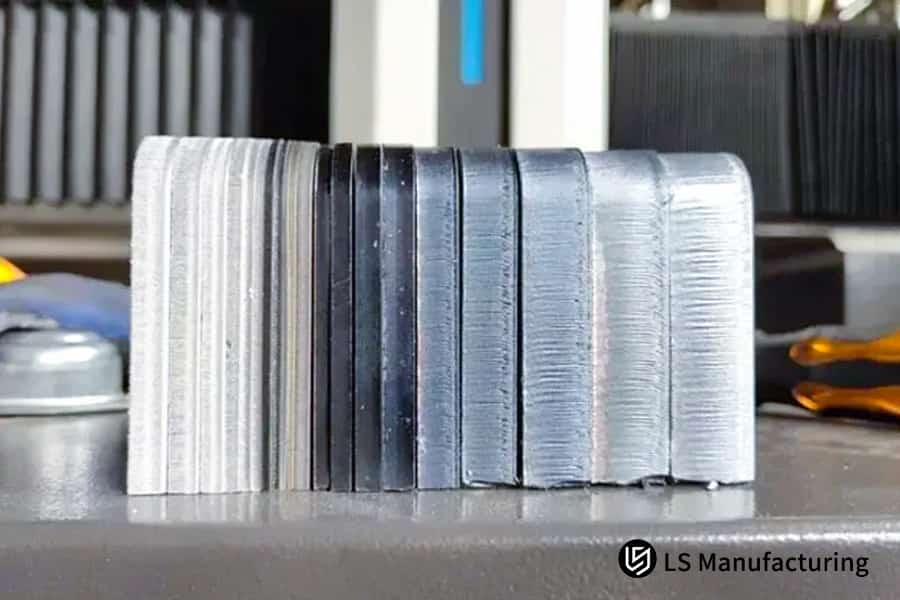
Figure 3: Several metal samples with cut edges, showcasing results from different cutting processes like laser and waterjet.
Why Is It Necessary To Strictly Control The Heat Affected Zone In Industrial Sheet Metal Fabrication To Ensure Subsequent Welding Strength?
In the field of industrial sheet metal fabrication, the laser cutting stage has a major impact on how the parts will be bent and welded later on. Controlling the heat-affected zone (HAZ), i.e. the small surface layer that is altered by being heated, is critical for weld strength and is something that is commonly neglected.
Potential Hazards of the Heat-Affected Zone
Fiber laser cutting creates a 0.1-0.3mm thick surface layer with different mechanical properties (i.e. a heat affected zone or HAZ) that if uncontrolled can cause:
- Too much springback during CNC bending leading to bending accuracy deviations of up to 0.2mm, thus impacting assembly.
- Lowering the weld toughness of the structural components that will be welded, thus increasing the chances of microcracks and failure to meet the AWS D1.1 requirements for steel structure welding.
Heat-Affected Zone Control Scheme
- Parameter Optimization: To limit the HAZ to 0.1mm, reduce energy density and increase cutting speed, which will also keep the weld strength at least 95% of the base metal.
- Auxiliary Processing: For very high demand projects, a 0.2mm machining allowance is left for subsequent precision grinding to remove the hardened layer, areas of critical welding are processed by the water jet method to completely eliminate the HAZ.
How Can Professional Industrial Sheet Metal Fabrication Manufacturers Ensure Stable Delivery Time Through Equipment Redundancy?
Stable delivery times are a fundamental customer requirement in industrial sheet metal fabrication. Delivery delays are mainly caused by equipment failures and maintenance downtime. We implement an equipment redundancy strategy to provide a "zero delay" delivery guarantee.
Equipment Redundancy System Construction
Our company has several 12kW laser cutting machines and high pressure water jets of the same specifications to set up an "equipment hot backup" system.
In case a single piece of equipment is broken down or is under maintenance, the production line can be immediately switched and the backup equipment can be running within 10 minutes, thus completely avoiding the downtime and ensuring uninterrupted production.
Auxiliary Measures for Delivery Time Guarantee
We implement a 24/7 lights out production mode, along with an intelligent scheduling system aimed at unattended continuous production, thus not only improving efficiency but also reducing the risks of delivery time. Heavy asset investment is turned into a "zero delay" brand promise, satisfying the requirements of high value procurement.
FAQs
Q1: What are the achievable tolerances for laser cutting and waterjet cutting in sheet metal processing?
Our fiber laser is capable of achieving a positioning accuracy of 0.1mm (ideal for 1-12mm thin plates). However, precision waterjet cutting can consistently maintain a tolerance of 0.05-0.15mm when working on thick plates.
Q2: Why do you suggest giving fiber laser cutting a higher priority when producing high precision aluminum alloy parts?
By combining fiber laser with our dynamic frequency compensation technology, we have achieved a method of eliminating the issue of the accumulation of slag on aluminum alloys after processing. The processing speed is 5-10 times faster than that of waterjet cutting, resulting in a drastic increase in efficiency and a reduction in costs.
Q3: How does LS Manufacturing ensure the perpendicularity of the cut for ultra thick carbon steel plates exceeding 25mm?
LS Manufacturing's solution to the problem is to utilize a powerful waterjet or a laser head, which is compensated for bevel. By lowering the speed and raising the gas flow, we can guarantee that the bevel angle is kept within 1 therefore fulfilling the requirements of thick plates.
Q4: Does fiber laser cutting change the chemical properties of the edges of stainless steel parts?
In some cases when cutting with oxygen, the metal surface can be oxidized. We usually cut the metal with high pressure nitrogen to protect the metal color naturally and also make it easier to weld without doing any extra work.
Q5: My drawing requires extremely small micro holes. Will waterjet cutting cause chipping?
Waterjet cutting micro holes smaller than 1.5mm may cause chipping. To prevent damage in the weak parts of the material, we advise laser pre-drilling or usage of a complete laser setup.
Q6: When customizing sheet metal parts in bulk, which process can help me obtain a more competitive quote?
For large volume workpieces with thickness less than 10mm, fiber laser cutting has such a high production rate per hour that a price of only 40% higher than waterjet cutting would significantly lower your bulk purchase costs.
Q7: If my parts require mirror polishing, what are the considerations for choosing the cutting process?
It would be best if you consider laser cutting together with our surface finishing procedure so that you can minimize grinding after processing, get a surface roughness of around Ra1.6, and be ready for mirror polishing.
Q8: Will LS Manufacturing allow uploading of CAD drawings for a free evaluation of the DFM process?
Yes, Our engineers will give you process recommendations and price quotes based on your drawings in 24 hours to help you achieve a balance between manufacturability and cost.
Summary
Fiber laser cutting is a good way to cut medium or thin plates in custom sheet metal fabrication and Waterjet cutting is a good choice for thick plates and heat sensitive materials (quality assurance). Material thickness tolerances, and post processes should be considered when deciding both methods.
The right process can save 20%-25% of costs and speed up delivery times. With top notch equipment and technology, LS Manufacturing assists customers in choosing the best balance of cost, quality, and delivery time.
Upgrade your precision sheet metal supply chain. Get in touch with one of our experts now or upload your STEP/DXF files to receive a personalized DFM evaluation and price. Take advantage of our 24-hour rapid quote service and get a cheap custom sheet metal fabrication solution.
📞Tel: +86 185 6675 9667
📧Email: info@lsrpf.com
🌐Website: https://lsrpf.com/
إخلاء المسؤولية
The contents of this page are for informational purposes only. LS Manufacturing services There are no representations or warranties, express or implied, as to the accuracy, completeness or validity of the information. لا ينبغي استنتاج أن المورد أو الشركة المصنعة التابعة لجهة خارجية ستوفر معلمات الأداء والتفاوتات الهندسية وخصائص التصميم المحددة وجودة المواد ونوعها أو التصنيع من خلال شبكة تصنيع LS. It's the buyer's responsibility. Require parts quotation Identify specific requirements for these sections.Please contact us for more information.
فريق تصنيع LS
LS Manufacturing هي شركة رائدة في الصناعة. التركيز على حلول التصنيع المخصصة. We have over 20 years of experience with over 5,000 customers, and we focus on high precision CNC machining, Sheet metal manufacturing, 3D printing, Injection molding. Metal stamping,and other one-stop manufacturing services.
Our factory is equipped with over 100 state-of-the-art 5-axis machining centers, ISO 9001:2015 certified. نحن نقدم حلول تصنيع سريعة وفعالة وعالية الجودة للعملاء في أكثر من 150 دولة حول العالم. سواء كان الإنتاج صغير الحجم أو التخصيص واسع النطاق، يمكننا تلبية احتياجاتك من خلال أسرع تسليم خلال 24 ساعة. اختر تصنيع LS. This means selection efficiency, quality and professionalism.
To learn more, visit our website:www.lsrpf.com.

|
Material Type |
Thickness Range |
Recommended Laser Power |
Auxiliary Gas |
Key Notes |
Adaptability to Custom Metal Fabrication Parts |
|
Q235 Carbon Steel |
1-12mm |
6-12kW |
Oxygen |
Control cutting speed to avoid dross. |
High, suitable for mass-produced standard parts. |
|
304 Stainless Steel |
1-8mm |
8-12kW |
Nitrogen |
Prevent oxidation and optimize focus position. |
High, suitable for precision parts. |
|
Aluminum Alloy |
1-6mm |
12kW |
Nitrogen |
Adopt anti-reflection technology to avoid equipment damage. |
Medium, suitable for lightweight parts. |
|
Titanium Alloy |
1-4mm |
12kW |
Argon |
Control energy density to avoid thermal deformation. |
Medium, suitable for high-end customized parts. |
|
Ultra-High Strength Steel |
1-8mm |
12kW |
Nitrogen |
Reduce feed speed to ensure cutting quality. |
High, suitable for industrial structural parts. |