 English


Blog List
Home
Blog List
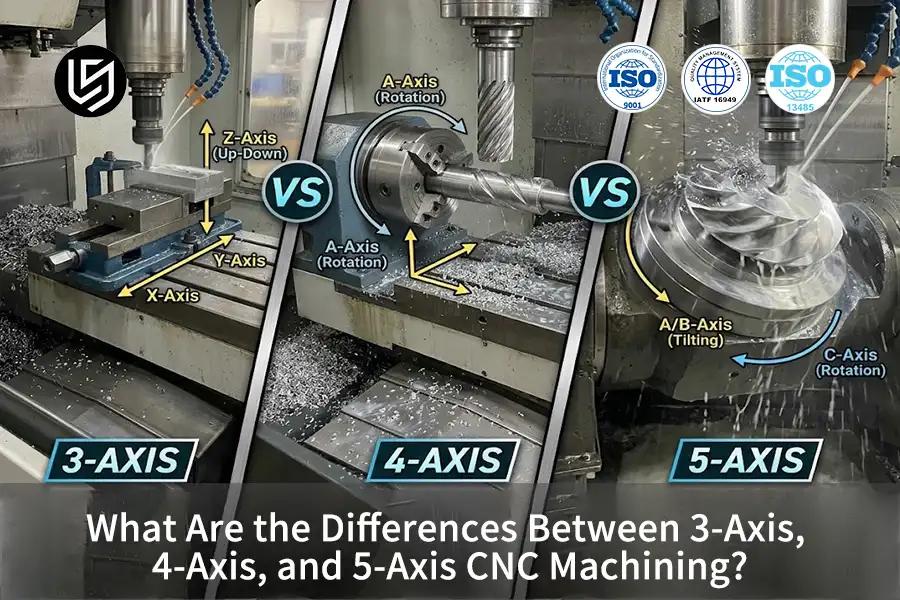
1.Key Engineering Takeaways 2.Step-by-Step Kinematic Machining Mechanism 3.How Do Basic Cartesian Axes Coordinate in 3-Axis CNC Machining? 4.How Does Adding a Fourth Rotary Axis Expand Machining Capacity? 5.What Are the Key Technical Differences in 3+2 vs 5-Axis Machining? 6.Why Does Continuous 5-Axis Milling Outperform Multi-Setup Routines? 7.What Are the Fundamental Multi Axis Machining Limitations to Avoid? 8.How Multi-Axis Kinematics Works in Practice: An Engineering Example from LS Manufacturing 9.FAQs 10.Summary
 Gloria
1.Precision Machining Baselines Key Points: 2.About the Author of This Guide 3.What Is CNC Machining and How Does the Computer Interface Work? 4.How Subtractive Manufacturing Principles Govern Material Removal? 5.What Are the Primary Types of CNC Cutting Operations? 6.Which Materials Are Most Suitable for High-Speed CNC Cutting? 7.What Are Crucial CNC Machining Limitations for Beginners to Know? 8.How Subtractive Cutting Works: Automotive Prototype Case Study by LS Manufacturing 9.FAQs 10.Conclusion
Gloria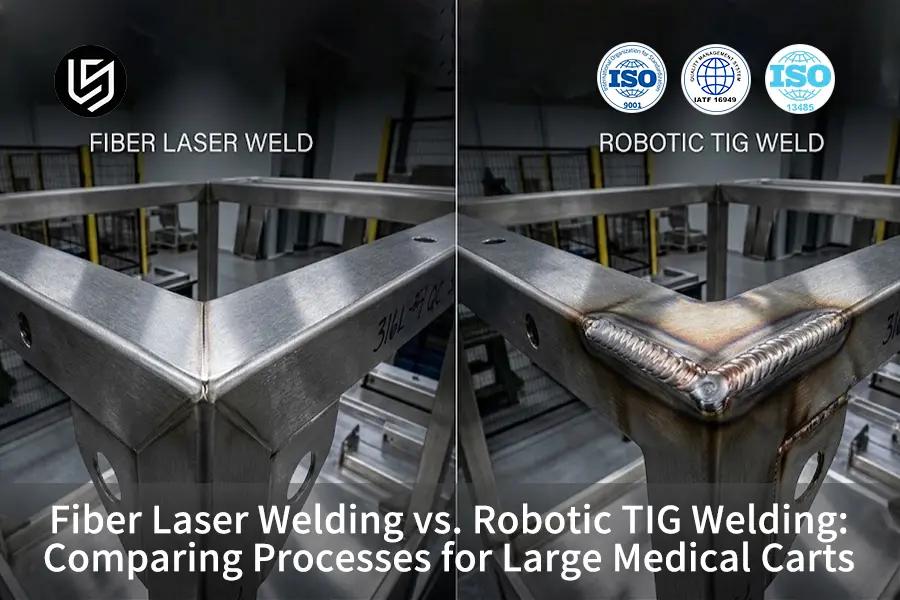
1.Key Takeaways 2.Fiber Laser vs. Robotic TIG Welding Across Critical Fabrication Thresholds for Medical Carts 3.Why Trust Our Empirical Engineering Data? 4.Which Process Delivers Tighter Tolerance for Medical Cart Enclosures? 5.How Do Fiber Laser Welding and Robotic TIG Welding Manage Heat Distortion? 6.Which Welding Process Is More Cost-Effective for 50 to 500 Medical Carts? 7.When Should Joint Fit-Up Determine Fiber Laser or TIG Welding? 8.What Are the Feature Feasibility Boundaries Between Fiber Laser and TIG Welding? 9.LS Manufacturing Fiber Laser Welding vs. Robotic TIG Welding for Medical Imaging Cart Enclosures: 36% Lead-Time Recovery Through Process Splitting 10.FAQs 11.Conclusion
Gloria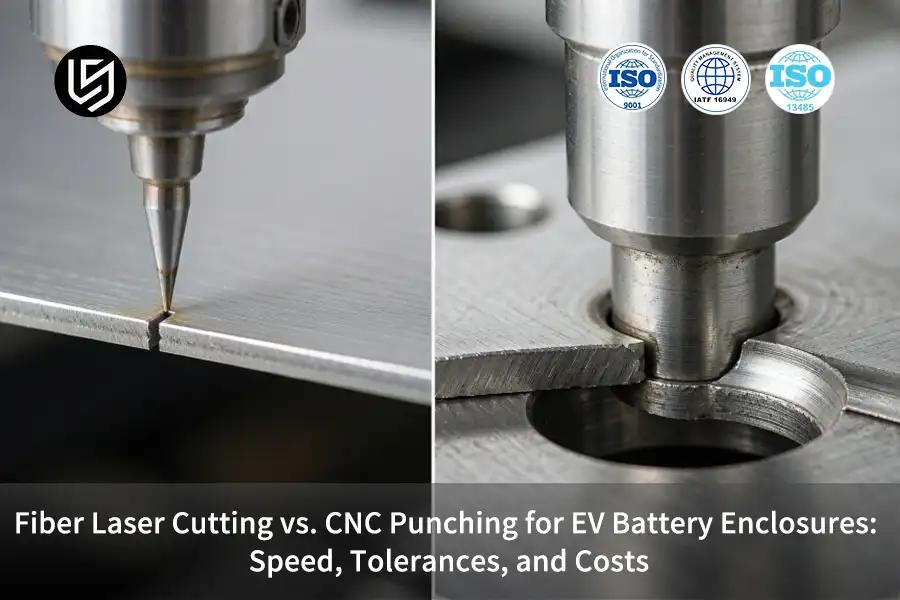
1.How Do Fiber Laser and CNC Punching Compare Side by Side? 2.Key Takeaways 3.The Process Behind the Numbers: LS Manufacturing Cross-Process Engineering Evaluation Approach 4.Which Process Provides Better Tolerances for Enclosures? 5.How Does the Processing Speed Differ Across Battery Hole Patterns? 6.At What Point Does CNC Punching Tooling Cost Become More Economical than Lasers? 7.What Are the Constraint Forms of Laser and Punching? 8.What Makes Production Volume Determinants of Battery Enclosure Selection? 9.Engineering Selection Checklist: Three Easy Steps for Routing Your Part? 10.LS Manufacturing Fiber Laser vs. CNC Punching for Automotive EV Battery Enclosures: Process Trade-Off Optimization
Gloria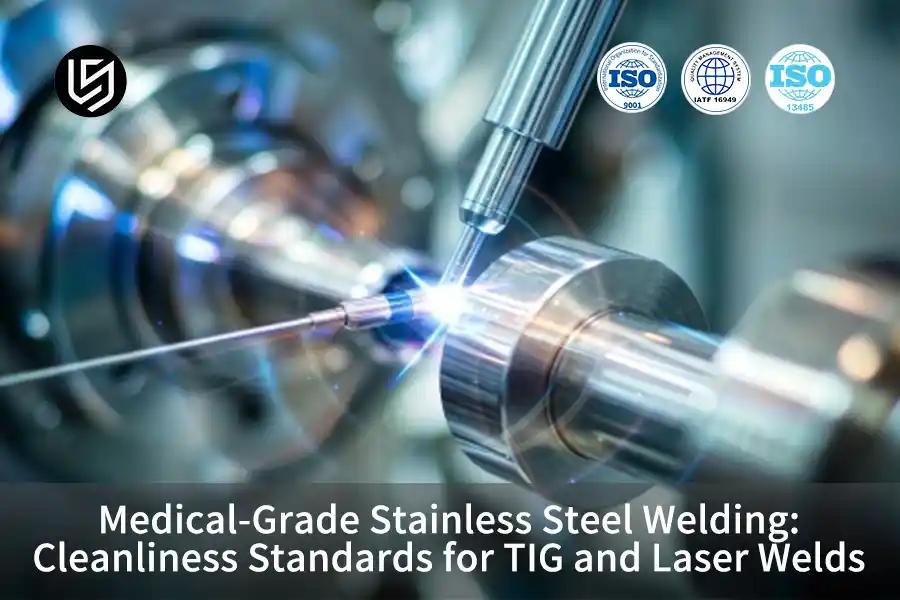
1.Key Takeaways 2.Why Should You Rely on This Beginner’s Guide? 3.What Is Medical-Grade Stainless Steel Welding? 4.How Do Cleanliness Standards for Welding Apply? 5.How Does TIG Welding Work in Medical Fabrication? 6.Why Is Laser Welding Better Than TIG for Micro Parts? 7.Which Welding Defects in Stainless Steel Breach Hygiene? 8.How Laser Welding Works in Practice: A Medical Endoscope Example from LS Manufacturing 9.FAQs 10.Summary, Technical Support and References 11.References & Standards
Gloria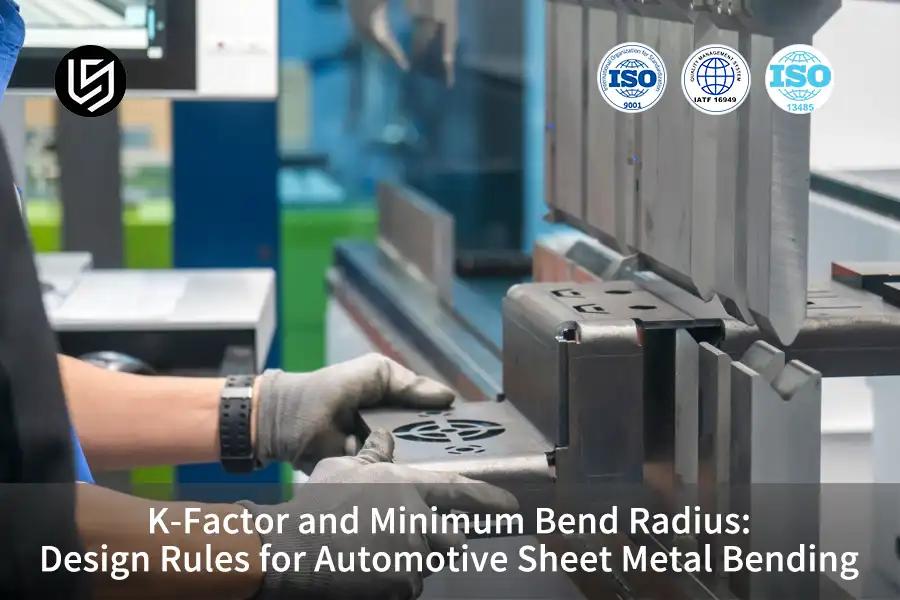
1.Key Takeaways 2.About the Author of This Guide 3.What Is Sheet Metal K Factor in Automotive Press Forming? 4.What Is Minimum Bend Radius for Structural Brackets? 5.K Factor Calculation in the Development of Automotive Parts? 6.Why Does Air Bending Differ from Bottom Bending Methods? 7.When Do Automotive Sheet Metal Bending Rules Prevent Scrap? 8.How to Prevent Sheet Metal Bending Cracks in Production? 9.How Bending Rules Work in Practice: An Automotive Battery Bracket Example from LS Manufacturing 10.FAQs 11.Summary of Precision Sheet Metal Forming Mechanics 12.Glossary of Forming Terms 13.References and Technical Sources
Gloria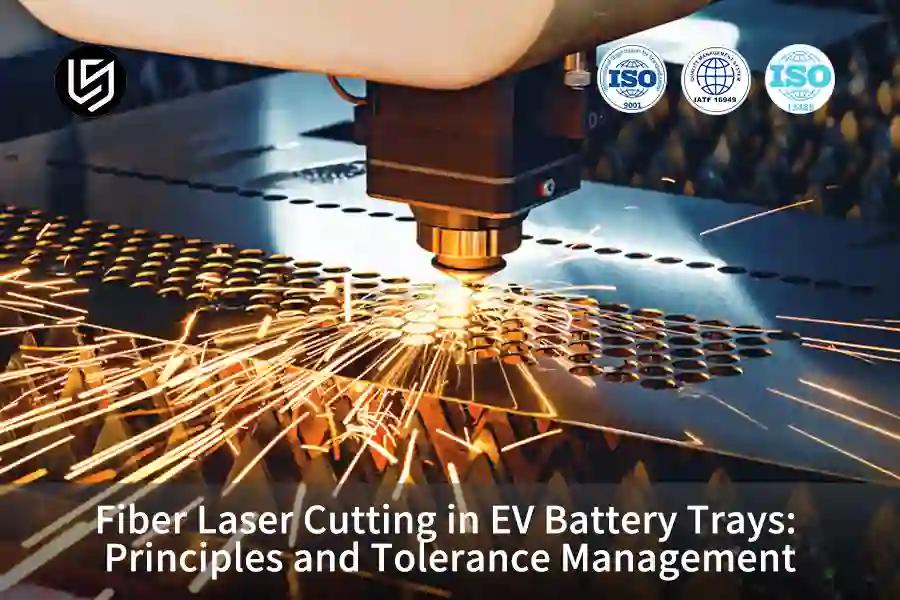
1.Why Trust This Beginner's Guide? 2.How Does Fiber Laser Cutting Work in EV Battery Trays? 3.What Is Linear Profile Tolerance in Laser Cut Trays? 4.Why Does Heat Affected Zone Cause Tray Distortion? 5.How To Control Laser Cutting Tolerances in Battery Enclosures? 6.Which Materials and Profiles Are Most Suitable for Laser Cutting? 7.How Does Fiber Laser Cutting Control EV Tray Distortion? 8.FAQs 9.Summary
Gloria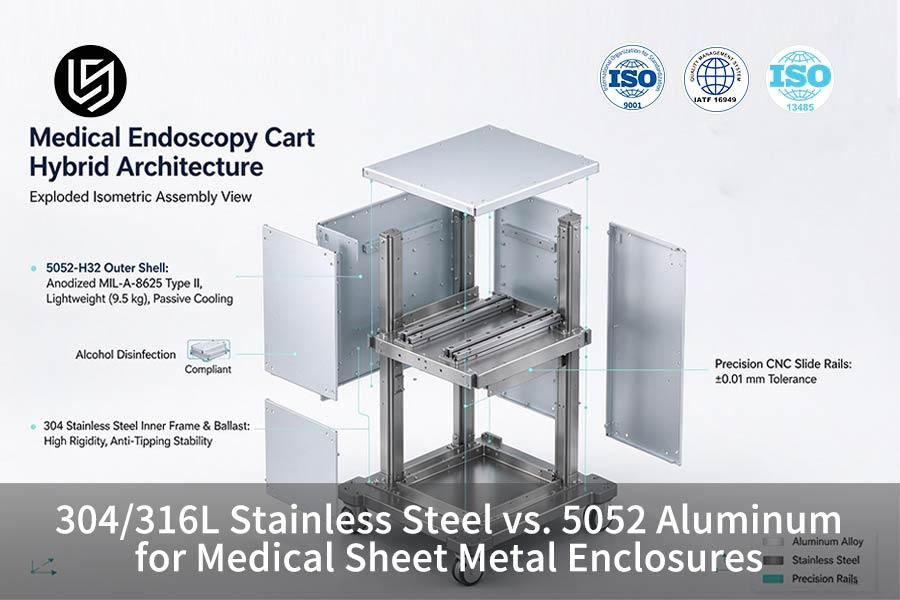
1.Behind The Data: Cross-Process Engineering Methodology At LS Manufacturingccc 2.Quick Reference 4×4 Selection Matrix 3.Which Material Delivers Tighter Sheet Metal Tolerances? 4.What Is The Difference Between 316L And 5052 For Cleanroom Sanitization? 5.How Do Thermal Management And Weight Constraints Impact Design? 6.What Are The Cost Trade-Offs Between 304 And 5052 Sheet Metal? 7.Why Do Sheet Metal Bending Limits Trigger Manufacturing Defects? 8.LS Manufacturing 304 Stainless Steel Vs. 5052 Aluminum For Medical Endoscopy Cart Enclosure: Balancing Rigidity, Heat Dissipation, And Lead Time 9.FAQs 10.Summary
Gloria
1.What Is Medical Sheet Metal And How Does It Function? 2.How Is The Sheet Metal Fabrication Process Explained? 3.Why Do Common Sheet Metal Bending Defects Occur? 4.Which Is Better Stainless Steel VS Aluminum Enclosures? 5.How Does Passivation Protect Stainless Steel Enclosures? 6.What Medical Device Enclosure Standards Govern Production? 7.How Sheet Metal DFM Optimization Works In Practice: A Medical Enclosure Example From LS Manufacturing 8.FAQs 9.Summary
Gloria
1.What Is Passivation For Precision Medical Sheet Metal? 2.How Does Passivation Stop Corrosion On Medical Metal Parts? 3.How Do Medical Passivation Workflows Maintain Base Tolerances? 4.Why Compare Citric VS Nitric Passivation For Devices? 5.Which Causes Of Passivation Failure Compromise Sheet Parts? 6.How Sheet Metal Passivation Works In Practice: A Medical Enclosure Example From LS Manufacturing 7.FAQs 8.Summary
Gloria
1.What Is Medical Grade Plastic In Precision Machining? 2.What Are Common Types Of Medical Plastics For Machining? 3.Why Do Medical Plastics Deform During Machining Runs? 4.How To Machine Medical Plastics Without Defect Risks? 5.Which Machining Standards Govern Medical Grade Parts? 6.How PEEK Polymer Works In Practice: A Surgical Positioning Guide Example From LS Manufacturing 7.FAQs 8.Summary
Gloria
1.How Do Cast Iron And CNC Steel Manifold Pressure Ratings Differ Under Cyclic Stress? 2.When Does Cast Iron Become More Cost-Effective Than CNC Machining Steel? 3.When To Use CNC Steel Hydraulic Manifolds For Accelerated Prototyping? 4.Why Is Internal Channel Cleanliness And Deburring Critical In Both Processes? 5.What Are The Environmental And Weight Trade-Offs Between Iron And Steel Blocks? 6.LS Manufacturing [Cast Iron VS CNC Steel] For Industrial Robotics Hydraulic Manifolds: Machining Stress Relief And Leak Reduction 7.FAQs 8.Summary
Gloria
1.What Are CNC Milling Tolerances For RF Microwave Enclosures? 2.How Do CNC Machining Tolerances Affect EMI Shielding Effectiveness? 3.Why Does RF Cavity Resonance Require Exceptionally Tight Tolerances? 4.How Do Aluminum Alloys Impact CNC Milling Tolerances For RF Housings? 5.What Is The Difference Between Standard And Tight Tolerances In RF Parts? 6.How Precision Milling Works In Practice: An Aerospace RF Shielding Example From LS Manufacturing 7.FAQs 8.Summary
Gloria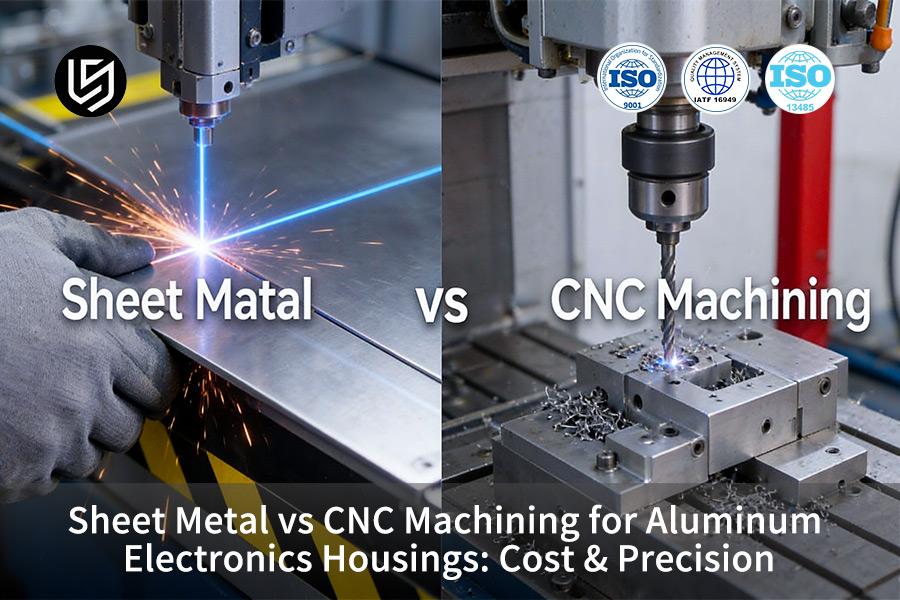
1.Which Process Delivers Tighter Precision For Enclosures? 2.When Does Sheet Metal Beat CNC On Total Production Cost? 3.How Do Wall Geometry and Internal Complexity Impact Feasibility? 4.Why Are Failure Rates Different In Sheet Metal VS CNC Housings? 5.How Does Prototyping Lead Time Compare Between The Two Methods? 6.What Hybrid Strategies Combine Sheet Metal And CNC Advantages? 7.LS Manufacturing CNC Machining VS Sheet Metal For Medical Diagnostic Enclosures: Precision & Cost Optimization 8.FAQs 9.Summary
Gloria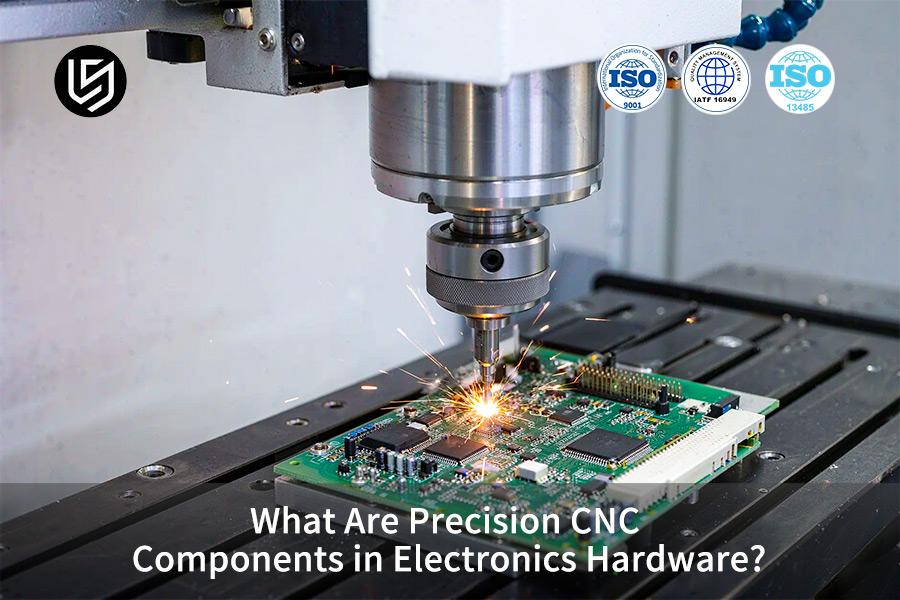
1.What Is CNC Machining For Electronics And How Does It Function? 2.Why Electronics Hardware Requires Precision CNC Machining Today? 3.How Precision CNC Milling Shapes Electronic Housings And Shields? 4.How CNC Machined Heat Sinks Work Inside Compact Hardware? 5.What Materials Are Used In CNC Electronics For Optimal Stability? 6.How 7075 Alloy Machining Works In Practice: A Semi-Hardware Example From LS Manufacturing 7.FAQs 8.Summary
Gloria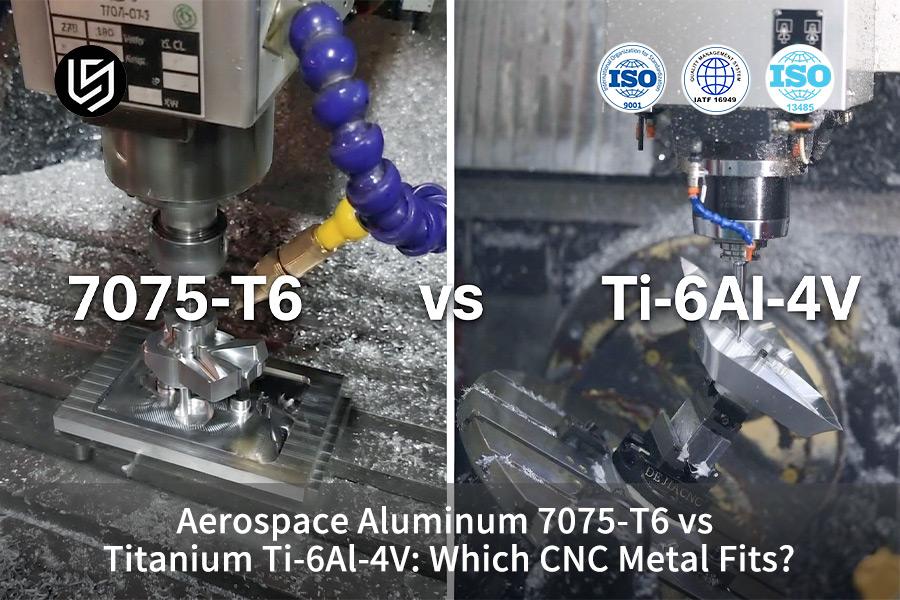
1.Is 7075-T6 Aluminum Lighter Than Ti-6Al-4V In CNC Frames? 2.What Is 7075-T6 Aluminum Machining Behavior Under High Loads? 3.How Does Heat Dissipation Affect Titanium Machining Speeds? 4.Why Does Machinability Of Titanium VS Aluminum Diverge Sharply? 5.When Is Ti-6Al-4V CNC Machining Process Indispensable For Parts? 6.How Ti-6Al-4V Machining Works In Practice: An Avionics Mounting Example From LS Manufacturing 7.FAQs 8.Summary
Gloria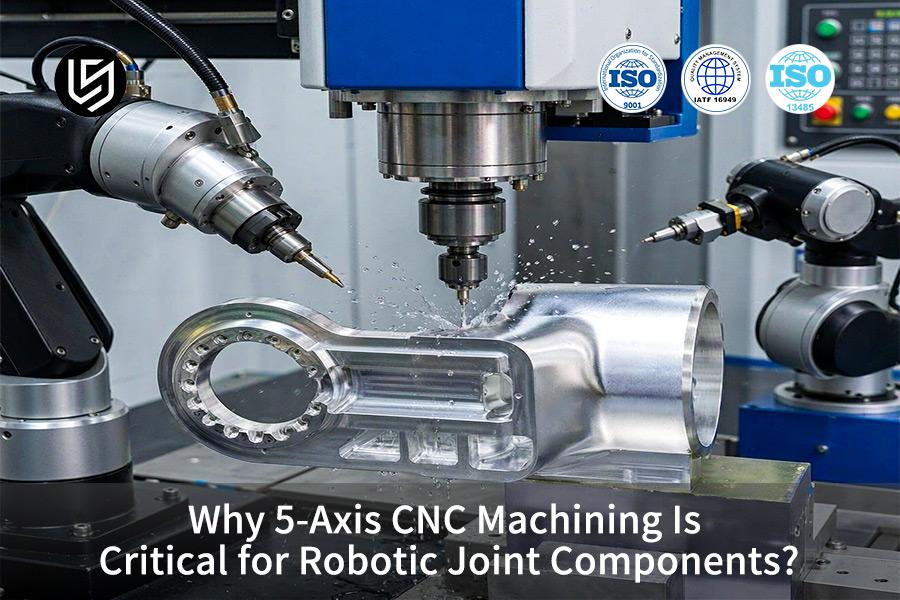
1.Why Trust This Beginner's Guide? 2.Why 5-Axis CNC Machining Is Critical For Robotic Joint Tolerances? 3.How Does Multi-Axis Machining Build Complex Robotic Actuators? 4.What Materials Are Best Suited For Machining Robotic Joints? 5.Which Factors Impact Single Setup CNC Machining Precision? 6.How 3-Axis VS 5-Axis CNC Dictates Robotic Parts Quality? 7.How Multi-Axis Machining Works In Practice: A Cobot Joint Example From LS Manufacturing 8.FAQs 9.Summary
Gloria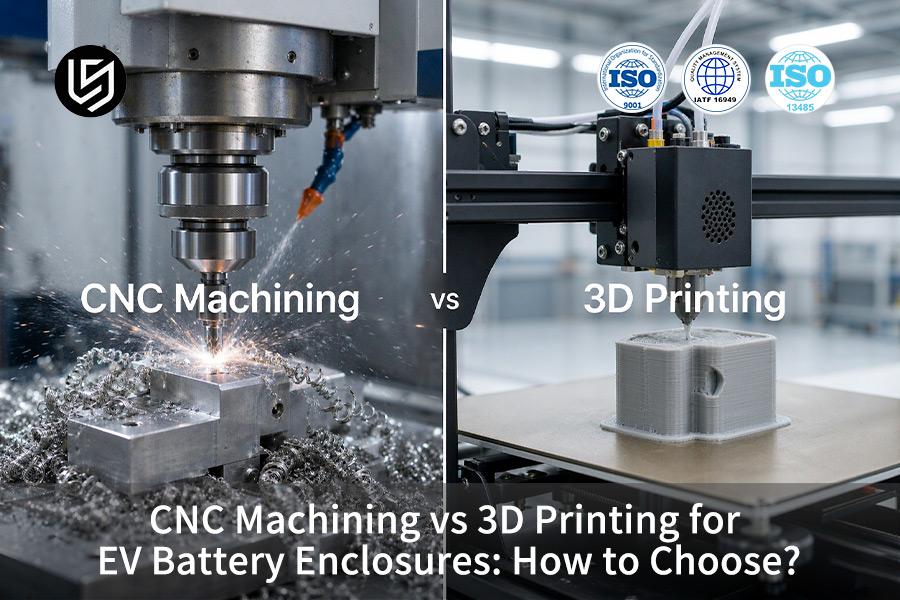
1.Why Trust This Manufacturing Comparison? Practical Insights From LS Manufacturing 2.Which Process Delivers Tighter Tolerance For Enclosures? 3.How Do Thermal Properties Diverge Between CNC and 3D Printing? 4.What Drives EV Battery Enclosure Cost Across Different Volumes? 5.When Does 3D Printing Outperform CNC In Prototyping Speed? 6.Which Process Provides Superior Structural Rigidity and Crash Safety? 7.EV Battery Enclosure Manufacturing Decision Tree 8.LS Manufacturing CNC Machining VS 3D Printing For Automotive EV Battery Enclosure: Tolerance And Thermal Sealing Optimization 9.FAQs 10.Summary
Gloria