English



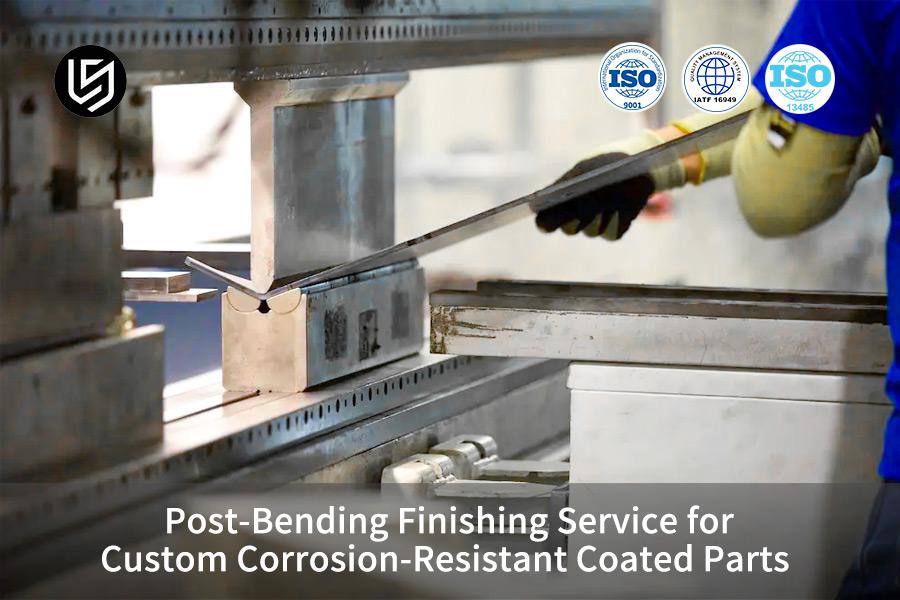
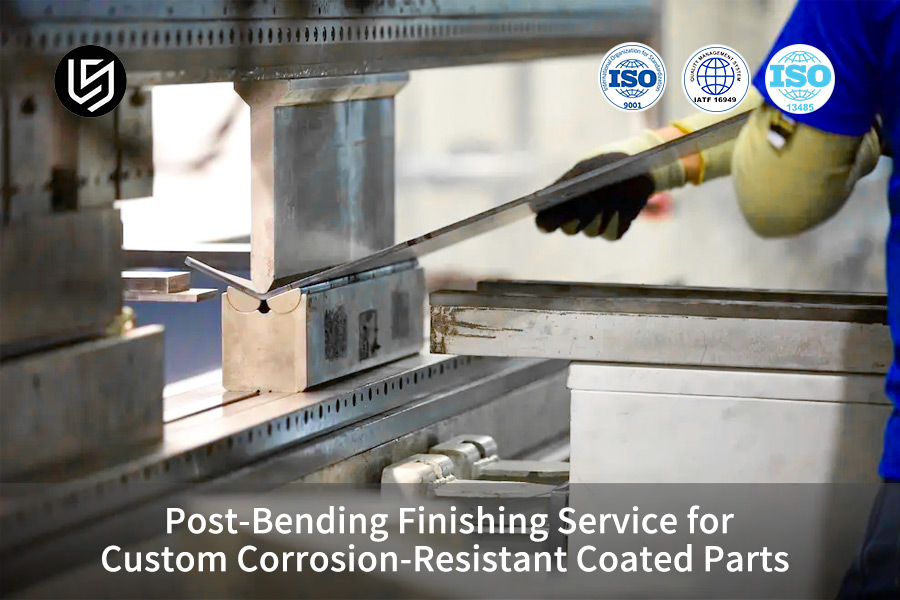
Post bending finishing service is a comprehensive post-construction anti-corrosion surface treatment for bent metal components, which effectively addresses the issue of premature corrosion failure caused by tensile cracking and stress concentration in the bending area of the coating in traditional pre-plating-bend process. The main process of this service is based on the logic of first forming, then stress relief, and finally coating, which leads to achieving 100% coverage of the anti-corrosion layer in the high risk bending areas. It is capable of supporting the workpieces that pass a 1500-hour neutral salt spray test without showing red rust, that's why it will provide long-term anti-corrosion protection even under harsh environmental conditions like heavy industry and marine engineering.
In this artical, we will look into the main technical standards and anti-corrosion decision-making rules that senior manufacturing engineers and procurement decision-makers must know when selecting post bending coating processes.
Overview of Core Technologies in Post Bending Finishing Service
The table below compares the performance differences of three types of processes from core dimensions, allowing for quick assessment of the anti-corrosion capabilities and suitable scenarios for different solutions.
| Comparison Dimensions | Pre-coating followed by bending (conventional process) | Standard split-type post-coating process | LS Manufacturing One-stop post bending treatment |
| Residual stress elimination during bending | None | Partial conventional annealing | 320℃×2.5h vacuum controlled annealing |
| Coating coverage at bend fillets | 60%-70% | Approximately 85% | 100% contoured full coverage |
| Neutral salt spray tolerance | 200-480 hours | 600-800 hours | ≥1500 hours |
| Coating adhesion grade | 2-3 | 1-2 | 0 (5B grade) |
| Dimensional tolerance stability | ±0.2mm and above | ±0.1mm | ±0.05mm |
Key Takeaways:
- Core promise: Only post bending coating can act as a dependable method to die off the exposure of micro-cracks during bending and guarantee 100% coverage of the anti-corrosion layer at the bend.
- Technical Parameters: Besides the multi-stage ultrasonic cleaning, stress-relief annealing at 300℃ for 2 hours is the process to be used to get rid of the residual bending stress to the level that anti-corrosion coating adhesion reaches Grade 0 (5B).
- Procurement Decisions: We don't buy quality promises. We require suppliers to provide third-party testing reports which include film thickness coordinate measurement, 1200-hour neutral salt spray test (ASTM B117), and high and low temperature cyclic shock testing.
Why Trust LS Manufacturing's Expertise In Anti-Corrosion Coating For Post Bending Finishing Services?
LS Manufacturing's technical skills in the post bending finishing services sector have a solid foundation of more than 10 years of hands-on involvement in industrial anti-corrosion projects. Besides, with a fully self-developed process system, the company is capable of stable delivery of long-lasting anti-corrosion bending components, even in the most corrosive environments.
Reflecting on our hands-on experience in marine engineering pump support projects, why for the failure of most anti-corrosion works is not the coating material itself. Our technical team after the three months of work has finished 17 sets of comparative tests to establishing a quantitative relationship between stress relief temperature and coating adhesion.
All anti-corrosion coating deliveries follow the ASTM D3359 adhesion testing standard strictly. We have a comprehensive closed-loop line for the production of bending, heat treatment, and coating. And all process nodes are controlled, as per the ISO 9001 quality management system, because of this, the risk of cross-plant responsibility shirking is totally nullified.
LS Manufacturing's local testing results indicate that carbon steel bent components that haven't undergone stress relief properly have a salt spray failure time that is merely 37% of the samples from the standard process.
Our mature closed-loop process and measured data system help customers quickly avoid common failure risks in bending corrosion protection. You can contact our technical engineers for one-on-one consultation to assess the suitability of our post bending finishing service for your specific component scenario.

Why Does Post Bending Finishing Service Determine The Ultimate Lifespan Of Corrosion Resistant Coated Bending?
The post bending finishing service directly affects the eventual lifespan of corrosion resistant bent parts. When metal is bent, the outer side is stretched, and the inner side is compressed, leading to very high residual stresses and microcracks. Only by doing a whole surface treatment after bending can the anti-corrosion layer fully cover the high risk micro-defects and stop the corrosive substances from going inside through the grain boundaries.
Microscopic Damage Mechanism of Bending Deformation
Metal bending causes the lattice at the outer to be extended and stretched, in contrast, the lattice at the inner is compressed and gets smaller. That's why microcracks and metal bending stress concentration areas tantamount to those visible to the naked eye. The electrochemical corrosion rate of metal parts under high stress is 3-5 times faster than that of flat parts, making it a key area for post bending finishing service to protect against bending microcracks.
Failure Logic of Pre-plating Before Bending Process
As pre-bending plating of the metal surface are plated, the coating bends together with the metal substrate. Though, most anti-corrosion coatings have a a lot lower elongation ability than the metal surface so that they become thinner, crack, and even peel during bending, which directly exposes the fresh metal substrate and leads to bending coating damage. This is the main reason for the early failure of corrosion resistant coated bending.
Three main causes of bending corrosion failure are also common with conventional metal bending finishing processes:
- Microcrack exposure: During bending, microcracks that are not covered by the coating become channels through which corrosive agents can penetrate.
- Accelerated stress corrosion: Residual stress enhances the electrochemical activity of the metal, thereby increasing the corrosion rate by a factor of more than three.
- Coating structure damage: Plating before bending results in tensile crackling of the coating, which means it loses its ability to provide a complete shield.
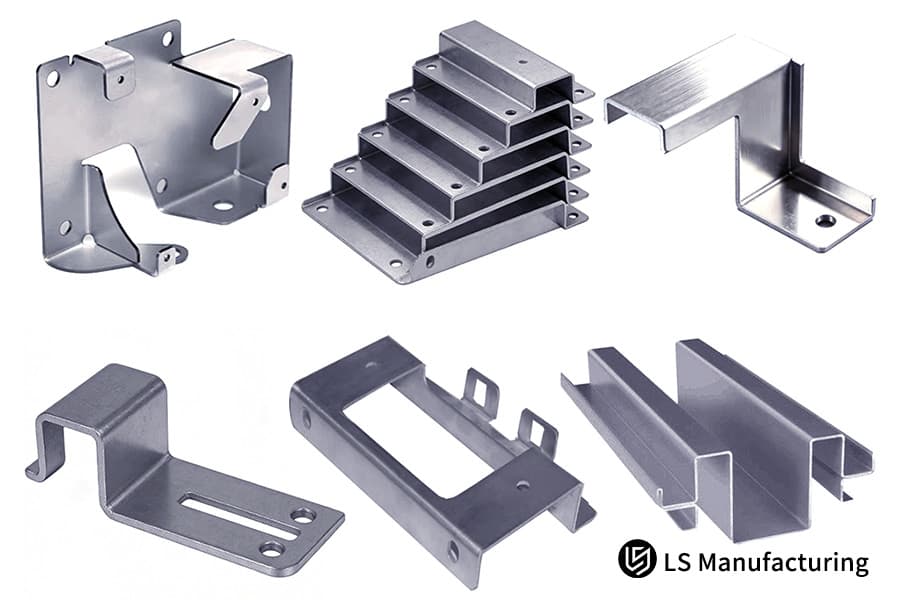
Figure 1: Various stainless steel brackets (perforated, L-shaped, U-shaped) after precision bending.
How To Eliminate Micro Cracks And Residual Stress In Custom Coated Metal Parts?
With custom coated metal parts, the major challenge of sealed micro-cracks and residual stress remains. The perfect solution is sophisticated heat treatment and special activation pretreatment. A vacuum stress-relief annealing at 300℃-350℃ can be combined with a non-hydrogen embrittlement pickling activation method to completely eliminate bending residual stress and still keep the substrate hardness at the original level to break the stress corrosion closed loop.
Controlled atmosphere stress-relief annealing process
Supplemented by material differences, we deliver the bent parts to the controlled atmosphere furnace for precise annealing. For 316L stainless steel, a 320 holding time of 2.5 hours is used, for Q355B carbon steel, a 300 holding time of 2 hours is used. In this way, the bent residual stress is eradicated from its inception by the stabilized deformed crystal lattice, and bending lattice recovery is complete. This underpins corrosion protection against custom coated metal parts and also does not allow coating cracks to develop later on.
Non-Hydrogen Embrittlement Activation Pretreatment Standard
Strong acid etching in the traditional way often makes hydrogen atoms enter the high stress locations and cause hydrogen embrittlement. We do not use such approaches and rather rely on neutral ultrasonic multi-stage degreasing with mild organic acid activation to accomplish the professional bending surface activation by removing residual iron filings and carbonized contaminants from the bending die.
This is the core difference of bent part surface treatment from conventional coating. This results in a micro surface cleanliness of 99.8% for the subsequent high adhesion coating deposition, which is a guarantee for bending substrate cleaning.
The standard metal bending finishing process includes three core pretreatment steps:
- Ultrasonic degreasing: Cleaning with multiple neutral degreasing agents to thoroughly remove oil and machining debris from the workpieces surfaces.
- Gentle activation: Organic acid is used for lightly etching the substrate surface, this way enhancing the adhesion of the coating.
- Pure water rinsing: Several pure water rinses to ensure that no residual activation medium is left on the surface.
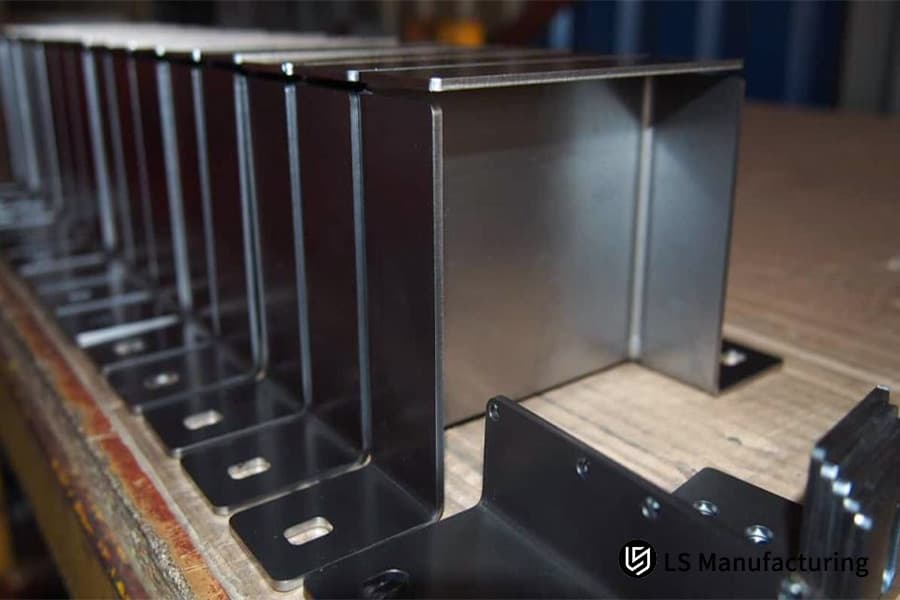
Figure 2: Black anti-corrosion welded metal components (square tubes) with mounting holes.
Which Metal Bending Finishing Service Specifications Unlock 1500H Salt Spray Resistance?
In order to deliver the performance benchmark of 1500h neutral salt spray resistance, It helps to develop a nanoscale composite coating structure and extremely tight control over coating thickness and density. The metal bending finishing service cannot rely on merely a few processing steps to get that good of a surface, one has to incorporate a multi-layer composite surface treatment approach to properly inspect the film thickness of 20-35μm and no penetrating micropores to get this target Xu performance indicator.
Multi-layer composite coating system design
One layer cannot solve all the problems like sticking to the surface, being corrosion resistant, and withstand weather changes at the same time, multi-layer design allows for functionalities to complement each other. The principle behind the metal bending finishing service high end core bending coatings architecture is that adhesion is supported by the bottom layer, corrosion protection is mainly provided by the middle layer whereas the top layer is exposed to external physical and chemical damages, and a reinforcing layer is introduced in the bending region to refill and seal the micropores.
The specific parameters and functional divisions of the four-layer composite coating are shown in the table below:
| Coating Layer | Coating Material | Standard Thickness | Core Function |
| Bottom Layer | Nano-ceramic silanized film | 2-3μm | Enhances adhesion between the substrate and the coating, blocks electrochemical corrosion |
| Middle Layer | Cathodic electrophoretic epoxy layer | 15-20μm | Fills microscopic defects, provides the main corrosion protection barrier |
| Top Layer | Fluorocarbon electrostatic spray coating | 8-12μm | UV resistant, wear resistant, resists external media erosion |
| Bending Reinforcing Layer | Epoxy zinc-rich filler layer | 5-8μm | Fills micropores in rounded corners, strengthens corrosion resistance in high stress areas |
The multi-layer system is designed to integrate each layer and form a complete bending corrosion barrier, preventing the entry of different corrosive substances.
Control of Coating on Bending Surface
Due to the Faraday effect, the bent rounded corners of the metal can have thinner layers of paint when sprayed by the conventional method. Automated spraying lines and contour-following auxiliary electrodes are used for this purpose so that spray parameters and electrode positions for inner and outer rounded corners of bends are changed. Because of this, uniformity and no missed areas in the bending coating are ensured which is a key technical challenge that professional bent part coating service face and because of this this is one way to resist the bending faraday effect.
Anti corrosion bending components that exposed to salt spray for 1500 hours must have three definite features:
- Overall thickness of the film should be maintained between 28 and 35 microns, with the bending zone thickness not less than 25 microns.
- Porosity of the coating should be less than 0.02%, and no micropores should penetrate the layers.
- The adhesion in the bending area should be at least ISO 2409 Class 0.
Precise parameter control is the foundation of long-lasting salt spray protection. You can download the corresponding process white paper to view the complete coating parameters and testing verification details for our metal bending finishing service.
How Does LS Manufacturing Ensure Tight Dimension Tolerances For Anti Corrosion Bending Components?
Highly accurate tolerances of anti corrosion bending components are achieved by combining DFM co-design grounded on material springback compensation and accurate thickness measurement control. Implementation of micron level coating thickness pre-compensation during bending die designing stage. Besides real-time springback compensation on a CNC servo bending machine allows to keep overall dimensional tolerance of the anti-corrosion treated part within 0.05mm.
DFM Pre-Coating Thickness Compensation
Being a one-stop service provider, we offer DFM manufacturability review before mold opening, taking into account subsequent coating thickness as one of the bending die correction parameters. For a standard 25μm coating thickness, corresponding negative tolerances on the bending mating surfaces are reserved so that precise bending dimension compensation is achieved and anti corrosion bending components match assembly requirements perfectly after coating.
Standardized parameters are as follows, considering the springback characteristics and coating compensation requirements of different substrates:
| Substrate Type | Bending Angle Range | Standard Springback Compensation Value | Coating Thickness Compensation | Final Angle Tolerance |
| 316L Stainless Steel | 30°-90° | 1.5°-2.5° | 25μm | ±0.2° |
| Q355B Carbon Steel | 30°-90° | 0.8°-1.5° | 25μm | ±0.15° |
| 6061 Aluminum Alloy | 30°-90° | 2°-3° | 20μm | ±0.25° |
| Titanium Alloy Grade 5 | 30°-90° | 3°-4° | 25μm | ±0.3° |
Bending mold optimization is carried out continuously during the mold opening phase, and changes are made to the bending mold optimization at the same time to maintain the dimensional accuracy of the finished product.
Servo Bending Springback Correction In Real-Time
Our CNC servo bending machine is fitted with a fully automated laser angle measurement system which can monitor angle deviations in real time and dynamically adjust springback, so enabling bending springback control at a very high level of precision. The bending angle accuracy is always ensured by this process, even if the material is highly elastic stainless steel or other special alloys, with deviations limited to ±0.2°, so making a perfect dimensional consistency for custom precision bending possible.
Complete metal bending finishing tolerance control consists of three core stages:
- Design stage: Import coating thickness for compensation and optimize bending radius and mold parameters.
- Manufacturing stage: Measure laser angle in real-time and make dynamic material springback adjustments.
- Coating stage: Use contour based spraying for precise control of the film thickness on the main assembly surfaces.
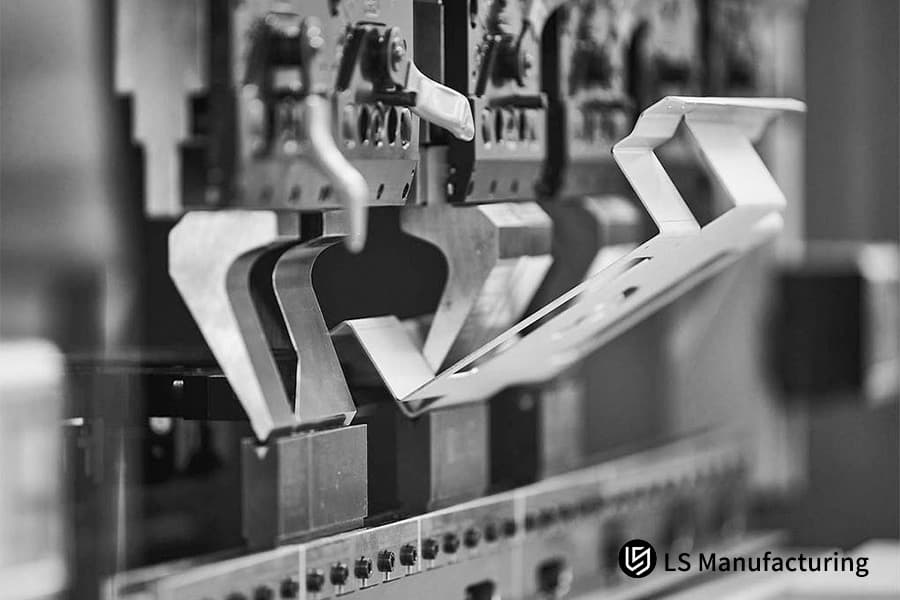
Figure 3: CNC press brake tooling (dies, blades) for precision anti-corrosion bending.
How To Achieve 1500H Salt Spray Protection For Custom Coated Metal Parts Without Secondary Outsourcing?
LS Manufacturing guided a marine equipment major in revamping the supply of custom-coated metal parts for the shipbuilding industry by combining the precise bending and post bending surface treatment steps. The supply chain was successfully restructured such that the secondary outsourcing was unnecessary. Also, it was ensured that the corrosion-resistant parts after passing the 1500-hour neutral salt spray test, In particular the high stress areas of the components.
Client Challenges
Offshore fluid equipment. Previously, this client had two separate suppliers - one for bending and one for coating. Such a disconnected procedure led to a loss rate of 4.2% per batch and a delivery period which could be as long as 22 days. More importantly, the coating factory was incapable of controlling the residual stress at a microscopic level during bending. After the custom coated metal parts were exposed to the sea for a period of less than five months, they suffered from heavy red rust formation on the external rounded corners. This was caused by microscopic cracks and resulted in a very serious bending coating failure. On top of that, after-sales yearly claims were topping $120,000. The bending corrosion outbreak at highly stressed areas was the direct cause of the equipment downtime losses.
LS Manufacturing Solution
From working on this project, we learned that the most important thing in a supply chain restructuring is a fully closed-loop process. So, full-process bending process integration for post bending finishing service inside our factory was the solution we came up with:
- Cold bending is carried out through servo CNC bending machine that allows the bending angle errors to be constrained within ±0.2°.
- After that, the material is treated in a vacuum furnace in the workshop for stress relief annealing at 320℃ being at 2.5 hours duration. The stress relief is so complete that it can be considered as eliminating residual stress.
- Ultrasonic, multi-stage chemical activation is done and at the same time, 35μm nano-nickel nano-insulating layer + epoxy zinc-rich anti-corrosion layer structure is deposited. Contour-based spraying ensures 100% coverage of the rounded corner coating.
Results and Value
This all-in-one solution completely abolished the secondary outsourcing, because of this cutting approximately 15% of hidden logistics costs, bringing the single-batch logistics loss rate down to 0.3%, and the cycle time was shortened to 9 days only. Corrosion-resistant bent parts from this batch of bent part coating service passed the 1500 hours of neutral salt spray as per ASTM B117.
The bending coating quality was so good that it went to the top levels of industry standards with red rust and peeling being zero at the high stress bending areas, and with adhesion, the grade was ISO 2409 Grade 0. In the end, the client signed a contract with LS Manufacturing to be the only strategic one-stop manufacturer for their mid-term global supply chain.
One-stop integration can simultaneously improve corrosion resistance and optimize supply chain costs. You can upload engineering drawings and performance requirements to obtain a customized one-stop solution and quotation for custom coated metal parts.

What Custom Metal Bending Manufacturer Technical Capabilities Are Required For High Risk Chemical Applications?
Custom metal bending manufacturers meet very high standards when it comes to handling chemical applications that involve high risk factors. For working on corrosion protection projects of metal bending parts in highly corrosive environments, some of the key requirements for these manufacturers include having dual system quality certification, being capable of performing complete non-destructive testing, and having fully automated, closed-loop dip coating production lines.
Specialty materials bending features
Materials used for pipelines or structural parts in chemical, pharmaceutical, or petrochemical industries include, aside from regular steel, specialty materials like Hastelloy, titanium alloys, and 316Ti stainless steel. These materials are not within the research scope of regular custom metal bending manufacturers in regard to bending material compatibility.
Because of this, they may end up causing excessive deformation or intergranular damage. Only a handful of bending process databases exist for these kinds of materials. We have the facility to bend as many as 20 different specialty alloys without affecting the bending grain structure.
Complete non-destructive testing system
In high-risk chemical scenarios, micro cracks may cause material leakage accidents, and full process non-destructive testing is an essential capability for bent part surface treatment. We have at our disposal magnetic particle testing (MT) and dye penetrant testing (PT) systems that help us detect any microscopic crack whenever and wherever it might occur with 100% accuracy after the bending process and before coating, because of this ensuring the entire batch of pipe fitting is stress-free in the core stress area. This is a very trustworthy way of validating bending safety in high risk chemical environments and effectively eliminating the risk of leakage.
Three core competencies outlined below should be the basis for those suppliers who intend to take on custom coated metal parts in high risk chemical environments:
- ISO 9001 and IATF 16949 dual quality system certifications.
- Non-destructive testing capabilities like magnetic particle testing and penetrant testing.
- A closed-loop surface treatment production line that meets environmental standards.
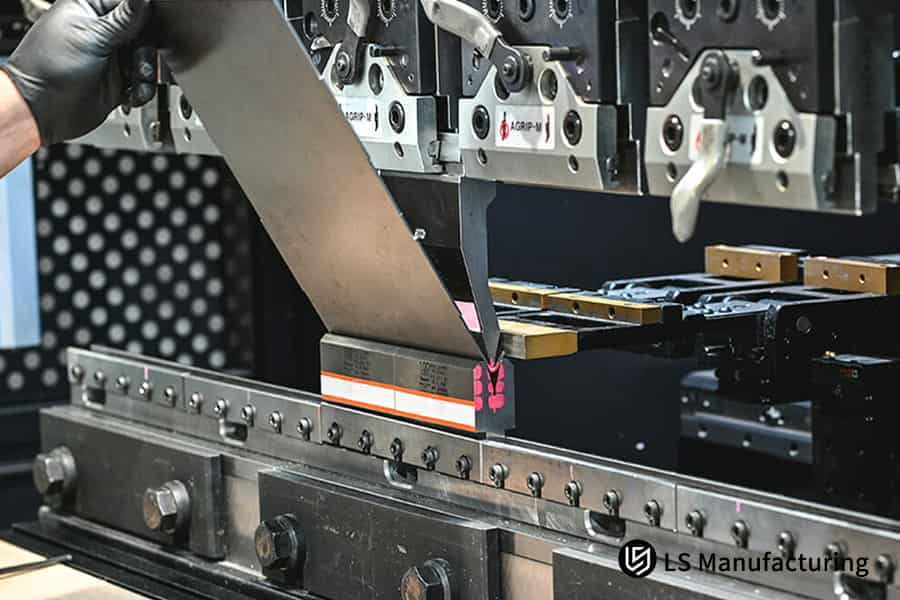
Figure 4: Worker in yellow gloves operating press brake to bend metal sheet.
How To Optimize Individual Batch Sourcing Costs For Custom Precision Bending With Integrated Coatings?
The key to reducing the single-batch sourcing cost of custom precision bending coated parts is a one-stop integration of the entire process. Normally, the eastern procedure (secondary packaging, cross-factory logistics losses, and quality claim premiums) will be eliminated if the eastern one-stop integration is realized. Here the two separate chains of bending and electroplating are merged into a single closed-loop production.
Hidden procurement costs composition and decomposition
The hidden procurement costs in supply chain management can cause the purchase cost (unit price) to be relatively minimal. Typically, cross-factory logistics, repackaging, and claims and delays due to shifting of liabilities are the main causes of around 15% -20% of the total bending sourcing cost for custom precision bending. Still, these aspects are very much overlooked by the procurement personnel.
The cost differences between the traditional dual-supplier model and the one-stop integrated model can be seen in the table below:
| Cost Dimensions | Traditional Dual-Supplier Model | One-Stop Integrated Model | Cost Optimization Range |
| Cross-Plant Logistics Costs | Per Unit Cost 8% | 0 | 100% |
| Packaging Losses | Per Unit Cost 4% | 0.5% | 87.5% |
| Quality Claim Costs | Per Unit Cost 6% | 1% | 83.3% |
| Delivery Cycle Costs | 22-Day Cycle Corresponding Capital Cost | 9-Day Cycle Corresponding Capital Cost | Approximately 59% |
| Total Hidden Cost Percentage | Approximately 18% | Approximately 1.5% | Approximately 91.7% |
Unfortunately, most of the companies do not realize that the impact of bending hidden expenses on the total procurement costs is much higher than the difference in unit prices.
Path to Cost Reduction through One-Stop Integration
One-stop integration means a bending and surface treatment in the same factory area, which can eliminate all cross-plant handling links. At the same time, one supplier who takes the full quality responsibility, that means, avoiding delays and costs from claims due to buck-passing between factories, is the main direction for cost reduction and efficiency improvement in metal bending finishing service. This optimization of the bending supply chain is capable of shortening bending lead times a lot and raising supply chain responsiveness.
In general, a combination of post bending finishing service can help reduce costs in three main areas:
- Getting rid of turnover losses: Eliminating hidden expenses like cross-factory logistics and secondary packaging.
- Delivery time reduction: Minimizing capital costs related to inventory holding and project delays.
- Single point of quality responsibility: Preventing claims and rework costs resulting from the buck-passing between factories.
The benefits of hidden cost optimization far exceed unit price reductions. You can provide your existing procurement parameters, and we will calculate the overall cost optimization potential of a one-stop custom precision bending solution free of charge.
Why Is Checking Vendor Testing Validation The Non Negotiable Final Step In Professional Custom Metal Framing Supplier Inspection?
The review of a supplier's testing validation report is considered the final defense to confirm that a custom metal framing supplier is a professional one. The buying party should ask the supplier for cross-cut adhesion test results, complete surface film thickness maps, and batch salt spray data logs, without accepting a spoken promise without evidence.
Main Elements of Documentation for Factory Quality Inspection
The quality of surface coating is taken as a given, short-term corrosion resistance can be tested by the human eye. The bending quality documentation of a metal supplier, professional in the framing sector, needs four main elements: measurements of dimensions, evaluation of the release of stress, measurement of thickness by an X-ray thickness gauge at the bend fillet area, and the results of adherence tests.
Major Verification Aspects for In-Person Factory Audits
Factory on-site audit should be the time for purchasing people to check if the supplier has a separate salt spray testing lab and an environmental simulation chamber. Only factories with fully closed-loop bending test abilities can make sure that the corrosion resistant coated bending in production is consistent, and performance differences between samples and mass-produced parts are avoided. Independent testing is the fundamental core to guarantee bending production consistency and can erase the problem of manipulated samples that third-party submit.
Three core aspects need to be checked when evaluating the quality control capability of the bent part coating service supplier:
- Does the supplier own equipment for salt spray testing and environmental simulation that are independently operated?
- Is the supplier able to provide the three-coordinate measurement of the film thickness surface for the respective batch?
- Is the supplier capable of providing records of stress annealing and pretreatment processes which are complete?
FAQs
Q1: What is the main reason to get post bending finishing service instead of pre-coated bending?
Pre-bending coating offers 100% complete bending coating coverage and secures the bending zone from micro tensile cracks, so there is no longer the risk of early localised perforation and red rust formation resulting from anti-corrosion layer cracking after bending of the pre-coated sheet.
Q2: What practices does LS Manufacturing implement to guarantee that the anti-corrosion coating perfectly adheres to bent surfaces under high stress?
We make sure that the bonding strength of the anti-corrosion coating in the bending deformation zone reaches Grade 0 (5B) level by carrying out 320℃ vacuum stress-relief annealing to remove the lattice residual stress immediately after bending, and thereafter doing ultrasonic multi-stage chemical activation to remove contamination.
Q3: Which exact technical standards do you utilize for the testing of corrosion-resistant coated bending parts?
We carry out our tests in compliance with the internationally recognized ASTM B117 and ISO 9227 neutral salt spray test standards and use as an additional measuring tool the ASTM D3359 cross-cut adhesion test and eddy current 3D coordinate measuring machine metal thickness measurement to be certain that the components are subjected and passed to the bending corrosion validation test conditions of extreme environments.
Q4: Could you make the coating layer thickness different/variable at certain parts of the custom-coated metal components so that the assembly tight clearance is met?
In fact, we operate CNC servo spraying together with contour masking customized for the particular shape to keep an anti-corrosion coating thickness of more than 25μm in the most vulnerable bending areas while at the same time tightly controlling the assembly sealing film thickness within 10μm to satisfy the requirements of precision assembly.
Q5: What is the average time frame for a metal bending finishing service project at LS Manufacturing?
The main reason is that we have bending, heat treatment, and coating lines in one factory. Because of this, the total delivery time for medium to large-volume orders can be cut drastically from the conventional 14-21 days totally across various factories to only 7-10 days.
Q6: How do you ensure that anti-corrosion bent parts do not suffer from hydrogen embrittlement during the final treatment stage?
At the chemical cleaning part, we totally give up the strong inorganic acid etching process which poses a high risk of hydrogen embrittlement simultaneously with the help of ultrasonic stripping technology, we use mild organic acids to prevent the hydrogen atoms from entering high stress bending areas, basically we stop the source of the problem.
Q7: Do you have a minimum order quantity (MOQ) for high end bent part coating service orders?
We do not impose a minimum order quantity for services of industrial-grade production of bent parts with coating under our one-stop solution even if the production order is for less than 10 prototype samples. Whether the production order is for a long-term mass production of tens of thousands of units, we can provide flexible capacity matching.
Q8: How can I obtain an accurate quote for fully integrated custom precision bending and post bending coating?
You can upload 3D drawings (supporting STEP/IGS/DWG formats) via our official secure encrypted channel, and the material, bending radius, and salt spray corrosion resistance requirement. Our technical personnel will provide you with a comprehensive quotation including a DFM analysis within 24 hours.
Summary
In high value industrial B2B manufacturing scenarios, the traditional supply chain model that separates bending and anti-corrosion surface treatment is gradually being replaced by the mid-to-high end market as microscopic defects like bending stress cracking and coating embrittlement become known.
Finishing services after bending are able to remove residual stress, cover fully the bending microcracks and even control micron-level tolerances. Both data and case studies justify that the manufacturing of bending + post-treatment under one roof is a scientific route for industrial enterprises to address premature corrosion of parts and reduce total cost of ownership.
Do not allow surface treatment defects of simple, separate processes at the low-end to shorten the product life of your costly equipment. LS Manufacturing presents a one-stop closed-loop solution combining DFM collaborative design, CNC servo precision bending, vacuum stress-relief annealing and post bending coating to salt spray grade 1500 hours.
Contact our team of technical experts or upload your 2D/3D engineering drawings (STEP IGES PDF format) to get a free DFM manufacturing feasibility assessment and a one-stop mass production quote. We assure a tailored technical solution from our engineers within 24 hours, giving you strong quality support for your rise in the high end industrial market.
📞Tel: +86 185 6675 9667
📧Email: info@lsrpf.com
🌐Website: https://lsrpf.com/
Disclaimer
The contents of this page are for informational purposes only. LS Manufacturing services There are no representations or warranties, express or implied, as to the accuracy, completeness or validity of the information. It should not be inferred that a third-party supplier or manufacturer will provide performance parameters, geometric tolerances, specific design characteristics, material quality and type or workmanship through the LS Manufacturing network. It's the buyer's responsibility. Require parts quotation Identify specific requirements for these sections.Please contact us for more information.
LS Manufacturing Team
LS Manufacturing is an industry-leading company. Focus on custom manufacturing solutions. We have over 20 years of experience with over 5,000 customers, and we focus on high precision CNC machining, Sheet metal manufacturing, 3D printing, Injection molding. Metal stamping,and other one-stop manufacturing services.
Our factory is equipped with over 100 state-of-the-art 5-axis machining centers, ISO 9001:2015 certified. We provide fast, efficient and high-quality manufacturing solutions to customers in more than 150 countries around the world. Whether it is small volume production or large-scale customization, we can meet your needs with the fastest delivery within 24 hours. choose LS Manufacturing. This means selection efficiency, quality and professionalism.
To learn more, visit our website:www.lsrpf.com.