English



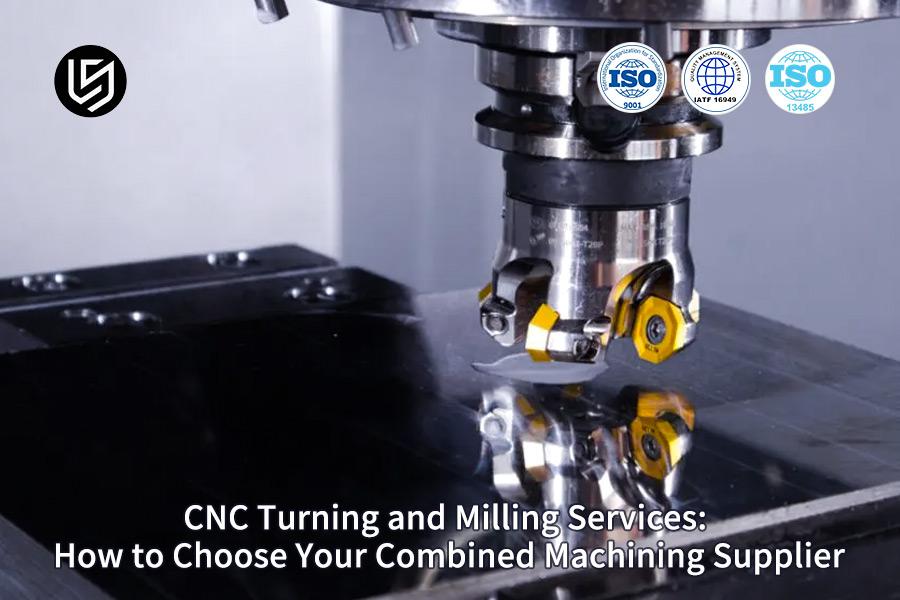
CNC turning and milling services are pivotal for modern manufacturing. However, many organizations are experiencing difficult circumstances in these areas. Organizations are dealing with different levels of supplier capabilities, different equipment, and difficulties in achieving a seamless process outcome to end up with ineffective, inaccurate, or unpredictable costs in the end.
The problem relies on the fact that the complex part completion cannot be met within a single machining setup by using conventional single-mode machining. It is observed that most of the manufacturer suppliers lack the required skills concerning turn mill compounding. Out of this, a scattered process and reduced capacity result due to error accumulation.
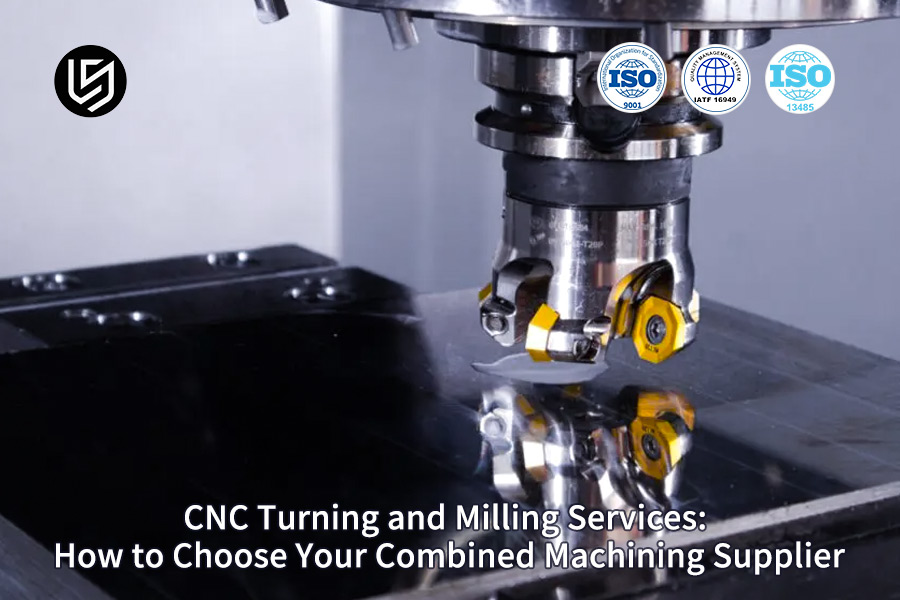
Quick Reference: CNC Turning & Milling Services
| Section | Key Points |
| Current Pain Points | There are disunities in supplier capabilities, equipment misalignment, integration of processes. |
| Core Problem (Why) | Traditional single-mode machining fails to meet complex part requirements, causing scattered processes and accumulated errors. |
| Proposed Solution (How) | Turn-mill machining can be accomplished in one setup by the use of modern machine tools. |
| Technical Advantages | Handles more parts, reduces handling, increased accuracy, complex geometries, enhanced surface finish. |
| Supplier Selection Framework | Evaluate based on advanced multi-axis machines, proven integration experience, quality certifications, and DFM support. |
In the CNC turning and milling process, the problem of suppliers who offer uncertain data, characterized by inefficient work process systems, is a problem. This problem is, however, a solution to the problem identified as the integration of the turning process with the machining process. This will be able to provide one machine manufacturing capability. If the potential firms that will carry out the process are selected depending on the knowledge they have concerning the process, the identified problems will change to become advantages.
Why Trust This Guide? Practical Experience From LS Manufacturing Experts
Through the use of our CNC turning and milling machines, the advice provided by companies such as LS Manufacturing is informed by hands-on knowledge from the workshop floor and not theoretical knowledge that does not add up. We have handled more than 50,000 complex components which can form an expensive error if our planning in terms of paths for cutting and use of the cooling system had not been accurate.
The excellence is strictly enforced by adhering to guidelines provided by the relevant industry, including the quality management system specified in the ISO 13485 for Medical devices. The guidelines cover our entire process for making medical components right from material selection until final inspection. Moreover, our approach for ensuring that the optimization process and also improved machining methods strictly follow guidelines provided by the Society of Manufacturing Engineers (SME).
Each of these recommendations in this resource has been the end-result of experiential knowledge in multi-axis dynamic motion. We have optimized every aspect of our work, including the parameters of the cut of the exotic alloys, as well as the fixturing elements of the thin-wall components. These are also aspects of experiential knowledge, and are improved with each new benchmark set by both the SME and ISO 13485 standards, allowing for an optimal way of turning and milling.
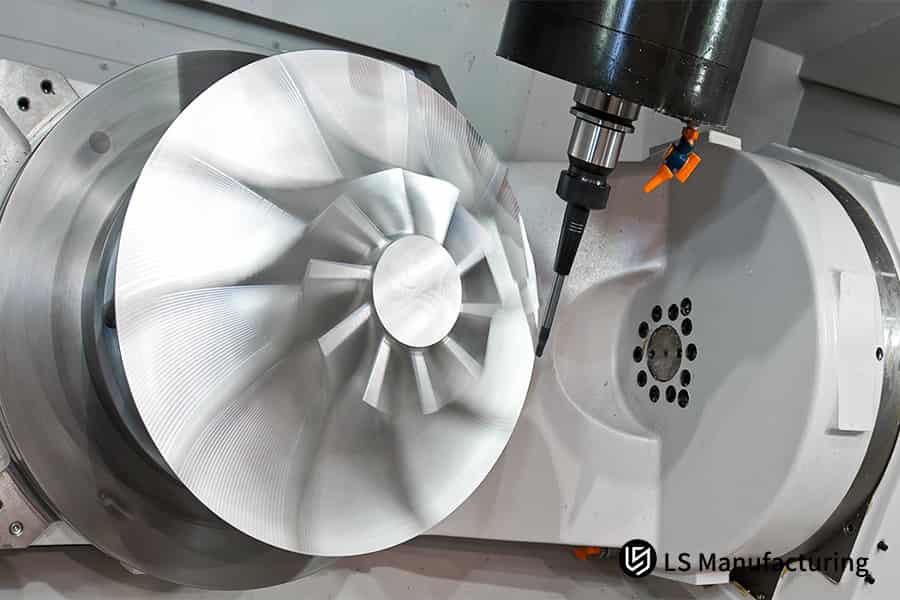
Figure 1: CNC machined component featuring numerous bores and a hexagonal flange by LS Manufacturing
How Can CNC Services Improve Efficiency Of Complex Parts?
Today, the modern production process also requires efficiency, precision, and particularly in the area of complex parts machining in turning, milling, etc. It is where the role of professional CNC turning and milling services has entirely modified the process by offering the benefit for performing multiaxial jobs in a single operation, highly smooth.
- Removal of Non-Value-Adding Time: Primarily, the greatest efficiency improvement is in doing the turning, milling, drilling, and tapping operations in one machine fixture. Single setup reduces handling of the parts thoroughly, eliminates repeated clamping, and machine idling between operations, hence speeding up the process of production.
- Unparalleled Precision and Accuracy: The error rate of the joint CNC turning and milling service with minimal operator intervention and part repositioning has been made negligible. The joint service claims the unparalleled precision and accuracy of producing complex parts.
- Optimized Production Flows for Important Sectors: In high-value sectors, the hybrid approach showed promising results. The aerospace industry and the medical industry are exploiting the capability offered by the manufacturer to design critical parts with a high degree of accuracy.
Thus, the application of premium CNC turning and milling services gives an added value rationale for any process engaged within the complex parts machining process. Lastly, the process of combinations assists remarkably towards making efficiency improvement because there are quicker cycles, precise accuracy, as well as smooth flows of manufacture. This is because it gives the fastest, best, and cheapest way from designs to manufactured parts.

How To Evaluate A Composite Processing Supplier's Capabilities And Configuration?
Selecting the combined machining supplier capability is the key to successful outcomes of the entire project. Capability assessment, in-depth, are part of what you are doing in determining a supplier with whom you can satisfy your quality, time, and cost commitments, and your investment is in your outcomes, or results, of manufacture.
- Advanced Equipment Configuration: Each capability assessment needs to begin with analyzing the equipment configuration of a supplier. Research the age of their CNC machines, model, number, type, speed, and level of automation capability. Obviously, their advance level connects directly to their capabilities in the manufacture of complex parts.
- Technical Expertise and Process Integration: It’s not just hardware you want to see regarding technical competence for the integrated machining processes being considered by the technical team of the suppliers. Review their experience with past projects, especially those handled with similar material or those with similar complexities. A combined machining supplier should have vast knowledge in relation to processes involved right from tool paths to any fixturing required.
- Quality Management & Traceability: At no point in time can a quality management system go down. They might qualify for ISO 9001, AS 9100, or might start with any sector requirements. They may possess knowledge in the use of inspecting devices, first article inspecting, or their system for documentation may be exceedingly reliable.
In summary, a comprehensive capability assessment of a combined machining supplier must balance three pillars: advanced equipment configuration, proven technical expertise, and rigorous quality systems. Assessing these areas through site audits, process reviews, or production verifications will give you the confidence to choose a contract parts machining supplier with capability to execute very difficult jobs.
What Are The Key Factors To Consider When Selecting A CNC Machining Supplier?
The issue of selecting the right company to undertake the manufacture needs to be handled with a focus on an approach of how to choose CNC supplier. The criteria ensure that the right suppliers are identified based on factors of quality, cost, and reputation.
| Evaluation Category | Key Selection Criteria |
| Technical Capability | High tech machines with multi-axis capabilities, materials data, process knowledge. |
| Quality Management | ISO certification, quality inspection tools, quality control, traceability. |
| Project Experience | Industrial examples, complex part set, material handling skills. |
| Delivery Performance | Lead time commitments, production capacity, supply chain, communications. |
| Cost Structure | Transparent pricing, value engineering, cost optimization strategies, scalability. |
The structured evaluation system plays a very important role in coming up with the means of selecting the CNC turning and milling supplier. This is because, by using the systematic selection process regarding capability, quality system, project experience, delivery, and cost, the process is very well-informed and free from any potential risks.
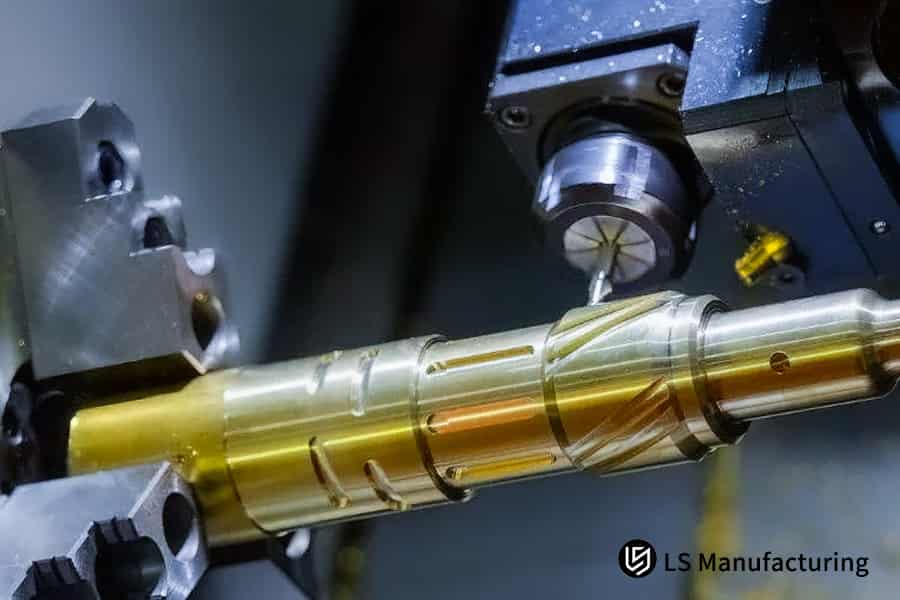
Figure 2: Precision component processed on a CNC multi-axis turning and milling center by LS Manufacturing
What Are The Unique Advantages Of Mill-Turn Machining Centers In The Manufacture Of Complex Parts?
The turn-mill machining center represent a breakthrough in the complex parts manufacturing, which outmatches other variants by flexibility and productivity in combined turning and milling operations. Against the background of the technical advantages employed on the machines themselves, their great benefit is achieved in comparison with the traditional production methods by the possibility of providing high accuracy with cost savings.
- Single-Setup Complete Machining: The main technical advantage of these machines is that many turning, milling, drilling, as well as tapping operations can be performed on one machine. This eliminates several trips between different machines that may involve errors due to repeated machine movement. This cuts general machine cycles by 40%.
- Enhanced Geometric Capabilities: Availing the facility of performing B-axis and Y-axis operations, turn-mill machining centers are able to provide 5-axis simultaneous machining. The simultaneous machining allows for the availability of the hard-to-produce geometry of undercuts or compound angles or 3D contours.
- High accuracy and repeatability: The above labs also have high accuracy in part reproduction, not exceeding precision of ±0.005mm due to the absence of mistakes that come along in other setups. This is quite important in manufacturing devices used in health institutions since high accuracy is required in the functioning of those devices.
The turn-mill machining center with multiple functions offers a revolution in technical advantages in the complex parts manufacturing, having the functionality of merging in one system tasks always done by multiple machines in the past. Empowered with the capacity to produce more complex parts, this offers an opportunity for reduced lead time with cost-saving without compromising quality.
What Are The Essential Differences In Process Characteristics Between CNC Turning And Milling?
One fundamental difference between CNC turning vs milling process mainly focuses on the basic principles of motion associated with the removal of materials. Understanding these unique process characteristics is essential for making informed manufacturing decisions that lead to significant cost optimization while maintaining quality standards.
| Aspect | CNC Turning | CNC Milling |
| Workpiece Motion | Rotates against stationary tool | Stationary, tool moves in multiple axes |
| Ideal Applications | Cylindrical parts, shafts, threads | Flat surfaces, pockets, complex 3D contours |
| Key Advantages | High removal rates and surface finish quality | Multi-axis capability, complex geometries, and combining |
| Cost Efficiency | Lower unit cost for rotational parts | Higher setup time, good for complex geometric features |
Geometry related to the component is the reason for comparing CNC turning vs milling. Turning is done for components with circular symmetry, and milling is done for components which involve complex shapes and are not symmetrical. Strategic selection based on these process characteristics enables cost optimization of 15-25% while ensuring quality and efficiency.
What Are The Methods And Procedures For Scientifically Selecting Machining Suppliers?
Choose machining supplier involves a systematic process of matching abilities in machining, quality degree, and synergies in business. A systematic selection methodology ensures you to work with suppliers who can cater to a consistent quality level in time and at cost.
Define Technical Requirements
The first step initiated when you want to evaluation process is to make sure you know what you need for your project, meaning you need to establish your project requirements or needs, maybe related to materials, geometric complexity, tolerance considerations, or volumes for your project. Another crucial element when you want to establish or clarify project requirements is to know which suppliers have machines for your project needs.
Supplier Screening and Qualification
Develop a comprehensive selection methodology that includes reviewing supplier certifications, equipment lists, and industry experience. This process can include a visit to the suppliers to see whether they have the necessary qualifications by discussing their know-how of the process and their experience on related projects. This process is aimed to select suppliers who have the least qualifications that you would prefer to see for a potential supplier.
Capability Validation and Sample Production
Capability validation production is the most important step of the above evaluation process. Capability validation production is the best possible method to assess the capability of the supplier in terms of its ability to do a job which it claims to be able to do. In this evaluation process, it does not in any way give the suppliers an opportunity to exaggerate and commit to delivering what they cannot deliver themselves.
It is vital to take an organizational evaluation process in an appropriate manner while choosing machining supplier in order to obtain the proper fulfillment of your requirements in a given project. This would help you understand and take proper decisions in the right manner so as to ensure success with minimal risks in your project.
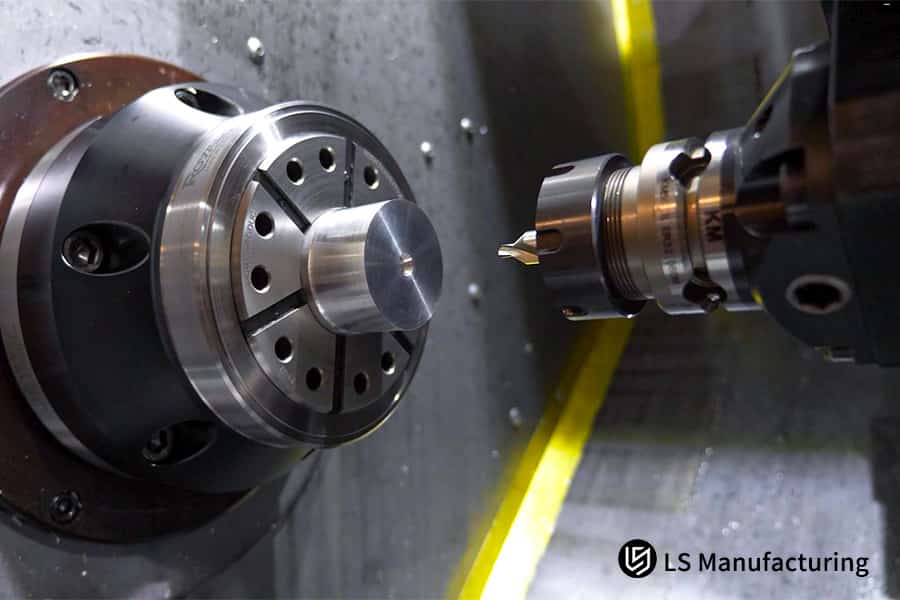
Figure 3: Intricate component for CNC turning versus milling evaluation by LS Manufacturing
How Can Multi-Axis Machining Achieve Efficient Machining Of Complex Parts?
Multi-axis CNC machining refers to the innovation in the aspect of precision machining. This has the ability to perform the production of components with complex surface at unprecedented speeds and levels of accuracy. This refers to the machining process or technique which has the ability to innovate the traditional process of machining surface components with complex shapes. Multi-axis machining refers to the profound innovation in machining.
Simultaneous Axis Movement
The main concept of multi-axis machining is that there is a simultaneous movement of various axes of a machine. When multiple axes move concurrently, the cutting tool is always in a most favorable position with respect to the work surface so that the best result of cutting is obtained, which is in the form of a work surface finish.
Advanced Toolpath Optimization
The advanced CAM software has the ability to perform optimized tool path machining in such a way that it fully utilizes multi-axis machining center capabilities. In addition to this, the software has the ability to optimize the cutting path of the complex surface nature in such a way that it optimizes the air cutting time within the machining process. The software packages also possess collision detection systems within the machining process.
High-Precision Motion Control
Currently, multi-axis machining centers have been able to achieve a high degree of precision for positioning with the aid of advanced servo motors, high precision encoders, and thermal compensators. With a degree of precision for positioning of 0.001°, with repeatability of microns on the order of values, machining centers possess the capability to carry out complex surface machining with a high degree of tolerance on the surface. This is necessary for machining applications related to the aerospace industry, healthcare industry, and automotive industry.
Multi-axis machining is the innovative process for complex surface machining, which makes possible the movement of multi-axes during the machining process. This precise movement of the multi-axes makes possible the creation of surface finish, which is the finest. In conclusion, multi-axis machining is the finest process for surface machining that can carry out complex machining operations in a short period of time with equal accurateness on the parts.
What Are The Cost Structure And Optimization Strategies For Composite Processing?
In the context of the production process, inasmuch as a possible attempt at combined machining cost is viable, there is merit in knowing the joint machining cost structure. It is possible to control the optimization strategy if there is known information regarding the joint machining cost structure.
Equipment and Tooling Costs
The total combined machining cost high investment in multi-axis machining facilities, tooling, and fixturing systems. Capital investment contributes significantly to the overall cost structure, while its depreciation, maintenance contracts, and replacement of tools make up another component of overall cost. In implementing an optimization strategy, usage rates must be maximized, life of tools should be extended with maintenance support, and economical tooling solutions must be provided.
Labor and Programming Expenses
Labor is one of the primary costing factors for the combined machining cost addressed in the above calculation. The cost for CNC programmers, operators as well as quality control costs has been considered in the calculation. Optimization strategy for costing factor in machining is provided in terms of optimal setup time using fixed standardization, automation programming or training operators for multiple machining processes for the concerned machines. Improved programming algorithms in CAM softwares will also establish optimal programming costs.
Material and Overhead Allocation
Material cost, purchase cost, scrap ratio, and handling cost influence the combined machining cost. As regards the optimization strategy, materials should be used according to the requirement, optimization of the scrap using scrap optimization software, and the use of the just in time inventory system for the storage of the material in such a way that there shall be no material stock either in the storage room or in the workshop. As regards the overhead cost optimization strategy. The cost associated with the overall cost for the building, cost for utilities, cost for administration.
The knowledge about the combined machining cost would help in implementing an optimization strategy for enhancing the overall machining efficiency in association with an overall rise of 20% to 30% in overall machining costs. The basic reason for which overall machining efficiency can be achieved with an overall rise in overall machining costs is that overall machining costs are associated with overall machining efficiency.
Figure 4: Precision CNC tooling for LS manufacturing turn-mill center application by LS Manufacturing
LS Manufacturing Orthopedic Implant Turn-Mill Machining Case Study
In the medical devices sector, a leading orthopedic implant manufacturer was able to achieve considerable gains through their adoption of machining innovation related to machining excellence. This was facilitated by the use of a leading-edge turn-mill machining technology offered by LS Manufacturing.
Customer Challenge
There was a production problem existing in the company that produced titanium alloy implants for the musculoskeletal system of a human being. The traditional production process that was practiced at the company involved a number of set-ups and modifications to the machines. This had an effect on the cumulative errors in position, thus affecting the accuracy level of the final product. The production process had a first-pass yield of 85% and a lead time of 5 days in producing a production process.
LS Manufacturing Solution
This will allow LS Manufacturing to offer comprehensive turn-mill machining through the use of 5-axis CNC machining centers. It was therefore necessary for this strategy to be adopted in optimizing fixture designs that facilitate complete machining in one sitting without requiring any form of repositioning of the material. The company that wanted high levels of accuracy in its machining developed customized machining parameters for titanium material in addition to adopting monitoring systems that ensure material dimension accuracy to ±0.01mm.
Results and Value
The impact at this level of implementation was nothing short of transformational for a number of critical process descriptors: quality of the product escalated considerably, with first pass yields increasing from 85% to 99.2%; time to produce the final goods was decreased from 5 days to 2 days, thereby making the firm more responsive to its customers; and cost savings due to synergies from efficiency and quality: over 800,000 RMB per year.
This specific case study is an excellent example for portraying the potential value possible with the knowledge available with LS Manufacturing. regarding turn-mill machining for the healthcare devices sector. With the solution for the aforementioned conventional problems related to several setups, accumulated errors, and lead time, there is no doubt that this specific solution provided excellent value with maximum benefits for the purpose of setting up the customer for success for the lifetime business related to the manufacture of orthopedic devices.
LS Manufacturing's CNC turning and milling technology allows for single-setup, high-precision manufacturing, significantly improving yield and shortening delivery times.

How To Establish A Reliable Supply Chain Management System For Complex Manufacturing Processes?
This requires a holistic approach that is realized through the integrated structure for supply chain management in combined machining processes, which is comprised of elements such as the selection of suppliers, process management, and continuous improvement. This framework ensures consistent quality, reliable delivery, and cost-effective production through systematic quality assurance and proactive performance monitoring practices.
Strategic Supplier Selection and Qualification
Proper supplier qualification process is the backbone of proper supply chain management. It is expected to be done in a manner that includes capability analysis, quality system analysis, and financial stability check. This will help the manufacturer to shortlist some of the good suppliers that are able to provide quality parts. There is a requirement to give a definition to a supplier qualification criterion that will assist a manufacturer to identify a best supplier.
Comprehensive Quality Assurance Framework
It would be highly essential to incorporate an effective quality assurance framework that would help assure the quality and consistency of the final product. This would be achieved after establishing the quality standard, the use of the concept of Statistical Process Control, and periodic supplier audits. Sophisticated testing tools such as CMM machines and optical measurement systems would be necessary for checking the size and surface finish quality of the produced part.
Continuous Performance Monitoring and Improvement
Proactive performance monitoring enables manufacturers to track supplier performance against key metrics such as on-time delivery, quality yield, and cost competitiveness. Through continual performance measurement facilitated by the use of the scorecard approach, the manufacturer shall be able to measure the performance of the supplier & also indicate the areas of improvement. Such continual processes for monitoring & improvement shall enable the manufacturer to have a responsive and competitive supply chain.
In order to have a feasible and effective strategy for managing a supply chain management within a combining machining process, it is also necessary that a strategy combining supplier selection, quality assurance, and performance monitoring processes should be considered. After implementing that strategy, it would then become possible to develop a stable supply chain, which would reinvigorate manufacturing, as well as establish a productive manufacturing culture.
FAQs
1. What is the MOQ for combined machining of CNC turning and milling?
We also provide production support services ranging from one prototype production to mass production based on the customer’s needs with no production minimum order quantity.
2. What is your experience with accuracy in the machining of complex parts?
The accuracy stability of the rate of batch processing shall be ensured to be above 99.5% by the use of all-round control processes and online inspection systems that provide complete reports.
3. Which are the technical documents needed in developing a new project?
It is necessary to provide 3D models, 2D drawings, and technical specifications. Technical support for DFM analysis is free. Our engineering experts provide technical support, and you can submit your files to get an instant quote for your project.
4. How Do Design Changes Occur in Machining?
There has been a flexible change management system developed to analyze and address these changes in order to ensure that they did not generate more than a 2 hour delay in this project.
5. Do you offer material certification and traceability?
Our facility also certifies and provides detailed report tracing with regard to quality for raw materials, as increasingly demanded by the medical and aerospace, among other industries.
6. What steps do you take to complete the urgent tasks on time?
We have an urgent response channel, too, with pressing orders for production; the delivery term could even be as short as 3 days to make sure there is no hindrance in project progression.
7. How do you protect the client's design IP?
In the light of the above, we have ensured that we have very tight terms of confidentiality and the use of the encrypted document repository system that has never leaked the IP of the clients in the past 20 years.
8. Do you offer on-site visits and trial machining?
You are also invited to physically visit us at our facility. Moreover, we offer free trial machining services that will give you the opportunity to experience the machining services we offer.
Summary
The selection of the scientific suppliers and a set of machining abilities makes an even more efficient and effective method of manufacture. The scientific abilities that LS Manufacturing exercises, together with their knowledge of project manufacture, ensure a sound provider of a set of machining abilities for their clients.
Get a free quote of the process plan from LS Manufacturing experts to fulfill the needs of your project. LS Manufacturing professionals have been team-oriented with a keen interest in helping improve the accuracy of your project. We are engaged to guarantee that your project from conception to finish is a success.
Get an instant quote for professional CNC turning and milling services and achieve efficient, high-precision manufacturing from design to finished product.
📞Tel: +86 185 6675 9667
📧Email: info@lsrpf.com
🌐Website: https://lsrpf.com/
Disclaimer
The contents of this page are for informational purposes only. LS Manufacturing services There are no representations or warranties, express or implied, as to the accuracy, completeness or validity of the information. It should not be inferred that a third-party supplier or manufacturer will provide performance parameters, geometric tolerances, specific design characteristics, material quality and type or workmanship through the LS Manufacturing network. It's the buyer's responsibility. Require parts quotation Identify specific requirements for these sections.Please contact us for more information.
LS Manufacturing Team
LS Manufacturing is an industry-leading company. Focus on custom manufacturing solutions. We have over 20 years of experience with over 5,000 customers, and we focus on high precision CNC machining, Sheet metal manufacturing, 3D printing, Injection molding. Metal stamping,and other one-stop manufacturing services.
Our factory is equipped with over 100 state-of-the-art 5-axis machining centers, ISO 9001:2015 certified. We provide fast, efficient and high-quality manufacturing solutions to customers in more than 150 countries around the world. Whether it is small volume production or large-scale customization, we can meet your needs with the fastest delivery within 24 hours. choose LS Manufacturing. This means selection efficiency, quality and professionalism.
To learn more, visit our website:www.lsrpf.com.