English



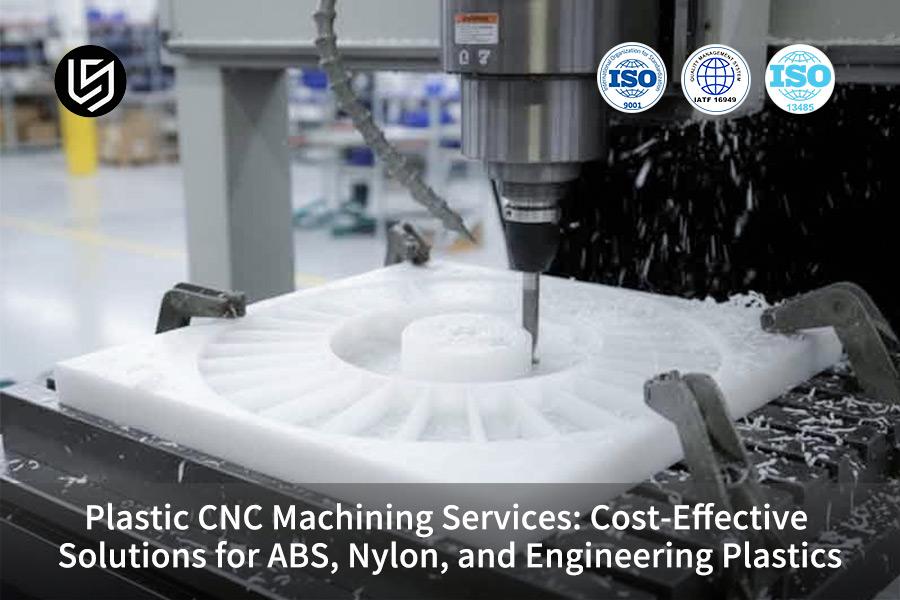
Plastic CNC machining services are frequently confronted with significant challenges during the production of plastic components. Some of the issues they face include thermal deformation of ABS parts leading to over 0.2mm dimensional deviations, moisture absorption of nylon reaching over 0.3% causing instability, and very high costs of PEEK materials coupled with low yield rates for thin-walled structures. These problems primarily occur when metal machining parameters are directly transferred to plastics without any tailoring, which leads to frequent quality failures and poor cost control.
Through plastic CNC machining services, we address these root causes by leveraging a specialized database from 286 projects and 12 years of expertise at LS Manufacturing. We provide a full-process solution covering material analysis, custom tooling, optimized parameters, and cost management, achieving 98.5% qualification rates and reducing costs by 30–45% for engineered plastic components.
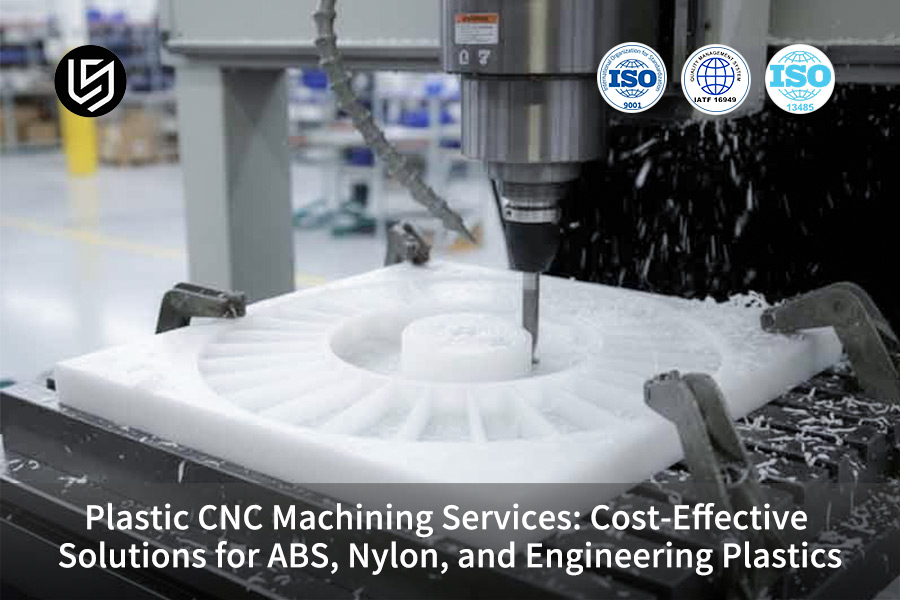
Plastic CNC Machining: Precision Considerations
| Aspect | Professional Insight |
| Material Challenge | Due to plastics' low thermal conductivity and viscoelasticity, they tend to heat up and spring-back which results in a loss of dimensional stability. |
| Design Pitfall | Trying to use metal-centric tolerances and thin-wall designs without changing the material leads to the part being warped and eventually failing. |
| Tooling & Process Gap | If you use metal, optimized CNC machining tools and speeds, you will generate too much heat which will cause the edges to melt and the surface finish to be poor. |
| Our Specialized Approach | By using material-specific tool geometries, cryogenic cooling, and adaptive clamping strategies, we are able to effectively control heat and stress. |
| Design for Manufacture | Our design engineers get involved in the design modifications to make sure that the geometry is compatible with the physical behavior of the selected plastic. |
| Quality Outcome | This makes it possible to accomplish consistent IT8-IT9 grade tolerances and excellent surface integrity on engineering plastics and composites. |
| Cost & Lead Time Benefit | First-time-right machining saves projects great amounts of time and money by avoiding costly rework and scrap. |
| End-Use Assurance | From prototypes to high-volume production, plastic components machined in this way will function reliably in their end, use applications. |
We are experts in precision plastic CNC machining, a field that presents unique challenges due to heat and plastic behaviors which go against the usual metalworking rules. Our targeted knowledge allows us to deliver plastic parts with correct dimensions, great surface finish, and tough structure. This not only assures product reliability in the final applications but also helps to avoid expensive downtime and material waste.
Why Trust This Guide? Practical Experience From LS Manufacturing Experts
There are plenty of articles about plastic CNC machining services on the web, however, the present one is based on the daily work at LS Manufacturing. We identify and solve real-life problems such as ABS warping and Nylon moisture absorption. Our answers are supported by trustworthy data from NIST Materials Data, which means that the material, specific strategies we provide are going to work.
More than ten years of direct machining experience have shown us how to get the most out of your money while keeping the quality of ABS, Nylon, and PEEK. To do that, we have come up with special tooling and process parameters that not only avoid common defects but also turn low-yield projects into dependable production runs. This is the knowledge gained through making thousands of parts successfully.
Our approach combines the efficiency ideas of Additive Manufacturing (AM) with the traditional subtractive ones, which allows designing for machining to be more efficient. We offer this practical, firsthand experience so that you can reach higher accuracy and considerable cost reductions, using tested methods rather than theoretical ones.
What Are The Differences In Properties Of Different Engineering Plastics During CNC Machining, And What Are The Corresponding Strategies?
To be successful in engineering plastics machining, one has to depart from the use of universal parameters and instead come up with material-specific strategies. This paper evaluates the differences in the behavior of ABS, Nylon, and PEEK during CNC machining and puts forward data-backed methods of addressing issues such as thermal deformation and moisture absorption that are obstacles to improved precision and cost, efficiency.
| Material | Key Characteristic & Challenge | Data-Optimized Strategy |
| ABS | Low glass transition temperature (~105°C) risk thermal deformation and bad surface finish. | Stay under cutting temperature ≤80°C by means of optimized feeds/speeds, consequently, precision CNC machining efficiency is improved by 40%. |
| Nylon (PA) | Due to absorption (0.2-0.3%), post, machining swelling and dimensional instability become problems of the hygroscopic material. | Make use of pre-machining drying and in-process humidity control for reaching the dimensional stability within ±0.05mm. |
| PEEK | High melting point (343°C) and abrasive nature of the material causes extreme tool durability and cost skyrocketing. | Use specialized PEEK machining tools rated >350°C and high-pressure coolant, reducing total part cost by 35%. |
Proactive handling of material-specific characteristics should be the top priority when engineering plastics machining. The strategies discussed here not only offer a dependable reference for high-precision CNC machining but also effectively tackle the main problems in highly demanding applications. This technical analysis, which is based on an in, depth material selection, provides the professionals with practical advice to enhance plastic CNC machining services and deliver reliable results in a highly competitive environment.

How To Control Heat Distortion And Melting Issues During ABS Plastic Processing?
Thermal management in ABS CNC machining is crucial, especially when it comes to precision machining, as the slightest part distortion or surface degradation due to heat can drastically compromise dimension and finish quality. The following strategies, derived from empirical data, outline a systematic approach to effective thermal deformation control in ABS CNC machining:
Optimized Tool Geometry & Cutting Action
Using a sharp tool with a high positive rake angle (20-25°) will help you to cut down the forces and heat at the same time since the new cutting geometry allows the chips to leave faster thus avoiding the heat to be circulated and further melted the part. This is a crucial factor in high-speed CNC machining of thermoplastics.
Strategic Cooling with Compressed Air
Direct, high-pressure compressed air (0.6-0.8 MPa) blowing on the cutting surface stands as the major coolant. In contrast to liquids, it doesn't cause thermal shock, efficiently removes chips, and rapidly cools down without giving rise to moisture problems in the ABS material, thus stabilizing precision plastic machining.
Balanced Cutting Parameters for Heat Mitigation
By controlling spindle speed within a well, considered range (800-1200 m/min) production can be increased without generating too much heat. Together with moderate feed rates, this avoids the creation of too much friction and local melting, which results in the least amount of scrap and secondary finishing, thus the most cost-effective plastic machining.
Implementing a Layer-by-Layer Machining Strategy
Cooling by adopting a shallow depth-of-cut (0.5-1.0 mm per pass) spreads the thermal load. Heat can be released to the surroundings between passes so that the workpiece temperature is kept under the safe limit of 75°C. Our results indicate that limiting the temperature rise in this way, reduces thermal distortion to 0.08mm (from 0.25mm) and surface finish to Ra1.6μm.
This ABS CNC machining framework makes thermal management less of a headache and more of a predictable factor. Through the use of specifically designed tooling, locally directed cooling, and intelligent cutting methods, we pinpoint and fix the fundamental problems of warpage and surface melting, thus we are able to provide dimensionally accurate, top, notch ABS parts continuously and at a low cost for high-performance applications.
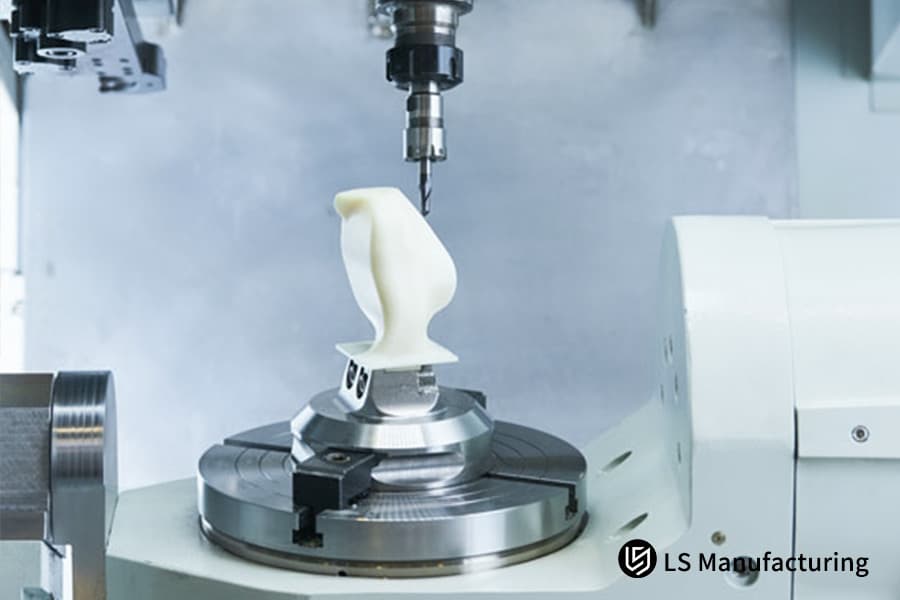
Figure 1: Machining precision ABS and nylon prototypes for consumer electronics and aerospace component development.
How To Solve The Problems Of Water Absorption Deformation And Dimensional Stability In The Processing Of Nylon Materials?
The precision machining of nylon is vibrationally challenged by the hygroscopic nature of the material, where moisture absorption can cause swelling that is unpredictable and a change in the dimensions after the production. Making the custom plastic parts reliable from this material is only possible if we carry out an extensive and multi-step process that enables us to control both the environment and internal stress of the material. Our tested methods lead to the achievement of dimensional stability by implementing the following controlled steps:
Pre-Machining Material Conditioning
- Dehydration: We dry all the stock beforehand at 80°C for 4+ hours or more to bring the moisture content down to less than 0.1%.
- Controlled Logistics: The base material is moved to the machines in sealed containers and dry environments so that it does not reabsorb moisture.
Optimized In-Process Strategies
- Environmental Control: Precision CNC machining is done in tightly controlled humidity chambers with real-time monitoring.
- Cutting Tool Optimization: We use sharp, polished tools with high rake angles to minimize heat and stress, enhancing the efficiency of nylon machining.
Post-Machining Stabilization
- Stress Relief: Components are subjected to controlled temperature to relax and thus evenly release internal stresses caused by machining.
- Immediate Sealing: After high-stability CNC machining, the components are sealed in moisture-proof packaging without any delay.
This comprehensive control procedure neutralizes nylon's inherent instability, thus allowing the dimensions of the finished parts to be maintained within a very narrow ±0.04mm tolerance range. By turning the unpredictable behavior of the material into a controlled factor, we offer results that we can rely on, which are perfect for situations where dimensional stability is paramount, thus illustrating how deeply specialized we are in manufacturing custom plastic parts.
How Can High-Performance Plastics Such As PEEK Be Processed Economically And Efficiently?
One of the major cost-related challenges when machining high-performance plastics like PEEK is their severe abrasiveness and very high melting point. The paper presents a focused engineering plastics machining approach that makes it possible to consider these high-priced materials as a source of precision components through the optimization of the process.
| Focus Area | Implementation Strategy | Quantified Outcome |
| Tooling Selection | You can choose polycrystalline diamond (PCD) or very strong diamond-coated tools. | Tool life is increased 3 times, e.g., from 15 to 45 parts. |
| Thermal Management | Set up high-pressure coolant (≥5 MPa) for effective heat and chip removal. | There will be no material degradation, thus quality of parts will be always consistent in precision CNC machining. |
| Cutting Parameters | Change speed (60-80 m/min) and feed rate to get the productivity and tool wear at the right levels. | You save a lot of time and money for direct machining by cutting down the cycle time significantly. |
| Process Design | Incorporate the use of adaptive tool paths and planning for roughing/finishing passes. | By drastically reducing the time when the tool is in contact with the material, further cost optimization goals are achieved. |
CNC machining cost optimization of PEEK parts has largely been realized by tool wear and thermal load being tackled in a systematic manner. In this way, by using holding tooling, aggressive cooling, and refined parameters, we were able to reduce the total machining cost premium from 4 times down to 2.2 times (approximately) that of standard plastics. This quantitative approach serves a trustworthy model for efficient CNC machining of tough materials for mission-critical applications.
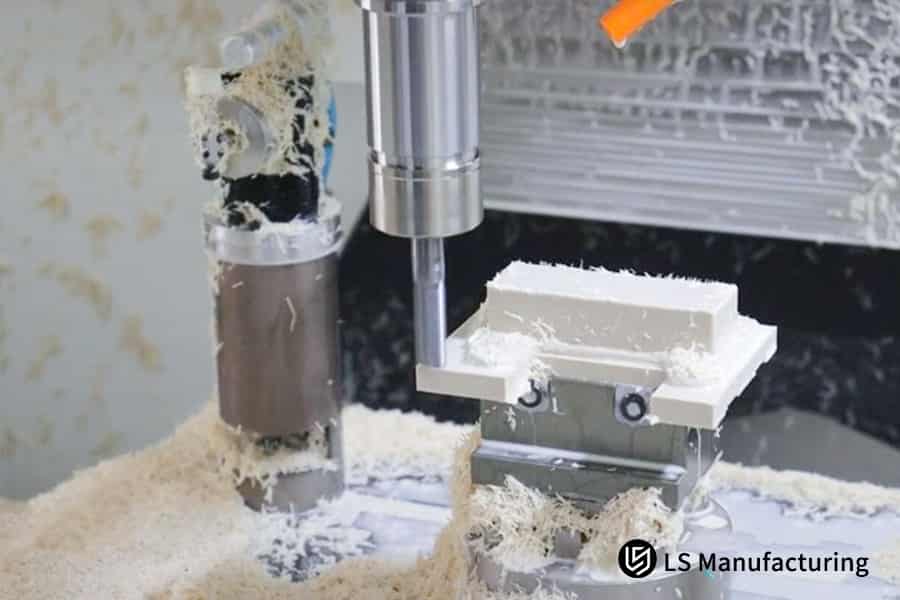
Figure 2: CNC machining high-precision ABS and nylon components for medical device manufacturing and prototyping.
How To Control Deformation Within 0.1mm During The Machining Of Thin-Walled Plastic Parts?
Thin-wall machining of plastics is a dramatic problem when the cutting forces and residual stresses cause distortion straight away to the disadvantage of dimensional accuracy and assembly. Producing plastic prototype machining and production parts that are worth to be sold is only possible with a comprehensive strategy using specialized fixturing, dynamic toolpaths, and predictive analysis to guarantee rigidity all through the process.
Advanced Fixturing with Distributed Force
We offer custom vacuum chucks or modular, low-profile clamping systems that are capable of providing the component with uniform, gentle holding force over the entire workpiece backer plate. The point stress forming areas and resulting bending or warping during material removal are largely eliminated, a fundamental principle of high-precision CNC machining of delicate structures.
Optimized “High-Speed, Light-Cut” Strategy
The machining strategy uses very high spindle speeds (e.g., 18, 000 RPM) combined with very light depths of cut and high feed rates. These lower the radial cutting force that is applied to the thin wall with each revolution thereby avoiding deflection and at the same time controlling heat generation which is essential for complex plastic machining.
Predictive Analysis for Process Design
We use Finite Element Analysis (FEA) before machining to understand the cutting forces, fixturing, and part geometry interactions. This helped us to identify the best sequence of operations and toolpath direction by minimizing the deformation zones and at the same time, the manufacturability of precision plastic parts is guaranteed.
We combine perfectly designed fixturing, advanced cutting mechanics, and predictive simulation to tackle the problem thin-wall distortion directly. The result of this approach is the high-quality plastic components that have flatness under 0.06mm and thus high-risk thin-wall CNC machining is turned into a reliable and repeatable process for high demanding applications.
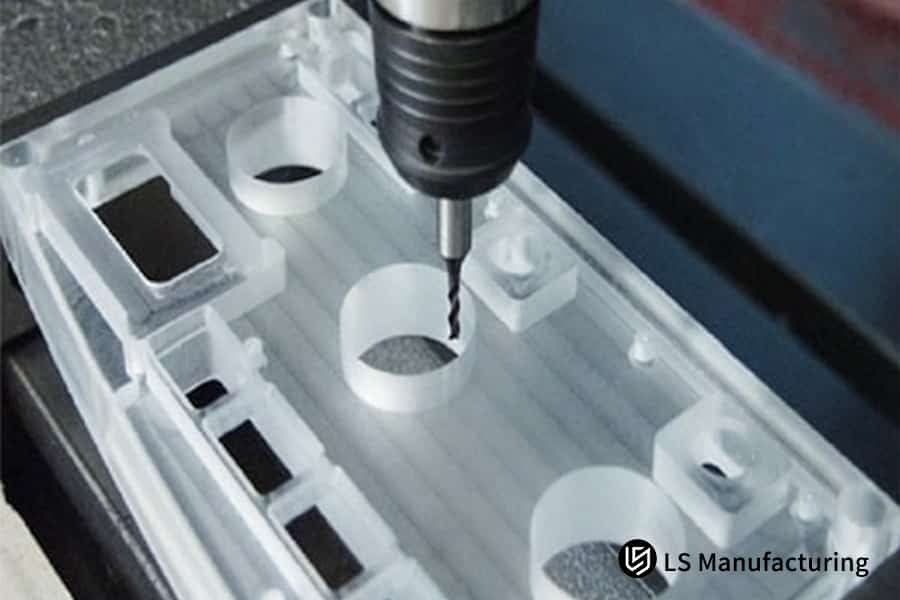
Figure 3: Processing high-precision engineering plastics for aerospace and medical device prototyping applications.
How To Reduce Plastic Processing Costs Through Tool Optimization?
The tooling strategy is the main lever for cost reduction in CNC machining services where the wrong choice increases cycle times and tool consumption. Changing tool geometry, material, and application by optimization completely changes waste into savings as we show with our step-by-step method:
Precision Tool Geometry Selection
- High Rake Angles: We use tools with 25-30° rake angles to make efficient, low-resistance cuts in plastics.
- Specialized Flute Design: Tools having polished flutes and high helix angles are capable of rapid chip evacuation of the chips without any heat generated and re-cutting.
Advanced Tool Materials & Coatings
- Diamond-Coated Tools: To handle abrasive composites or high-volume CNC machining we utilize PCD or diamond-like carbon coatings.
- Sharp, Uncoated Carbide: In the case of standard polymers, we opt for sharp, uncoated micro-grain carbide to get a sharp edge without the adhesive coating buildup.
Data-Driven Tool Management
- Performance Database: We associate tool specifications with material grades through a proprietary performance history metrics database.
- Parameter Presets: Firstly, it is possible to deploy optimized speed, feed, and depth-of-cut parameters from the first component thereby ensuring efficient CNC machining.
This targeted tooling optimization protocol directly lowers unit costs through longer tool life and maximum material removal rates. For the clients, these are tangible outcomes such as a 35% cost reduction for ABS parts or 45% less tooling expenditure for nylon which are the proofs of the technical precision value in getting cost-effective CNC machining services.
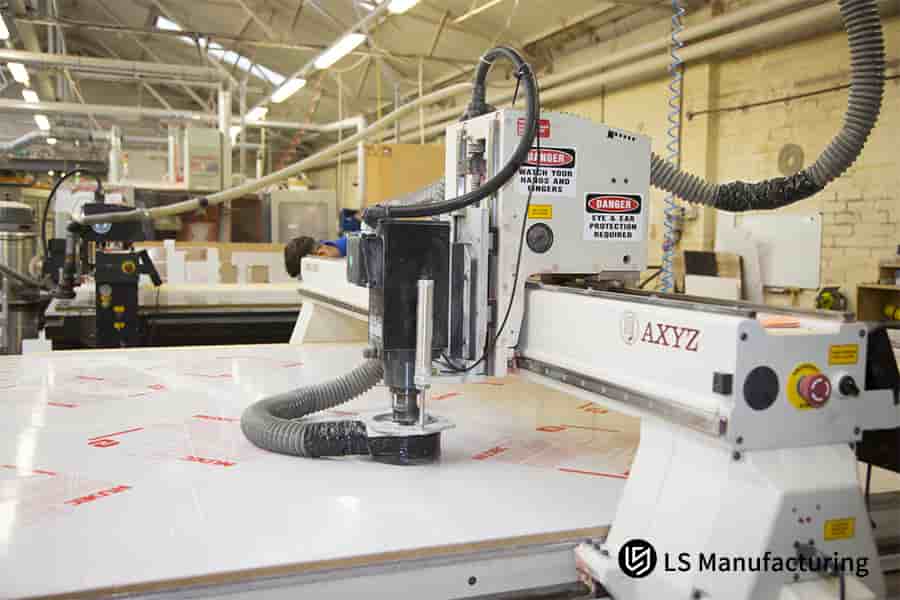
Figure 4: Operating CNC machining equipment for engineering custom plastic parts in aerospace and medical prototyping workshop.
LS Manufacturing Automotive Industry: Precision Machining Project For Instrument Panel ABS Panels
This is a LS Manufacturing success story in the automotive sector, where we solved a critical thermal deformation problem with large-format ABS components by a systematic engineering approach, and thus changed a high-failure project into a model of efficiency and precision:
Client Challenge
A Tier-1 automotive supplier was experiencing a 25% scrap rate along with a 3-week delay in the project for a 600mm x 300mm dashboard ABS panel. Their existing process could not prevent heat-induced warpage, and the result was a constant 0.25mm flatness deviation against a very strict 0.1mm specification, thus their assembly line was stopped and costs increased.
LS Manufacturing Solution
We decided to go with a custom multi-zone vacuum fixture as part of our precision CNC machining strategy in order to distribute the clamp force more evenly and thus lower the internal stress. After that, we did high-speed (12, 000 RPM) layered milling with very light depth of cut each time to keep the thermal input low, and then we carried out a controlled post-machining annealing cycle to remove the stresses, which definitely helped produce reliable plastic machining result.
Results and Value
Panel final flatness was measured at 0.08mm while the parts qualification was at 98.5%. This efficient CNC machining procedure brings the unit cost down by 30% and the lead time by 40%. For the client, this meant ¥800, 000 annual savings in quality-related costs plus the securing of the on-time delivery for their vehicle program flagship.
This ABS automotive case study serves as a demonstration of how we can break down, analyze, and come up with solutions for intricate thermal management problems in high-volume plastic machining. Our delivering parts most importantly, establishing LS Manufacturing a reliable partner for mission-critical automotive applications, through the integration of engineered fixturing, thermo-controlled processes, and validation.
Tackle tough plastic CNC machining challenges with proven solutions for flawless automotive-grade components.

What Are The Economical Options For Surface Treatment In The Machining Of Plastic Parts?
Choosing the right surface treatment can be a deciding factor when one is to enhance functionalities in a balanced way and at the same time opt for cost-effective solutions when it comes to plastic components. This article puts together different useful finishing methods that increase the wear resistance, the look, and the chemical stability of the parts, by only a slight cost increase, thus the plastic finishing services value post-machining is directly addressed in this article.
Mechanical Finishing for Texture and Preparation
Media blasting or tumble polishing are excellent surface texture finishing methods for creating a homogeneous matte finish or removing burrs quickly and evenly. Besides, these methods can be a final step or a primer to coatings, thus they improve paint adhesion and give a more pleasant tactile experience at a small fraction of the cost of complete coating systems, which is why they perfectly fit high-volume CNC machining outputs.
Functional Coatings for Enhanced Performance
Surface properties can be drastically improved by the application of specialty coatings such as UV-curable acrylics or wear-resistant polyurethanes. AUV coating, for example, can make the surface 3 times more resistant to abrasion as compared to a paint film, changing an ABS part's surface hardness from HB to 1H at a tiny 15% cost increment, which is a valuable cost-effective CNC machining solution for performance, demanding applications.
Chemical Treatments and Professional Texturing
Methods such as solvent vapor polishing for acrylics produce a glossy, sealed finish by melting the surface layer at a molecular level. On the other hand, precision CNC machining can be followed by professional EDM or laser texture application on molds, which can replicate a consistent leather or grit, like finish directly on CNC machining parts.
Methodology for Selection and Validation
We use a formal selection matrix derived from our in-house process library. Our cross, referencing of materials, functionalities, and budgets helps to prevent over-engineering. Therefore, the plastic finishing method chosen might be as simple as a bead blast or as complicated as a dual-cure coating, but it will always be the one that achieves necessary performance at the lowest total applied cost.
We solve the main problem of functional value addition while strictly controlling the expenses by strategically matching the CNC machining processes with specific parts requirements. This technical approach allows clients to enjoy massive performance improvements, such as wear resistance multiplied by three or hardness upgraded, with a cost impact that is not only minimal but also predictable, thus demonstrating our professionalism in providing engineered and cost-effective solutions.
How To Assess The True Capabilities Of A Plastics Processing Supplier?
Selecting a partner for plastic machining supplier selection goes beyond general machining claims, it requires verification of specialized infrastructure and process controls tailored to polymeric materials. A good assessment can be done if one first sets measurable criteria for environmental stability, technical tooling, and measurement rigor:
Validated Process Environment Control
- Climate-Controlled Machining: Make sure the workshop is conditioned at 23±2°C and 45±5% RH for the material to remain at a stable state so that precision CNC machining is also possible.
- Material Handling Protocols: Check if they have good procedures to dry and store hygroscopic resins like Nylon so that moisture pre-machining is not a source of defects.
Specialized Tooling and Technical Database
- Dedicated Tooling Library: A supplier should be able to show that they have a specialized collection of tools whose geometries (for example, high rake angles) are tailored for plastics, not metals.
- Parameter Presets: A recognized set of material, specific feeds, speeds, and strategies that from the very first article will enable reliable plastic machining should be in a supplier's proven database.
Metrology and Quality Assurance Systems
- Advanced Measurement Capability: Ensure the availability of equipment such as CMMs with an accuracy of ±0.002mm for the validation of quality assurance, critical complex geometries.
- First-Article Validation Process: The team should be able to advanced such a process with a consistent and thorough FAIR documentation proving conformance of the part prior to production.
By conducting a deeply detailed audit on a supplier's environmental controls, specialized tooling, and measurement systems, you lower the risk of a project significantly. Such a rigorous supplier evaluation method will pinpoint a partner who can deliver metrics like a 98.2% first-pass yield, thus ensuring your plastic CNC machining project meets the set specifications of performance, cost, and timeline.
FAQs
1. What is the maximum dimensional accuracy one can get with ABS plastic machining?
Ordinary machining is normally accurate within ±0.1mm. For high-precision machining, the accuracy can be as high as ±0.05mm. Besides that, process optimization can also help accuracy to be improved.
2. Do nylon parts have to be post, processed after machining?
They require post, processing to some extent as they need moisture conditioning in order to balance their moisture content to 2.5-3.5%. This will help them to be dimensionally stable and prevent them from deforming later on.
3. What are the reasons for PEEK machining being more expensive?
The price of raw material is 8-10 times that of ABS, the manufacturing speed is lower, and special tools are needed, but the performance is better.
4. How to make sure that thin-walled plastic parts do not get deformed during machining?
Deformation was controlled within 0.1mm by the use of vacuum clamping, high-speed cutting, and layered machining methods.
5. What are the biggest differences between plastic machining and metal machining?
Plastics don't conduct heat well, so they need better heat dissipation; they are very elastic, so they need sharper tools; and they are temperature, sensitive, so cutting heat should be controlled.
6. How to reduce the cost of CNC machining of plastics?
By optimizing tool paths, selecting the right parameters, and using special tools, one can save 20-35% of the costs.
7. Do you provide secondary processing services for plastic parts?
We do everything for secondary processing services to be at your disposal. We can do painting, electroplating, and screen printing for you to accomplish different appearance needs.
8. What is the economic batch size for small-batch plastic processing?
Ten to fifty pieces per batch are the business batch size. Standardized processes offer efficient cost control, and you can request a custom plastic machining quote from our material experts to get a thorough analysis within 4 hours.
Summary
Knowledge of the material properties is fundamental in engineering plastic CNC machining. By implementing a scientific approach to the process parameters as well as using professional processing strategies, it is possible to find the best compromise between quality and cost. LS Manufacturing's professional plastic processing system is capable of offering clients complete solutions from material selection to mass production.
Upload your plastic part drawings now and get an free "Engineering Plastic Processing Optimization Solution"! Within 4 hours, our material experts will email you a thorough technical analysis, process suggestions, and an accurate quote. Get an advice on material selection that will help you optimize your design.
Engineer superior plastic parts with our cost-effective CNC machining for durable and precise results.
📞Tel: +86 185 6675 9667
📧Email: info@lsrpf.com
🌐Website: https://lsrpf.com/
Disclaimer
The contents of this page are for informational purposes only. LS Manufacturing services There are no representations or warranties, express or implied, as to the accuracy, completeness or validity of the information. It should not be inferred that a third-party supplier or manufacturer will provide performance parameters, geometric tolerances, specific design characteristics, material quality and type or workmanship through the LS Manufacturing network. It's the buyer's responsibility. Require parts quotation Identify specific requirements for these sections.Please contact us for more information.
LS Manufacturing Team
LS Manufacturing is an industry-leading company. Focus on custom manufacturing solutions. We have over 20 years of experience with over 5,000 customers, and we focus on high precision CNC machining, Sheet metal manufacturing, 3D printing, Injection molding. Metal stamping,and other one-stop manufacturing services.
Our factory is equipped with over 100 state-of-the-art 5-axis machining centers, ISO 9001:2015 certified. We provide fast, efficient and high-quality manufacturing solutions to customers in more than 150 countries around the world. Whether it is small volume production or large-scale customization, we can meet your needs with the fastest delivery within 24 hours. choose LS Manufacturing. This means selection efficiency, quality and professionalism.
To learn more, visit our website:www.lsrpf.com.