English



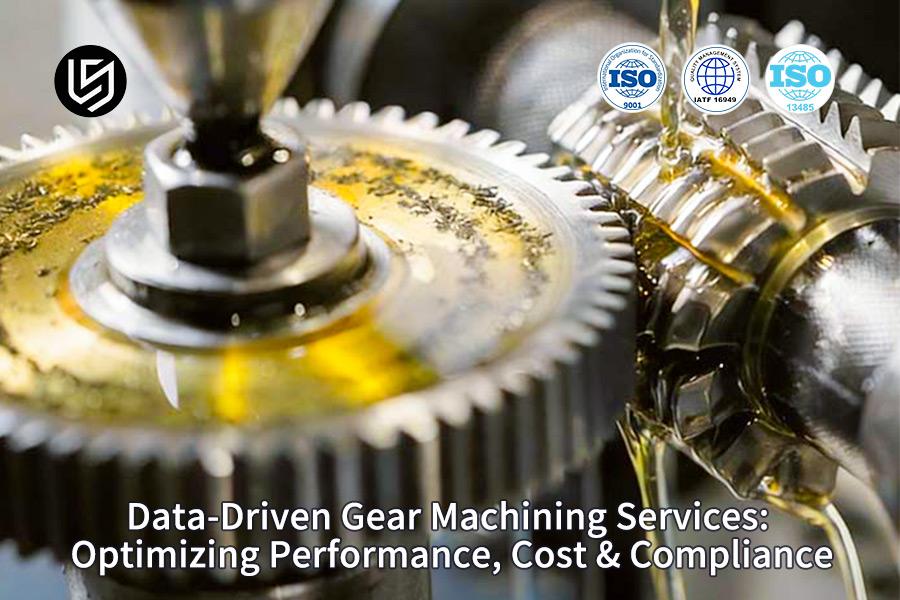
Data-driven gear machining services cater to the biggest concern of manufacturers, which is balancing performance, cost, and standards compliance, whereas traditional gear machining services involve various aspects of manufacturer experiences, resulting in subjective decisions, possible discrepancies, and in some instances, the cost exceeding 20% of the target budget.
The key factor necessary for a more effective approach in the manufacturing industry is embedded in the way we can systematically convert manufacturing information into useful knowledge. This is possible through the implementation of data management, which will help us optimize the variables engaged in the processing stage with accurate optimization and perform quality control and cost control correctly.
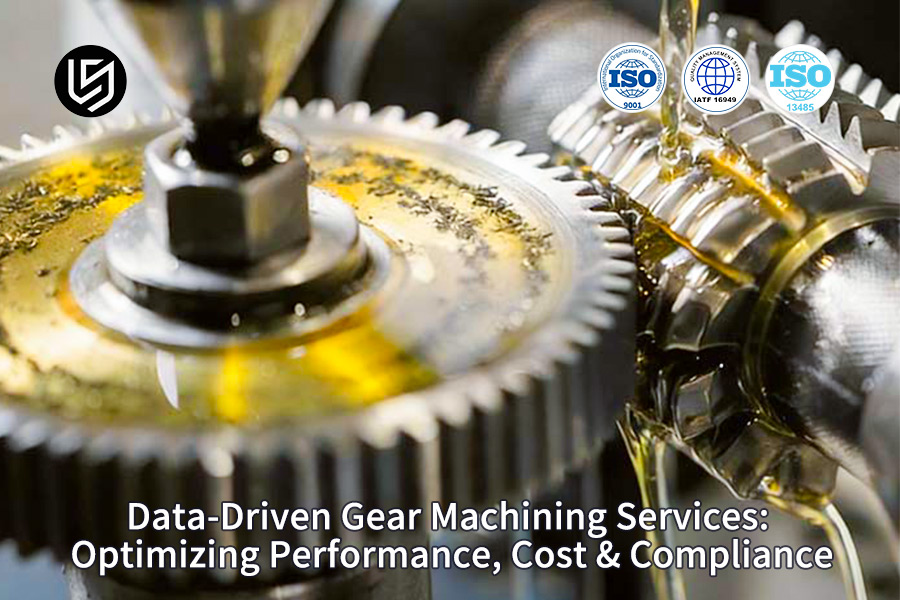
Data-Driven Gear Machining Services Quick Reference Guide
| Section | Key Content (Abbreviated) |
| Core Concept | Machining process data used for optimizing each and every process in making precision gears. |
| Data Sources | Machine tools, in-process sensors, CMM, post-process inspection, ERP. |
| Key Services | Predictive maintenance, process optimization, quality forecasting, digital twin simulation, supply chain integration. |
| Tech Stack | Internet of Things platform, AI/ML algorithms, cloud computing, cybersecurity protocols, digital dashboards. |
| Benefits | Higher quality, less downtime, lower costs, faster production, informed decision-making. |
| Implementation | Feasibility study, pilot program, system integration, staff upskilling, continuous monitoring. |
Our aim is to ensure the achievement of conversion through our solutions on the data our customers have to beneficial pieces of information. This would further rectify, for the manufacture industry, a number of issues, such as avoidance of unintended downtimes and an upgrade in the quality of the gear. This would be indicative of exceptional progress on the part of our customers in the aspect of efficiency and quality.
Why Trust This Guide? Practical Experience From LS Manufacturing Experts
There are innumerable pieces of information related to data-driven machining. What credibility does this article have? This article has credibility because, as practical people, we are neither pure theory. LS Manufacturing: our production floor environment is the arena in which our knowledge has been put into practice. Each year, we work with high-strength alloys, tight tolerance, and geometrical complexity in gear machining.
Our data-driven solutions have proved beneficial in their most critical applications. Our machining components for the aerospace sector straight away impact the aircraft sector. Precision gears utilized internally in the medical sector straight away influence patient care. Gears utilized in the automotive and machinery sector face extreme stress. Each and every project we do, according to the norms set by Metal Powder Industry Federation (MPIF) and Aluminium Association (AAC), help us know more about this topic.
This article has been the result of a learning curve that has taken us a decade to accomplish and has given us well over 50,000 accurate components. Every component that we have made has brought us a lesson—whether it has been learning the correlation between the readings of the sensor and the wear of the tools that we made or learning the optimal zone of the accuracy of the component and the number of the components we produce. All the guidelines you have before you today have been the result of success and failure.
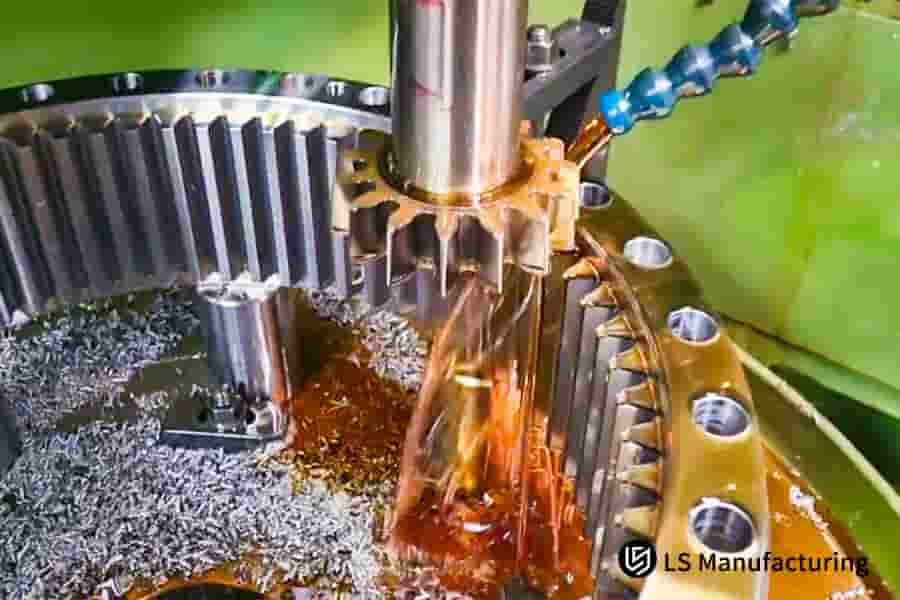
Figure 1: Advanced digital gear production adheres to iso norms by LS Manufacturing
How Does Data-Driven Gear Machining Improve Consistency Via Real-Time Monitoring?
In precision gear manufacturing, the primary challenge is not achieving specification once, but ensuring that every single unit in a batch meets the same stringent tolerances. Variations in material properties, tool wear, and thermal effects inherently degrade consistency. This document details how our data-driven gear machining services solve this by transforming passive machining into an active, self-correcting process. The core of the solution lies in our closed-loop real-time monitoring system:
- From Passive Cutting to Active Process Control: Intermittent analysis in our system is done manually. In addition, there are in-process sensors such as dynamometers, thermocouples, and accelerometers that measure more than 30 parameters with a cutting force of up to 2000N, temperature ranging from 20-80°C, and a vibration level ranging from 0-10g with a maximum frequency of up to 10KHtz.
- Establishing the Digital Baseline and Tolerance Gates: For each gear material and toolpath, we first run a proven-optimal batch to establish a golden performance consistency benchmark. Statistical Process Control (SPC) limits are then programmed as digital tolerance gates within our monitoring platform. For instance, a sustained 8% rise in cutting force triggers an alert, as it correlates directly with progressive flank wear and potential form error, allowing intervention before parts drift out of spec.
- Closed-Loop Compensations and Predictive Adjustments: When the sensor data approaches the preset SPC limit, it does not just trigger an alarm; instead, it initiates an automatic compensation. For instance, if it detects a well-established trend in thermal drift, the CNC system acts to automatically adjust tool offset positions to counter this expansion and maintain the target profile. This is an important feature that ensures the retention of error values in tooth profiles within ±0.015mm and allows an optimum Cpk value of 1.67+.
It is an integrated, deterministic, physics-informed manufacturing system where mere data collection is left far behind. The technical work is in aligning the signature with quality outcomes and determining what corrective actions need to be taken. This paper summarizes a competitive roadmap for delivering measurable, superior performance consistency.

What Are The Implementation Paths For Optimizing Gear Performance With Manufacturing Data?
In order to ensure the gear performance optimization, there is an absolute need to bring about a paradigm shift from the machining process to a closed-loop system. Moreover, the variations that occur based on the process of heat treatment also significantly influence the specifications of overall performance. This article provides the implementable solution of post-process measurement techniques in the application of measures to ensure higher precision and longevity.
| Implementation Path | Data Source & Method | Quantifiable Outcome |
| Compensating for Heat Treatment Distortion | Historical data feedback is captured by means of a confidential database of more than 5,000 case studies based upon pre-machined geometry, material lot number, and furnace conditions as they relate to post-treatment distortion. | Predictively varies pre-heat treat tooth geometries in geared elements, preventing distortions in carburized gearing ranging from ±0.08mm to ±0.03mm. |
| Optimizing Tooth Flank Modification (Tip/Relief) | Comparison of in-service load spectrum and meshing simulation results with observed wear on returned units. | Optimum specification of flank modification to reduce stress concentrations. Improvement in component life due to increased contact fatigue life: 1.8 times. |
| Predictive Machining Parameter Adjustment | Correlates real-time cutting force/vibration data with final gear noise test (NVH) results. | Dynamically refines finishing parameters to shift resonant frequencies, yielding a measurable reduction in gear whine. |
The fact that it has such an efficient method for enhancement is based on providing a causal link for process data and functional perspectives on process improvement. It is within the closed loop system of data feedback that a method of predictive compensation is mandatory rather than correction, and this is a direct method for engineers to compensate for distortion and enhance process reliability, an important departure when considering situations within which process performance and process reliability cannot be compromised.
How To Achieve Refined Cost Control In Gear Manufacturing Through Data Analysis?
Cost-effective gear machining will have to overcome the needs of economy and the importance of having an overall plan with respect to variable costs. Basically, the difficulty will be in optimizing with respect to minimizing waste and resource consumption with the constraint of maintaining the attribute of quality. The current report serves as a solution in resolving the two largest and most variable costs.
| Pathway | Methodology & Data Leverage | Quantifiable Outcome |
| Optimizing Tooling Expenditure | Develop a tool life prediction analytical model of at least 85% accuracy to compare real-time machining activity of the machining process to historical machining of the tool. | Raises the use of carbide tools from 300 to 450 pieces per edge. |
| Enhancing Production Throughput | An algorithm should be developed and implemented in the job size, setup time, and machine capacity to enable maximum utilization of the equipment in the production queue. | An improvement in equipment effectiveness increases from 65% to 82%, thereby leading to less allocation of fixed cost per unit. |
| Reducing Scrap & Rework | Correlation between the in-process sensor output based on either vibration or power to the final results of inspections with respect to predictive indication for possible non-conformities. | Reduces scrap production parts that are not within tolerance, hence contributing to cost reduction. |
Effective and sustainable cost control can be realized through the process of operation data translated to prescriptive instructions. The resource optimization strategy with regards to the tool life prediction and scheduling algorithms that are intelligent can provide a roadmap in cutting down the cost per piece by engineers, as a strategy because it acts as a bastion for the difference in the given context.
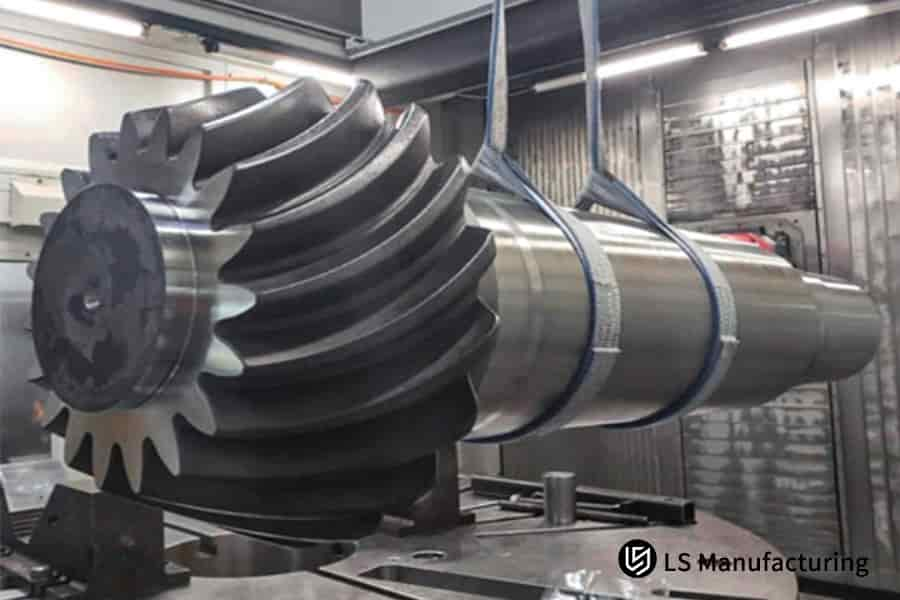
Figure 2: Accurate gear machining ensures performance meeting all specifications by LS Manufacturing
How Does A Data-Driven Approach Ensure Gear Products Meet International Standards?
The adoption of tough international standards, such as AGMA 2008 and ISO 1328, is one of the biggest hurdles in gear production, as manual sampling might lead to a violation of standards. There shall be no benefit in a reactive method of inspection to ensure that all items within a batch meet the standards. This report presents a method whereby 100% quality assurance, in manufacturing, as opposed to inspection, shall be achieved through intricate, coupled, and amalgamated principles of the three methodologies, as described below:
- Direct, Automated In-Process Metrology: We leverage on-machine precise probes and lasers to accurately determine critical parameters such as cumulative pitch error (FP ≤ 0.025mm) and helix angle error (Fβ ≤ 0.018mm) on each gear with no sampling error by utilizing traceable data directly generated in relation to the performance of the machining centers in creating their digital twin.
- Real-Time Analysis Against Digital Standard Libraries: The software within our system provides instantaneous analysis on the data measured within the gear compliance standards limits for digitized libraries. Automatically, there is an setting for tolerance limit within AGMA and ISO, which provides for comparison for every data measured. The moment there is variation for the control limit, an alarm sounds for adjustment prior to producing a non-conforming piece.
- Closed-Loop Correction and Audit Trail Generation: As soon as any of the a-parameters departs from spec, adds beckhoff, a series of predefined corrective actions is automatically initiated, such as automatic offset correction. Moreover, every measured value and every machine status value is stamped in time, providing an unbeatable digital audit trail from start to finish. This constitutes an una challengable proof of compatibility for each serial part.
Accordingly, this technology represents a paradigm shift in the quality assurance process, moving it from an end-of-line test to a predictive, inherent property of the process itself. The underlying technology in such a case is thus represented by the predictive control achieved through the integration of metrology data and digital standards libraries in real-time. In other words, a definite strategy is thus afforded to guarantee worldwide supply chain quality in keeping with the exacting demands of a defect-free performance.
What Key Indicators Should Be The Focus Of Data Analysis In Gear Manufacturing?
Effective gear manufacturing data analysis involves a whole lot more than data collection itself and entails analysis for improved outcome. The secret is in determining the right key indicators that could predict the desired manufacturing outcome and create continuous improvement in the process before the problem occurs:
- Process Capability and Quality Stability: Real-time tracking of Process Capability Index (Cpk) for critical dimensions provides a predictive index for quality performance. Target for Cpk ≥1.33 demonstrates natural stability for the process. Side-by-side comparison for First Pass Yield with an aim for ≥99.2% provides direct feedback for current performance and cost management by optimal scrap and rework plans.
- Overall Equipment Effectiveness and Throughput: Overall equipment effectiveness (OEE) needs to be decomposed into its availability, performance, and quality components. The target for OEE ≥80% pushes the analysis to become specific regarding the loss areas, such as setup times or minor stoppages, which again point toward targeted intervention strategies for maximum utilization of machines and production flow.
- Predictive Maintenance and Resource Efficiency: Tool wear pattern correlation with sensor data involves cutting force and vibration for predictive tool life management, thus enabling optimum scheduling of tool changes and preventing unexpected failures. Moreover, the energy consumption per part identifies inefficient states of the machine, linking operational data directly to cost reduction.
More specifically, Strategic gear manufacturing data analysis-based approach on predictive and interrelated key indicators, which help to lead or take pre-emptive action. It is one method of data-driven control to ensure process stability, maximize asset utilization, and systematically lower costs to deliver measurable competitive advantage in precision manufacturing.
How Can High-Precision Gear Machining Achieve Micron-Level Accuracy Through Data Control?
Attaining consistent micron-level accuracy in precision gear machining is critically challenged by dynamic thermal drift and progressive tool wear, which traditional methods cannot adequately control. The solution is a proactive, deterministic system that replaces post-process verification with in-process compensation. This document details the implementation of a real-time closed-loop control strategy to maintain batch precision within ±0.008mm:
Real-Time Thermal Drift Compensation
We install laser interferometers in 0.1 µm resolution directly on the machine body. Consequently, the process of thermal expansion is constantly observed by this method and provides data to the CNC about the deformations pertaining to this process in order to adjust or alter each cutting tool during the material process irrespective of the variations in gear material temperatures.
Predictive Tool Wear Management via AI
In this context, an AI model will begin to estimate the cutting forces and vibrational data of the real-time sensor readings against the historical data of the wear and inspection results. The model will then estimate the point when the tolerance will exceed for a given point based on the degradation profile for the specific tools and change the tools ahead of the impact of part quality in terms of tooth profile accuracy.
Statistical Process Validation and Adjustment
All the gears produced by machining are inspected automatically, and every important dimension measured and analyzed to devise a Cpk profile. The effect therefore is an ever-used-to-profile profile for measuring real-time, and as soon as the departure starts, it adjusts automatically to return it to the preset center within a very close margin of ±0.008mm.
This enables a physics-informed and data-verified process to be followed. The relevance lies in integrating metrology, analysis, and losed-loop control and seamless process. The above methodology presents a definitive roadmap or blueprint in relation to achieving micron-level accuracy, which is an essential element in the context of any mission-critical activities associated with the aeronautics industry, healthcare industry, or automobile industry.
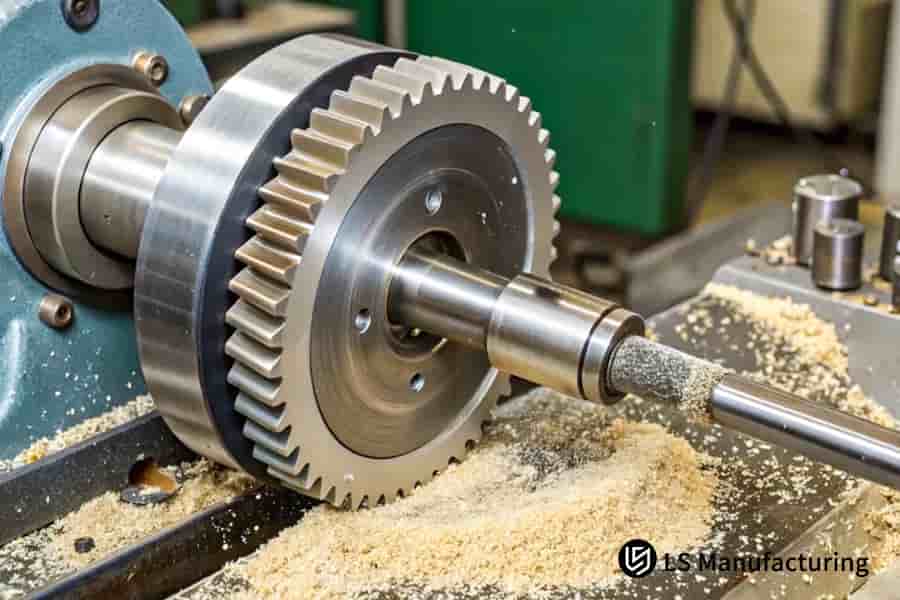
Figure 3: Economical high-precision machining follows agma and iso norms by LS Manufacturing
What Are The Differences Between AGMA And ISO Gear Standards In Data Management?
The major problem when dealing with the AGMA ISO gear standards is that there is some difference between their tolerance system and philosophy for assessment. While the former involves the calculation of strength, the other standard by ISO involves geometric accuracy. This paper provides a data-driven approach to filling the gap between these two standards and helping the manufacturer meet the need of each to have easier global market access. This is done three steps as follows:
Constructing a Granular Cross-Reference Database
An appropriate digital database is generated, and with regards to standards on a feature level, tolerance parameters are set. For example, slope tolerance in the standard ISO 1328 is algorithmically linked with the composite tolerance between teeth, making it possible to check the design with regards to both standards within the CAD stage.
Configuring Unified Inspection and Dual Reporting
The geometric information needed has to be recorded in a single automated measurement cycle with a Coordinate Measuring Machine. As a result, the outcome will be evaluated by the concurrent running of two software processes: the ISO algorithms and the AGMA algorithms. Hence, concurrent results will be generated that conform to the inspection process.
Integrating Functional Validation for AGMA Compliance
In addition to geometry verification, it is also necessary to carry out strength verification as required by the AGMA. This system includes other data such as material lot data as well as tests concerned with hardness, as well as geometry inspection. This is in an effort to obtain values of strength grades as required by a customer who may need it to ensure its ISO geometry report.
This methodology transforms a compliance burden into a strategic advantage. By creating a digital bridge between the AGMA ISO gear standards, it provides a clear, actionable process for manufacturers to efficiently produce gears that satisfy the precise gear tolerance system and documentation requirements of any target market, significantly accelerating certification and market access.
How Can Data-Driven Methods Optimize Gear Machining Process Parameters?
How to optimize gear machining involves navigating complex trade-offs between productivity, tool life, and surface finish. The core challenge is systematically determining the optimal combination of process parameters that ensures robustness against production variability. This document details a structured, data-driven methodology to replace trial-and-error with empirical optimization, using the taguchi method as its foundation:
Designing a Multi-Factor Experimental Framework
Our approach to this experiment uses an L27 orthogonal array. An experiment with too many variables can result in conducting thousands of experiments. Hence, as we are conducting an experiment with a multitude of variables, an orthogonal array experiment will assist us in understanding control variables as well as the inter-action of the variables in conducting 27 experiments in an L27 orthogonal array experiment.
Executing Tests and Measuring Multi-Dimensional Responses
With each run of the experimentation, there will not be one but multiple values of performance outcomes. The key points of information include surface roughness, Ra, flank temperature, rate of tool wear, and cycle time. All these points of information contribute in making up a whole dataset, which relates to certain specified process parameters, in addition to having a direct relationship with the key performance points.
Analyzing Data for Robustness and Defining the Optimal Window
All the collected data will be further evaluated in relation to the S/N ratios. This method regards the values of factors for which maximum possible outcomes can be attained, for instance, smallest possible values of surface roughness, rather than being influenced by noise factors, which are uncontrollable. This process will provide an optimum specification of a factor, for instance, the speed, that can range from 120-150 m/min.
This offers a conclusive and practicable approach on how to optimize gear machining. Through the use of the taguchi method, it ensures a strong and valid process window in the analysis of process parameters to ensure considerable improvement in the efficiency of gear machining processes.
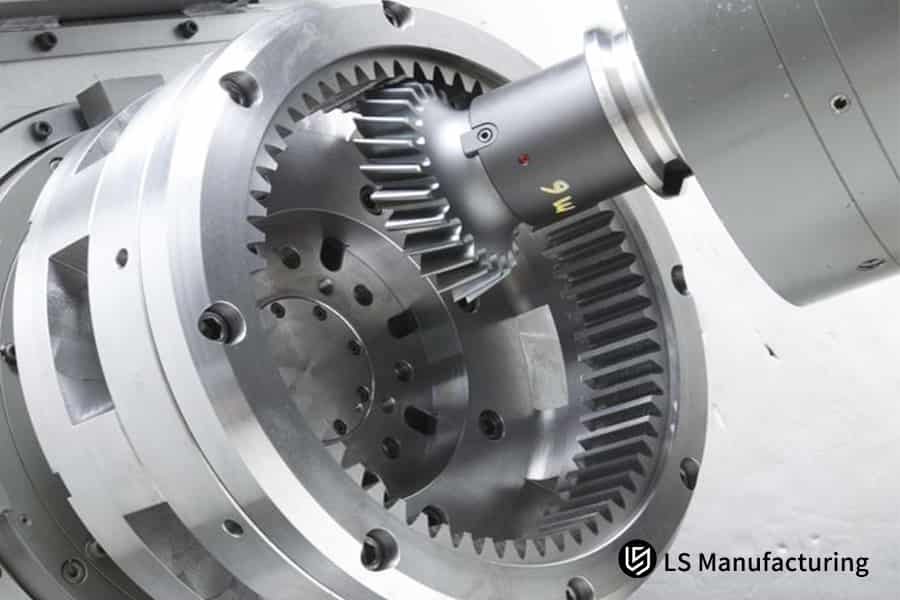
Figure 4: Enhancing gear function through precise machining and data analytics by LS Manufacturing
LS Manufacturing Wind Power Industry: Megawatt-Scale Gearbox Data-Driven Machining Project
Component reliability is a crucial factor in the wind turbine industry, which faces extremely cut-throat competition. Our company case study explains the adoption of a data-driven machining solution to address the very fundamental problem our client was facing in the manufacturing of the MW class gearbox.
Client Challenge
In one case, where customers showed a trend in failure in the production of 3.6MW planetary gear carrier batches in material 42CrMo4 with critical bore precision ±0.02mm in gear carrier forging, they have been able to realize only a first yield of 92% in output, along with 8% tooth flank burning and size deviation of ±0.04mm through the normal method. This is taking a severe toll on their production as well as project schedule, as customers have been incurring over 5 million RMB in quality losses per annum.
LS Manufacturing Solution
Accordingly, the innovation in the project was that it covered a comprehensive process of acquiring data, of which over 300 parameters of machining in real-time are surveyed. On the contrary, in the context of the project that we are undertaking, the problem of low coolant pressure (<3MPa) can affect the process of the application of machine learning models in the analysis of the aforementioned data in a way that it may lead to the generation of heat damage. Consequently, a machining process was established that ensured the coolant pressures of 5MPa and a dynamic process of the feeding rate that opposed machining.
Results and Value
Results are what an organization is ultimately attempting Consequently, there has been an improvement in the first pass yield to 99.3% and tooth flank burning to no more than 0.5%. In addition, there is accuracy in the gearing amount of ±0.015mm. With this project, there has been an achievement of an amount of quality savings no less than 4.2 million RMB per year. Further, in addition to these benefits, the customer has confidence in the integrity and longevity of his unique gearboxes.
This project represents a showcase of the capabilities of the LS Manufacturing philosophy in dealing with complex and high-value manufacturing issues. The blending of our expertise with our innovative analysis toolbox has enabled us not only to offer an optimization but also to revolutionize the whole manufacturing process itself. We are masters in the art of converting known manufacturing shortcomings into a smart winning advantage for our precious clients within the heavy machinery and wind business.
We are constantly working to go to greater heights in the gears manufacturing. Click here for more information about how we can help you regarding precise machining.

How To Establish A Continuously Improving Data Ecosystem For Gear Manufacturing?
Building a sustainable data ecosystem for continuous improvement in smart manufacturing faces the core challenge of integrating isolated data streams into actionable knowledge. This is because, in reality, the problem does not lie in generating the data but in creating a loop that can modify the physical process in a direct manner by generating fresh knowledge. This report will further deliberate on how the implementation can be done in a multi-layered structure, as described below:
Infrastructure: Deploying IoT for Granular, Unified Data Acquisition
The sensor network designed in the foundation is integrated directly into machine tools. With over 200 IoT sensors installed in machine tools, data has been generated over vibration, temperature, power, and positional accuracy. The complete data helps in creating a digital twin of the whole machining process, which helps in generating data required during the analysis process.
Analytics: Developing Domain-Specific Software for Insight Generation
The data by itself is not enough. Thereafter, we develop proprietary software using machine learning which links a given signature to a given result in gear manufacturing physics that translates enormous data into specific alerts for the process engineers to act upon. It could be something like a 15% spike in spindle current harmonics suggestive of some novel tooling or temperature-related problems.
Operationalization: Embedding Insights into the Production Workflow
Final step in the process: closed-loop, integrating insights back to shop-floor operations. Lastly, the auto-generated work instruction step sees the automatic generation of work instructions through the analytics platform, which may include dynamic tool offsets or preventative maintenance notifications, and are then pushed to CNC machines and the maintenance department to ensure immediate implementation of data-driven decisions, thus completing the closed loop for continuous improvement.
It connects comprehensively the spectrum of data retrieval to the self-optimal smart gear manufacturing ecosystem. The comprehensive stitching together of IoT infrastructure, domain-specific analytics expertise, and workflow automation carries with it and affords the living data ecosystem, which will automatically identify inefficiencies, offer corrections, and produce measurable, sustainable gains in terms of efficiency and precision.
FAQs
1. What data is required for gear cutting by data-driven methods?
There are three main types that exist and must be collected: equipment parameters, process parameters, and quality data. These types include a list of more than 20 indicators, which may be categorized as, for example, speed and feed rate, cutting force, temperature, accuracy, and surface roughness.
2. How can the quality and accuracy of the data gathered be ensured?
Precise sensors to an accuracy of ±1% in use, establishment of a data verification process, MSA of above 90%.
3. In what ways could the issue regarding the implementation of data-driven machining in the low cost category by SMEs be addressed?
First, some critical processes are examined, and focus is also made upon essential data collected about the life of equipment as well as its effectiveness. The pay-off period is roughly 6-12 months.
4. What is the significance of data-driven manufacturing in the context of ISO 9001 certification?
Traceability provides a broad range of quality traceability data so that processes and results obtained are controllable, and hence a substantially increased pass rate is ensured during audit trials.
5. How may the knowledge gained from historical data impact the process optimization of new projects?
Comparison through similarity analysis of previous cases may help in reducing the determination process for process parameters in a new undertaking by over 60%.
6. How can a warning system for possible equipment failure in data-driven manufacturing be realized in real-time?
What this allows is the ability to remotely monitor the vibration and temperature variables in order to receive warning in terms of weeks before the spindle or any other critical component fails.
7. How can one calculate Return on Investment in a data science project?
It can be quantitatively evaluated through reduced quality costs (typically 20-30%), improved efficiency (15-25%), and increased equipment utilization. To understand how these savings apply to your custom specifications, you can contact us to get a quote and receive a detailed economic analysis for your project.
8. In what manner does the data system interface with and relate to the current MES/ERP system in operation?
Standard API Interface offers the platform for a flawless compatibility process between systems. This results in an optimal data flow.
Summary
Data-driven gear machining, through systematic data collection and analysis, achieves synergistic optimization of performance, cost, and compliance, providing enterprises with a sustainable competitive advantage.
For tailored data-driven gear machining solutions or to initiate a complimentary initial process assessment, we invite you to contact the dedicated LS Manufacturing technical team. Our experts are prepared to provide in-depth technical support and collaborate with you to develop an optimized manufacturing strategy that addresses your specific challenges and enhances overall productivity.
Driving the future starts with precision gears; let data provide reliable power for your high-performance transmission systems!
📞Tel: +86 185 6675 9667
📧Email: info@lsrpf.com
🌐Website: https://lsrpf.com/
Disclaimer
The contents of this page are for informational purposes only. LS Manufacturing services There are no representations or warranties, express or implied, as to the accuracy, completeness or validity of the information. It should not be inferred that a third-party supplier or manufacturer will provide performance parameters, geometric tolerances, specific design characteristics, material quality and type or workmanship through the LS Manufacturing network. It's the buyer's responsibility. Require parts quotation Identify specific requirements for these sections.Please contact us for more information.
LS Manufacturing Team
LS Manufacturing is an industry-leading company. Focus on custom manufacturing solutions. We have over 20 years of experience with over 5,000 customers, and we focus on high precision CNC machining, Sheet metal manufacturing, 3D printing, Injection molding. Metal stamping,and other one-stop manufacturing services.
Our factory is equipped with over 100 state-of-the-art 5-axis machining centers, ISO 9001:2015 certified. We provide fast, efficient and high-quality manufacturing solutions to customers in more than 150 countries around the world. Whether it is small volume production or large-scale customization, we can meet your needs with the fastest delivery within 24 hours. choose LS Manufacturing. This means selection efficiency, quality and professionalism.
To learn more, visit our website:www.lsrpf.com.