English



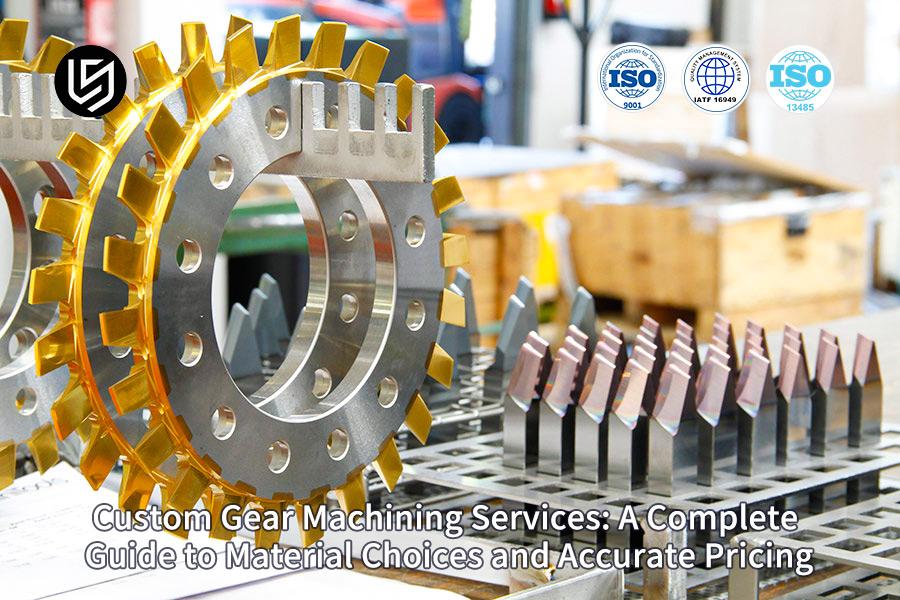
Custom gear machining services may give customers serious problems regarding the selection of materials and determination of the prices. Conventional practices may yield poor durability of gears or extreme variations of costs beyond the extent of 30%, creating an appropriate context to solve the problem through scientific practices.
The afore-said problem is specifically cured in the proposed system as it utilizes a solution which has the foundation established on the wealth of information which could be deduced from the 20-year machining experience at the LS Manufacturing. The proposed system also cures problems related to the improper choice of materials since it also has an unreliable estimate of costs as it contains the system of reliable cost estimation which forms an informed approach for the choice of gears in relation to the cost of projects.
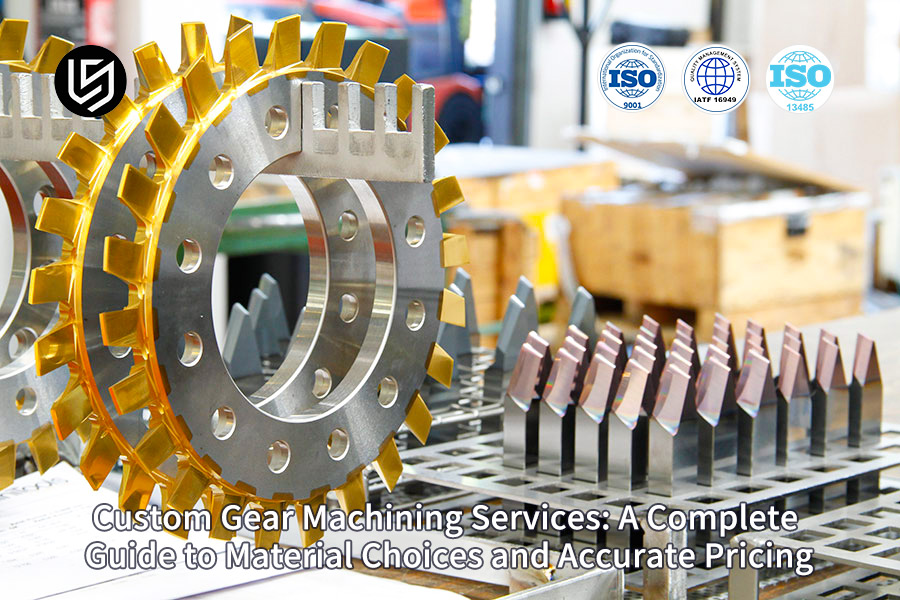
Custom Gear Machining Services Quick Reference Table
| Category | Key Services | Materials | Tolerances | Lead Time | Applications |
| Gear Types | Spur, Helical, Bevel, Worm, Rack, Spline | Steel, Aluminum, Brass, Plastic | AGMA 6-9 | 2-6 weeks | Automotive, Aerospace, Industrial |
| Processes | Hobbing, Milling, Grinding, Broaching | Stainless, Cast Iron, Alloy Steel | ISO 6-8 | 3-8 weeks | Medical, Marine, Robotics |
| Finishing | Heat Treating, Plating, Coating | Titanium, Bronze, Nylon | DIN 6-8 | 1-4 weeks | Energy, Defense, Construction |
| Capabilities | Prototyping, Small Batch, High Volume | Custom Alloys, Exotic Materials | JIS 0-4 | 1-3 weeks | Mining, Oil & Gas, Transportation |
| Quality | CMM Inspection, Gear Testing, 3D Scanning | Tool Steel, Delrin, PEEK | AGMA 10-12 | 2-5 weeks | Consumer Goods, Electronics |
From prototyping to high volume, we provide solutions for precision gear manufacturing challenges through customized service. We have the expertise to work in various materials and close tolerance specifications so you can rely on us for guaranteed power transmission in automobile, aircraft, industrial, or medical projects that require high-grade gears with fast turnaround times.
Why Trust This Guide? Practical Experience From LS Manufacturing Experts
For years, LS Manufacturing has been at the forefront in the creation of precision gear machining, helping us to meet such a high standard as ISO 13485 for medical devices applications. We know through our years of experience how to set up unique processes for gears used in the medical industry where nothing but perfection is expected.
We are also capable of advanced materials' processing. On the aspect of powder metallurgy, we are well versed in the current standards established by Metal Powder Industry Federation (MPIF). We also have the capability of machining gear shapes of complicated geometry from difficult materials such as titanium alloys and superalloys. Such materials may work well under operational parameters that are quite adverse.
What sets us apart from the competition is our relentless drive toward improvement and knowledge sharing. We have documented thousands of machining parameters and failures, and as such, our database is extensive. We can offer you the best gear solutions despite the demanding criteria you may set. We use our expert knowledge to accomplish that.
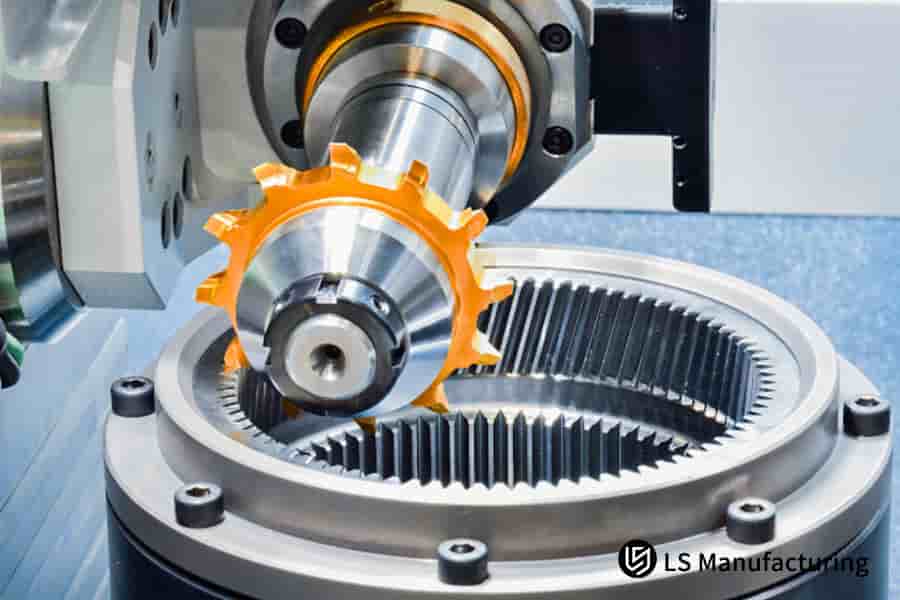
Figure 1: Precision gear cutting services in advanced manufacturing processes by LS Manufacturing
How Do Professional Gear Machining Services Match The Best Material Solutions To Specific Operating Conditions?
Custom gear machining services face the great challenge of performance mismatch of the material in demanding applications. Below is the procedure that our report emphasizes in gear material selection via performance matching methodology for optimum gear reliability with respect to varying conditions:
Methodology Framework
Our gear performance matching system, Gear assistant, integrates three primary modules: Material data base system of more than 50 certified alloys, multi-parametric analysis algorithm, and implementation verification process. Each gear load condition is carefully examined regarding load spectrum, speed, service environment, and Failure Modes Analysis to establish the most suitable grade of material and heat treatment process.
High-Speed Gear Applications
For high-speed gearboxes with an operational speed of 3000+ RPM, the suggested material is 20CrMnTi carburized steel. The material features case hardening of 58-62 HRC. Its fatigue strength under dynamic loads is high, and its wear resistance is excellent. Additionally, optimal control of the carburized layer thickness, together with improved grain refinement, will allow a material lifespan extension of up to 40%.
Heavy-Duty Industrial Gears
In worlds above 5000 Nm of torque, there have been very good impact toughness properties with bending strength for the 42CrMo class of materials quenched and tempered. Tempering done in our firm at 550-600°C provides core relative hardness of 28-32 HRC with 45-50 HRC surface hardness to attain greater wear resistance with better fatigue properties.
This technical document demonstrates our systematic approach to custom gear machining services through data-driven gear material selection and rigorous performance matching methodology. By integrating our expertise in material science with material application knowledge, the solutions designed by us meet, as well asSurpass, performance, as well as reliability, requirements.

What Performance Indicators Should Be Given Priority Consideration When Scientifically Selecting Gear Materials?
Selection on the best gear materials should be conducted on the technical evaluation in order to ensure the stability for the specified operating parameters. This report will try to establish the key material properties required during the determination or quantification for the use of the step of how to choose gear material.
| Performance Indicator | Target Value | Test Method | Critical Application |
| Surface Hardness | HRC 58-62 | Rockwell C | High-speed, high-wear |
| Core Toughness | ≥40J (Charpy) | Impact Test | Heavy shock loading |
| Bending Fatigue Strength | ≥800MPa | Rotating Beam | High-cycle fatigue |
| Contact Fatigue Strength | ≥1200MPa | Rolling Contact | High-load applications |
| Tensile Strength | ≥1000MPa | Tensile Test | General strength requirement |
This framework provides a systematic approach to how to choose gear material by quantifying critical performance indicators through standardized testing. This method is concerned with material properties rather than material types; therefore, this is beneficial in the selection of the material of the gear by the design engineer. The systematic approach described above can be used in the selection of material for the gear that is used in the high-value service.
How Does High-Precision Gear Manufacturing Ensure Dimensional Stability And Noise Control?
To successfully accomplish precision gear manufacturing, there are two challenges to be addressed. The first is to ensure that the gear has sufficient dimensional stability at a micron level. The second is to maintain efficient noise control during high-speed operations. The following is a report of how to address this important issue by using improved manufacturing processes:
- Process Control for Dimensional Stability: Use of our precision gear manufacturing involves German KAPP CNC gear grinders equipped with thermal compensation systems. The process takes place in controlled workshop temperatures of 20°C ± 1°C. In-process inspection carried out by Zeiss CMMs makes it possible to achieve tooth profile accuracy of DIN 5 accuracy and cumulative pitch error of less than 5µm.
- Noise Reduction through Tooth Modification: For noise control, the correction parameters cover circular tooth modification techniques such as tip relief, root relief, and lead crowning. Based on the loading spectrum connected with the type of task being performed, the parameters will limit the error to 30-50%, thereby reducing the noise by 3-5 dB.
- Material and Heat Treatment Optimization: Materials and heat treatment are of utmost importance to maintain dimensional stability and noise control. The process comprises vacuum carburization with high-pressure gas quenching to maintain dimensional stability. The process ends with cryogenic processing to remove residual austenite. This helps maintain a uniform hardness level with hardness of HRC58-62 with low residual stresses.
This document demonstrates our comprehensive methodology for precision gear manufacturing that systematically addresses both dimensional stability and noise control challenges. We provide precision gears to fulfill the most demanding requirements in industrial applications based on our expert process control, efficiently modified tooth design, and advanced material technology.
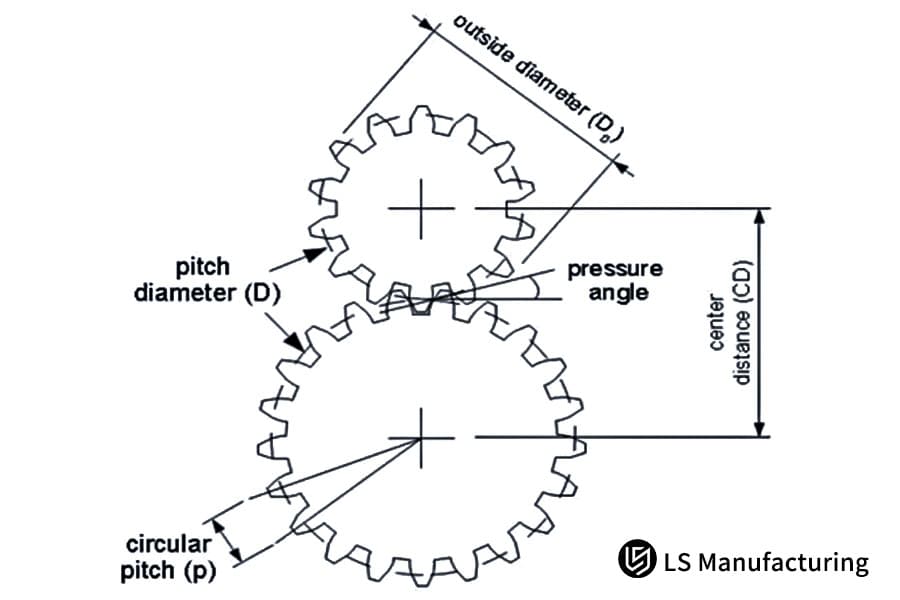
Figure 2: Key elements for precise cnc gear manufacturing estimates by LS Manufacturing
How To Build An Accurate Pricing Model For Gear Machining?
The calculation of an accurate gear machining quote is a complex analysis involving several factors. For the purpose of this report, a structure for a cost model is outlined that will enable the integration of material, process, and overhead costs in gear machining in order to calculate quotes using an intelligent pricing approach with 95%+ accuracy.
| Cost Category | Key Parameters | Calculation Method | Accuracy Target |
| Material Cost | Weight, material grade, scrap rate | Real-time market price × (1 + scrap factor) | ±2% |
| Machining Time | Module, teeth count, accuracy grade | Historical data regression + machine rate | ±5% |
| Heat Treatment | Case depth, hardness requirement | Process time × furnace rate | ±3% |
| Quality Control | Inspection points, tolerance grade | CMM time + operator rate | ±2% |
| Overhead Allocation | Batch size, setup time | Fixed + variable cost allocation | ±3% |
The framework provides an opportunity for one to follow a systematic approach when it comes to accurate gear machining quote tasks by considering the overall costs involved in the procedure. The intelligent pricing approach utilized in the framework considers overall costs as well as a market-oriented and competitive pricing procedure.
What Are The Strategies For Balancing The Hardness And Wear Resistance Of Gear Materials?
One of the important considerations in gear production is the achievement of the optimal degree of gear material hardness and wear resistance. In the current document, our method to reach the best balance strategy for surface hardness and the need for toughness will be presented:
Surface Hardness Optimization
The procedure applied by our company for the control of the gear material hardness applies vacuum carburizing with a temperature of 920-950°C, resulting in case depths of 0.8-1.2 mm, depending on the module, we can attest. The procedure applies precise carbon potential control and diffusion calculation on the basis of fick's law to obtain an equal distribution of carbon, preventing the growth of grains. This foundation enables subsequent quenching to achieve surface hardness of HRC 58-62, providing the necessary wear resistance for high-contact stress applications.
Core Toughness Management
Though the hardness on the surface is important to elevate the wear resistance strength, certain levels of toughness need to be incorporated to resist the impact loading. For this intention, the high-pressure gas quenching method is incorporated to enable the core to possess hardness values measured between HRC 30 & 35 for the chemical compositions 20CrMnTi & 42CrMo. The balance strategy involves optimizing the martensite transformation kinetics to minimize retained austenite while avoiding excessive brittleness, ensuring charpy impact values exceed 40J at room temperature.
Heat Treatment Process Integration
Full balance strategy encompasses many heat treatment processes such as carburizing, quenching, tempering, done under the temperature of 180-200°C. The procedure aids in obtaining minimal residual stresses, stability in the micro-structure, optimal values of hardness, from the surface to the core material, hence assisting in developing materials with optimum surface wear resistance, along with improved ductility of the material from the core.
The current report is one example of how we have used our process to optimize the gear material hardness and wear resistance through the use of the balance strategy. It has been possible to achieve this by combining the latest advances in heat treatment technology and our knowledge of material science.
What Are The Key Factors Affecting Gear Manufacturing Costs?
Knowledge of gear machining cost factors and ability to control them are imperative for individuals who aspire to take part in manufacturing. In this report, key elements contributing towards the cost optimization as well as their improvement through value engineering analyses are discussed:
Material Specification Analysis
Material selection accounts for 40-60% of the total gear cost. In our cost optimization strategy, we consider the service required by the application, thereby implying the material grade that would optimize the material selection cost without compromising the performance. For example, when using 5120 material in the moderate loading gear in comparison with the 8620 carburizing steel material selection cost is reduced by 15-20%. The finite element analysis authenticates the material selection suitability before the selection procedure.
Accuracy Grade Optimization
Gear accuracy grading (DIN 5-10) has major effects on machining time and inspecting procedures. In our solution, we assess the operating conditions to identify the minimum acceptable level of accuracy. With less accuracy, say from DIN 5 to DIN 7 in non-critical applications, we can offer cost savings of between 25-30% by reducing the grinding time and inspecting procedures while meeting the functional requirements.
Batch Size and Setup Efficiency
Batch size determines directly how setup time and tooling will be apportioned. Our cost optimization approach also concerns the analysis of the economic order quantity where, for every unit, the setup time cost, particularly for smaller batches, is at a minimum. In the case of a small batch, quick-change tooling, combined with the concept of standardized fixturing, has managed to reduce setup time by 50%.
Process Flow and Value Engineering
We are equipped with a wide variety of value engineering analysis services, which help us remove non-value adding activities in manufacturing. The simultaneous processing of roughing, finishing, and other processes through multi-tasking machines helps in effective manufacturing time. Value engineering analysis helps us attain 20-30% reduced processing time with the elimination of any inspection process in between, resulting in cost optimization.
This file highlights the structured approach we implement in the management of gear machining cost factors through analysis of the identified key elements. By concentrating on the choice of material to be used, accuracy grade cost optimization, batch sizes, and efficiency of the process involved in gear machining, we assure affordability of the solutions that guarantee the required quality.
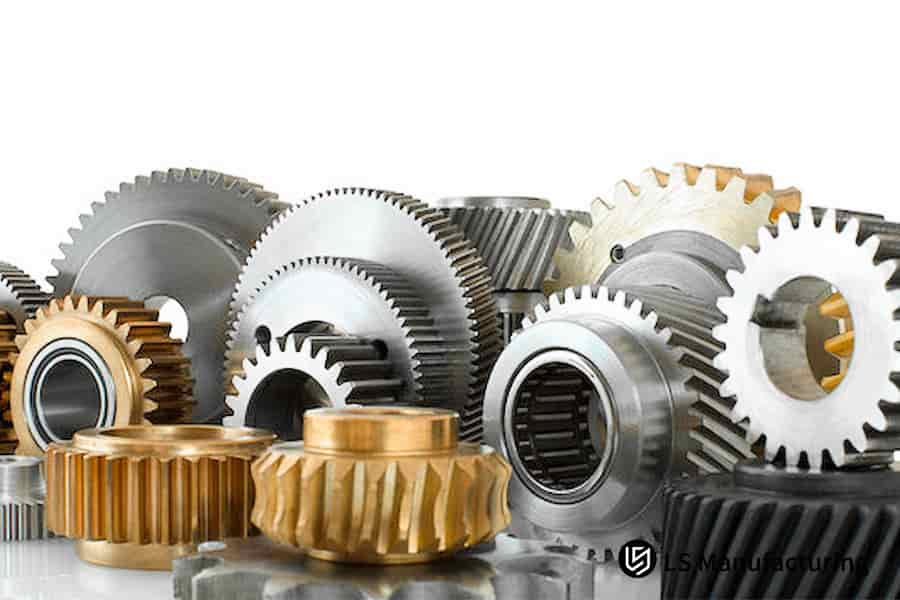
Figure 3: Showcasing precision gears with available material hardness grades by LS Manufacturing
How Do High-Durability Gear Materials Perform Under Extreme Operating Conditions?
Durable gear materials need to perform under extreme conditions. These conditions involve high loads, varying speeds, and harsh environmental conditions. In this document, the approach utilized to performance evaluation capability of durable gear materials for high-performance applications such as wind turbines and heavy machinery will be described:
- Material Selection and Processing: The application-specific process of selecting alloys begins our durable gear materials. For wind turbine gearboxes operating under conditions of variable torque and high cyclic loading, we specify carburizing steel 18CrNiMo7-6, vacuum carburizing at 920°C. This alloy provides excellent hardenability and fatigue strength while the case depth is controlled to 1.0 - 1.5mm through accurate carbon potential management. The use of vacuum prevents surface oxidation and provides for a clean, uniform carburization.
- Heat Treatment Optimization: In order to achieve the required mechanical strength even under heavy load situations, we adopt a multi-step process of heat treatment. Subsequently, after the carburizing process is complete, gas quenching at the pressures of 6-10 bar is performed on the gears. This will be followed by the process of deep cryogenic treatment of the gears at a temperature of -196°C. The tempering process will be conducted at the temperature range of 180-200°C. The hardness of the gears will be maintained at the levels of HRC 58-62.
- Performance Testing and Validation: Performance evaluation include extensive testing of simulated extreme conditions. Gears are tested by rotating bending fatigue tests at R=-1 to assess bending fatigue strength, where values are over 800MPa. Contact fatigue tests by Hertz contact stress of 1500-2000MPa have validated pitting resistance qualities based on a fatigue life of over 10 million cycles. Other performance tests include thermal shock tests, corrosion tests, and analysis of microstructure.
- Field Application and Case Study: Our durable gear materials used in the main gearboxes of the wind turbines has already been proven under the extreme conditions of temperature variations from -40°C to 80°C, the variations of the wind pressure, and the material life of up to 20 years. Furthermore, the results show that there had been an increase of 30% in the material life under fatigue conditions without failures occurring in more than 5,000 samples installed.
This document demonstrates our comprehensive methodology for developing and evaluating durable gear materials that excel under extreme conditions. Through systematic material selection, advanced heat treatment processes, and rigorous performance evaluation, we deliver gears that consistently meet the most demanding reliability requirements in critical industrial applications.
What Are Some Key Factors Often Overlooked In Gear Material Selection?
Gear material selection often focuses on conventional mechanical properties while neglecting critical factors that determine manufacturing feasibility and long-term reliability. This document addresses these overlooked details in material selection, providing a systematic framework to identify and evaluate the key factors that impact production success and performance:
Hardenability and Quenching Response
Hardenability is mainly related to the property that can be expressed in the amount determined by the result of the Jominy end-quench test, which specifies the maximum hardened depth of the material in the process cycle, besides core material properties. Lack of hardenability could result in the problem of the specified surface hardness not being present in the heavy cross-section specimens, which could result in premature failures of the gear due to the onset of wear and fatigue failure. The critical diameter, for the given material type, to achieve the specified case depth and hardness distribution over the gear size, is determined.
Heat Treatment Distortion Control
Excessive distortion in heat treatment influences the dimensions considerably, thus increasing the cost after the process. We classify the materials on the basis of their distortion coefficient. Distortion coefficient is the degree of dimension variation related to quenching and tempering processes. Low distortion coefficients refer to materials with smaller grains and a homogenous structure. Such materials involve less corrective machining. This database holds information on the distortion in various gear sets, together with their heat treatment processes.
Machinability and Tool Life
Machinability affects both production cost and surface quality. Materials with poor machinability require slower cutting speeds, increased tool wear, and may produce surface defects that compromise fatigue performance. We assess machinability through tool life testing and surface integrity analysis, recommending materials that balance mechanical properties with manufacturing efficiency. This approach reduces production costs by 15-20% while maintaining required performance standards.
Microstructural Stability and Residual Stress
Long-term dimensional stability depends on microstructural characteristics and residual stress distribution. Materials with unstable retained austenite or high residual stresses may undergo dimensional changes during service, leading to noise issues and premature failure. Our evaluation includes cryogenic treatment response analysis and residual stress measurement to ensure stable performance over the gear design.
Thus, the organization demonstrates the wide approach in the material selection with the consideration of the key factors which would not be taken into account in the standard approach. With the in-depth study of the analysis concerning the hardenability, resistance to distortion, machinability, and microstructure stability, the organization assists its clients in sidestepping the costs which could be involved due to the difficulties in the process of production.
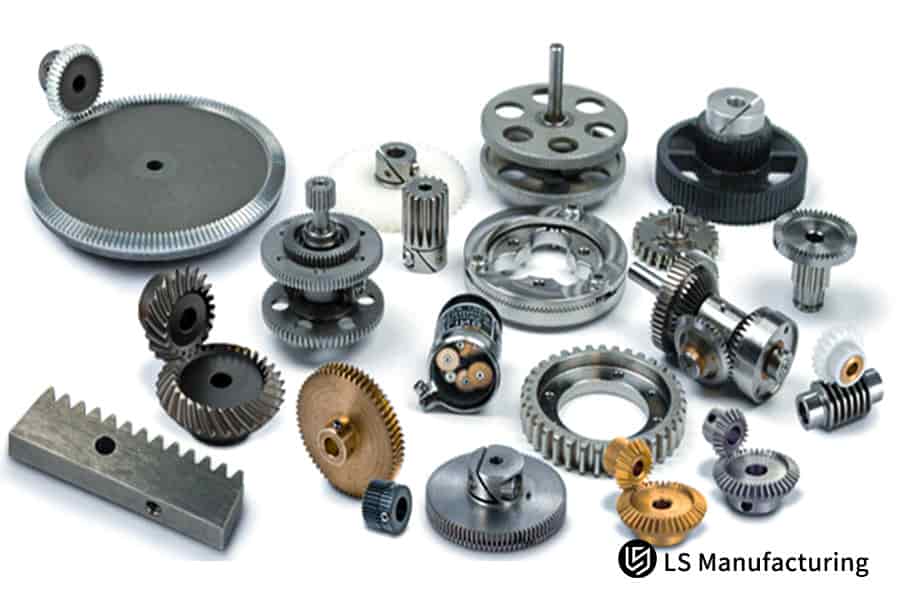
Figure 4: Precision CNC gear display with material selection guide by LS Manufacturing
LS Manufacturing: Custom Machining For Wind Power Gearbox Planetary Gears
A case study defines the credentials of LS Manufacturing to deliver custom gear machining services to the wind power sector in addressing a serious issue related to the manufacturing process of the planet wheel of the megawatt gearbox. The issue was described in this manner:
Client Challenge
Among the top suppliers of wind turbine gearboxes was requested to offer custom machining service for the 3.2 MW planet wheel gearboxes, which should last for 20 years. However, the materials used, 20CrMnTi, failed to achieve the actual intended lifespan of the customer in terms of the number of cycles to the point of pitting, involving 8 million cycles, and there were also additional costs of 40% and additional time of 3 months in fulfilling the ordering due to the distortion of the materials in the process of heat treatment, causing the wastage of pieces produced.
LS Manufacturing Solution
We offered a complete solution by using 18CrNiMo7-6 carburizing steel with optimum results for vacuum carburizing, which provided a case depth of 1.8 to 2.2 mm. Moreover, there was high gas pressure quenching with a high force of 8 bar, which was then followed by cryogenics and tempering at 180°C. In addition to this, there was a total pitch deviation of less than 4 μm provided by KAPP high-precision grinding machines due to the requirement of the drive's specifications.
Results and Value
The performance of the solution has been outstanding, and as a result, the gear fatigue life increased by up to 50% to now stand at 12 million cycles, thereby surpassing the designed life span of 20 years. A 25% cost reduction in production, the gears passed the GL certification test, allowing the customer access to the international market, and savings of more than 2 million RMB annually in maintenance costs were realized.
Since the start of the industry, our innovative approach to gear machining has led the industry. The following case study indicates the capability of LS Manufacturing in solving such complex engineering problems with our in-depth knowledge of material science. Our data-driven technique for gear machining services at LS Manufacturing makes a huge difference in such critical applications, thereby making us a reliable partner in such advanced sectors.
If your wind power equipment also requires durable planetary gear solutions that can withstand extreme operating conditions, please evaluate your gearing needs today.

Innovative Applications Of Advanced Gear Material Technology In High-Speed Transmissions
The evolution of advanced gear materials has revolutionized high-speed transmission systems, enabling higher power density, reduced weight, and improved efficiency. This document details our systematic approach to implementing innovative applications of new material technologies in demanding transmission applications:
Advanced Carburizing Steels for High-Speed Gears
For the case of high-speed transmission applications with a speed of above 100 m/s, we begin our procedure by considering the selection of next-generation carburized steel materials such as 18CrNiMo7-6 and 20MnCr5. These possess higher hardenability andfatiguestrengthening properties compared with previous materials. The critical temperature of the vacuum carburizing process at 920-950°C helps in achieving a case depth of 0.8-1.5 mm along with HRC 58-62 hardness on the surfaces. The case exhibits excellent resistance characteristics to pitting, as well as bending-fatigue, and supports a speed of above 100 m/s for the pitch line velocity of wind and aero parts.
Powder Metallurgy Materials for Complex Geometries
Along with investment casting, PM materials such as Astaloy CrM and Distaloy HP are used at our company in the manufacture of gears with complex geometries and near-net shapes. High density (>7.4 g/cm³) obtained with the double pressing and sintering processes, coupled with excellent Noise Vibration Harshness (NVH) properties, especially in car transmissions where weight and Noise issues are of utmost importance, are some of the superior qualities of these advanced gear materials.
Surface Engineering and Coatings
Besides the above, for improving the efficiency of high-speed transmission systems, we use high-performance surface engineering methods such as physical vapor deposition coatings of TiN, CrN, and DLC. The coatings offer a hardness of up to HV 3000 with friction coefficient reduction of 30-50%. Carefully selected substrate materials and high-performance coatings enable high contact pressures and sliding velocities, increasing gear life by 2 to 3 times.
Material Testing and Validation
To ensure the authenticity of our innovative applications, rigorous testing procedures involving FZG gear test rigs that can support speeds of up to 10,000 rpm and contacting pressures in excess of 2000 MPa are employed. Microstructural examination carried out through scanning electron microscopy and Electron Back Scatter Diffusion (EBSD) helps in estimating the size of the grains, carbide content, and the values of the residual stresses in the advanced gear materials to satisfy the requirements of modern high-speed transmission systems.
This document demonstrates our systematic methodology for implementing advanced gear materials in high-speed transmission applications through innovative applications of new material technologies. By combining material science expertise with advanced manufacturing processes and rigorous testing, we deliver gear solutions that push the boundaries of performance in demanding industrial and automotive applications.
FAQs
1. The method of gear material determination based on the rotational speed?
Low speed, heavy load—alloy tempered steel. The bearing used in the High-Speed Journal bearing is carburized steel. This is done on the calculation of the contact stress value as per the power and torque values.
2. What costs are included in the gear machining quote?
It comprises cost of material, processing cost, heat treatment cost, and cost of inspection. A comprehensive gear machining quote request is required to have complete drawings.
3. What is DIN Grade 6 accuracy?
This shall be accompanied by the allowable variation in the value of the tooth pitch error ≤0.016mm, which is rather conventional for high precision transmissions; therefore, CNC gear grinding machines shall be required in this process.
4. What are characteristic features for the treatment of carburized and quenched gears?
This involves the control of the depth of the carburized layer in terms of uniformity and the amount of oxidation and decarburization. Additionally, the method of press quenching the deformation of the carburized layer.
5. How to evaluate the cost-effectiveness of gear materials?
It involves finding the load-carrying capacity for each ten thousand units of cost, as well as the designed life, for the integrated assessment to be made.
6. For what reason is gear modification performed?
It raises the efficiency of meshing, while the noise reduction has been upgraded with an improvement of 3-5 dB, with an increase of more than 30% in the longevity.
7. How may the expenses involved in mass production be minimized?
In the optimized layout to utilize the material to the fullest and through the use of specialized equipment to process the material in the least amount of time.
8. What are the requirements of inspection reports with regard to gears?
In addition, fill in all quality documents such as material reports, hardness reports, and accuracy inspection reports.
Summary
By integrating scientific instruments for materials selection and advanced models for cost control, the enterprise will greatly enhance the quality and economic benefits of their gear products. The choice of a material processor will play a crucial role in the process.
For instance, in the event that you require solutions related to the machining of custom gears or requiring precise quotations, you may contact our team. We will then analyze the application requirements in terms of the application load, speed, and other requirements to offer the best gear design and material.
Get your customized gear precision machining solutions and accurate quote now!
📞Tel: +86 185 6675 9667
📧Email: info@lsrpf.com
🌐Website: https://lsrpf.com/
Disclaimer
The contents of this page are for informational purposes only. LS Manufacturing services There are no representations or warranties, express or implied, as to the accuracy, completeness or validity of the information. It should not be inferred that a third-party supplier or manufacturer will provide performance parameters, geometric tolerances, specific design characteristics, material quality and type or workmanship through the LS Manufacturing network. It's the buyer's responsibility. Require parts quotation Identify specific requirements for these sections.Please contact us for more information.
LS Manufacturing Team
LS Manufacturing is an industry-leading company. Focus on custom manufacturing solutions. We have over 20 years of experience with over 5,000 customers, and we focus on high precision CNC machining, Sheet metal manufacturing, 3D printing, Injection molding. Metal stamping,and other one-stop manufacturing services.
Our factory is equipped with over 100 state-of-the-art 5-axis machining centers, ISO 9001:2015 certified. We provide fast, efficient and high-quality manufacturing solutions to customers in more than 150 countries around the world. Whether it is small volume production or large-scale customization, we can meet your needs with the fastest delivery within 24 hours. choose LS Manufacturing. This means selection efficiency, quality and professionalism.
To learn more, visit our website:www.lsrpf.com.