English




Gear machining services have become a challenge of high importance to manufacturers because there are incongruous application tasks, poor technical performance properties, and high expenses involved. The conventional approaches adopted to address this challenge have indicated the absence of a systematic way because they were rated at above 30% delays in projects and quality.
However, the problem is that these unit prices, chased after at the expense of other compatibility factors, end up undermining the creation of a justifiable estimate of the suppliers' abilities. This problem is addressed by the article through offering a justifiable estimate of the suppliers using technical factors fitting the application.
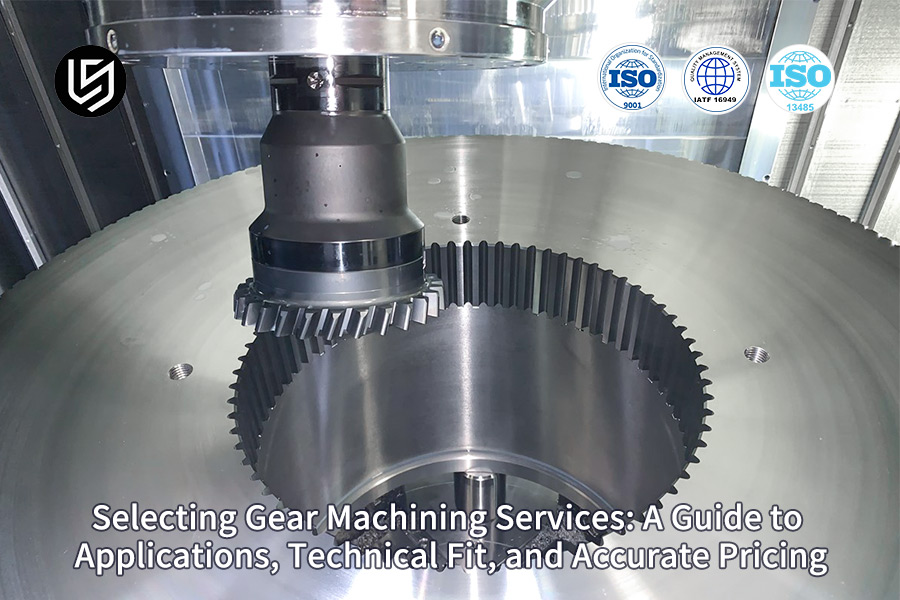
Gear Machining Services Quick Reference Table
|
Service Type |
Process |
Materials |
Applications |
Key Features |
|
Gear Hobbing |
Continuous cutting |
Steel, cast iron, brass |
Automotive, industrial |
High production rate, good accuracy |
|
Gear Shaping |
Reciprocating cut |
Alloy steel, bronze |
Internal gears, splines |
Versatile, complex shapes |
|
Gear Grinding |
Abrasive removal |
Hardened steel |
Precision gears, aerospace |
High accuracy, fine finish |
|
Gear Shaving |
Finishing process |
Soft materials |
Automotive transmission |
Improves surface finish |
|
Gear Milling |
Multi-tooth cutter |
Various metals |
Prototypes, small batches |
Flexible, cost-effective |
|
Gear Broaching |
Linear cutting |
Ductile materials |
Splines, keyways |
High production, one pass |
|
Gear Honing |
Abrasive finishing |
Final finishing |
Corrects errors, smooth surface |
We support gear manufacturers in addressing challenges posed by gear machining by embracing equipment selection based on principles of compatibility and other factors. This practice ensures there is at least 30% project delay reduction with respect to ability assessment related to suppliers, materials, among other factors.
Why Trust This Guide? Practical Experience From LS Manufacturing Experts
This is the sort of credible information since it contains the context of the experience implemented from scratch. We find ourselves in the real-world environment at LS Manufacturing dealing with the same challenges you experience in gear processing—micron accuracy in the aerospace transmission industry through to flawless reliability in medtech actuator applications. These suggestions have now evolved from our success in supplying more than 50,000 precision parts. Every single part was the lifeline since it taught us an invaluable lesson.
The alignment of our processes with the standards for quality has a stringent alignment with the recognized institutions’ standards. We follow closely the environmental and safety procedures used by the US Environmental Protection Agency (US EPA). Moreover, we follow the set rules by the ASM International related to our materials science and heat treatment process in order to make possible the provision of our gearing with a high degree of reliability. The machining process for our gears is conducted in our workshop.
The knowledge we are disseminating in this article is the same that we verify every day in the shop floor of our facility. Be it optimizing the parameters with respect to the process of hobbing hardened alloys or speed versus the accuracy required in high-volume production, the reality is that processes like these are going to be put to stiff testing in the shop floor of our facility at Norton Hannifin – if we are providing high-quality gears in the industry.
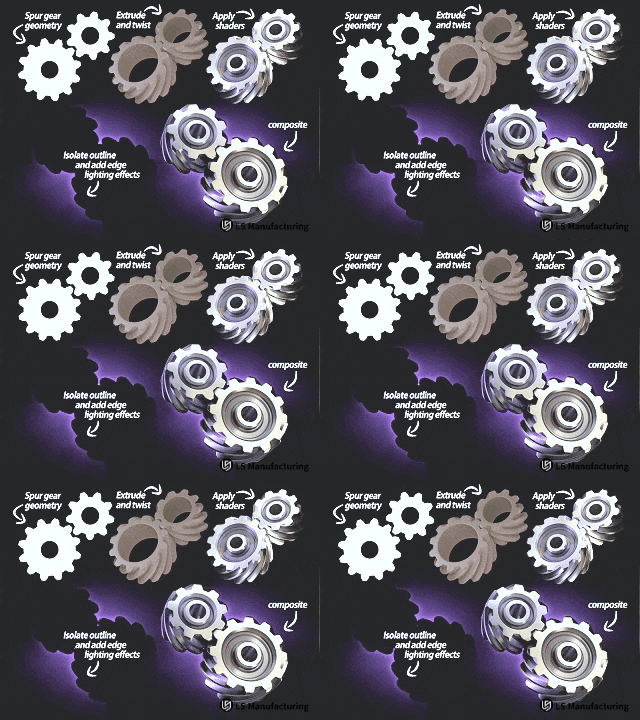
Figure 1: Technical specifications and finishing steps for cnc gear production by LS Manufacturing
How Do Industry-Specific Gear Applications Dictate Manufacturing Requirements?
Gear applications by industry present distinct technical requirements that demand specialized manufacturing approaches. This document outlines key precision standards and performance criteria across automotive, wind power, and robotics sectors, providing actionable insights for high-value technical decision-making.
| Industry | Key Technical Requirements | Precision Standards |
| Automotive Transmission | Noise control ≤65dB, high durability | DIN 6 grade |
| Wind Power | 20-year design life, extreme reliability | GL certification |
| Robotics Reducer | High positioning accuracy, compact design | Tooth profile error ≤0.005mm |
The purpose of this report is to outline the structure of the calculation of gear applications within the respective industries through the usage of technical requirements and precision standards. In highly competitive and highly valued environments, one should utilize cross-industrial databases in order to tailor process solutions to the requirements of performances.

How To Evaluate The Core Technical Capabilities Of A Gear Manufacturing Service Provider?
Procedures for the selection of the suitable partner in the machining of gears involve very technical aspects, where there is a systematic evaluation concerning the integrity of the technical capability as well as the quality system. The document offers a guideline for the appraisal of the service provision partners from the perspective of parameters that can ensure the fulfilment of demands of precise use:
- Equipment Precision Validation: The parameters of the machine are testable. The accuracy of the gear grinding CNC machines of the German firm of KAPP has a DIN 5 grade. The error in tooth profile measurement is 0.003mm. The total pitch error is not more than 0.005mm. The specimens to be checked have to be fixed when the metrology services are sought.
- Process Control Methodology: Examine the extent of documentation of the supplier’s activities and the level of statistical control of the supplier. Noise testing for the VNs needs to include the absence of variations in the surface finish, Ra not exceeding 0.4µm, and the noise level not to exceed 65 dB. A Cpk value of 1.33 or better must be validated in order to ensure that the key process dimensions are equal from process to process.
- Quality System Certification: Ensure ISO 9001:2015 certification with valid scope including gear manufacturing. Review the management of non-conformance and corrective actions at the supplier's site. Check first pass yields of ≥ 99.5%.
- Technical Support Capability: Evaluate engineering skills, competencies, and problem-solving methods. Review design for manufacturability (DFM) feedback that has been collected in the quoting process. Identify the rapid prototyping cycle times. Investigate the successful resolution of difficult technological challenges in specific case studies.
Such a framework would enable the select gear machining partners in a measurable and evidence-based manner through proven capabilities and not just marketing-based assertions. In simpler words, the gear machining partner selection framework would encourage gear manufacturers to target measurable aspects and the integrity of their quality system.
What Are The Key Technical Indicators That Need To Be Met For High-Precision Gear Manufacturing?
Precision gear manufacturing entails the strict management of several technical indicators. These parameters are applied in highly valuable environments. We will clarify in this report the essential parameters together with the implementation procedure that will result in the achievement of sub-micron accuracy control in gear manufacturing:
Tooth Profile and Pitch Accuracy
Provide multi-axis CNC grinding with real-time compensation to keep the tooth profile error within ≤0.003mm, cumulative pitch error within ≤0.005mm. Utilize gear measuring centers for inspecting 100% critical dimensions with resolution of 0.001mm; employ SPC charts for monitoring CpK values ≥1.67 for all tolerance ranges.
Surface Quality and Microgeometry
The surface roughness should be kept within a range of Ra ≤0.4μm by optimal wheel choice for grinding and dressing cycles, whereas the NV noise test should primarily focus on inspecting the micro-geometry of the tooth flank, including changes in leads and profiles according to the load conditions of the application, facilitated by temperature stabilization for dimensional stability during the machine process, which occurs in machine temperatures set between 20±1°C.
Batch Consistency and Traceability
The variation in lots was maintained within ±0.005mm. ISO 9001:2015 certified processes ensured that the variation exists in lots. The components have traces at the material traceability level, process traceability level, and test results traceability. The first pass yield exceeds 99.5%.
It therefore provides a clear way for the precision gear manufacturing with quantifiable technical indicators to improve upon continuously. These designs for closed accuracy control and process optimizations make it feasible to apply the manufacturer for the very specific and demanding techno-requirement of aerospace, robot technology, as well as medical technology.
How Do Customized Gear Solutions Meet The Requirements Of Specific Operating Conditions?
Custom gear solutions are essential for meeting unique operational demands that standard components cannot satisfy. This document details how tailored design approaches address specific technical challenges through precision engineering and specialized processes, ensuring optimal performance in demanding applications:
- High-Speed Applications: For eliminating noise and vibration in high-speed gear sets, we adopt certain profile variations. Regarding our dynamic distribution of loads, to make the gear sets noise-free with an optimized gear profile, an improvement of 3 to 5 dB with least loss in efficiency would have been achieved.
- Heavy-Duty Operations: In heavy-load applications, we enhance gear durability through advanced heat treatment processes. By controlling carburizing depth and tempering parameters, we increase surface hardness while maintaining core toughness, resulting in a 2x service life improvement.
- Special Material Requirements: In the extreme case related to the operational environment, the material specification is as per the special operation specification. For example, the corrosion-resistant material, in the case of the chemical industry, or the high-temperature material, in the case of the thermal environment, will be used.
With Giben, our custom gear solutions enable special requirements for particular demands through meticulous analysis and manufacturing. In fact, the technical know-how of the custom gear services of Giben ensures the efficacy of the components in such tough conditions where conventional gears fail.
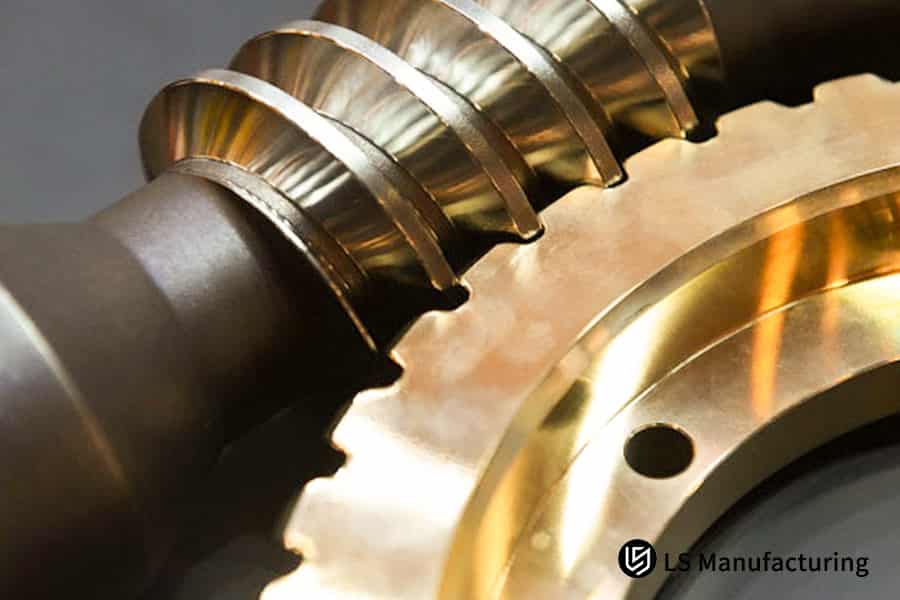
Figure 2: Industrial-grade precision gears designed for operational demands by LS Manufacturing
How To Build An Accurate Pricing Model For Gear Machining?
An accurate gear machining quote must entail a systemic process that involves a number of factors relating to the involved price. The succeeding paper will outline a systemic process to accurately develop a cost model that takes into consideration the price related to materials, processes, and overhead expenses in the generation of profitable quotes:
Material Cost Analysis
Materials costs are calculated in accordance with gear specifications related to material type, blank size, and waste factors. Material costs can be estimated in a very accurate way, keeping in mind the prevailing market rates for a specific volume, based on real material costs and real-time availability information from suppliers.
Processing Time Calculation
The processing time may vary depending on the complexity of the gear and its tolerance level. The computation of the processing time is done in our system. From existing gear products that our company has produced in the past and the efficiency factors of the machine, the setup time, processing time, and secondary time can then be computed for the estimation of overall labor costs.
Heat Treatment and Finishing
We include specialized processes such as carburizing, hardening, and grinding based on gear application requirements. These operations would also automatically be included in the intelligent pricing system by specifying the hardness or surface finishes, to ensure that the cost of all the technical requirements had been calculated accurately.
Overhead and Profit Margin
The cost accounting system sets forth that our factory overhead cost, tooling overhead cost, and quality control cost shall be allocated to each job on an equal basis. Consequently, we can charge and thereby make a profit by varying the rates in our computer system in order to set/establish a data bank of our actual overhead cost of our products.
With our accurate gear machining quote, there is a 95% accuracy level in our quotes. Our process for creating a cost model not only relies on expertise but also on data analysis, helping ensure that factors related to the quote, whether technical or financial, are germane to the final quote price. We can immediately respond to any inquiry.
What Key Factors Should Be Considered When Evaluating Gear Manufacturing Service Providers?
Picking a gear service supplier is the challenging task of looking beyond specifications in order to ensure basic real-world capability. A deep gear service supplier evaluation involves a careful process of capability audit based on assessment criteria that are specifically designed to manage cost and delivery risk. The process below resolves this by carrying the claims and judgment-based possibilities into hard evidence:
Validating Technical Proficiency
On-site audits are carried out on the CNC gear hobber and grinder. In relation to the technical capabilities of the manufacturer, we conduct a representative lot produced to tight tolerances (e.g., the tighter tolerance levels specified in the tougher standard, such as AGMA Class 10), and assess the fundamental parameters related to the tooth profile and lead error on the CMM.
Auditing Systemic Quality Control
It is not only that we assess their ISO certification status; the intensity of implementation is also evaluated. We review their statistical process control charts in terms of size and runout performance in previous production output. Non-conformance reports, or the analysis of their respective corrective action implemented, shall help us determine the intensity of their quality system in appropriately addressing their in-birth deficiencies.
Assessing Project Execution Capability
Their effectiveness in performing projects based upon their commitment regarding the delivery of the work within the given time limits will be considered. Their effectiveness regarding the delivery of the earlier project consisting of the similar complex equipment regarding their issue resolution documented process from design feedback to final inspection.
This gear service supplier evaluation has ensured a comprehensive approach in determining the capability of the suppliers based on the criteria that are measurable. However, the method ensures that the capability criteria assessment is performed through site audits, giving the manufactures the freedom to make the right decisions based on the capability demonstrated by the suppliers but not based on the claim by the suppliers. By implementing the assessment criteria, the manufacturer has the ability to choose suppliers who meet their technical requirements and make a success out of the partnership.
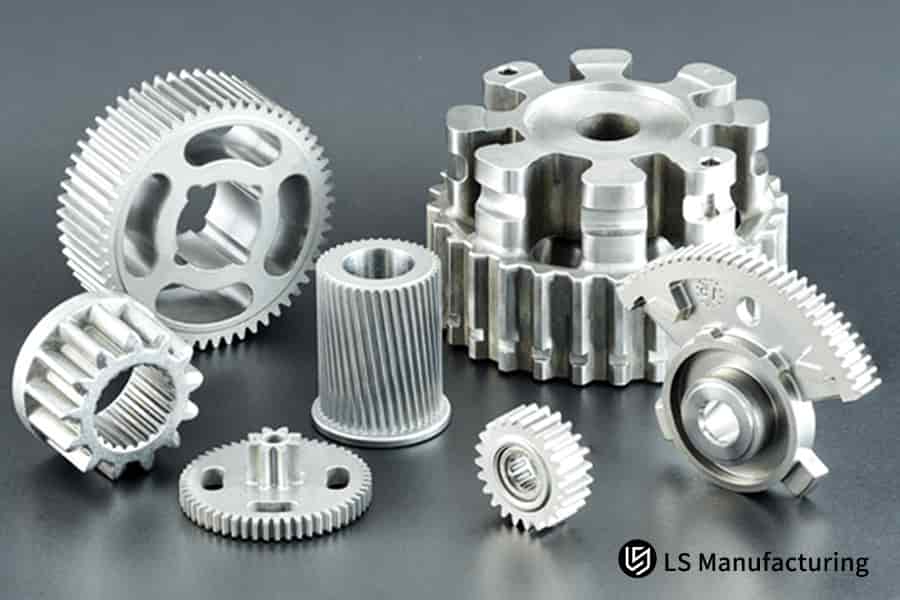
Figure 3: Custom engineered precision gears for specialized manufacturing needs by LS Manufacturing
What Are The Key Differences In The Manufacturing Processes For Gears Made Of Different Materials?
There are differing requirements of processing procedures based on the material differences in each product. This report highlights the parameter optimization in relation to differences in processing technology that exist in steel gear processing, copper alloy gear processing, and engineering plastic gear processing.
| Material Type | Core Process Focus | Key Parameter Optimization | Verification Metric |
| Alloy Steel | Free and residual stresses in the heat-treated process must be stringently controlled. | Working with CBN cutters at relatively low speeds (Processing Speed - 80-150 m/minute). | End hardness-HRC 58-62, minimum. |
| Copper Alloy | To avoid the formation of burrs, work hardening, and deformations. | At very high cutting speeds of 200-300 m/min with sharp carbide tools that are highly polished. | Dimensional stability, surface finish (Ra < 0.8 µm). |
| Engineering Plastic | Prevents deformation due to heating. | High-speed cutting with a cutting speed range of 3000 to 5000 rpm, low material removal rate, and air cooling. | Accurate tooth profile, maintained tolerances post-machining. |
This analysis demonstrates that a one-size-fits-all approach is ineffective for precision gear machining. Success hinges on understanding fundamental material differences and implementing a dedicated processing technology strategy for each. The provided framework enables targeted parameter optimization, ensuring gears meet stringent specifications for hardness, accuracy, and longevity in demanding applications.
How To Ensure Consistent Quality In Large-Scale Gear Manufacturing?
In order to test the gears quality being produced through mass production, it is not sufficient to inspect; rather, there is a need to process control in order to avoid the defect. For example, it is not possible to check the accuracy of dimension, finish, and strength in thousands of pieces. This is the explanation in reference to the process being systematic in order to achieve quality consistency in the data-driven process control.
- Implementing Statistical Process Control (SPC): Control charts have been implemented on crucial characteristics like profile, pitch diameter, and run-out. This is because the sampling is performed on every 25th piece. As soon as we observe the dimension nearing the control limit, we begin the tool change or process change without actually producing any defects. Finally, at critical dimensions, we have specified the value of CPK as at least 1.67.
- Managing Tool Life and Process Drift: The usage of the tools is tracked by utilizing the RFID tags. Additionally, a predictive maintenance schedule is designed on the basis of the material removed. The gear hobbing process involves the use of the cutting force and acoustic emission to detect tool wear before affecting the surface finish and other factors of the gear.
- Establishing Robust Fixturing and Setup Procedures: We use dedicated fixtures with quick-change pallets to minimize setup time while maintaining repeatability. Each setup is verified using a master gear and CMM measurement before production begins. The first-off inspection includes full geometric verification to ensure the process is capable before releasing for mass production.
- Integrating 100% Final Inspection with Feedback Loops: In addition to SPC, besides the provision of real-time process control, the process of 100% final inspection of critical dimensions has also been integrated through vision/CMMs, thereby achieving sustained improvement in process control through the provision of data that provides SPC with process control performance.
In this way, mass production becomes a controlled process rather than a problematic one. Utilizing process control along with SPC, predictive maintenance, and the closed-loop process, we not only ensure specifications on all of our gears but also offer a quality consistency required by applications in the automotive sector, the aeronautic industry, and industry.
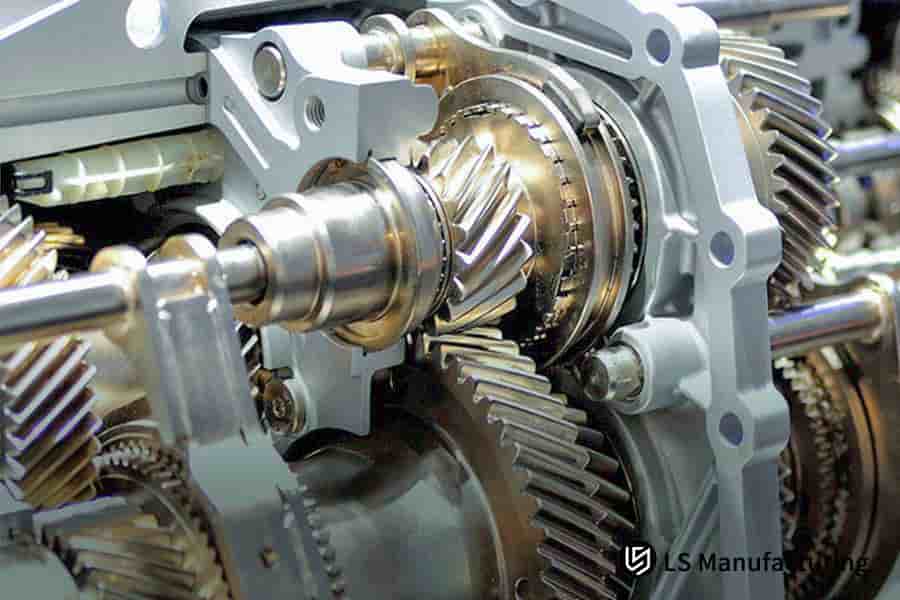
Figure 4: A guide to assessing custom gear production and associated services by LS Manufacturing
LS Manufacturing Robotics Industry: Precision Gear Reducer Customization Project
The LS Manufacturing case was of high importance for a robotics company that needed precise gears for RV reducers. In illustrating how this case was solved at LS manufacturing, it is representative of our expertise at LS manufacturing for such technical requirements for gears:
Client Challenge
In this case, the problem in the robotic supply company is that it needs a gear reducer supplier for RV, which should provide gear reducers made of material 20CrMnTi alloy steel. Moreover, the required specifications by the gear reducer supplier are the position error not more than ±0.001 mm, as well as the noise level not more than 60 dB. However, these technological specifications cannot be met by the normal gear hobbing process. Therefore, the rejection level of 35% is currently being faced, which is due to extremely high noise levels as well as positional errors. Thus, it is resulting in the delay of the customer’s new robotic supply by 3 months, as well as 25% extra costs.
LS Manufacturing Solution
The two-step precision grinding/honing was done in the following way: first, precision gear grinding using CBN wheels to an accuracy of AGMA class 9, the tooth profile error not to exceed 0.005mm; second, gear honing using special abrasives, which ensured the final surface roughness was Ra 0.2-0.4 micron. In addition to the above, it also ensured the best tooth profile modification to counter the thermal distortion effect of the gear under load. This was in full compliant with the echnical requirements for gears.
Results and Value
The designed gears were produced with accuracy standards of DIN class 4 specifications, having repeat accuracy of 0.0008mm beyond customer requirements. The noise has been reduced by 4 dB to 56 dB currently, and its life has been improved to 10,000 hours. The problem related to the rejection rate to the extent of 35% has been completely eliminated, and currently, there has been a reduction in customer TCO by 18%, thus making it possible for the customer's robotic platform to execute the launch with respect to their acquired satisfaction of 100%.
The above case is a typical example of the complex issues that are solved by LS Manufacturing in gear production. Innovation in process engineering, through to the technical requirements for gears, have set a relationship of choice in high-performance applications in robotics and automation in terms of performance.
If your robot joints are facing performance bottlenecks due to the limitations of high-precision gears, our customized precision gear solutions might be the answer you're looking for.

How To Establish Long-Term Partnerships In Gear Manufacturing?
The gearing of manufacturers should also extend beyond the transactional nature of partnerships to include added value through technological partnerships. Customer interactions should continue to improve to include developments in the nurturance of customer-supplier relationships into technological partnerships to ensure shared innovation. This document outlines a framework for building long-term cooperation based on mutual growth and continuous improvement:
Implementing Structured Communication and Review Cycles
We organize technical review meetings on a quarterly basis which not only involve quality aspects, training techniques, and methodology but also have the focus on reducing costs and technical complexities. Our technical review meetings also include problem-solving sessions where our technical staff work in collaboration with the technical staff of our clients on technical complexities in the manufacturing or optimization processes.
Developing Proactive Value-Add Services
Besides bringing the right components to replace the ones which are no longer functioning properly, there are some extra comments related to manufacturability at the prototype stage of manufacturing, which point to trouble spots within these components just before making a tool. A car sector customer minimized their non-recurring engineering expenses by 15% related to manufacturability other than performance properties of gears to attain a 30% reduction in overall lead time.
Establishing Transparent Performance Metrics and Shared Goals
We discuss the introduction of performance metrics related to basic performance factors such as delivery, yield improvement, and cost-reduction initiatives. Thus, it becomes easier for both the parties concerned to work on one particular field where improvement in efficiency is needed. In a robotic manufacturing unit, for instance, total cost of ownership was reduced by 18% in three years.
Creating Flexible Response Mechanisms for Market Changes
We apply our contingency planning and agile capacity solutions for responding to sudden changes in the market demand and changes in design in the market. This includes our protection inventory of key components and rapid prototyping solutions for immediate response solutions for key engineering changes in 48 hours for our partnerships.
Through this paradigm shift, gear production is not a commoditized operation but a collaboration in which both parties work together for shared growth. We instill a long-term cooperation by applying a structured cooperation, value creation, and open management approach in performance.
FAQs
1. How to choose gear machining accuracy level?
As required in the application. For general transmission, DIN 7-8; for precise transmission, DIN 5-6; and for ultra-precision transmission, DIN 3-4.
2. How to optimize the cost of small-batch gear machining?
Through embracing process change SPC and enhancing efficiency of materials, it is clear that LS Manufacturing should be able to maintain small-batch prices no more than 1.3 of large-batch prices.
3. How to choose the gear heat treatment process?
Choice of variation processes for either carburizing/induction hardening depending on the material to facilitate the attainment of the desired hardness gradient.
4. What are the ways to verify the quality of gear machining?
Through multi-dimensional verification such as tooth profile check, check for tooth direction, noise testing, life testing, etc.
5. How can the delivery time for urgent orders be guaranteed?
It offers the Fast Track facility and the delivery time can be reduced by 60% in case of an urgent delivery.
6. Why do you require gear modification?
It has increased meshing speeds, reduced noise levels of 3-5 dB, and an optimized longevity of over 30%.
7. How to choose gear materials?
Choose based on a comprehensive consideration of load, speed, environment, and other factors. Commonly used materials include 20CrMnTi and 42CrMo.
8. What costs are included in the gear machining price?
It shall include the cost of material used in the machine, processing, heat treatment, and testing. Every technical specification is accurately computed within our system to generate a transparent gear machining quote.
Summary
It will allow enterprises to pinpoint the best matched gear machining service provider for optimal project quality, cost, and timeline through a scientific assessment system with precise technical matching.
For a professional solution regarding gear machining or obtaining a quote, please contact the technical staff at LS Manufacturing. Specialists are ready to inspect your individual needs and offer you completely customized and highly accurate solutions using the most advanced technology and knowledge in the industry for maximum performance. Call us today for a consultation and quote based on the individual requirements of your projects.
Get high-precision gears instantly to empower your equipment with precision.
📞Tel: +86 185 6675 9667
📧Email: info@lsrpf.com
🌐Website: https://lsrpf.com/
Disclaimer
The contents of this page are for informational purposes only. LS Manufacturing services There are no representations or warranties, express or implied, as to the accuracy, completeness or validity of the information. It should not be inferred that a third-party supplier or manufacturer will provide performance parameters, geometric tolerances, specific design characteristics, material quality and type or workmanship through the LS Manufacturing network. It's the buyer's responsibility. Require parts quotation Identify specific requirements for these sections.Please contact us for more information.
LS Manufacturing Team
LS Manufacturing is an industry-leading company. Focus on custom manufacturing solutions. We have over 20 years of experience with over 5,000 customers, and we focus on high precision CNC machining, Sheet metal manufacturing, 3D printing, Injection molding. Metal stamping,and other one-stop manufacturing services.
Our factory is equipped with over 100 state-of-the-art 5-axis machining centers, ISO 9001:2015 certified. We provide fast, efficient and high-quality manufacturing solutions to customers in more than 150 countries around the world. Whether it is small volume production or large-scale customization, we can meet your needs with the fastest delivery within 24 hours. choose LS Manufacturing. This means selection efficiency, quality and professionalism.
To learn more, visit our website:www.lsrpf.com.