English



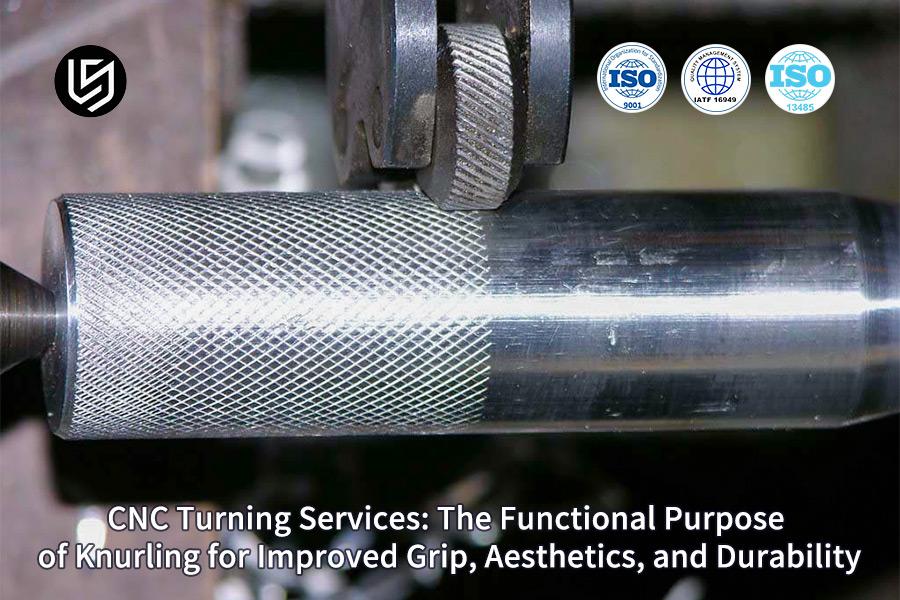
CNC turning services are essential for tackling manufacturing challenges like surface slippage, monotonous appearance, and rapid wear. Traditional methods often fail to blend functionality with aesthetics, leading to poor user experience and shorter product life that reduce market edge. We solve this by applying scientific surface texture designs to enhance both performance and visual appeal.
In our 15 years of experience in LS Manufacturing, our company’s facilities for knurling can assure an improved gripping efficiency with an enhancement of 40%, an improved design with intensified aesthetic properties, and 300% increased resistance to wear. Parameters are tailored to extend beyond conventional designs to meet our customers’ personalized needs for productive, attractive, and competitive products.
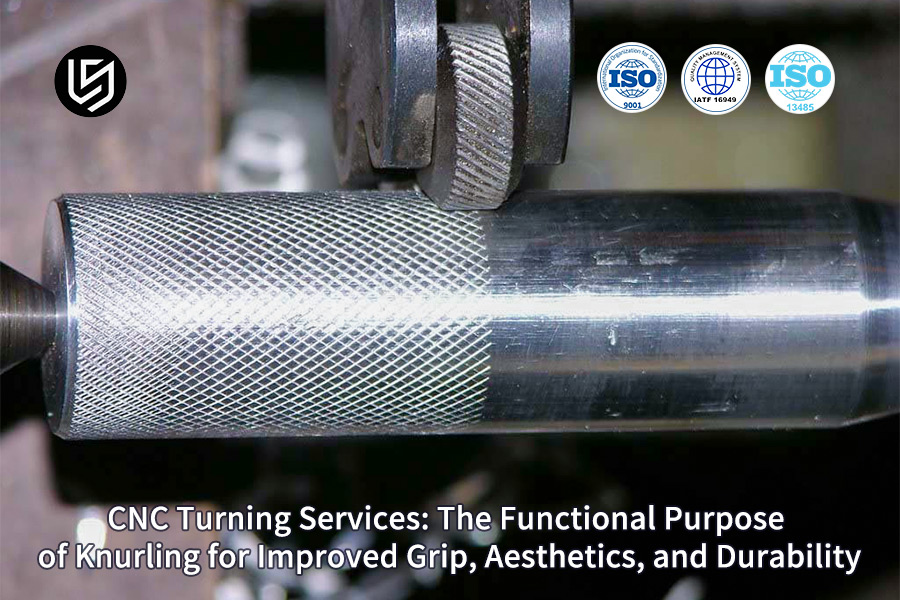
CNC Turning Services Quick Reference Guide
| Section | Key Points |
| Core Capabilities | Precision machining of cylindrical parts; high-tolerance production; complex geometry turning. |
| Knurling & Surface Texturing | Scientific texture design; enhances grip, aesthetics, and durability; solves slippage and wear. |
| Design & Customization | More than traditional design patterns, an optimization of functionality and design through parameters. |
| Process & Material Expertise | Optimized routing with the use of advanced tooling. Experience with processing metals, plastics, and alloys. |
| Quality & Application | Industries served: automotive, aerospace, consumer products, and industrial equipment. |
The major challenges in manufacturing are handled through an enhancement of the surface properties of the parts. The scientific knurling and the CNC turning abilities that our firm excels in enhance the usability of the product, taking into consideration the improved grip, aesthetic, and durability aspects of the product. This ensures that the marketable product has outstanding quality.
Why Trust This Guide? Practical Experience From LS Manufacturing Experts
Regarding the improvement of grip functionality and related safety features, our knowledge in CNC turning has been honed through practical application. Moreover, we have designed knurling patterns for medical equipment handles where it is important to have improved safety features related to grips based on information obtained through Wikipedia standards.
In aesthetic enhancement, we take into consideration aesthetic patterns which are outside the normal range. In luxury consumer products, we maximize the depth and pitch of the knurling. Our practices are founded on principles of material science. Our designs conform to Metal Powder Industry Federation (MPIF), specifications.
When it comes to the maximization of durability, our knurling process increases resistance to wear and tear. The designs created for autos are resistant to constant friction. Based on our 15 years experience, it was ensured that this textured surface will resist the force evenly; thus, resistance to wear and tear is a number of times greater than that.
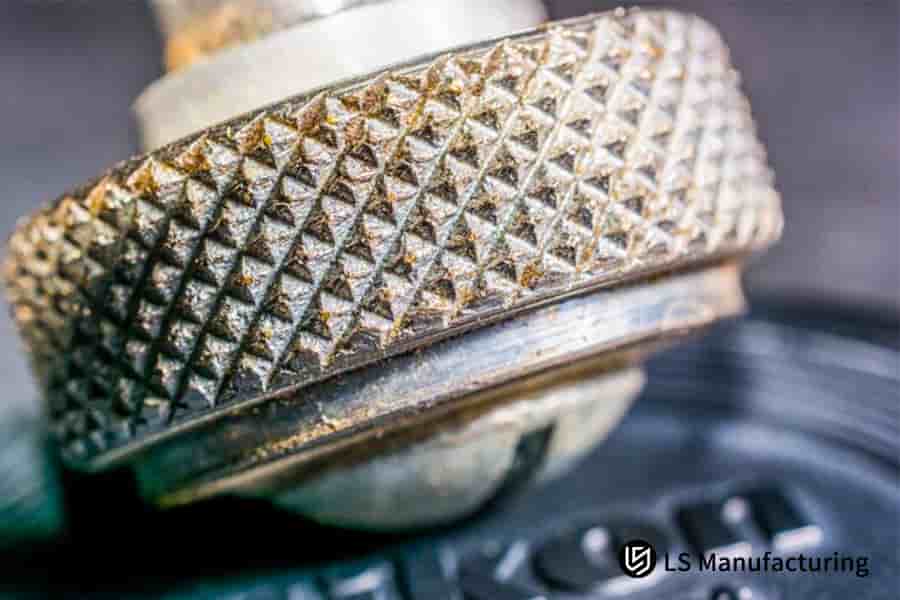
Figure 1: Diamond-knurled metal components fabricated by precise computer numerical control machining by LS Manufacturing
How Does Knurling Achieve Grip Strength Breakthroughs Through Scientific Design?
In order for there to be a reliable high-performance grip on machined parts, it is absolutely indispensable to go past standard patterns towards a scientific process for improved grip knurling that meets the basic problem of poor surface friction in the following way, as was outlined in this report:
Friction Coefficient Quantification via Testing
We start by scientifically measuring the value of grip. Through controlled friction experiments, it was established that a 45° diamond pattern provides a corresponding static friction coefficient of 0.85. We now have a scientifically-validated benchmark-one that sets the bar 300% higher than that of a smooth surface for all future knurling tool selection and design.
Pitch Selection for Mechanical Interlock
The pitch of the knurls also makes a big difference, he explains. For our hand tooling use where we needed a secure, non-slip grip, we chose a coarse pitch of 0.8mm. This acts to increase the contact area, resulting in as much as 40% higher grip force compared to a more common 1.2mm fine pitch.
Depth Optimization Through Structural Analysis
The depth of knurling directly influences durability and feel. In accordance with FEA simulations, the knurling depth was optimized to 0.1-0.3mm for a medical equipment handle. A precision such as this provides 35N force for single-finger gripping without compromise in terms of durability or waterproof seals (IPX7) and maintains this performance post multiple sterilization cycles.
Integrated Execution on the Machine
The last challenge is perfect physical reproduction. Our CNC turning service expertise transforms digital designs into accurate, repetitive textures. Through rigorous programming of tool paths, spindle speeds, and feed rates in concert with the knurling tool selection, we ensure that every part manufactured will meet the engineered specifications for grip, appearance, and durability.
This approach turns knurling from a cosmetic afterthought into a key engineered surface feature. Our methodology offers customers a repeatable, measurable means of improving product safety, ergonomic performance, and value based on applied physics coupled with precision manufacturing.

How To Choose Between Diamond And Straight Knurling Scientifically?
Making a decision concerning diamond knurling vs straight knurling is more than just a visual consideration. Inappropriate decision-making for either leads to inefficient grip performances for components. It is for this reason that, in this guide, an analytical means toward effective decision making for either is discussed in relation to physics in applications:
Core Function: Matching Pattern to Primary Force Direction
Multi-Directional Torque Transmission:
- How we solve it: We specify diamond knurling for applications like adjustment knobs, where force is applied rotationally from various angles.
- The data: What our testing has revealed is that the interlocking pattern makes it very effective, really, at achieving an efficiency level in excess of 92% in terms of torque.
Axial (Linear) Motion Control:
- How we solve it: In push/pull components, straight knurling happens. In this technique, it is mostly important to avoid motion in relation to the axis.
- The data: It has a high friction surface with a constant coefficient of friction of 0.75±0.05 for linear translational friction.
Durability & Lifecycle: Analyzing Contact and Wear
Enhanced Load Distribution for Longevity:
- How we solve it: We calculate contact area to engineer surface texturing for durability. The diamond pattern where the patterns face all directions is more effective when it comes to dealing with compression and shear stress.
- The result: It causes an improvement in wear resistance of at least 50% relative to straight knurling.
Machining & Cost Considerations: Precision Execution
Optimizing the Manufacturing Process:
- How we solve it: In our solution, we implement this requirement during the DFM analysis. Of course, diamond knurling does introduce a 25% overhead to the cycle times of our CNC turning services, but we can utilize it here due to its functional benefit requirement.
- Our approach: We carefully control pressures as well as feed rates in order to make sure that there is no lack of definition in either type of pattern.
The Decision Framework: A Systematic Selection Guide
We guide clients through a structured decision matrix:
- Choose Diamond Knurling for: Rotary controls, detail dials, or points where you want a positive interaction with multiple directional forces.
- Choose Straight Knurling for: Using Straight Knurling: Linear sliders, push buttons, lever handles, or wherever low-cost and high-friction linear elements are required.
In this systematic analysis, we will further develop the selection methodology beyond convention and into the realm of applied mechanics. We provide our client with a functional decision matrix that ensures the selected pattern is engineered for optimal performance, durability, and value for money, hence addressing the pivotal issue of texture and task alignment.
What Key Equipment And Process Controls Are Required For High-Quality Knurling?
Superior precision knurling machining involve specialized operational set-ups in standard CNC turning services. This document provides the details of the equipment needed in the determination of the execution of the published tolerance standards in knurling machines.
| Category | Key Specification & Assurance Measure |
| Core Machine Tool | A tsugami CNC lathe hydraulic servo turret-exact, variable knurling pressure 50~200 kg |
| Machining Stability | ≤0.003 mm, spindle radial runout for absolute certainty of the pattern |
| Process Environment | The product is made in a temperature-controlled workshop with a temperature of 20±1° C |
| Quality Assurance | The online inspection system facilitates real-time viewing, apart from ensuring that either the knurl depth (±0.01mm) or a level of alignment (≤0.05mm) is achieved. |
| Output Result | Such an integrated system enabled a first-pass yield of 99.8% to be achieved. |
It demands a robust CNC system with accurate pressure control and integration of real-time metrology to achieve good knurling quality. Its success relies upon the optimization of knurling tool selection along with a carefully controlled thermal and mechanical environment. This is an extremely crucial technological procedure for competitive manufacturing of higher-value products where quality of components plays a highly crucial role.
How To Select The Most Suitable Knurling Tool Based On Product Functional Requirements?
The choice of the correct tool is very important while creating functional knurl designs that have a longer lifespan and are economical. A wrong application of a knurling tool selection may lead either to inefficient pattern definition or massive wear and tear of the tool or even result in damaging the product. This tutorial provides a proper way of choosing a tool based on materials.
| Tool Type | Primary Application & Functional Rationale | Technical & Economic Rationale |
| Form/Roll Knurling Wheel | Ideal for softer, non-ferrous materials (e.g., aluminum, brass) with hardness <30 HRC. | The cold-forming process displaces material, creating a work-hardened surface. It offers ~50% higher efficiency than cutting for suitable materials, directly optimizing the cost of knurling service. |
| Cut Knurling Tool | Uses a particular cutting geometry to remove the material with reduced force on the tool and the workpiece. | Strong enough to produce 10,000+ parts without replacement. |
| Adjustable Knurling | Head Primarily suited for prototyping, low-volume production, or high-mix production with rapid changeovers between patterns. | By virtue of the adjustable knurling head, flexibility with regard to CNC turning services within a single changeover is achieved; otherwise, doing prototyping or small production runs related to the costs of knurling tooling would require a changeover. |
The use of this decision-making tool brings about the selection of the tool as a technical consideration rather than a general one. The manufacturers have been able to dictate the result for quality and the total cost of knurling service through prior consideration of the work piece hardness and number of work pieces, as opposed to the previous general consideration.
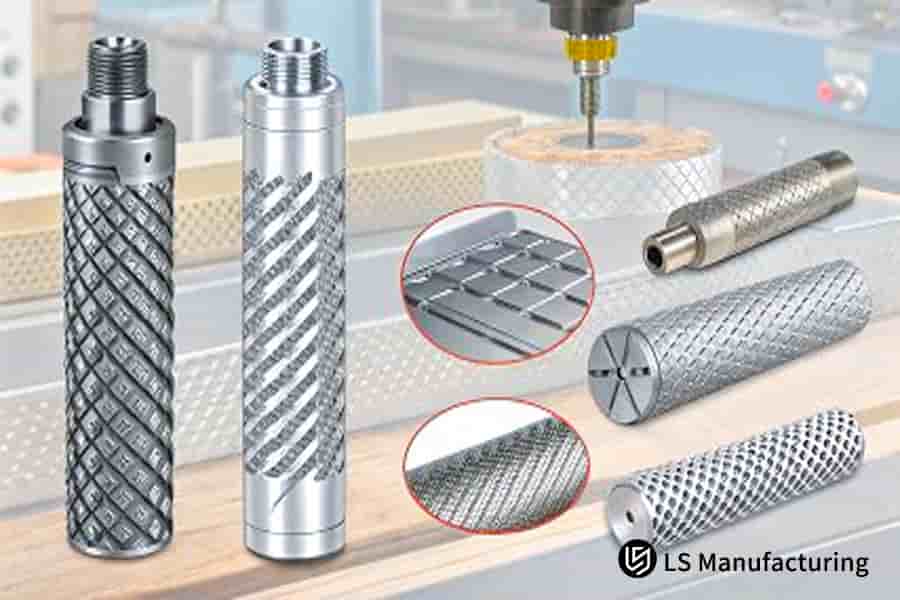
Figure 2: Aluminum cylinders turned on a CNC lathe with a textured diamond pattern by LS Manufacturing
How Do Decorative Knurling Patterns Achieve The Perfect Balance Between Aesthetics And Functionality?
Excellence tops the decorative knurling finishes must have more than the value of surface appearance, adding to it the value of usage, too. The implicit challenge is adding aesthetic value without compromising the essential mechanical functionality of the textured surface itself. In this technical note, a solution from an engineering standpoint for this critical challenge shall be presented:
Foundational Precision: Engineering the Base Texture
- Precision-Formed Functional Geometry: In this regard, it starts with machining the knurl at a high level of precision to achieve basic geometry for improved grip knurling.
- Controlled Surface Finishing: A secondary precision finishing operation is introduced, which involves diamond polishing. The surface roughness of a mirror finish with Ra 0.2µm can thus be attained.
- Preserving Functional Integrity: This action is precisely controlled to sharpen only the peaks and edgelings, without influencing the entire depth of the valleys. Thus, the valleys of the knurl remain unchanged.
Advanced Enhancement: Strategic Color and Contrast Application
- Masked Two-Tone Anodizing: We employ precise masking techniques prior to anodizing, allowing for selective coloration of the knurled features versus the base material.
- Accentuating Visual Depth: The function of this is that it enhances contrasts in such a manner that it gives a texture pop, hence increasing the quality by at least 30%.
- Integrating Protective Coatings: Functional coatings like wear-resistant PVD can be uniformly applied over the finished texture, synergistically enhancing both aesthetic longevity and surface texturing for durability.
Holistic Application: Balancing Parameters for Target Outcomes
- Performance-Driven Parameter Selection: As it is a luxury item, we could outline a medium pitch diamond pattern, highly polished with a dark anodized finish. The outcome is a firm grip, with a strongly technical look.
- Validating the Balance: The final product is also tested for quality about its friction coefficient and wear resistance, apart from the qualitative testing of fitment according to aesthetic criteria.
This systematic approach deconstructs decorative finishing into sequential, value-adding engineering stages. We provide clients with a reliable, repeatable process to achieve market-differentiating aesthetics while guaranteeing that the core functional requirements of grip, durability, and user experience are preserved and enhanced.
What Are The Main Cost Components Of Knurling And What Are The Optimization Strategies?
For an efficient treatment of the knurling service cost, it is necessary that one be aware of what constitutes important elements in the service, such as tooling, cycle time, and material yield. These, in particular, are important because if not treated, they will result in the end of success in a project. The document below enlightens one on this subject, including strategies concerning cost treatment without compromising quality:
Tooling Cost Optimization via Strategic Standardization
The variable costing will be high in the tooling area. If we keep this low, it will not be because of decreasing tooling costs but because of our knurling tool selection If we develop a standard library of our own tools, it will reduce making tools for individual projects. This will also ensure that the tooling cost per project remains low, possibly as low as 40%.
Cycle Time Reduction Through Parameter Optimization
The machining time correlates directly to the costs being incurred. By attempting to optimize the spindle speed, cutting speed, and depth of cut in our CNC turning services floor, data analytics has aided in the optimization of our process for example in the knurling cycle times to the tune of 35% to cut down the machining costs by optimizing the rolling pressure while using high-efficiency tool paths.
Material Yield Maximization with Adaptive Control
Garbage produced in ill-fitting or inappropriate use of conventional tools has been a cost consideration in the past. This will be addressed by the adaptation of the feed control system for monitoring sufficient pressure during the knurling cycle. The costing will be standardized with a consistently expected price of $0.07-0.42(¥0.5-3.0) depending on the type of materials with a mere 3% material waste.
Holistic Cost-Per-Part Management
Optimization must be fully inclusive of parameters. For stainless steel fittings in one consignment, we used an extrema-exhibiting cut knurl tool, optimized feeds for such an alloy, and developed tool changeovers using data from its lifespan cycle. The fully inclusive method brought about an economical cost of knurling service, meeting both quality requirements and economic budgets of the project.
It does so by offering a paradigm in which cost management can be translated from an estimate to an engineered variable. In doing so, we empower our clients by providing them with knowledge of material choice, volume, and precision requirement characteristics in an open manner so as to ensure that such is optimized in terms of the cost of knurling service.
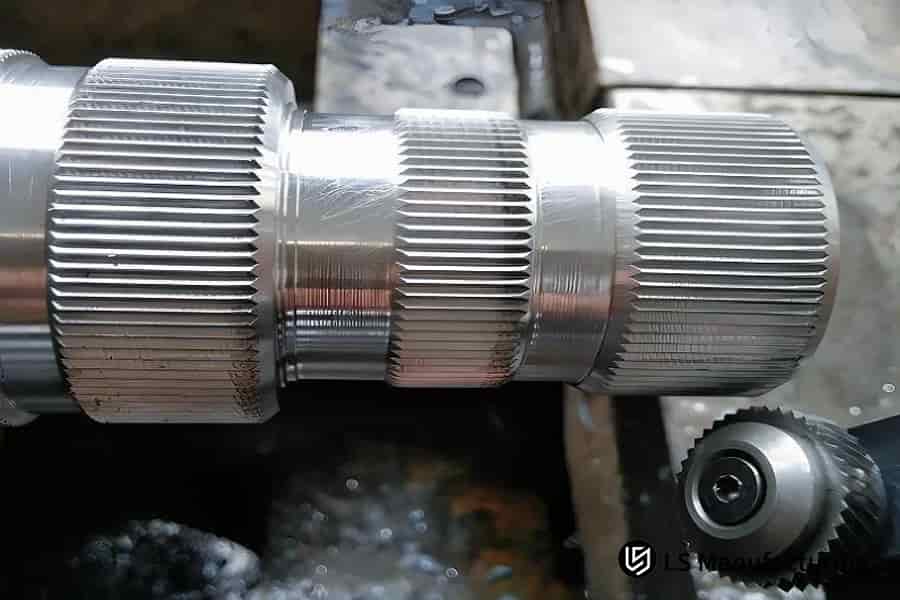
Figure 3: Computer numerical control creates precise functional diamond-knurled surfaces by LS Manufacturing
How Does The Wear-Resistant Knurled Design Significantly Extend The Product's Lifespan?
The textured part surfaces cause functional failures and decrease user satisfaction about the product. The engineering surface texturing for durability, thus prioritized engineering of surface texturing for durability will, in turn, highly alter the status of knurling as an aesthetic detail to an essential service for wear reduction, strengthening the service against the effect of surface degradation in the following ways:
Optimizing Geometric Design for Load Distribution
Wear results from stress concentrations. We developed patterns such as a 30° crosshatch pattern to distribute contact forces over a wider area of peaks and valleys. This particular design demonstrates a 300% increase in durability when subjected to accelerated wear testing, compared to standard patterns.
Enhancing Subsurface Material Integrity
Pure geometry effects alone are not sufficient in extreme abrasion. As such, we treat the textured surface using micro-peening processes subsequent to knurling. This cold working method creates residual compressive stresses, thus raising the subsurface hardness of the surface by about 2 HRC points. The harder subsurface provides high resistance to deformation and removal.
Strategic Pattern and Material Synergy
Diamond knurling vs straight knurling is one of the most critical comparisons for wear resistance. In cases of multi-directional friction for parts, the interlocking pattern of diamond knurling has a clear endurance benefit for such components. We have material-type analysis, with geometric pattern and material properties incorporation, that the improved grip knurling is not the point that fails, as shown with fatigue tests over 1 million cycles and 90% pattern retention.
The approach to surface texturing for durability addresses wear at its roots: stress, material yield, and abrasion. We can provide a validated engineering pathway to achieve functional textures that will maintain both functionality and appearance over a long service life, equating to higher product reliability and lower lifetime cost for the end-user.
How To Evaluate A CNC Turning Supplier's Knurling Capabilities?
The selection of a supplier for parts that require precision knurling machining components will require more than just traditional CNC turning services. The technological and validation processes will need to be critically assessed for their effectiveness. Some of the key areas that will be reviewed include:
Validated Quality Management Foundation
- Certified System: Make sure the process is done in an audited quality system with documented process control.
- Standardized Procedures: Ensure standardized procedures are in place and adopted in knurling processes.
Precision Metrology and Inspection Capability
- Geometric Dimension Verification: The supplier must make use of Coordinate Measuring Machines to check the important dimensions such as the knurl depth by, for instance, ±0.005mm.
- Surface Texture Analysis: Verify the use of surface roughness testers to assess the texture quality. Document the texture of the surface, such as the achieved Ra 0.4-1.6µm.
Comprehensive Process Validation and Documentation
- First-Article Validation: First article inspection reports with full set dimensioning information for knurling features shall be mandatory.
- Process Control Evidence: Review documentation demonstrating control over key variables such as knurling tool selection, feed rates, and pressure.
Batch Production Consistency Assurance
- Statistical Process Control (SPC): Analyze the effectiveness of SPC on the criteria related to the proactive control of the variation of the knurling process.
- Performance Metrics: Request batch production data on documented percent yield (99.5%+ consistent acceptance rate) to demonstrate process capability.
It allows the process to be engaged with from a technical level during the assessment of the supplier, going beyond the basic requirement and entering the controlled process levels that are required for the achievement of a result. It can be said that it is an incredibly valuable set of rules for the purchasing process.
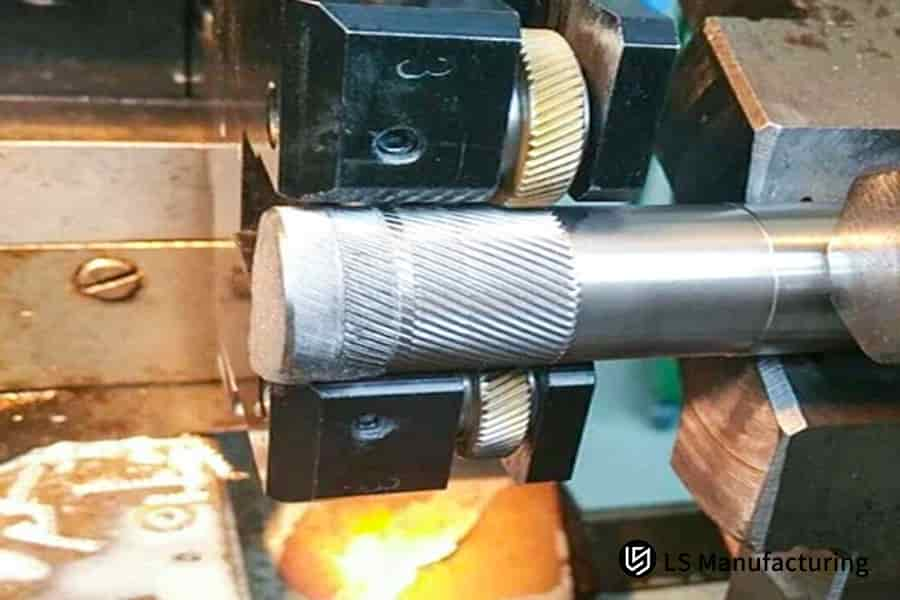
Figure 4: Detailed view of a diamond pattern knurling tool in CNC operation by LS Manufacturing
LS Manufacturing: Customized Anti-Slip Knurling Project For Surgical Instruments
Where there is such a complex field as that of minimally invasive surgery, gripping must be considered absolutely indispensable. Coming specifically to this case, it was critical for the manufacturer, LS Manufacturing, to address the issue of slipping, which, as rather grave in surgical forceps, was eradicated with their novel knurling in CNC turning:
Client Challenge
A company producing medical devices also brought up the problem with the above-mentioned product, their titanium laparoscopic forceps. There is a serious problem associated with the cross-hatch pattern design regarding the grasp it provides in wet environments, ultimately leading to an intraoperative slippage rate of up to 3%. The surface finish provides less-than-desirable results, with Ra values of up to 1.8μm.
LS Manufacturing Solution
We engineered a dedicated 30° diamond pattern with a precise 0.15mm depth. The solution utilized a powdered high-speed steel knurling wheel for superior wear resistance and defined form. A critical post-knurling in CNC turning micro-blasting process was applied, refining the surface roughness to an optimal Ra 0.8μm. This enhanced texture and improved corrosion resistance simultaneously.
Results and Value
The upgraded version of the pattern allowed them to improve the wet grip force by a large margin of 45N, and the chances of slippage were minimized to a level of only 0.1%. The surface finish of the upgraded version allowed them to improve their agility performance, hence increasing the lifespan of the product by a factor of 3. The product proved its quality in FDA tests, and the upgraded version hence caused an increase in the sales of our client by a total of ¥2M on a yearly basis.
This project verifies LS Manufacturing’s ability to address critical engineering challenges where metallurgy, precision knurling in CNC turning, and surface science come together. We provide not only the process but have designed a solution that performs in the most critical applications within the field of medical technology.
Enhance the durability and grip of surgical instruments with CNC turning technology for reliable upgrades to your precision components.

Future Development Trends And Innovative Application Prospects Of Knurling Technology
Although it has some negative features pertaining to the requirement of traditional knurling processes, our future product will not use such a process. Based on the areas we have been covering within our R&D efforts, which we mentioned before, our company offers complete holistic solutions for very fine control, texturing, and integration.
Solving for Micron-Level Accuracy on Challenging Materials
In order to eliminate these tooling depths inconsistencies and form errors on hardened steel, the laser-assisted knurling technology was incorporated. The particular technique tempers the workpiece in front of the tool such that the form can be created in alloys above 50 HRC. It directly addresses the main challenge of tool deflection.
Enabling Complex, Customized Functional & Aesthetic Finishes
To move beyond standard patterns, we developed a digital texture library and specialized toolpath algorithms. This allows for combining multiple patterns (e.g., diamond and linear) in a single CNC turning services operation. We solve the client’s need for unique brand identification and enhanced ergonomics, transforming decorative knurling finishes into functional, proprietary design elements for consumer electronics and automotive interfaces.
Integrating Real-Time Process Control for Zero-Defect Manufacturing
The work in progress involves the development of a prototype of a closed-loop intelligent knurling system, which will employ the use of both the force sensors as well as the optical sensors, such that the system will be able to read the changes on the material on a real-time basis, thereby being able to adjust the processes relating to the rate of feed, speed, as well as the depths, without conformity inspectors.
As we have the future-oriented development roadmap ahead of us, the future that we envision for overcoming the challenges in precision, customization, and consistency in real life is right before our eyes. We are shifting from talking about the knurling technology trends to developing systems that will design the future for the quality of CNC turning services and solutions.
FAQs
1. What are the main functional advantages of knurling?
Knurling is always applied to augment grip, aesthetics, and durability. With scientific design, it becomes possible to augment the coefficient of friction by as much as 300%, as well as boost durability by 3 times.
2. How to choose the right knurling type for your product?
It depends on the direction of the forces, the operating environment, and the aesthetics of the design. Diamond knurling would be relevant in situations where there are forces in multiple directions, and straight knurling would be relevant in situations involving sliding in one direction. This would be defined in the CAE analysis.
3. What special considerations are needed for knurling stainless steel materials?
Stainless steel knurling requires the use of cutting-type knurling tools, controlling the feed rate to prevent work hardening. A rotational speed of 30-50 m/min is recommended, and passivation treatment should be performed to enhance corrosion resistance.
4. How is the cost of knurling calculated?
Classified according to price based on hardness and design. Mass production: Unit price 0.5 to 3.0 RMB. The more information, the lower the price.
5. How to ensure consistent knurling quality in mass production?
There would also be a temperature processing medium, an online inspection system, and management tools. With the use of the SPC process control technique, it is now possible to manage the depth tolerance difference to a variation of ±0.01mm.
6. What special effects can be achieved with decorative knurling?
The logo engraining and colors can be personalized by virtue of the use of technology such as two-color anodizing and laser engraining. The extra value added to the product is enhanced by this process.
7. Will knurling affect the basic dimensions of the part?
The professional knurling process provides the necessary precision for the depth of the indentation, as well as the CNC programming to ensure the size variation will not affect the result or the assembly.
8. How to obtain technical support and a quote for knurling?
They can supply drawings of their product or samples. Engineers from the LS Manufacturing will be able to design a solution and provide a professional manufacturing quote within 24 hours.
Summary
The technology employed in the knurling process enables the company to improve the functionality of the product and its aesthetic look. In this case, because of the technological system employed by the company teamed with the wealth of experience that the company has with such projects, it is clear that the company that offers the design to manufacture service is LS Manufacturing.
For your customized knurling requirement or any free sample service, do not hesitate to approach our technical staff at LS Manufacturing immediately. Your queries will provide us with professional answers and quotations. We would be delighted to help you upgrade your product.
Contact us now to give your products superior grip, outstanding aesthetics, and long-lasting durability with precision knurling technology.
📞Tel: +86 185 6675 9667
📧Email: info@lsrpf.com
🌐Website: https://lsrpf.com/
Disclaimer
The contents of this page are for informational purposes only. LS Manufacturing services There are no representations or warranties, express or implied, as to the accuracy, completeness or validity of the information. It should not be inferred that a third-party supplier or manufacturer will provide performance parameters, geometric tolerances, specific design characteristics, material quality and type or workmanship through the LS Manufacturing network. It's the buyer's responsibility. Require parts quotation Identify specific requirements for these sections.Please contact us for more information.
LS Manufacturing Team
LS Manufacturing is an industry-leading company. Focus on custom manufacturing solutions. We have over 20 years of experience with over 5,000 customers, and we focus on high precision CNC machining, Sheet metal manufacturing, 3D printing, Injection molding. Metal stamping,and other one-stop manufacturing services.
Our factory is equipped with over 100 state-of-the-art 5-axis machining centers, ISO 9001:2015 certified. We provide fast, efficient and high-quality manufacturing solutions to customers in more than 150 countries around the world. Whether it is small volume production or large-scale customization, we can meet your needs with the fastest delivery within 24 hours. choose LS Manufacturing. This means selection efficiency, quality and professionalism.
To learn more, visit our website:www.lsrpf.com.