English



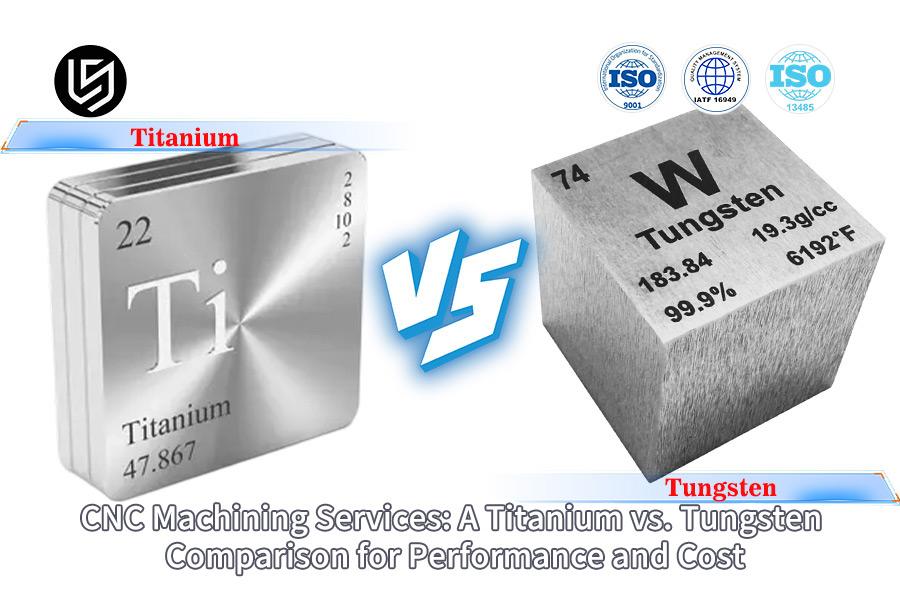
CNC Machining Services are pivotal in guiding the titanium vs. tungsten selection, a key technical and economic decision. It involves a multidimensional trade-off: titanium’s strength-to-weight ratio and corrosion resistance versus tungsten’s density and thermal resilience. This choice must also balance material properties against machining challenges—like titanium’s gumminess and tungsten’s hardness—which directly impact tooling, production timelines, and total project cost.
The problem arises from a traditional mind-set that ignores the entire framework necessary for evaluation with regard to cost and performance. There is concern with regard to material cost for far too much and with regard to cost of manufacture variables for far too little. Therefore, cost of ownership turns out unexpectedly high. This paper will draw from knowledge at LS Manufacturing for the past two decades regarding difficult to cut materials and create a science-based solution to material selection criteria with optimal balance of cost and performance.
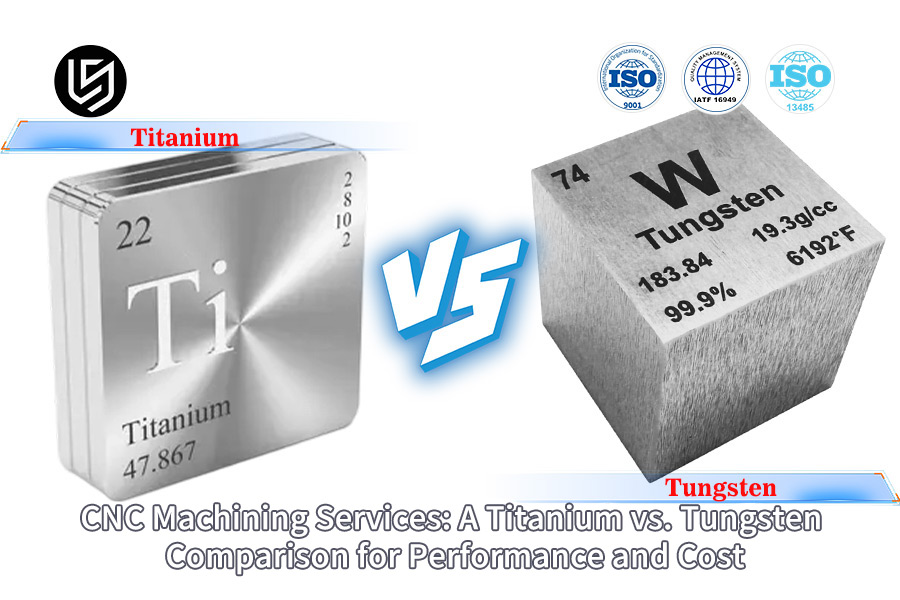
Titanium VS Tungsten: Quick Reference Table
| Parameter | Titanium | Tungsten |
| Density (g/cm³) | 4.5 | 19.3 |
| Melting Point (°C) | 1,668 | 3,422 |
| Tensile Strength (MPa) | 900-1,200 | 1,000-1,500 |
| Hardness (HV) | 250-350 | 300-500 |
| Thermal Conductivity (W/m·K) | 6.7 | 173 |
| Machinability | Difficult | Extremely Difficult |
| Cost (Raw Material) | High | Very High |
| Corrosion Resistance | Excellent | Good |
| Weight | Light | Very Heavy |
| Applications | Aerospace, Medical, Marine | Cutting Tools, Armor, Electrical |
Titanium CNC machining brings better strength-weight and corrosion-resistant qualities to airplanes and biomedical applications. It offers extreme hardness and density to cutting tools and protective equipment, although it is heavy and brittle, thereby making it comparatively less suited for other uses too. The material to be chosen would depend on whether it has to be made lighter and perform better, or offer higher density and wear resistivity.
Why Trust This Guide? Practical Experience From LS Manufacturing Experts
This manual is valid since it has been drawn up from more than 15 years of hands-on experience in the machining of critical machine parts, since more parts than can ever be counted have been machined using both titanium and tungsten. A total of more than 50,000 parts, which have a complex nature since the choice of materials could not ever be academic, have been machined.
The skill sets provided are then exclusively targeted in the area typified by the trade-off of titanium and tungsten. The machining involved in titanium related to the aerospace structure, characterized by strength to weight properties as an absolute requirement, and machined tungsten in its component form pertaining to the absolute capability pertaining to its properties related to density and heat properties, it is in this direct knowledge skill set area that we, as providers, provide you practical guidance not encompassed in any area described by the specification sheet.
In relation to ensuring the maximum possible level of fidelity with regard to our recommendations, the materials process involved with our system is strictly dictated by industry-approved norms formulated by respected entities such as National Association for Surface Finishing (NASF) or Aluminium Association (AAC). This rationale is to ensure thatwe are informed regarding the latest technological best practices within our industry, thus allowing us to provide an optimal level ofquality with regard to our recommendation results.
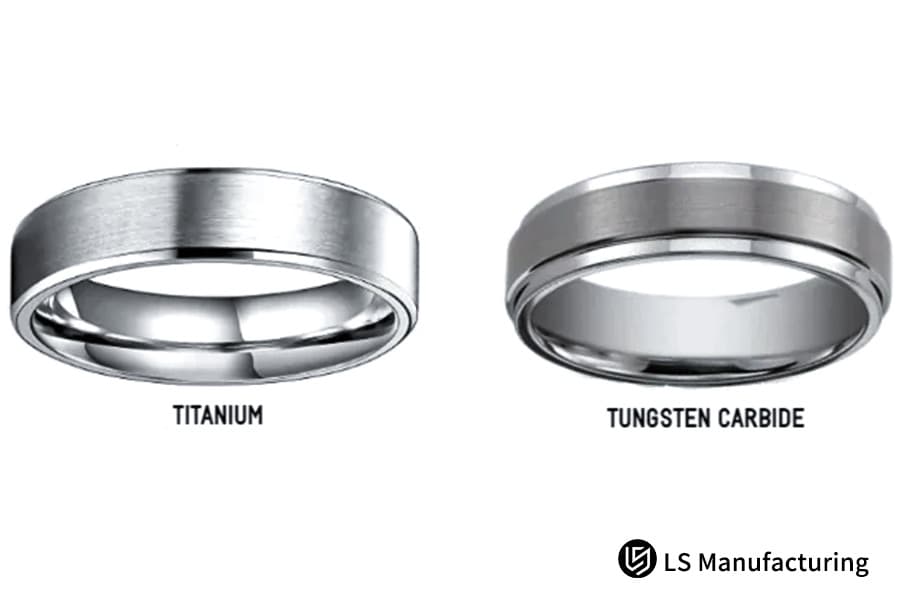
Figure 1: Selecting optimal materials for titanium and tungsten carbide machining by LS Manufacturing
What Are The Core Differences Between Titanium Alloys And Tungsten Alloys In CNC Machining?
Titanium vs tungsten in CNC machining are frequently based on material comparison. The titanium advantages include excellent strength-to-weight ratio, high corrosion resistance. The disadvantages of titanium are that it has a tendency to gall. The advantages of tungsten include great density, very high melting point. This material comparison directly impacts machining strategies, tool selection, and overall production costs.
|
Property |
Titanium (Ti-6Al-4V) |
Tungsten (Pure) |
|
Density |
4.5 g/cm³ |
19.3 g/cm³ |
|
Melting Point |
1,668°C |
3,422°C |
|
Hardness (Vickers) |
150-200 HV |
343 HV |
|
Tensile Strength |
950-1100 MPa |
1510-1650 MPa |
|
Thermal Conductivity |
Low (6.7 W/m·K) |
Moderate (173 W/m·K) |
|
Machinability Rating |
Medium (50%) |
Low (40%) |
In summary, the key point for titanium vs tungsten machining is to choose a different approach. Due to the work hardening feature of titanium, we have to use sharp cutting tools and adequate cooling systems. For tungsten’s feature of hardness and high wear resistance, we have to use special carbide tools and lower cutting speed. In this material comparison, we can see that we have to select the proper material in accordance with specific application conditions and machining condition.

How To Choose Between Titanium And Tungsten For CNC Machining?
How to choose titanium tungsten for CNC machining requires systematic material selection based on specific application requirements. The process of material selection involves balance mechanics, environment, and costs. The selection of right materials influences the functionality of the parts in the manufacturing process.
|
Selection Criteria |
Titanium |
Tungsten |
Key Applications |
|
Density |
4.5 g/cm³ (lightweight) |
19.3 g/cm³ (very dense) |
Aerospace vs. counterweights |
|
Melting Point |
1,668°C |
3,422°C (highest metal) |
Jet engines vs. rocket nozzles |
|
Hardness |
~6 Mohs |
8.5-9 Mohs (carbide) |
Structural parts vs. cutting tools |
|
Tensile Strength |
Up to 1,000 MPa |
550-620 MPa |
High-strength components |
|
Corrosion Resistance |
Excellent (oxide layer) |
Good (less in acids) |
Marine vs. industrial |
|
Machinability |
Good (special tools) |
Poor (EDM/diamond) |
Complex shapes vs. simple forms |
In conclusion, how to choose titanium tungsten depends on prioritizing application requirements. This would also cover the emphasis on the applications involving the use of the titanium for the purposes of the lightweighting and the corrosion resistance, along with the applications involving the high temperatures and the densities.
How Can CNC Machining Balance The Cost Of Titanium And Tungsten?
Cost-effective CNC machining requires a great deal of consideration of materials processing. Value engineering analysis is used to provide a economic balance between initial investment and future performance so as to attain least lifecycle cost.
- Material Selection Strategy: Based on a higher strength-weight ratio, it is advisable to use titanium alloys in airplanes. It is costly, but fuel savings amount to a vast amount due to its lower weight. Therefore, it is most economical in some portions of airplanes.
- Processing Optimization: Tungsten alloys are more appropriate for the production of high-temperature molds, where wearability is a serious issue. Though the cost of initialization is high for this process because of the material and the processing involved, this process is more feasible from an economic balance.
- Lifecycle Cost Analysis: The cost-effectiveness CNC machining is evaluated in terms of the lifecycle of the product. Durability of raw materials, ability to machine raw materials through CNC machining, and recycling of products after lifecycle cost are taken into account.
For successful and cost-effective CNC machining, it's all about adopting a holistic approach wherein the manufacturer is supposed to ensure the material characteristics balance out with requirements. They can make high-performance products by focusing on an economic balance achieved through value engineering and lifecycle cost analysis.
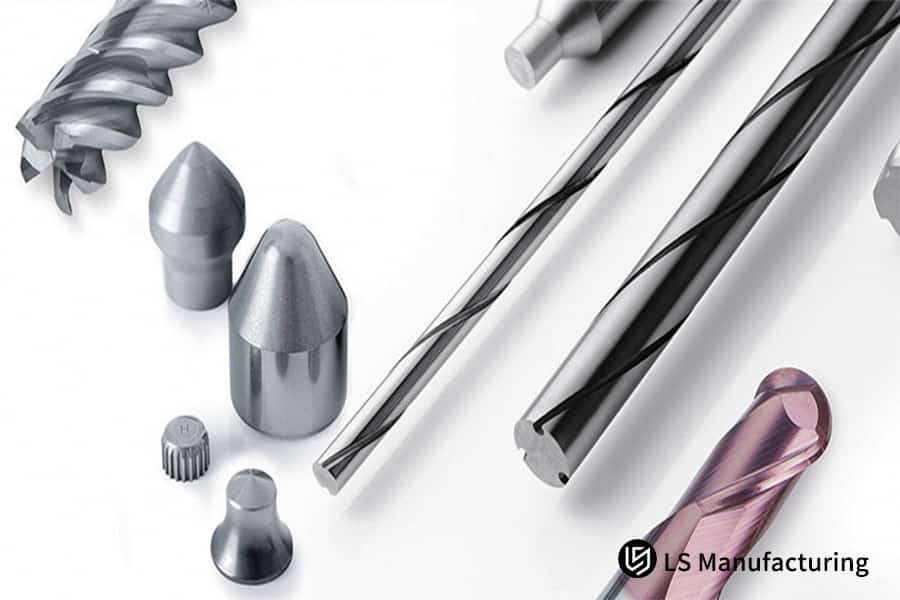
Figure 2: Guide to choosing economical materials for CNC manufacturing by LS Manufacturing
How Do The Key Performance Parameters Of Titanium And Tungsten Materials Affect Part Design?
Titanium tungsten properties are different for each material, whose performance parameters in affecting the designs. It is important that the engineers understand the importance of the mentioned below parameters to make the designs using the materials to the fullest. Each material has its own advantages.
- Titanium Alloy Design Considerations: Even though its value for yield strength is assessed to be 900MPa, and its density is assessed to be 4.5g/cm³, it should still be possible to use its lightweight design property for the titanium alloy, which does not have an impact on its structure, as it is an attractive property for an aerospace product that requires it to be lightweight as well as have a longer lifetime.
- Tungsten Alloy Design Applications: Because of its highest density of 19g/cm³ and highest thermal conductivity compared to all other properties of tungsten material, it has the largest number of applications based on the highest mass concentration for improved heat dissipation. The titanium tungsten properties have the following benefits for the applications of the material: radiation protection, weight, heat-resistant mold.
- Performance Parameter Integration: The design impact of material choice goes far beyond any mechanical property and must be considered with manufacturability and finish requirements in mind. Engineers must examine machineability, weldability, and coefficients of expansion to decide whether the material needed satisfies both requirements.
Care must always be taken in making any decision among the uses of titanium and tungsten alloys in designing. This is because each of these performance parameters demands in-depth analysis in getting the optimal designing advantages. The knowledge of titanium tungsten properties in design impact to be performed on new and innovative designs that consider the most challenging demands in designing.
What Special Process Technologies Are Required For CNC Machining Of Tungsten Alloys?
Tungsten machining presents unique challenges that demand specialized approaches to achieve precision and efficiency. The material's exceptional hardness and high melting point require dedicated special processes and comprehensive technical support to overcome manufacturing constraints and deliver high-quality components.
- Advanced Tooling Solutions: With tungsten machining, the cutting tools have to possess the capability of withstanding the hardness of the material. This requirement creates the need for the PCD tool. It ensures that the hardness level of the tool can be much better in comparison to standard carbide tooling.
- Cooling and Lubrication Systems: High-pressure cooling systems are regarded as a prominent specialty technique in the tungsten machining process. In cooling systems, cooling fluids are pressed into the machining region above 1000 psi. This process helps in the removal of heat as well as the removal of chips. By using this process, work hardening can be prevented.
- Process Parameter Optimization: As technical support encompasses process parameter optimization performed with low speeds, higher feeds, and shallow cut depths, process parameter optimization helps to minimize the generation of heat during machining operations. Consequently, efficient tungsten machining operations with longer tool life are achieved.
For a successful tungsten CNC machining on the material, there has to be an overall plan that involves the use of knowledge provided by the advanced equipment. The execution of the special processes system will ensure that the industry is able to deal with the challenges presented by the nature of the material.
How To Overcome The Work Hardening Problem In Titanium Alloy CNC Machining?
In the process of machining using CNC technology, several challenges are presented by the work hardening process associated with titanium CNC machining. The work hardening associated with titanium influences the material in such a way that it creates significant wear on the tools.
- Temperature Control Strategies: Temperature control plays an essential role in successfully carrying out titanium CNC machining without causing work hardening. Because of inadequate conductivity, hotspots occur at the edge of the cutter during the process of machining. As a result, a controlled temperature is developed below the critical temperature, preventing work hardening during the process of machining.
- Advanced Lubrication Solutions: One of the important outcomes resulting from the minimum quantity lubrication (MQL) technology is the lessening of the influence of the work hardening process involved within the titanium metal production process. The result is improved surface quality with reduced tool wear and extended tool life.
- Process Parameter Optimization: The cutting processes involving the variational parameters are very essential in titanium CNC machining so that success is achieved. By allowing variations in cutting speed, feed rates, and depths of cut, it is possible to eliminate overheating and thus guarantee successful surface finishes with a surface roughness measured at Ra 0.4micron without fearing work hardening.
In light of the challenge of work hardening, which is encountered in titanium CNC machining, it is important to adopt an overall strategy including temperature management, implementation of current lubrication practices, and optimization of machine parameters. After implementing all the above considerations, it will be very easy to obtain improved surface quality in processing without compromising efficiency.
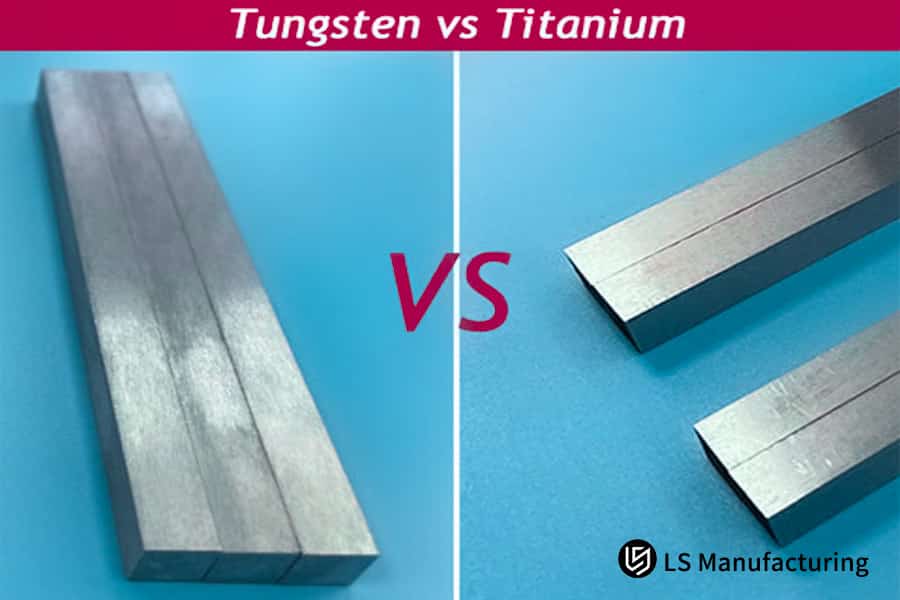
Figure 3: CNC machining material comparison titanium VS tungsten by LS Manufacturing
How To Schieve The Optimal Cost-Performance Ratio When Selecting Titanium-Tungsten Materials?
Optimal material selection between titanium and tungsten requires a systematic approach that balances multiple competing factors. In the best possible cost-effectiveness scenario, there would need to be an overall investigation of the factors in an attempt to unlock the maximum possible potential of the respective material while incurring the lowest possible costs.
Multi-Criteria Decision Framework
Establishing a multi-objective decision model is essential for optimal material selection. The structure of the decision involves a wide array of qualitative as well as quantitative criteria such as strength requirements, resistance to the environment, workability, as well as overall future costs. Based on the criteria for making a decision in the model, the engineers can use the allocation of certain weights to the decision variables to obtain the decision analysis for the selection of the two materials in question.
Quality Function Deployment (QFD) Analysis
QFD methodology provides a structured approach to translate customer needs into technical specifications for optimal material selection. This method helps in attaining the technological requirements for the utilization of the material based on the requirements of the customers. The technological analysis consists of the aspects associated with the parameters that include strength to weight ratio, heat resistance, corrosion resistance, and durability.
Total Cost of Ownership (TCO) Evaluation
Optimal material selection is even more than just accounting for initial material cost and must address all factors in the complete product life cycle. In fact, total cost of ownership analysis, and even what is labeled as full life cycle cost approaches, include factors such as material cost, processing and machining expense, maintenance costs, and product disposal or recycling. For extreme conditions of use, the extended lifetime and improved reliability offered by high-end materials such as titanium and tungsten alloys will be well justified from a cost viewpoint.
Achieving optimal material selection requires a holistic approach that integrates technical performance, economic viability, and operational efficiency. A manufacturer, by means of suitable applications of decision-making techniques such as QFD analysis, will thus be in a position to devise appropriate comparisons among titanium alloys, tungsten alloys, etc., to arrive at a better value.
What Key Cost Factors Need To Be Considered When Selecting Materials For CNC Machining?
CNC machining materials selection requires a comprehensive evaluation of multiple cost factors to determine the optimal total cost for manufacturing projects. Beyond the initial material purchase price, manufacturers must account for processing efficiency, tool wear, and waste management to achieve true cost-effectiveness.
Material Acquisition Costs
According to the cost of acquisition for this material would form the basis for calculation in the CNC machining materials. The material considered; for example, different alloys and material grades would have large variations regarding market costs. Other materials such as titanium and Inconel would give a higher cost than that given for materials such as aluminum and steel. Additionally, material form factors (bars, plates, blocks) and quantity discounts impact the per-unit cost, making bulk purchasing strategies an important consideration in total cost optimization.
Processing Efficiency Factors
Machinability directly influences production time and labor costs, representing a critical cost factor in material selection. The materials that possess desirable properties for chip removal and are not tough will require low speeds for cutting and will be machined easily. Those materials that are difficult to machine will be machined using lower feeds. It is to be noted that there are four grades for machinability.
Tooling and Equipment Wear
The rate at which tools are replaced is a cause of high cost factors in the CNC machining materials. Hard material translates to high wear and tear of tools, thus leading to high replacements and regrinding of tools. This not only adds direct tooling costs but also contributes to machine downtime for tool replacement, impacting overall production throughput and increasing the total cost per part.
Waste Management and Scrap Rates
Material use efficiency could also be an important determinant of the total cost influencing CNC machining materials. This is because of the fact that the underlying logic behind this would be to have a large amount of waste generated by materials with complex shapes. An equally valid standpoint to be taken into consideration, on the other hand, would be the recycling value of materials used in the manufacture of chips, as well as the dumping fee for hazardous materials.
Successful CNC machining materials selection requires a holistic approach that balances all cost factors to achieve the optimal total cost. Since all the factors associated with costs for material procurement, processing ability, tools for material processing, and even the disposal of waste material are taken together into consideration, certain important factors have emerged for material selection.
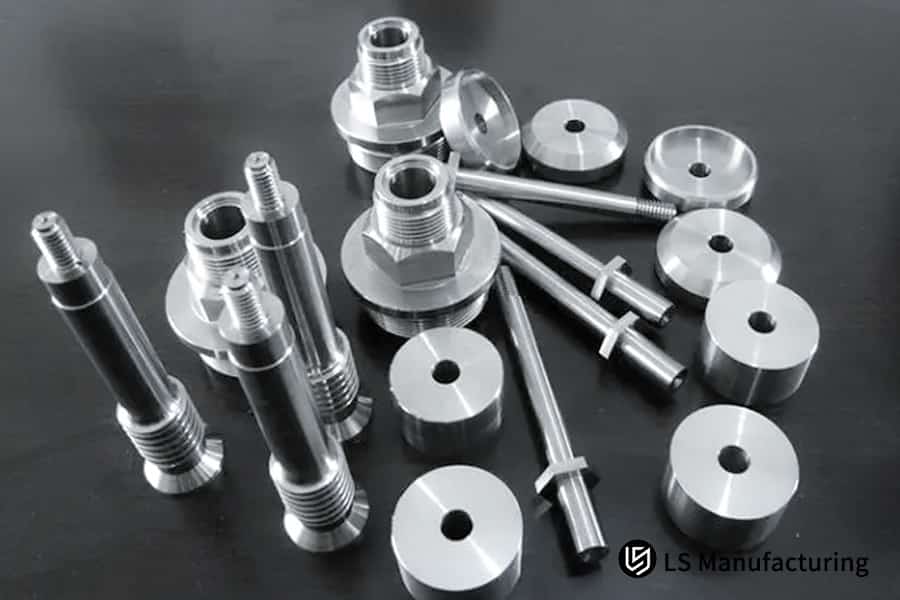
Figure 4: Precision titanium CNC machined parts on black background by LS Manufacturing
LS Manufacturing Aerospace Division: Engine Turbine Blade Material Optimization Project
LS Manufacturing successfully addressed a critical aerospace challenge by innovatively optimizing the material and structure of engine turbine blades. This breakthrough achieved a perfect balance between heat resistance and weight reduction, delivering exceptional performance improvements and significant cost savings for next-generation propulsion systems.
Client Challenge
The aerospace engine manufacturer was facing some problems in producing the turbine blades of this engine. Traditional nickel alloys are not suitable for weight reduction, and the laser sintering manufacturing process for pure tungsten alloys is costly. The client wanted an apt substitute to manufacture acceptable engine turbine blades concerning strength, weight reduction, and economic factors.
LS Manufacturing Solution
The breakthrough solution was proposed by LS manufacturing by the use of titanium aluminum matrix composites as the material alternative. Optimum machining parameters developed solely for this material were employed by them to address the required structural strength with optimum weight apart from employing five-axis simultaneous machining technology for this purpose. This solution proposed by the company is optimum in that it encompasses the best possible compromise between the structural strength and the weight of the material.
Results and Value
The result of the project has shown no less than excellence in all areas. The process of weight reduction for the turbine blades of the engine was improved by 35% while 20% improvement was achieved for the higher operating temperature. In addition to the above improvement, a reduction of 40% in the cost per unit from the processes employed was achieved in conjunction with the result of the above development from LS Manufacturing, obtaining the Technology Innovation Award from the client due to the capability of LS Manufacturing in aerospace component optimization.
In the area of innovation that arose as a result of the LS Manufacturing process in the optimization of material for the turbine blades in the engine, the requirements of the aerospace industry for their client were adequately met. LS Manufacturing efficiently utilized the optimal machinability of the new material for the greatest possible benefit to us, making them a significant player in the aerospace parts manufacturing industry.
Looking for the best value for performance to price for titanium and tungsten materials? Click here to receive your free processing evaluation.

Analysis Of Application Trends Of Advanced Materials In High-End Manufacturing
Advanced materials transform high-value manufacturing, taking into account the trend which increases very quickly with the innovation driven by the amazing properties of advanced materials. New technology advancement in connection with the materials area is setting up the future development potential for manufacturing these materials.
Titanium Matrix Composites
In the area of advanced materials, the development of titanium matrix composites is one such significant achievement in terms of the intriguing property characteristics for higher-temperature and specific strength. The material has witnessed huge applications in the aviation sector as well as the biomedical field. The growing application trends in these sectors demonstrate the material's potential for future development in demanding environments.
Nano-Tungsten Alloys
Nano-tungsten alloys are emerging as a promising category of advanced materials with enhanced mechanical properties and thermal stability. Their unique microstructure enables improved wear resistance and dimensional stability under extreme conditions. These application trends are particularly relevant in defense, energy, and industrial tooling sectors, indicating strong potential for future development in high-performance applications.
Material Integration Technologies
The application of such different advanced materials in hybrid manufacturing technology would fall under one category, which might be prominent in the future. Hybrid manufacturing could be defined as the ability to combine different properties of materials in a single product. This would be highly beneficial in the future development of different technologies.
Sustainability and Recyclability
Environment is one of the most important considerations for application trends within the context of applications for a region that concerns advanced materials. The problem associated with recyclable composites and environmentally responsible production technology is the most important factor within the context of material selection.
The evolution in advanced materials also experiences a continuous shift in the high-value manufacturing segment from innovation application trends to further advancements in the future. With the increasing advancement in material technology, there is also a development of new opportunities regarding applications for achieving efficiency and sustainability.
FAQs
1. In what way are the processing costs of a titanium alloy different from those of a tungsten alloy?
The processing cost of the tungsten alloy, being 2 to 3 times the material and the titanium alloy costs, despite the above consideration, is dependent on product complexity.
2. In what respect is titanium more economical than tungsten when working in high temperatures?
In the temperature range below 500℃, the proposed material for the target is titanium alloy. In the temperature range above 500℃, the tungsten alloy needs to be used. Free-of-charge analysis of operating conditions
3. Which of them is more suited to prototyping for small batches?
In the design process, the first prototype design will be made using the titanium alloy material since the material is less expensive than the other materials.
4. How to measure the impact of material variation on the total cost?
Material, processing, and maintenance costs are just a few of the expenses considered when the use of our complete lifecycle cost analysis solution is involved. If you need a detailed price breakdown for your project, you can get an instant CNC machining quote online.
5. How do you guarantee the delivery time of specialized materials?
We have also partnered with material suppliers to ensure that there is a supply of materials that are available in standard specifications as we await the delivery of materials in special specifications. This process takes 4 weeks.
6. Would it be possible for you to provide sample performance test reports?
In our company, we can issue to our clients a complete material certification and test report.
7. Which process validations are needed when treating new materials?
Three levels of validation are available to us, such as trial process validation, metallographic validation, and performance validation to ensure authenticity and accuracy in the new process.
8. In the machining difficult-to-cut materials, what are the methods to avoid the dangers of low quality?
To take out the defects, a quality control process was developed, and SPC, or statistical process control, was applied in pursuit of a quality level in stability.
Summary
By integrating state-of-art material selection methods along with material processing technology, it becomes possible to exploit the full capabilities of materials such as titanium and tungsten. In order to exploit the full benefits of their expertise in processing difficult-to-machine material work pieces, the company provides its clients with full turn-key solutions.
Please do not hesitate to contact us at LS Manufacturing if you require materials and we will be more than happy to perform a free material analysis and process plan on your project. Our team of experts will evaluate your project requirement based on your cost-performance analysis of materials and will devise a strategic process for you.
Obtain customized selection and processing solutions for titanium and tungsten materials, precisely balancing performance and cost!
📞Tel: +86 185 6675 9667
📧Email: info@lsrpf.com
🌐Website: https://lsrpf.com/
Disclaimer
The contents of this page are for informational purposes only. LS Manufacturing services There are no representations or warranties, express or implied, as to the accuracy, completeness or validity of the information. It should not be inferred that a third-party supplier or manufacturer will provide performance parameters, geometric tolerances, specific design characteristics, material quality and type or workmanship through the LS Manufacturing network. It's the buyer's responsibility. Require parts quotation Identify specific requirements for these sections.Please contact us for more information.
LS Manufacturing Team
LS Manufacturing is an industry-leading company. Focus on custom manufacturing solutions. We have over 20 years of experience with over 5,000 customers, and we focus on high precision CNC machining, Sheet metal manufacturing, 3D printing, Injection molding. Metal stamping,and other one-stop manufacturing services.
Our factory is equipped with over 100 state-of-the-art 5-axis machining centers, ISO 9001:2015 certified. We provide fast, efficient and high-quality manufacturing solutions to customers in more than 150 countries around the world. Whether it is small volume production or large-scale customization, we can meet your needs with the fastest delivery within 24 hours. choose LS Manufacturing. This means selection efficiency, quality and professionalism.
To learn more, visit our website:www.lsrpf.com.