العربية



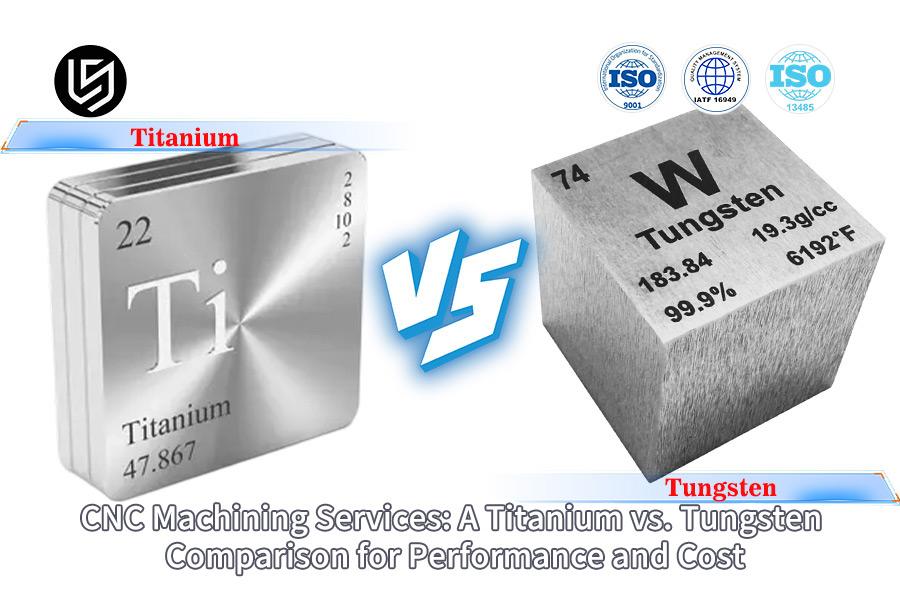
تُعدّ خدمات التصنيع باستخدام الحاسوب (CNC) أساسية في توجيه عملية اختيار التيتانيوم أو التنجستن، وهو قرار تقني واقتصادي بالغ الأهمية. ينطوي هذا الاختيار على مفاضلة متعددة الأبعاد: نسبة قوة التيتانيوم إلى وزنه ومقاومته للتآكل، مقابل كثافة التنجستن ومقاومته للحرارة . كما يجب أن يوازن هذا الاختيار بين خصائص المواد وتحديات التصنيع، مثل لزوجة التيتانيوم وصلابة التنجستن ، والتي تؤثر بشكل مباشر على الأدوات، والجداول الزمنية للإنتاج، والتكلفة الإجمالية للمشروع.
تنشأ المشكلة من عقلية تقليدية تتجاهل الإطار الكامل اللازم للتقييم من حيث التكلفة والأداء. يُبالغ في التركيز على تكلفة المواد، بينما يُهمل التركيز على تكلفة متغيرات التصنيع. لذا، تكون تكلفة الملكية مرتفعة بشكل غير متوقع. تستند هذه الورقة البحثية إلى خبرة شركة LS Manufacturing على مدى العقدين الماضيين في مجال المواد صعبة القطع، وتقدم حلاً علمياً لمعايير اختيار المواد، مع تحقيق التوازن الأمثل بين التكلفة والأداء.
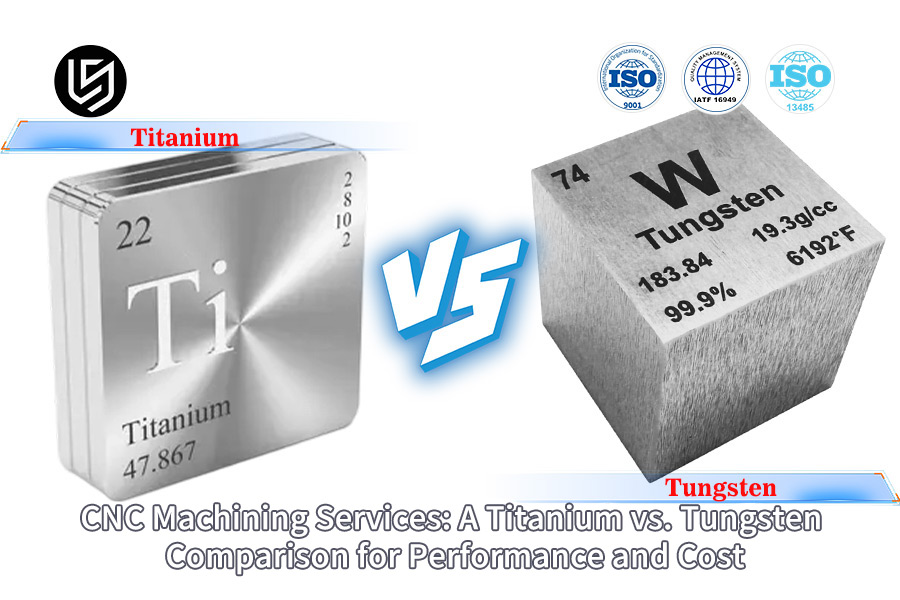
التيتانيوم مقابل التنجستن: جدول مرجعي سريع
| المعلمة | التيتانيوم | التنجستن |
| الكثافة (جم/سم³) | 4.5 | 19.3 |
| نقطة الانصهار (°م) | 1668 | 3422 |
| قوة الشد (ميجا باسكال) | 900-1200 | 1000-1500 |
| الصلابة (HV) | 250-350 | 300-500 |
| الموصلية الحرارية (واط/متر·كلفن) | 6.7 | 173 |
| قابلية التشغيل الآلي | صعب | صعب للغاية |
| التكلفة (المواد الخام) | عالي | مرتفع جداً |
| مقاومة التآكل | ممتاز | جيد |
| الوزن | ضوء | ثقيل جداً |
| التطبيقات | الفضاء الجوي، الطب، البحرية | أدوات القطع، والدروع، والأجهزة الكهربائية |
تُضفي عملية تصنيع التيتانيوم باستخدام الحاسوب (CNC) خصائص محسّنة من حيث القوة والوزن ومقاومة التآكل، مما يجعله مناسبًا للطائرات والتطبيقات الطبية الحيوية. كما يوفر صلابة وكثافة عاليتين لأدوات القطع ومعدات الحماية، إلا أنه ثقيل وهش، مما يجعله أقل ملاءمةً للاستخدامات الأخرى. ويعتمد اختيار المادة على ما إذا كان المطلوب هو تصنيعها أخف وزنًا مع أداء أفضل، أو توفير كثافة أعلى ومقاومة أكبر للتآكل.
لماذا تثق بهذا الدليل؟ خبرة عملية من خبراء التصنيع في LS
يُعتبر هذا الدليل مرجعًا موثوقًا به، إذ استُخلص من خبرة عملية تزيد عن 15 عامًا في تصنيع أجزاء الآلات الحيوية، حيث تم تصنيع عدد هائل من الأجزاء باستخدام كلٍ من التيتانيوم والتنغستن. وقد بلغ إجمالي عدد الأجزاء المصنعة أكثر من 50,000 جزء، تتسم بتعقيدها نظرًا لتعدد الخيارات المتاحة في اختيار المواد.
تُركز المهارات المُقدمة حصراً على مجالٍ يتميز بالموازنة بين التيتانيوم والتنغستن . يشمل ذلك عمليات تشكيل التيتانيوم المتعلقة بهياكل صناعة الطيران، والتي تتميز بنسبة قوة إلى وزن عالية كشرط أساسي، بالإضافة إلى تشكيل التنغستن في شكله المكون، والذي يتميز بخصائصه المتعلقة بالكثافة والحرارة. في هذا المجال من المعرفة والمهارات، نقدم لكم، كمزودين، إرشادات عملية غير مشمولة في أي مجال آخر مذكور في ورقة المواصفات.
لضمان أعلى مستوى ممكن من الدقة في توصياتنا، تخضع عملية تصنيع المواد المستخدمة في نظامنا لمعايير معتمدة في هذا القطاع، صادرة عن جهات مرموقة مثل الرابطة الوطنية لتشطيب الأسطح (NASF) أو رابطة الألومنيوم (AAC) . ويهدف هذا النهج إلى ضمان اطلاعنا على أحدث الممارسات التقنية في مجالنا، مما يُمكّننا من تقديم نتائج توصياتنا بأعلى مستويات الجودة.
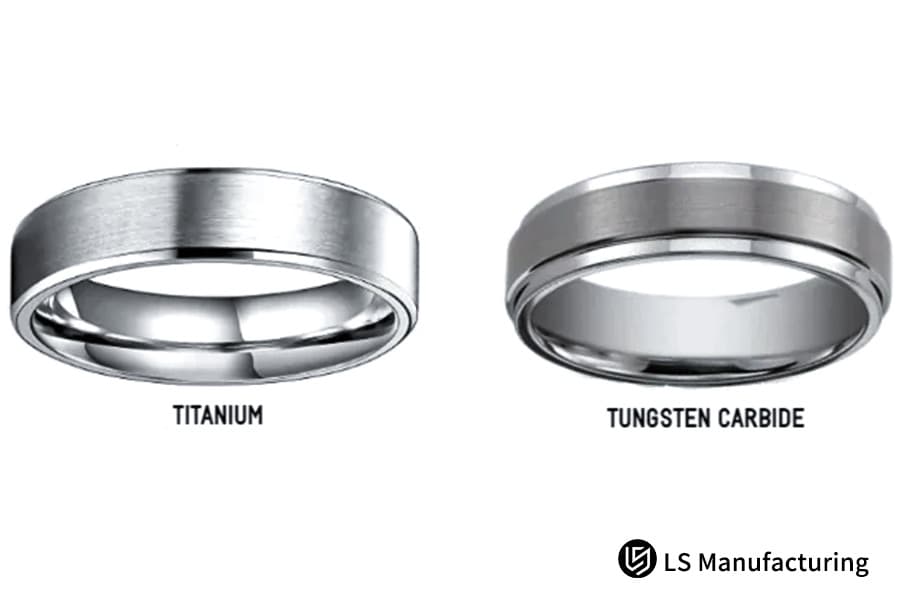
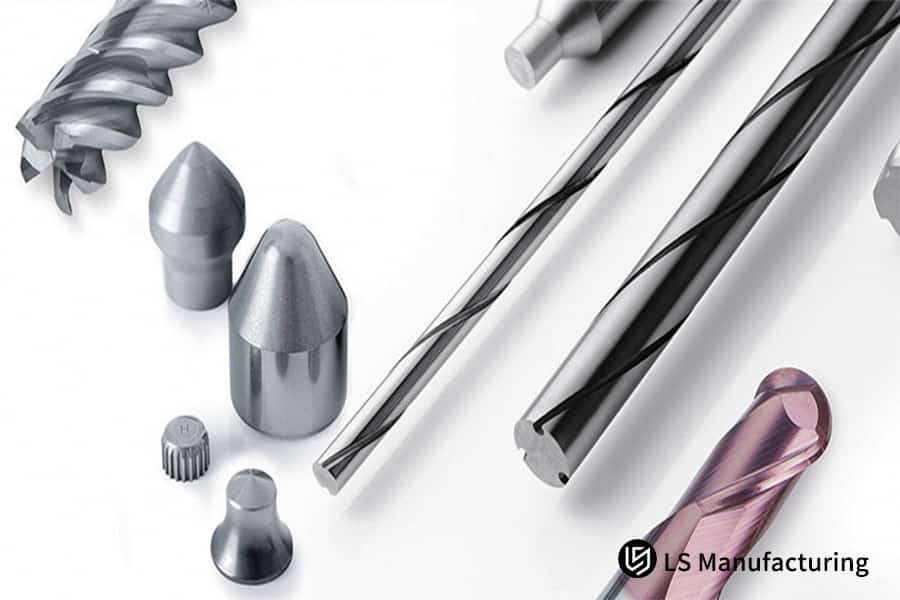
الشكل 1: اختيار المواد المثلى لتصنيع التيتانيوم وكربيد التنجستن بواسطة شركة LS Manufacturing
ما هي الاختلافات الأساسية بين سبائك التيتانيوم وسبائك التنجستن في عمليات التصنيع باستخدام الحاسوب (CNC)؟
غالبًا ما تُبنى المقارنة بين التيتانيوم والتنغستن في عمليات التصنيع باستخدام الحاسوب (CNC) على مقارنة المواد . تشمل مزايا التيتانيوم نسبة قوة إلى وزن ممتازة، ومقاومة عالية للتآكل. أما عيوبه فتتمثل في ميله إلى التآكل السطحي. بينما تشمل مزايا التنغستن كثافة عالية، ونقطة انصهار عالية جدًا. تؤثر هذه المقارنة بين المواد بشكل مباشر على استراتيجيات التصنيع، واختيار الأدوات، وتكاليف الإنتاج الإجمالية.
ملكية | التيتانيوم (Ti-6Al-4V) | التنجستن (النقي) |
الكثافة | 4.5 جم/سم³ | 19.3 جم/سم³ |
نقطة الانصهار | 1668 درجة مئوية | 3422 درجة مئوية |
الصلابة (فيكرز ) | 150-200 HV | 343 HV |
قوة الشد | 950-1100 ميجا باسكال | 1510-1650 ميجا باسكال |
الموصلية الحرارية | منخفض (6.7 واط/م·ك) | معتدل (173 واط/م·ك) |
تصنيف قابلية التشغيل | متوسط (50٪) | منخفض (40٪) |
باختصار، يكمن جوهر المقارنة بين تشكيل التيتانيوم والتنغستن في اختيار أسلوب مختلف. فبسبب خاصية التصلب بالتشكيل للتيتانيوم، يجب استخدام أدوات قطع حادة وأنظمة تبريد مناسبة. أما التنغستن، بفضل صلابته ومقاومته العالية للتآكل، فيتطلب استخدام أدوات كربيد خاصة وسرعة قطع منخفضة. من خلال هذه المقارنة بين المادتين ، يتضح لنا ضرورة اختيار المادة المناسبة وفقًا لظروف التطبيق والتشكيل المحددة.

كيف تختار بين التيتانيوم والتنغستن في عمليات التصنيع باستخدام الحاسوب (CNC)؟
يتطلب اختيار التيتانيوم والتنغستن لتصنيع الآلات باستخدام الحاسوب (CNC) عملية اختيار منهجية للمواد بناءً على متطلبات التطبيق المحددة. تشمل عملية اختيار المواد موازنة العوامل الميكانيكية والبيئية والتكاليف. يؤثر اختيار المواد المناسبة على أداء الأجزاء في عملية التصنيع.
معايير الاختيار | التيتانيوم | التنجستن | التطبيقات الرئيسية |
الكثافة | 4.5 جم/سم³ (خفيف الوزن) | 19.3 جم/سم³ (كثيفة جداً) | الفضاء الجوي مقابل الأثقال الموازنة |
نقطة الانصهار | 1668 درجة مئوية | 3422 درجة مئوية (أعلى درجة حرارة للمعادن) | محركات الطائرات النفاثة مقابل فوهات الصواريخ |
الصلابة | حوالي 6 على مقياس موس | 8.5-9 موس (كربيد) | الأجزاء الهيكلية مقابل أدوات القطع |
قوة الشد | يصل إلى 1000 ميجا باسكال | 550-620 ميجا باسكال | مكونات عالية القوة |
مقاومة التآكل | ممتاز (طبقة أكسيد) | جيد (أقل حمضية) | البحرية مقابل الصناعية |
قابلية التشغيل الآلي | أدوات جيدة (خاصة) | ضعيف (موسيقى الرقص الإلكترونية/الماس) | الأشكال المعقدة مقابل الأشكال البسيطة |
في الختام، يعتمد اختيار سبيكة التيتانيوم والتنغستن على تحديد أولويات متطلبات التطبيق . ويشمل ذلك التركيز على التطبيقات التي تستخدم التيتانيوم لأغراض تخفيف الوزن ومقاومة التآكل، بالإضافة إلى التطبيقات التي تتطلب درجات حرارة وكثافات عالية.
كيف يمكن لتقنية التصنيع باستخدام الحاسوب (CNC) أن توازن تكلفة التيتانيوم والتنغستن؟
تتطلب عمليات التصنيع باستخدام الحاسوب (CNC) ذات التكلفة المنخفضة دراسة متأنية لمعالجة المواد. ويُستخدم تحليل هندسة القيمة لتحقيق توازن اقتصادي بين الاستثمار الأولي والأداء المستقبلي، وذلك للوصول إلى أقل تكلفة ممكنة طوال دورة حياة المنتج .
- استراتيجية اختيار المواد: بناءً على نسبة القوة إلى الوزن العالية، يُنصح باستخدام سبائك التيتانيوم في الطائرات. صحيح أنها مكلفة، إلا أن توفير الوقود يصل إلى مبالغ طائلة بفضل وزنها الخفيف. لذا، فهي الخيار الأمثل اقتصادياً في بعض أجزاء الطائرات.
- تحسين عملية التصنيع: تُعدّ سبائك التنجستن أكثر ملاءمةً لإنتاج قوالب درجات الحرارة العالية ، حيث تُشكّل مقاومة التآكل مشكلةً بالغة الأهمية. ورغم ارتفاع تكلفة بدء الإنتاج في هذه العملية نظرًا للمادة المستخدمة وعمليات التصنيع، إلا أنها تُعتبر أكثر جدوى من الناحية الاقتصادية .
- تحليل تكلفة دورة الحياة: يتم تقييم فعالية تكلفة التصنيع باستخدام الحاسوب (CNC) من حيث دورة حياة المنتج. ويُؤخذ في الاعتبار متانة المواد الخام ، وإمكانية تصنيعها باستخدام الحاسوب ، وإعادة تدوير المنتجات بعد انتهاء دورة حياتها.
لتحقيق عمليات تصنيع ناجحة وفعالة من حيث التكلفة باستخدام آلات CNC ، يكمن السر في تبني نهج شامل يضمن فيه المصنّع توازن خصائص المواد مع المتطلبات. ويمكنه إنتاج منتجات عالية الأداء بالتركيز على التوازن الاقتصادي الذي يتحقق من خلال هندسة القيمة وتحليل تكلفة دورة حياة المنتج .
الشكل 2: دليل لاختيار المواد الاقتصادية لتصنيع CNC من شركة LS Manufacturing
كيف تؤثر معايير الأداء الرئيسية لمواد التيتانيوم والتنغستن على تصميم الأجزاء؟
تختلف خصائص التيتانيوم والتنغستن باختلاف المادة، وتؤثر معايير الأداء هذه على التصاميم. من المهم أن يدرك المهندسون أهمية المعايير المذكورة أدناه لتحقيق أقصى استفادة من هذه المواد في التصاميم. لكل مادة مزاياها الخاصة.
- اعتبارات تصميم سبائك التيتانيوم: على الرغم من أن قيمة قوة الخضوع المقدرة تبلغ 900 ميجا باسكال ، وكثافتها المقدرة تبلغ 4.5 جم/سم³ ، فإنه لا يزال من الممكن استخدام خاصية التصميم خفيفة الوزن لسبائك التيتانيوم، والتي لا تؤثر على بنيتها، حيث إنها خاصية جذابة لمنتج الفضاء الجوي الذي يتطلب أن يكون خفيف الوزن بالإضافة إلى عمر أطول.
- تطبيقات تصميم سبائك التنجستن: نظرًا لكثافتها العالية التي تبلغ 19 جم/سم³ وموصليتها الحرارية العالية مقارنةً بجميع خصائص التنجستن الأخرى، فإنها تتمتع بأكبر عدد من التطبيقات التي تعتمد على أعلى تركيز للكتلة لتحسين تبديد الحرارة. وتوفر خصائص سبائك التنجستن المصنوعة من التيتانيوم المزايا التالية لتطبيقات هذه المادة: الحماية من الإشعاع، وخفة الوزن، ومقاومة الحرارة في القوالب .
- تكامل معايير الأداء: يتجاوز تأثير اختيار المواد في التصميم أي خاصية ميكانيكية، ويجب مراعاته مع متطلبات التصنيع والتشطيب. يجب على المهندسين دراسة قابلية التشغيل الآلي، وقابلية اللحام، ومعاملات التمدد لتحديد ما إذا كانت المادة المطلوبة تفي بكلا المتطلبين.
يجب توخي الحذر دائمًا عند اتخاذ أي قرار بشأن استخدام سبائك التيتانيوم والتنغستن في التصميم. ذلك لأن كلًا من خصائص أدائها يتطلب تحليلًا معمقًا لتحقيق أفضل النتائج التصميمية. إن معرفة خصائص التيتانيوم والتنغستن في التصميم تؤثر على التصاميم الجديدة والمبتكرة التي تراعي أصعب متطلبات التصميم.
ما هي تقنيات المعالجة الخاصة المطلوبة لتصنيع سبائك التنجستن باستخدام آلات CNC؟
تُشكّل عمليات تشكيل التنجستن تحديات فريدة تتطلب أساليب متخصصة لتحقيق الدقة والكفاءة. فصلابة المادة الاستثنائية ودرجة انصهارها العالية تستلزم عمليات خاصة ودعمًا فنيًا شاملًا للتغلب على قيود التصنيع وتقديم مكونات عالية الجودة.
- حلول الأدوات المتقدمة: في عمليات تشكيل التنجستن ، يجب أن تتمتع أدوات القطع بقدرة عالية على تحمل صلابة المادة. هذا الشرط يستدعي استخدام أدوات PCD ، التي تضمن مستوى صلابة أعلى بكثير مقارنةً بأدوات الكربيد القياسية.
- أنظمة التبريد والتشحيم: تُعتبر أنظمة التبريد عالية الضغط تقنيةً متخصصةً بارزةً في عملية تشكيل التنجستن . في هذه الأنظمة، تُضخ سوائل التبريد إلى منطقة التشغيل بضغط يزيد عن 1000 رطل لكل بوصة مربعة. تُساعد هذه العملية في إزالة الحرارة والرقائق المعدنية، مما يمنع تصلب المعدن.
- تحسين معايير العملية: بما أن الدعم الفني يشمل تحسين معايير العملية عند استخدام سرعات منخفضة، ومعدلات تغذية عالية، وأعماق قطع ضحلة، فإن تحسين معايير العملية يساعد على تقليل توليد الحرارة أثناء عمليات التشغيل. وبالتالي، يتم تحقيق عمليات تشغيل فعالة للتنغستن مع عمر أطول للأداة.
لضمان نجاح عملية تصنيع التنجستن باستخدام آلات CNC ، لا بد من وجود خطة شاملة تستفيد من المعرفة التي توفرها المعدات المتطورة. وسيضمن تطبيق نظام العمليات الخاصة قدرة الصناعة على مواجهة التحديات التي تفرضها طبيعة المادة.
كيفية التغلب على مشكلة التصلب الناتج عن العمل في عمليات التصنيع باستخدام الحاسوب (CNC) لسبائك التيتانيوم؟
في عملية التصنيع باستخدام تقنية التحكم الرقمي الحاسوبي (CNC)، تبرز عدة تحديات نتيجة لعملية التصلب بالتشكيل المرتبطة بتصنيع التيتانيوم باستخدام هذه التقنية . يؤثر التصلب بالتشكيل على التيتانيوم بطريقة تؤدي إلى تآكل كبير في أدوات التصنيع.
- استراتيجيات التحكم في درجة الحرارة: يلعب التحكم في درجة الحرارة دورًا أساسيًا في إنجاح عمليات تشغيل التيتانيوم باستخدام آلات CNC دون التسبب في تصلب المعدن. نظرًا لضعف التوصيل الحراري، تتشكل بقع ساخنة على حافة أداة القطع أثناء عملية التشغيل . ونتيجة لذلك، يتم التحكم في درجة الحرارة بحيث تبقى أقل من درجة الحرارة الحرجة، مما يمنع تصلب المعدن أثناء عملية التشغيل.
- حلول التشحيم المتقدمة: من أهم نتائج تقنية التشحيم بكمية قليلة (MQL) تقليل تأثير عملية التصلب بالتشكيل على البارد في عملية إنتاج معدن التيتانيوم. والنتيجة هي تحسين جودة السطح وتقليل تآكل الأدوات وإطالة عمرها.
- تحسين معايير العملية: تُعدّ عمليات القطع التي تتضمن تغيير المعايير أساسيةً للغاية في تصنيع التيتانيوم باستخدام الحاسوب (CNC) لتحقيق النجاح. فمن خلال السماح بتغييرات في سرعة القطع ومعدلات التغذية وعمق القطع، يُمكن التخلص من ارتفاع درجة الحرارة، وبالتالي ضمان الحصول على تشطيبات سطحية ممتازة بخشونة سطحية تبلغ 0.4 ميكرون (Ra) دون الخوف من التصلب الناتج عن التشغيل.
في ضوء تحدي تصلب المعدن أثناء التشغيل ، والذي يُصادف في عمليات تصنيع التيتانيوم باستخدام آلات CNC ، من المهم تبني استراتيجية شاملة تتضمن إدارة درجة الحرارة، وتطبيق ممارسات التشحيم الحالية، وتحسين معايير الماكينة. بعد تطبيق جميع الاعتبارات المذكورة أعلاه، سيصبح من السهل جدًا الحصول على جودة سطح محسّنة في عملية التصنيع دون المساس بالكفاءة.
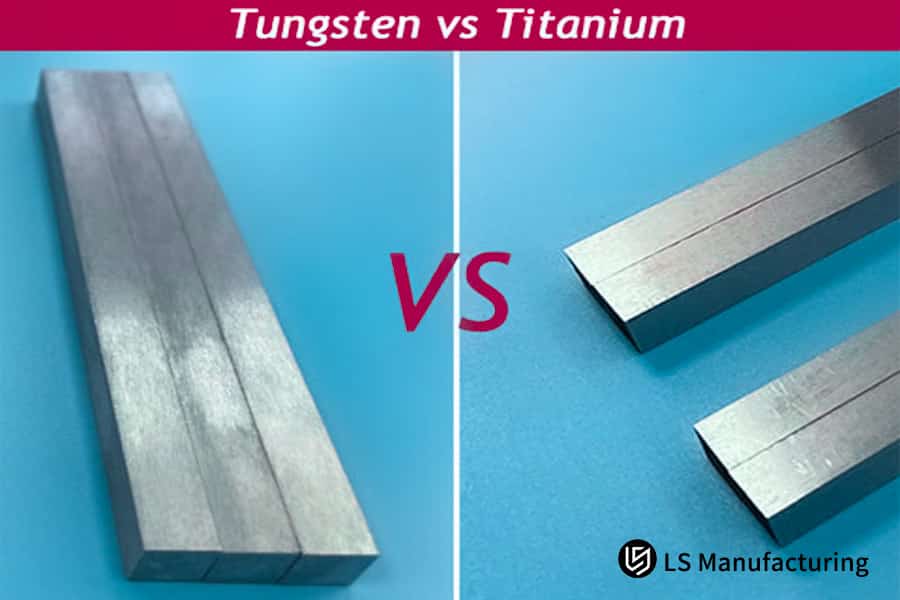
الشكل 3: مقارنة بين مواد التصنيع باستخدام الحاسوب (CNC) - التيتانيوم مقابل التنجستن - من إنتاج شركة LS Manufacturing
كيفية تحقيق النسبة المثلى بين التكلفة والأداء عند اختيار مواد التيتانيوم والتنغستن؟
يتطلب اختيار المادة الأمثل بين التيتانيوم والتنغستن اتباع نهج منهجي يوازن بين عوامل متعددة متنافسة. ولتحقيق أفضل النتائج من حيث التكلفة، لا بد من إجراء دراسة شاملة لهذه العوامل بهدف استغلال الإمكانات القصوى لكل مادة بأقل تكلفة ممكنة.
إطار اتخاذ القرار متعدد المعايير
يُعدّ وضع نموذج قرار متعدد الأهداف أمرًا أساسيًا لاختيار المواد الأمثل . يتضمن هيكل القرار مجموعة واسعة من المعايير النوعية والكمية، مثل متطلبات القوة ، ومقاومة العوامل البيئية، وسهولة التشكيل، بالإضافة إلى التكاليف المستقبلية الإجمالية. بناءً على معايير اتخاذ القرار في النموذج ، يمكن للمهندسين استخدام تخصيص أوزان محددة لمتغيرات القرار للحصول على تحليل القرار لاختيار المادتين المعنيتين.
تحليل نشر وظائف الجودة (QFD)
توفر منهجية نشر وظائف الجودة (QFD) نهجًا منظمًا لترجمة احتياجات العملاء إلى مواصفات فنية لاختيار المواد الأمثل . تساعد هذه المنهجية في تلبية المتطلبات التقنية لاستخدام المواد بناءً على احتياجات العملاء. يتضمن التحليل التقني الجوانب المرتبطة بمعايير تشمل نسبة القوة إلى الوزن، ومقاومة الحرارة، ومقاومة التآكل، والمتانة.
تقييم التكلفة الإجمالية للملكية (TCO)
إن اختيار المواد الأمثل يتجاوز مجرد حساب التكلفة الأولية للمواد، إذ يجب أن يشمل جميع العوامل في دورة حياة المنتج الكاملة. في الواقع، يتضمن تحليل التكلفة الإجمالية للملكية، وحتى ما يُعرف بنهج تكلفة دورة الحياة الكاملة، عوامل مثل تكلفة المواد، وتكاليف المعالجة والتصنيع، وتكاليف الصيانة، والتخلص من المنتج أو إعادة تدويره. في ظروف الاستخدام القاسية، يُبرر العمر الطويل والموثوقية المحسّنة التي توفرها المواد عالية الجودة مثل سبائك التيتانيوم والتنغستن من وجهة نظر التكلفة.
يتطلب تحقيق الاختيار الأمثل للمواد اتباع نهج شامل يدمج الأداء التقني والجدوى الاقتصادية والكفاءة التشغيلية. وبذلك، سيتمكن المصنّع، من خلال التطبيقات المناسبة لتقنيات اتخاذ القرار مثل تحليل نشر وظائف الجودة (QFD) ، من وضع مقارنات ملائمة بين سبائك التيتانيوم وسبائك التنجستن ، وغيرها، للوصول إلى قيمة أفضل.
ما هي عوامل التكلفة الرئيسية التي يجب مراعاتها عند اختيار المواد اللازمة للتصنيع باستخدام الحاسوب (CNC)؟
يتطلب اختيار مواد التصنيع باستخدام الحاسوب (CNC) تقييمًا شاملًا لعوامل التكلفة المتعددة لتحديد التكلفة الإجمالية المثلى لمشاريع التصنيع. فإلى جانب سعر شراء المواد الأولي، يجب على المصنّعين مراعاة كفاءة المعالجة، وتآكل الأدوات، وإدارة النفايات لتحقيق فعالية التكلفة الحقيقية.
تكاليف اقتناء المواد
تُشكل تكلفة اقتناء هذه المادة أساسًا لحساب تكلفة مواد التصنيع باستخدام الحاسوب (CNC) . وتختلف أسعار المواد المُختارة اختلافًا كبيرًا باختلاف السبائك ودرجات المواد. فبعض المواد، مثل التيتانيوم والإنكونيل، تكون تكلفتها أعلى من تكلفة مواد أخرى كالألومنيوم والفولاذ. إضافةً إلى ذلك، تؤثر أشكال المواد (قضبان، صفائح، كتل) وخصومات الكميات على تكلفة الوحدة، مما يجعل استراتيجيات الشراء بالجملة عاملًا مهمًا في تحسين التكلفة الإجمالية .
عوامل كفاءة المعالجة
تؤثر قابلية التشغيل بشكل مباشر على وقت الإنتاج وتكاليف العمالة، مما يجعلها عاملاً حاسماً في اختيار المواد . فالمواد التي تتمتع بخصائص مرغوبة لإزالة الرقائق، والتي لا تتميز بالمتانة، تتطلب سرعات قطع منخفضة، وبالتالي يسهل تشغيلها. أما المواد التي يصعب تشغيلها، فيتم تشغيلها باستخدام معدلات تغذية منخفضة. وتجدر الإشارة إلى وجود أربع درجات لقابلية التشغيل.
تآكل الأدوات والمعدات
يُعدّ معدل استبدال الأدوات أحد أسباب ارتفاع تكاليف مواد التصنيع باستخدام الحاسوب (CNC) . فالمواد الصلبة تُؤدي إلى تآكل الأدوات بشكل كبير، مما يستلزم استبدالها وإعادة شحذها بشكل متكرر. وهذا لا يزيد فقط من تكاليف الأدوات المباشرة، بل يُساهم أيضاً في توقف الماكينة لاستبدال الأدوات، مما يُؤثر على الإنتاجية الإجمالية ويزيد من التكلفة الإجمالية للقطعة الواحدة.
إدارة النفايات ومعدلات الخردة
قد تُشكل كفاءة استخدام المواد عاملاً هاماً في تحديد التكلفة الإجمالية لمواد التصنيع باستخدام الحاسوب (CNC) . ويعود ذلك إلى أن المنطق الكامن وراء ذلك هو توليد كميات كبيرة من النفايات نتيجة استخدام مواد ذات أشكال معقدة. ومن جانب آخر، من المهم أيضاً مراعاة قيمة إعادة تدوير المواد المستخدمة في تصنيع الرقائق، بالإضافة إلى رسوم التخلص من المواد الخطرة.
يتطلب اختيار المواد المناسبة لتصنيع آلات CNC اتباع نهج شامل يوازن بين جميع عوامل التكلفة لتحقيق التكلفة الإجمالية المثلى. ونظرًا لأخذ جميع العوامل المرتبطة بتكاليف شراء المواد ، وقدرة المعالجة، وأدوات معالجة المواد، وحتى التخلص من النفايات في الاعتبار، فقد برزت عوامل مهمة لاختيار المواد.
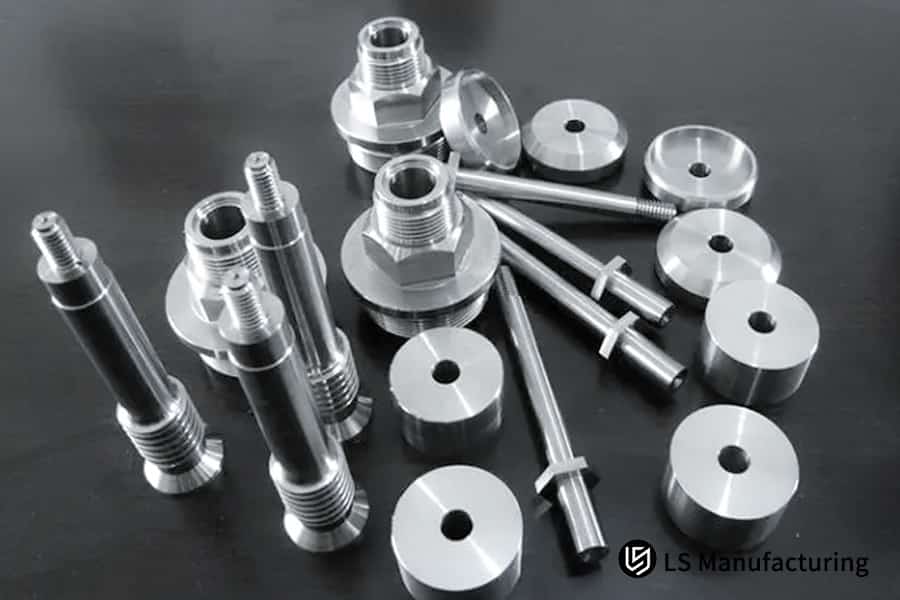
الشكل 4: أجزاء من التيتانيوم المصنعة بدقة باستخدام الحاسوب (CNC) على خلفية سوداء من إنتاج شركة LS Manufacturing
قسم صناعة الطيران والفضاء في شركة LS Manufacturing: مشروع تحسين مواد شفرات توربينات المحركات
نجحت شركة LS Manufacturing في معالجة تحدٍّ بالغ الأهمية في مجال صناعة الطيران والفضاء من خلال تحسين مبتكر لمواد وهيكل شفرات توربينات المحركات. وقد حقق هذا الإنجاز توازناً مثالياً بين مقاومة الحرارة وتقليل الوزن، مما أدى إلى تحسينات استثنائية في الأداء وتوفير كبير في التكاليف لأنظمة الدفع من الجيل التالي.
تحديات العميل
واجهت شركة تصنيع محركات الطائرات بعض المشاكل في إنتاج شفرات التوربينات لهذا المحرك. فسبائك النيكل التقليدية غير مناسبة لتقليل الوزن، وعملية تصنيع سبائك التنجستن النقي بتقنية التلبيد بالليزر مكلفة. لذا، أراد العميل بديلاً مناسباً لتصنيع شفرات توربينات محرك ذات كفاءة عالية من حيث القوة، وتقليل الوزن، والتكلفة.
حلول التصنيع LS
قدمت شركة LS Manufacturing حلاً ثورياً باستخدام مركبات مصفوفة التيتانيوم والألومنيوم كبديل للمواد. وقد وظفت الشركة معايير تشغيل مثالية طُوّرت خصيصاً لهذه المادة لتحقيق القوة الهيكلية المطلوبة مع الوزن الأمثل، بالإضافة إلى استخدام تقنية التشغيل المتزامن خماسي المحاور لهذا الغرض. ويُعدّ هذا الحل الذي اقترحته الشركة مثالياً لأنه يحقق أفضل توازن ممكن بين القوة الهيكلية ووزن المادة.
النتائج والقيمة
أظهرت نتائج المشروع تميزًا لا مثيل له في جميع المجالات . فقد تحسّنت عملية تقليل وزن شفرات التوربينات بنسبة 35%، بينما تحسّنت درجة حرارة التشغيل المرتفعة بنسبة 20%. إضافةً إلى هذا التحسين، حققت شركة LS Manufacturing انخفاضًا بنسبة 40% في تكلفة الوحدة الواحدة بفضل العمليات المستخدمة، ما أهّلها للفوز بجائزة الابتكار التكنولوجي من العميل نظرًا لقدرتها على تحسين مكونات صناعة الطيران.
في مجال الابتكار الذي نشأ نتيجةً لعملية التصنيع التي قامت بها شركة LS Manufacturing في تحسين المواد المستخدمة في شفرات التوربينات في المحرك، تم تلبية متطلبات صناعة الطيران والفضاء لعملائها على أكمل وجه. وقد استغلت LS Manufacturing بكفاءة عالية قابلية تشكيل المادة الجديدة على النحو الأمثل لتحقيق أقصى فائدة ممكنة لنا ، مما جعلها لاعباً رئيسياً في صناعة تصنيع قطع غيار الطائرات والفضاء.
هل تبحث عن أفضل قيمة مقابل السعر من حيث الأداء لمواد التيتانيوم والتنغستن ؟ انقر هنا للحصول على تقييم مجاني لعملية المعالجة.

تحليل اتجاهات استخدام المواد المتقدمة في الصناعات التحويلية الراقية
تُحدث المواد المتقدمة تحولاً جذرياً في الصناعات التحويلية عالية القيمة، وذلك بفضل التوجه المتزايد بسرعة نتيجة الابتكار الذي تُحركه الخصائص المذهلة لهذه المواد. ويُسهم التقدم التكنولوجي الجديد في مجال المواد في ترسيخ إمكانات التطوير المستقبلية لتصنيع هذه المواد.
مركبات مصفوفة التيتانيوم
في مجال المواد المتقدمة ، يُعدّ تطوير مركبات مصفوفة التيتانيوم إنجازًا هامًا لما تتمتع به من خصائص فريدة، لا سيما في تحمل درجات الحرارة العالية والقوة النوعية. وقد شهدت هذه المادة تطبيقات واسعة في قطاع الطيران والمجال الطبي الحيوي. ويُشير تزايد استخدامها في هذين القطاعين إلى إمكاناتها الواعدة للتطوير المستقبلي في بيئات العمل الصعبة.
سبائك التنجستن النانوية
تُعدّ سبائك التنجستن النانوية فئةً واعدةً من المواد المتقدمة ، إذ تتميز بخصائص ميكانيكية محسّنة واستقرار حراري عالٍ. كما تُتيح بنيتها المجهرية الفريدة مقاومةً أفضل للتآكل وثباتًا في الأبعاد حتى في الظروف القاسية. وتُعدّ هذه التطبيقات ذات أهمية خاصة في قطاعات الدفاع والطاقة والأدوات الصناعية، مما يُشير إلى إمكانات كبيرة للتطوير المستقبلي في التطبيقات عالية الأداء.
تقنيات تكامل المواد
يُصنَّف استخدام هذه المواد المتقدمة المختلفة في تكنولوجيا التصنيع الهجين ضمن فئة واحدة، يُتوقع أن تبرز في المستقبل. يُمكن تعريف التصنيع الهجين بأنه القدرة على دمج خصائص مواد مختلفة في منتج واحد. وسيكون لهذا الأمر فائدة كبيرة في تطوير مختلف التقنيات مستقبلاً .
الاستدامة وإمكانية إعادة التدوير
تُعدّ البيئة من أهم الاعتبارات في تحديد اتجاهات التطبيقات في سياق التطبيقات المتعلقة بالمواد المتقدمة في المنطقة. وتُعتبر مشكلة المواد المركبة القابلة لإعادة التدوير وتقنيات الإنتاج الصديقة للبيئة العامل الأهم في اختيار المواد.
يشهد قطاع التصنيع عالي القيمة تحولاً مستمراً في مجال المواد المتقدمة ، من التركيز على تطبيقات الابتكار إلى مزيد من التطورات المستقبلية. ومع التقدم المتزايد في تكنولوجيا المواد، تبرز فرص جديدة لتطبيقات تهدف إلى تحقيق الكفاءة والاستدامة.
الأسئلة الشائعة
1. بأي شكل تختلف تكاليف معالجة سبيكة التيتانيوم عن تكاليف معالجة سبيكة التنجستن؟
إن تكلفة معالجة سبيكة التنجستن، والتي تبلغ من ضعفين إلى ثلاثة أضعاف تكلفة المواد وسبائك التيتانيوم ، على الرغم من الاعتبارات المذكورة أعلاه، تعتمد على مدى تعقيد المنتج.
2. من أي ناحية يكون التيتانيوم أكثر اقتصادية من التنجستن عند العمل في درجات حرارة عالية؟
في نطاق درجات الحرارة الأقل من 500 درجة مئوية ، يُقترح استخدام سبيكة التيتانيوم كمادة للهدف. أما في نطاق درجات الحرارة الأعلى من 500 درجة مئوية ، فيجب استخدام سبيكة التنجستن. تحليل ظروف التشغيل مجاني.
3. أي منهما أنسب لإنشاء نماذج أولية للكميات الصغيرة؟
في عملية التصميم، سيتم صنع النموذج الأولي الأول باستخدام مادة سبائك التيتانيوم لأن هذه المادة أقل تكلفة من المواد الأخرى.
4. كيف يمكن قياس تأثير اختلاف المواد على التكلفة الإجمالية؟
تُعدّ تكاليف المواد والتصنيع والصيانة مجرد أمثلة قليلة من النفقات التي تُؤخذ في الاعتبار عند استخدام حلولنا الشاملة لتحليل تكاليف دورة حياة المنتج. إذا كنت بحاجة إلى تفصيل دقيق لأسعار مشروعك، يمكنك الحصول على عرض أسعار فوري لخدمات التصنيع باستخدام الحاسوب (CNC) عبر الإنترنت .
5. كيف تضمنون وقت تسليم المواد المتخصصة؟
لقد عقدنا شراكة مع موردي المواد لضمان توفر المواد ذات المواصفات القياسية ريثما تصلنا المواد ذات المواصفات الخاصة. تستغرق هذه العملية أربعة أسابيع .
6. هل من الممكن أن تقدموا لنا نماذج من تقارير اختبار الأداء؟
في شركتنا ، يمكننا إصدار شهادة مواد كاملة وتقرير اختبار لعملائنا.
7. ما هي عمليات التحقق من صحة العمليات المطلوبة عند معالجة المواد الجديدة؟
تتوفر لدينا ثلاثة مستويات من التحقق، مثل التحقق من صحة عملية التجربة، والتحقق من صحة علم المعادن، والتحقق من صحة الأداء لضمان الأصالة والدقة في العملية الجديدة.
8. في تشكيل المواد التي يصعب قطعها، ما هي الطرق لتجنب مخاطر الجودة المنخفضة؟
ولإزالة العيوب، تم تطوير عملية مراقبة الجودة، وتم تطبيق SPC، أو التحكم الإحصائي في العمليات، سعياً لتحقيق مستوى جودة مستقر.
ملخص
من خلال دمج أحدث أساليب اختيار المواد مع تقنيات معالجة المواد، يصبح من الممكن استغلال الإمكانيات الكاملة لمواد مثل التيتانيوم والتنغستن . وللاستفادة القصوى من خبرتها في معالجة قطع العمل المصنوعة من مواد يصعب تشكيلها، تقدم الشركة لعملائها حلولاً متكاملة جاهزة للتسليم.
لا تترددوا في التواصل معنا في شركة LS Manufacturing إذا كنتم بحاجة إلى مواد، وسيسعدنا إجراء تحليل مجاني للمواد ووضع خطة عملية لمشروعكم. سيقوم فريق خبرائنا بتقييم متطلبات مشروعكم بناءً على تحليل التكلفة والأداء للمواد، وسيضعون لكم عملية استراتيجية مناسبة.
احصل على حلول اختيار ومعالجة مخصصة لمواد التيتانيوم والتنغستن، مع تحقيق توازن دقيق بين الأداء والتكلفة!
📞الهاتف: +86 185 6675 9667
📧 البريد الإلكتروني: info@lsrpf.com
🌐الموقع الإلكتروني: https://lsrpf.com/
تنصل
محتوى هذه الصفحة لأغراض إعلامية فقط. خدمات LS Manufacturing: لا توجد أي ضمانات، صريحة أو ضمنية، بشأن دقة المعلومات أو اكتمالها أو صحتها. لا يُفترض أن يوفر مورد أو مصنّع طرف ثالث معايير الأداء، أو التفاوتات الهندسية، أو خصائص التصميم المحددة، أو جودة المواد ونوعها، أو جودة التصنيع من خلال شبكة LS Manufacturing. تقع هذه المسؤولية على عاتق المشتري. اطلب عرض أسعار للأجزاء. حدد المتطلبات الخاصة بهذه الأقسام. يرجى التواصل معنا لمزيد من المعلومات .
فريق التصنيع LS
شركة LS Manufacturing شركة رائدة في مجالها ، متخصصة في حلول التصنيع حسب الطلب. لدينا خبرة تزيد عن 20 عامًا مع أكثر من 5000 عميل، ونركز على التصنيع عالي الدقة باستخدام آلات CNC، وتصنيع الصفائح المعدنية ، والطباعة ثلاثية الأبعاد، والقولبة بالحقن ، وختم المعادن ، وغيرها من خدمات التصنيع المتكاملة.
يضم مصنعنا أكثر من 100 مركز تصنيع متطور بخمسة محاور، حاصل على شهادة ISO 9001:2015. نقدم حلول تصنيع سريعة وفعالة وعالية الجودة لعملائنا في أكثر من 150 دولة حول العالم. سواءً كان الإنتاج بكميات صغيرة أو التخصيص على نطاق واسع، نلبي احتياجاتكم بأسرع وقت ممكن، مع ضمان التسليم خلال 24 ساعة. اختر LS Manufacturing، فهذا يعني الكفاءة والجودة والاحترافية.
للمزيد من المعلومات، تفضل بزيارة موقعنا الإلكتروني: www.lsrpf.com .