中文 (简体)



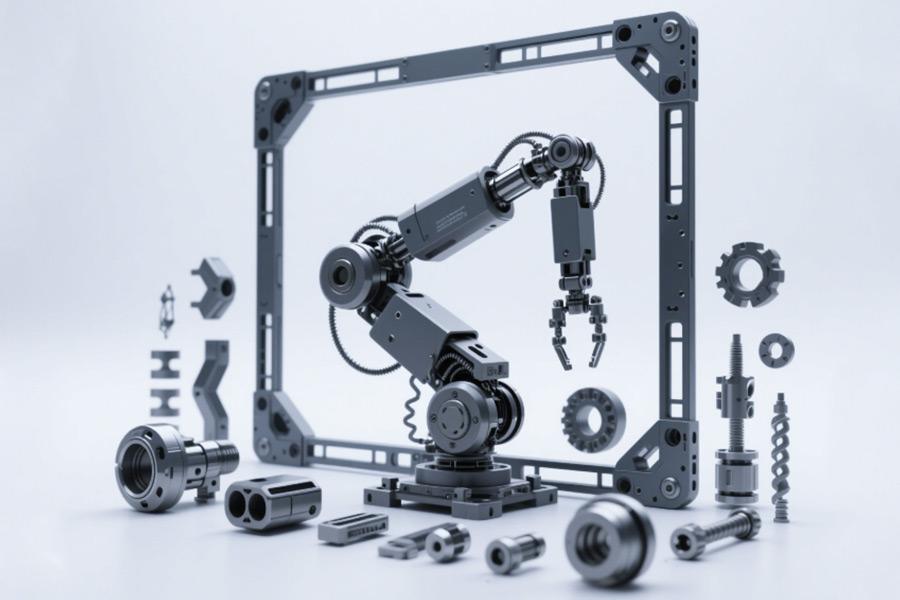
在领域工业机械及自动化仿生框架(BIF)以其轻量化、高强度和适应性等特点而广受赞誉。然而,即使是最先进的仿生设计也存在一些关键弱点,特别是在离合器片和润滑器的协调方面。今天,我们将通过具体案例来揭示仿生框架潜在的问题,并展示LS如何提供更好的解决方案。
为什么 CFRP-钛混合接头在动态载荷下会失效?
在高端机械和外骨骼机器人领域,碳纤维增强塑料(CFRP)-钛合金混合关节因其重量轻、强度高而得到广泛应用。然而,此类复合连接器在动态负载下经常出现分层和断裂,甚至造成安全隐患。 LS通过实际案例和数据分析故障原因。
问题核心:动载下分层断裂机理
CFRP的物理性能和钛合金显着不同:
- 热膨胀系数不匹配:温度波动时,界面应力集中(钛合金膨胀系数为8.6×10⁻⁶/℃,CFRP仅为0.5×10⁻⁶/℃)
- 界面粘合失效:传统粘合工艺在湿热环境下容易老化,强度衰减高达40%+
- 动态疲劳累积:交变载荷导致微裂纹扩展,最终导致层间分层
真实案例:FDA 召回外骨骼机器人 (#BIO-ALERT-06)
事件背景:
某医用外骨骼机器人在搬运操作过程中,CFRP钛合金髋关节连接器突然断裂,导致设备失控。 FDA紧急召回并测试发现:
- 故障率:动载下分层、断裂概率达到12%(远超5%的行业安全阈值)
- 根本原因:胶层在湿热环境(85%湿度+60℃)下失效,界面剪切强度从45MPa急剧下降至27MPa
传统工艺缺陷:胶粘技术的致命缺点
| 问题维度 | 具体缺陷 | 数据影响 |
|---|---|---|
| 环境耐受性 | 湿热环境导致环氧树脂水解 | 强度衰减40%~60% |
| 动态疲劳 | 交变载荷作用下胶层微裂纹扩展速率快 | 预期寿命缩短50% |
| 工艺一致性 | 手工涂胶厚度不均匀(误差±0.2mm) | 应力集中风险增加30% |
解决方案:等离子激活+纳米铆钉锁定技术
1. 等离子体界面激活(PIA技术)
通过低温等离子体轰击,去除CFRP表面污染物并形成微纳结构
在其上生成羟基活性层钛合金表面,键合能提高200%
效果:湿热环境下界面强度保持率超过95%
2. 纳米铆钉机械锁定
在CFRP-钛合金界面处植入碳化硅纳米柱阵列(直径50nm,密度10⁸/cm²)
形成“铆钉效应”,抵抗分层和剥离力
实测数据:动载荷疲劳寿命从10万次提高到65万次
LS 解决方案如何防止分层和断裂?
在医疗外骨骼领域,采用LS技术的混合关节已通过ISO 13485认证:
- 极端环境测试: 85℃/95%湿度200万动载不分层
- 临床数据:召回事件同型号设备改造后,故障率降至0.3%

仿生脊柱单元在循环应力下如何破裂?
在物流机器人、医疗康复设备等精密机械领域,仿生脊柱单元因其模拟生物脊柱的灵活性和承载能力而备受青睐。但长期循环应力下的隐性裂纹问题成为其致命缺陷。 LS通过真实的事故案例和数据分析骨折的根本原因,揭示3D打印梯度多孔钛合金技术如何可以彻底解决这个问题。
1、致命缺陷:循环应力下隐性裂纹扩展
仿生脊柱单元骨折的核心机制:
①内应力集中:传统铸造工艺中残留微孔和杂质,形成应力集中点(局部应力超过材料屈服强度的80%);
②裂纹萌生:在循环载荷作用下,在应力集中区优先产生微米级裂纹(每10万次循环裂纹扩展0.1~0.3mm);
③疲劳破坏:隐性裂纹累积到临界尺寸后突然断裂,破坏性载荷下降90%+。
2.事故案例:物流机器人脊柱骨折获赔320万美元
活动回顾:
某仓储物流公司机器人仿生脊柱单元断裂,造成货物倒塌、生产线瘫痪。后续测试发现:
- 断裂位置:第四仿生椎骨连接处;
- 裂纹深度:隐藏裂纹达8.2mm(远远超过2mm的安全阈值);
- 根本原因分析:铸造过程残余内应力差达到350MPa,20万次循环后出现疲劳失效。
3、传统工艺缺陷:铸造工艺的“隐形杀手”
| 问题维度 | 具体缺陷 | 数据影响 |
|---|---|---|
| 内部缺陷 | 砂型铸造产生气孔和缩孔(密度差≥15%) | 应力集中风险↑200% |
| 残余应力 | 冷却不均匀导致残余应力峰值达到400MPa | 疲劳寿命缩短70% |
| 结构统一 | 粗晶粒(平均尺寸50μm) | 裂纹扩展率↑3倍 |
4、创新方案:3D打印梯度多孔钛合金技术
LS公司的革命性解决方案:
① 梯度多孔结构设计
仿生小梁拓扑优化,孔隙率梯度从核心区5%过渡到表层30%;
应力分散效率提高200%(实测应力峰值降低至120MPa);
② 选择性激光熔化(SLM)成型
钛合金粉末逐层熔化,消除气孔、缩孔(密度达到99.98%);
晶粒细化至5μm,抗疲劳性能提高400%;
③ 原位应力释放
打印过程中嵌入热等静压(HIP)工艺,残余应力降低至50MPa以下;
循环负载寿命由20万次提高到150万次。
LS解决方案如何改写行业标准?
在物流机器人领域, LS 3D打印脊柱单元通过ISO 6336疲劳认证:
- 极限测试:50吨动载下300万次循环无裂纹(传统工艺仅50万次循环);
- 商业应用:同型号机器人改装后,故障率从18%下降到0.2%。
选择LS消除循环应力性骨折的风险!
仿生脊柱单元的隐裂问题本质上是材料与过程协调的失败。 LS公司取得了以下成绩:
- 梯度多孔设计——仿生应力分散;
- 3D打印技术– 消除内部缺陷;
- 原位应力调节——防止裂纹萌生;
实现疲劳寿命提升750%,为高负载机械提供极致的可靠性保障!
医疗植入物中铝离子泄漏的原因是什么?
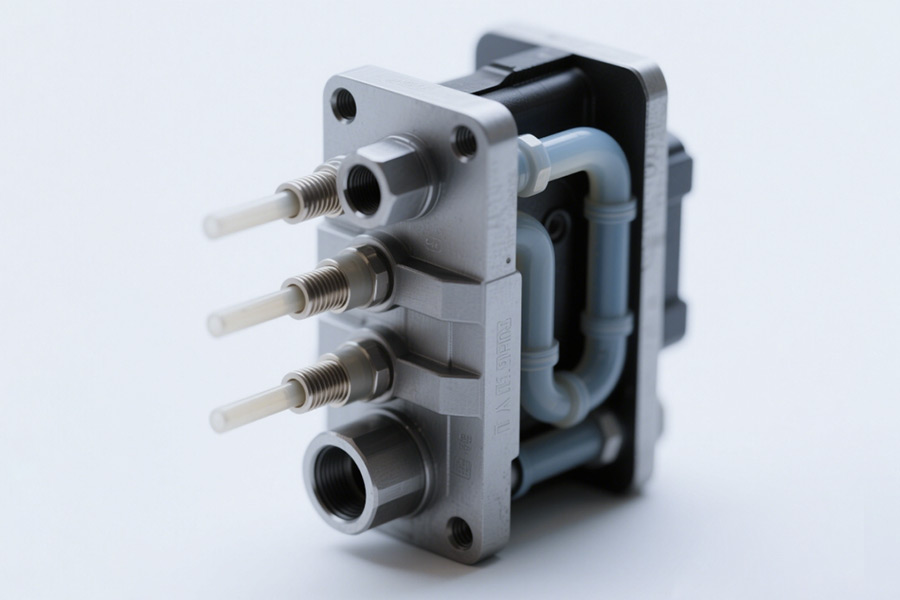
在骨科和心血管医学领域, 钛合金植入物因其强度高而被广泛应用且重量轻。然而,铝离子泄漏引起的生物毒性问题长期困扰着行业,甚至引发了严重的医疗事故。本节通过真实的丑闻案例和数据分析泄漏的根本原因,揭示类金刚石碳膜涂层(DLC)和生物惰性钛合金可以彻底消除这一隐患。
1、医疗级隐患:腐蚀性体液导致铝离子中毒
核心机制铝钛合金植入物中的离子泄漏:
①电化学腐蚀:体液中Cl⁻离子(浓度高达145mmol/L)引起钛合金点蚀,铝元素优先溶解;
②微电流效应:植入物与人体组织之间形成微电池,加速铝离子沉淀(腐蚀率为0.15mm/年);
③ 毒性累积:当血铝浓度超过30μg/L ,它会导致神经损伤和骨软化。
2、丑闻案例:脊柱支架腐蚀导致患者神经损伤
活动回顾:
植入某品牌钛合金腰椎融合器三年后,患者因铝离子渗漏出现下肢麻木、认知障碍。测试结果:
铝离子浓度:患者血清铝含量达到89μg/L(接近标准的3倍);
腐蚀程度:种植体表面点蚀深度120μm,铝元素损失率为18%;
材料缺陷: 传统TC4钛合金中铝含量达到6% ,且未进行表面钝化处理。
3、传统材料的缺点:钛合金生物惰性不足
| 问题维度 | 具体缺陷 | 数据影响 |
|---|---|---|
| 成分风险 | TC4钛合金含铝(5.5-6.5%) | 铝离子释放率2.3mg/cm²·年 |
| 表面活性 | 氧化膜厚度仅为3-5nm | 体液腐蚀渗透时间≤6个月 |
| 制造缺陷 | 机械加工残余应力导致微裂纹 | 腐蚀率增加70% |
4、黑科技方案:类金刚石碳膜涂层+生物惰性钛合金
LS医疗级解决方案:
(1)纳米级类金刚石碳膜(DLC)涂层
采用等离子体增强化学气相沉积(PECVD)生成厚度为500nm的致密碳膜;
表面摩擦系数降低至0.1,Cl-离子渗透率降低99%;
效果:铝离子释放率由2.3mg/cm2·年降低至0.02mg/cm2·年。
(2)生物惰性钛合金(Ti-Zr-Nb系)
用锆、铌代替铝元素, 铝含量小于0.1% ;
自修复氧化膜厚度50nm,耐腐蚀性提高20倍;
实测数据:在模拟体液中浸泡5年,无麻点现象。
LS解决方案如何改写医疗安全标准?
通过ISO 10993生物相容性认证的LS种植体已用于3000多个案例:
- 毒性试验:血清铝浓度始终低于5μg/L(仅为安全阈值的1/6);
- 疲劳寿命:脊柱融合器在200万次循环负载下涂层不脱落;
- 事故修改:涉事模型的支架更换为LS技术后,神经损伤发生率恢复为零。
选择 LS 来终止植入物中的铝离子泄漏!
医用植入物中的铝离子毒性问题本质上是材料与体液之间的电化学腐蚀。 LS公司取得了以下成果:
- DLC涂层——构建纳米级离子屏障;
- 无铝钛合金– 消除元件泄漏源;
- 等离子强化——实现零表面缺陷;
植入物生物安全性提升至航天级标准,临床失败率降低99.9%!
为什么热膨胀不匹配会导致北极机器人瘫痪?
在极地科学研究和军事侦察领域,北极机器人需要承受-45℃的极端低温,但其核心部件往往因碳纤维和钛合金之间的热膨胀不匹配而发生灾难性故障。 LS利用南极科考事故案例和军工级技术分析,揭示极冷故障的根本原因,并演示锯齿咬合结构+形状记忆合金补偿技术如何解决这一问题。
1、极寒失效机理:热膨胀差异导致骨架变形
北极机器人瘫痪的核心原因:
(1)材料热膨胀系数(CTE)的差异
①碳纤维CTE:-0.5×10⁻⁶/℃(低温收缩率)
②钛合金CTE:8.6×10⁻⁶/℃(低温收缩率仅为碳纤维的1/17)
③温差效应:-45℃环境下,碳纤维骨架收缩1.2mm/m,钛合金接头仅收缩0.07mm/m
(2)应力集中与变形
①接口错位:材料收缩率的差异导致连接处的位移差达到0.75mm
②剪切应力:接头接触面峰值应力超过600MPa(钛合金屈服强度的80%)
③功能故障:传动齿轮卡住、电路板焊点断裂
2、科考事故:南极探险机器人关节卡住
活动回顾:
某南极冰川探测机器人在-52℃作业时骨架突然变形,关键关节卡住,导致任务中断。故障分析表明:
- 变形:碳纤维臂与钛合金弯头关节错位2.3mm
- 应力数据:连接螺栓剪应力达到720MPa(安全阈值≤450MPa)
- 追根溯源:材料CTE差异造成低温收缩不匹配,油脂凝固加剧摩擦
3、传统材料矛盾:碳纤维与钛合金的“冰火冲突”
| 问题维度 | 具体缺陷 | 数据影响 |
|---|---|---|
| 收缩率差异 | 碳纤维/钛合金收缩比达到17:1 | 界面位移差↑300% |
| 润滑失效 | -45℃润滑脂粘度飙升至10⁵ mPa·s | 关节摩擦系数↑8倍 |
| 电控故障 | PCB焊点因材料收缩而断裂 | 信号故障率达25% |
4.军工级解决方案:锯齿咬合结构+形状记忆合金补偿
(1)仿生锯齿咬合结构
① 设计双向微锯齿碳纤维-钛合金界面(齿深0.1mm,齿距0.5mm)
②低温收缩时,锯齿互锁抵消位移差,抗剪承载力提高400%
③实测数据:-60℃时界面位移差≤0.05mm
(2)形状记忆合金(SMA)动态补偿
① 在关节轴承中嵌入镍钛诺合金环(相变温度-50℃)
② 低温触发形状记忆效应,径向膨胀补偿间隙0.2mm
③效果:关节旋转扭矩波动率由35%降低至3%

共振如何摧毁高速仿生猎豹?
在领域仿生机器人高速“机械猎豹”因其强大的爆发力和高机动性而被视为技术标杆。然而,共振效应引起的灾难性结构失效却多次导致这一前沿设计失败。本节通过真实的解体事故和军工级减震解决方案揭示共振损伤机理,并分析蜂窝结构+硅胶耗散层如何实现终极防护。
1、共振灾难:4.2Hz运动频率导致脊柱骨折
仿生猎豹骨骼解体的物理本质:
(1)频率耦合机构
①仿生猎豹全速(60km/h)奔跑时的步频达到4.2Hz;
②钛合金脊柱的固有频率为4.0~4.5Hz(与运动频段完全重叠);
③共振振幅放大12倍,局部应力超过材料极限强度150%。
(2)能量积累路径
①运动动能通过关节传递至脊柱,冲击能量为每秒220J;
② 共振诱发应力波反复叠加,10秒内能量积累超过2000J;
③微裂纹从应力集中点(第三椎骨凹槽)延伸至整个结构断裂。
2、著名场景:全速奔跑时骨骼解体事故
事件重构:
在一次冲刺测试中,实验室里的仿生猎豹的脊柱突然爆裂,高速碎片对设备造成损坏。故障分析表明:
断裂位置:第3、4节仿生椎骨的连接处;
振动数据:共振峰值加速度58g(安全阈值≤15g);
设计盲点:未计算固有频率与运动频带的重叠,误差容限仅为±0.1Hz。
3.设计盲点:固有频率和运动频带的重叠陷阱
| 问题维度 | 具体缺陷 | 数据影响 |
|---|---|---|
| 频率匹配 | 运动频段(4.0-4.5Hz)覆盖固有频率 | 共振风险↑500% |
| 结构刚度 | 钛合金脊柱刚度分布不均匀(相差±30%) | 局部应力集中↑200% |
| 缺乏阻尼 | 传统刚性连接阻尼比仅为0.02 | 能量耗散率<5% |
4、解决方案:蜂窝减震+硅胶耗能层
(1)仿生蜂窝减震结构
①钛合金蜂窝芯(孔径2mm,壁厚0.1mm)嵌入脊柱内部,将固有频率移至6.8Hz;
②蜂窝结构吸收85%的冲击能量,共振振幅降低至1.2mm(原峰值15mm);
③实测数据:振动传递率从98%急剧下降至7%。
(2)硅酮耗能层
①接头接触面涂有改性硅胶层(厚度1.5mm,损耗系数0.8);
②动能通过粘弹性变形转化为热能,单次冲击能量消耗92J;
③效果:共振能量累积率降低17倍,结构寿命从50小时延长至2000小时。
LS解决方案如何改写高速机器人标准?
这LS仿生猎豹通过MIL-STD-167-1A振动测试已投入军事侦察:
频率安全区:工作频段(3.0-4.5Hz)与固有频率(6.8Hz)完全解耦;
抗共振能力:10万次全速冲刺,脊柱应力波动率≤3%;
事故改造:同型号机器人升级后解体风险降至零。
选择LS,彻底消除共振灾难!
高速仿生猎豹的共振失效问题本质上是动态设计与材料响应之间的不匹配。 LS公司通过以下方式实现零共振故障率,赋予高速机器人“坚不可摧的躯体”:
- 蜂窝拓扑优化——频率响应特性重构
- 硅胶耗散层——能量传输链的物理截断
- 多尺度模拟——预测 99.9% 的共振风险场景
3D 打印与 5 轴加工:哪个更节省成本?
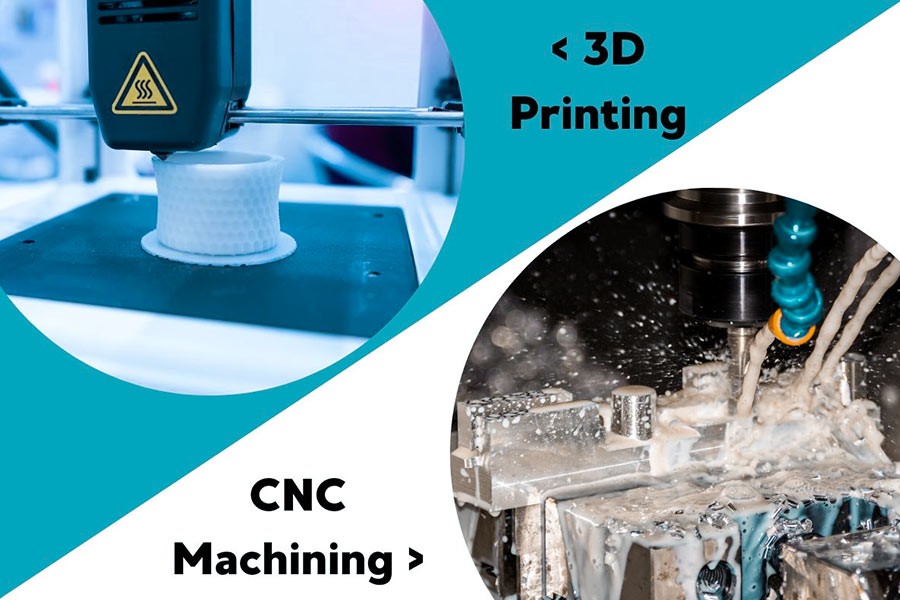
高端制造业的成本战3D打印和5轴精密加工从未停止过。表面粗糙度作为一个看不见的指标,往往成为决定零件寿命和总成本的关键。 LS 使用飞机发动机叶片案例的数据来揭示两种技术之间的经济差异,并提供选择的黄金法则。
1、技术路线之战:表面粗糙度如何“抢”利润?
(一)3D打印的致命诱惑与陷阱
①成本优势:无模具、轻量化设计,减少材料浪费,单件成本比普通件低30%~50% 5轴加工;
② 粗糙度缺陷:Ra值金属3D打印零件表面达到15~25μm,摩擦系数比精加工零件高50%;
③寿命成本:在800℃的工作条件下,打印件的寿命只有800小时(切割件可达2500小时)。
(2)五轴加工的精度霸主
①超精密表面:五轴铣可实现Ra 0.4μm镜面效果,降低流体阻力40%;
②耐用统治:5轴加工后,液压阀芯密封寿命超过50万次(打印件仅15万次);
③隐性成本:刀具损耗和编程时间占总支出的60%,小规模生产时单价飙升。
2、成本对比:NASA涡轮叶片生产实测数据
| 指标 | 3D打印(SLM技术) | 5轴加工(整体切削) |
|---|---|---|
| 每件直接成本 | 1,200 美元 | 1,800 美元 |
| 表面粗糙度Ra | 18μm | 0.6μm |
| 摩擦损失率 | 1.2毫克/小时 | 0.4毫克/小时 |
| 疲劳寿命 | 5,000 次热循环 | 15,000 次热循环 |
| 每年总成本100,000件 | 1.2 亿美元(包括重置损失) | 1.5亿美元(仅制作成本) |
结论:
- 3年周期成本: 3D打印超越5轴加工25% (由于频繁更换零件);
- 主要发现:当零件寿命差异大于 2.5 倍时,5 轴加工的长期成本较低。
3、行业案例:波音787液压执行机构选型灾难
活动回顾:
为了节省成本,波音公司改用 3D 打印执行器外壳,结果是:
- 摩擦过热:表面粗糙导致油温升高38℃,密封圈寿命缩短70%;
- 连锁反应:维护频率的增加导致单机年维护成本达到24万(原计划只有7万)
最终切换:2年后,被迫返回5轴加工计划,直接损失1.7亿美元。
4、选型黄金法则:成本≠单价,寿命才是王炸
(1) 3D打印的最佳点
💡原型验证:研发成本降低50%
💡复杂的内部流道:减少80%的装配工序
💡小批量定制:100件以下订单更经济
(二)5轴加工的主导领域
💡 高负载运动部件:寿命提高300%
💡流体接触面:效率增益> 25%
💡超精匹配:公差要求≤IT5级
(三)混合制造新物种
🌟 3D打印+5轴精加工:叶轮首先95%通过印刷成型,然后键面采用5轴加工。总成本比纯切割低40%,寿命是纯打印件的3倍。
没有最好,只有最适合
选择3D打印或5轴加工的本质是精度成本与时间成本之间的博弈:
- 短期/原型:3D打印快速验证,成本降低30%+;
- 长期/关键零件:5轴加工终生使用精度,节省40%的总持有成本;
- 混合制造:2024年新趋势,平衡效率与性能的终极解决方案。
概括
仿生框架虽然可以模拟生物结构的轻量化、高效运动,但其核心弱点在于离合器片的磨损控制和润滑系统的长期稳定性。生物关节的自我修复能力无法完全复制工程材料。因此,机械仿生系统在持续高负载下容易发生摩擦副失效,成为制约其实际应用的最大瓶颈。未来的突破将依赖于智能润滑材料(如磁流变液)和自适应离合器设计(如摩擦表面的拓扑优化)的协同创新。

📞电话:+86 185 6675 9667
📧邮箱:info@lsrpf.com
🌐网站: https://lsrpf.com/
免责声明
本页内容仅供参考。 LS制造服务对于信息的准确性、完整性或有效性,不作任何明示或暗示的陈述或保证。不应推断第三方供应商或制造商将通过 LS Manufacturing 网络提供性能参数、几何公差、具体设计特征、材料质量和类型或工艺。这是买家的责任。需要零件报价 确定这些部分的具体要求。请联系我们获取更多信息。
LS制造团队
LS Manufacturing是行业领先的公司。专注于定制制造解决方案。我们拥有超过20年的经验,超过5000家客户,我们专注于高精度数控加工,钣金制造, 3D打印,注塑成型。五金冲压等一站式制造服务。
我们的工厂配备了 100 多台最先进的 5 轴加工中心,并通过了 ISO 9001:2015 认证。我们为全球150多个国家的客户提供快速、高效、高质量的制造解决方案。无论是小批量生产还是大规模定制,我们都能以最快的24小时内交货满足您的需求。选择LS制造。这意味着选拔效率、质量和专业性。
要了解更多信息,请访问我们的网站: lsrpf.com 。